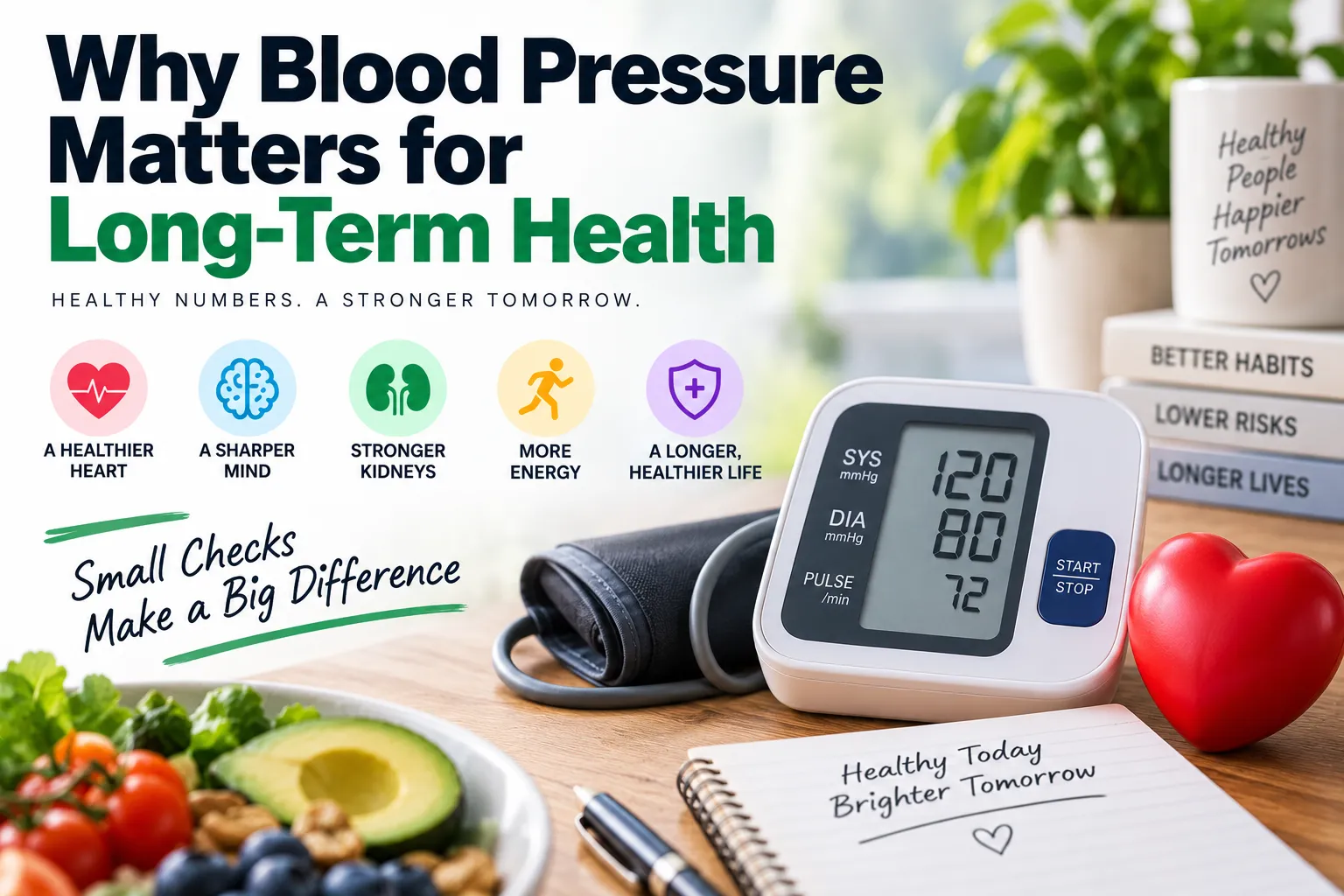

Why Blood Pressure Matters for Long-Term Health
Blood pressure is one of the simplest measurements of health, yet it can reveal a great deal about what is happening inside the body. When blood pressure remains too high for years, the strain can gradually damage blood vessels and organs, increasing the risk of heart disease, stroke, kidney disease and other serious health problems.
The challenge is that high blood pressure often produces no obvious symptoms. A person can feel healthy while elevated pressure is quietly affecting their cardiovascular system. That is why regularly checking blood pressure and addressing unhealthy readings early can be an important part of long-term disease prevention.
The World Health Organization estimates that about 1.4 billion adults aged 30 to 79 had hypertension worldwide in 2024, while many people with the condition were unaware they had it.
Understanding why blood pressure matters can make it easier to recognize the importance of routine screening, healthy habits and appropriate treatment.
What Is Blood Pressure?
Blood pressure is the force created as blood moves through the body’s arteries each time the heart beats.
A blood pressure reading contains two numbers:
- Systolic pressure: The top number, representing pressure in the arteries when the heart contracts.
- Diastolic pressure: The bottom number, representing pressure when the heart relaxes between beats.
For example, a reading of 120/80 mm Hg has a systolic pressure of 120 and a diastolic pressure of 80.
Blood pressure naturally changes throughout the day depending on factors such as activity, stress, sleep, body position and illness. One unusual reading does not necessarily mean someone has hypertension.
Persistent elevation is what matters.
The exact thresholds used to classify and treat high blood pressure can vary depending on the guideline, age, pregnancy status and other health conditions. The WHO defines hypertension in adults as blood pressure of 140/90 mm Hg or higher when measured on two different days, while the 2025 American Heart Association/American College of Cardiology guideline uses a lower treatment framework and emphasizes a general treatment goal below 130/80 mm Hg for adults, with important individual considerations.
This is one reason people should discuss repeated elevated readings with a healthcare professional rather than trying to interpret a single measurement in isolation.
Why High Blood Pressure Can Be Dangerous
Blood vessels are designed to withstand the normal pressure created by circulating blood. When that pressure remains elevated over a long period, it can place additional stress on artery walls.
Over time, this can contribute to blood-vessel damage and plaque buildup, narrowing arteries and making it harder for blood to reach important organs.
The effects may involve several parts of the body.
The Heart
The heart has to work harder when it pumps against higher resistance in the arteries.
Years of uncontrolled high blood pressure can contribute to changes in the heart and blood vessels and increase the risk of:
- Coronary artery disease
- Heart attack
- Heart failure
- Atherosclerosis
- Abnormal heart rhythms
High blood pressure is also one of the major modifiable risk factors for cardiovascular disease.
For a broader look at protecting cardiovascular health, see this Heart Disease Prevention Guide.
The Brain
The brain depends on a continuous supply of oxygen-rich blood. Damage to the arteries supplying the brain can increase the risk of stroke.
High blood pressure is considered a leading risk factor for stroke because it can contribute to both blocked and ruptured blood vessels in the brain.
You can learn more about reducing this risk in the Complete Guide to Stroke Prevention.
Blood pressure management may also matter for brain health beyond stroke. Current cardiovascular guidelines recognize an association between high blood pressure and increased risk of cognitive decline and dementia.
The Kidneys
The kidneys filter waste and excess fluid from the blood, making healthy blood vessels essential to their function.
High blood pressure can damage blood vessels in and around the kidneys. As kidney function declines, blood pressure can become even harder to control, creating a potentially harmful cycle.
The relationship works in both directions: hypertension can contribute to chronic kidney disease, while kidney disease can cause or worsen high blood pressure.
The Eyes
The tiny blood vessels supplying the eyes can also be affected by prolonged high blood pressure. Over time, damage to these vessels can contribute to vision problems and, in severe cases, vision loss.
High Blood Pressure Often Has No Warning Signs
One of the most important reasons blood pressure screening matters is that hypertension frequently does not make people feel sick.
Someone may have significantly elevated blood pressure while experiencing no noticeable symptoms at all.
This means waiting for headaches, dizziness or other symptoms before checking blood pressure can allow the condition to remain undetected.
Routine measurement provides a much better opportunity to identify a problem early.
If you want to understand the condition itself in more detail, High Blood Pressure Explained provides a useful overview of what elevated blood pressure means and how it can affect health.
What Can Raise Blood Pressure?
Some risk factors cannot be changed, while others are influenced by everyday habits and environmental conditions.
Factors associated with increased blood pressure include:
- Increasing age
- Family history
- Being overweight or obese
- Physical inactivity
- A diet high in sodium
- Low intake of fruits and vegetables
- Tobacco use
- Excessive alcohol consumption
- Diabetes
- Kidney disease
- Certain medications and medical conditions
- Long-term exposure to some environmental risks, including air pollution
Not everyone with these risk factors develops hypertension, and people without obvious risk factors can still develop it.
That is another reason regular screening is valuable.
How Lifestyle Habits Can Protect Blood Pressure
Blood pressure management is not only about medication. Lifestyle changes can play an important role in preventing hypertension and helping people who already have it reduce their risk.
Eat for Cardiovascular Health
A healthy eating pattern can help support normal blood pressure.
Emphasizing vegetables, fruits, whole grains, legumes and other nutrient-rich foods while limiting excessive sodium and unhealthy fats can support cardiovascular health.
Reducing sodium is particularly important because excessive salt consumption can contribute to elevated blood pressure in many people.
Stay Physically Active
Regular physical activity can help support healthy blood pressure, cardiovascular fitness and body weight.
Walking, cycling, swimming, dancing and strength exercises are examples of activities that can contribute to a more active lifestyle.
The WHO recommends that adults generally aim for at least 150 minutes of moderate-intensity aerobic activity or 75 minutes of vigorous activity each week, alongside muscle-strengthening activities on two or more days.
Maintain a Healthy Weight
Excess body weight can increase the likelihood of developing high blood pressure.
For people who are overweight or obese, losing weight can be one component of a broader strategy to improve cardiovascular and metabolic health.
The goal does not need to be extreme or immediate. Sustainable changes in eating patterns, physical activity and daily routines can be more practical over the long term.
Avoid Tobacco
Smoking damages blood vessels and contributes to cardiovascular disease.
Avoiding tobacco is therefore important not only for blood pressure but also for reducing the broader risk of heart attack, stroke and other chronic diseases.
Be Careful With Alcohol
Excessive alcohol consumption can contribute to elevated blood pressure and other cardiovascular problems.
For people who drink alcohol, staying within recommended limits and discussing alcohol use with a healthcare professional when necessary can be part of a broader prevention strategy.
Manage Stress and Sleep
Stress does not explain every case of hypertension, but chronic stress can influence behaviors and physiological processes that affect cardiovascular health.
Adequate sleep, regular physical activity, relaxation practices and healthy daily routines can all contribute to better overall cardiovascular health.
Why Blood Pressure Checks Matter
Because hypertension can be silent, measuring blood pressure is one of the easiest ways to identify a potential problem.
Blood pressure can be measured in healthcare settings and, for many people, with validated home monitoring devices.
When checking blood pressure at home, it is useful to follow the device instructions carefully and maintain consistent measurement conditions. A healthcare professional can also explain how frequently measurements should be taken and how the results should be interpreted.
Repeated readings are generally more informative than reacting to a single number.
If readings are consistently elevated, a healthcare professional can determine whether further evaluation is necessary.
Blood Pressure and Overall Disease Prevention
Blood pressure does not exist in isolation.
It is connected to several other aspects of health, including cholesterol, blood sugar, body weight, physical activity, kidney function and smoking status. These factors can interact and collectively influence the likelihood of developing cardiovascular disease.
That is why prevention is more effective when it focuses on the bigger picture rather than one measurement.
Our guide on How Disease Prevention Works and How to Reduce Health Risks explores this broader approach to protecting health over time.
When High Blood Pressure Requires Urgent Attention
Extremely high blood pressure can sometimes represent a medical emergency, particularly when it occurs alongside symptoms suggesting damage to an organ.
The American Heart Association advises that a reading above 180/120 mm Hg should be rechecked after waiting at least one minute. If it remains that high and symptoms such as chest pain, shortness of breath, weakness, numbness, vision changes or difficulty speaking are present, emergency medical care is needed.
Someone with a very high reading but no concerning symptoms should still contact a healthcare professional promptly for guidance.
Anyone experiencing severe or new symptoms should not rely solely on a home blood pressure reading to determine what is happening.
Can High Blood Pressure Be Prevented?
Not every case of hypertension can be prevented. Age, genetics and certain medical conditions can increase risk even when someone maintains healthy habits.
However, many important risk factors can be changed.
A prevention-focused approach can include:
- Checking blood pressure regularly.
- Eating a balanced diet with less excess sodium.
- Staying physically active.
- Maintaining a healthy weight.
- Avoiding tobacco.
- Limiting excessive alcohol consumption.
- Managing diabetes and other chronic conditions.
- Taking prescribed medications as directed.
- Keeping recommended healthcare appointments.
- Discussing persistent abnormal readings with a healthcare professional.
These steps are not simply about achieving a better number on a blood pressure monitor. They can help reduce the long-term strain placed on the heart, brain, kidneys and blood vessels.
Why Early Action Can Make a Long-Term Difference
High blood pressure is sometimes easy to underestimate because it may not cause immediate discomfort. But the absence of symptoms does not mean the absence of risk.
Years of uncontrolled hypertension can gradually damage blood vessels and increase the likelihood of major cardiovascular and kidney problems. The good news is that blood pressure is also one of the most measurable and manageable cardiovascular risk factors.
Regular screening provides an opportunity to identify elevated pressure. Healthy lifestyle changes can help reduce risk, and when medication is recommended, treatment can provide another important layer of protection.
The goal is not simply to react when blood pressure becomes severely elevated. It is to understand the numbers early, address modifiable risks and work with healthcare professionals to protect health for the years ahead.
Making Blood Pressure Part of Your Long-Term Health Plan
Blood pressure is a small measurement with far-reaching implications. Keeping it in a healthy range can support the health of the heart, brain, kidneys and blood vessels while reducing the risk of several serious diseases.
Because hypertension can develop without obvious symptoms, knowing your numbers is an important first step. From there, nutrition, physical activity, healthy weight management, tobacco avoidance, appropriate medical care and regular monitoring can all contribute to better long-term health.
Taking blood pressure seriously is not about worrying over every individual reading. It is about recognizing an important signal from the body and using that information to make informed decisions before preventable problems become more difficult to manage.
Continue Reading
Similar Posts
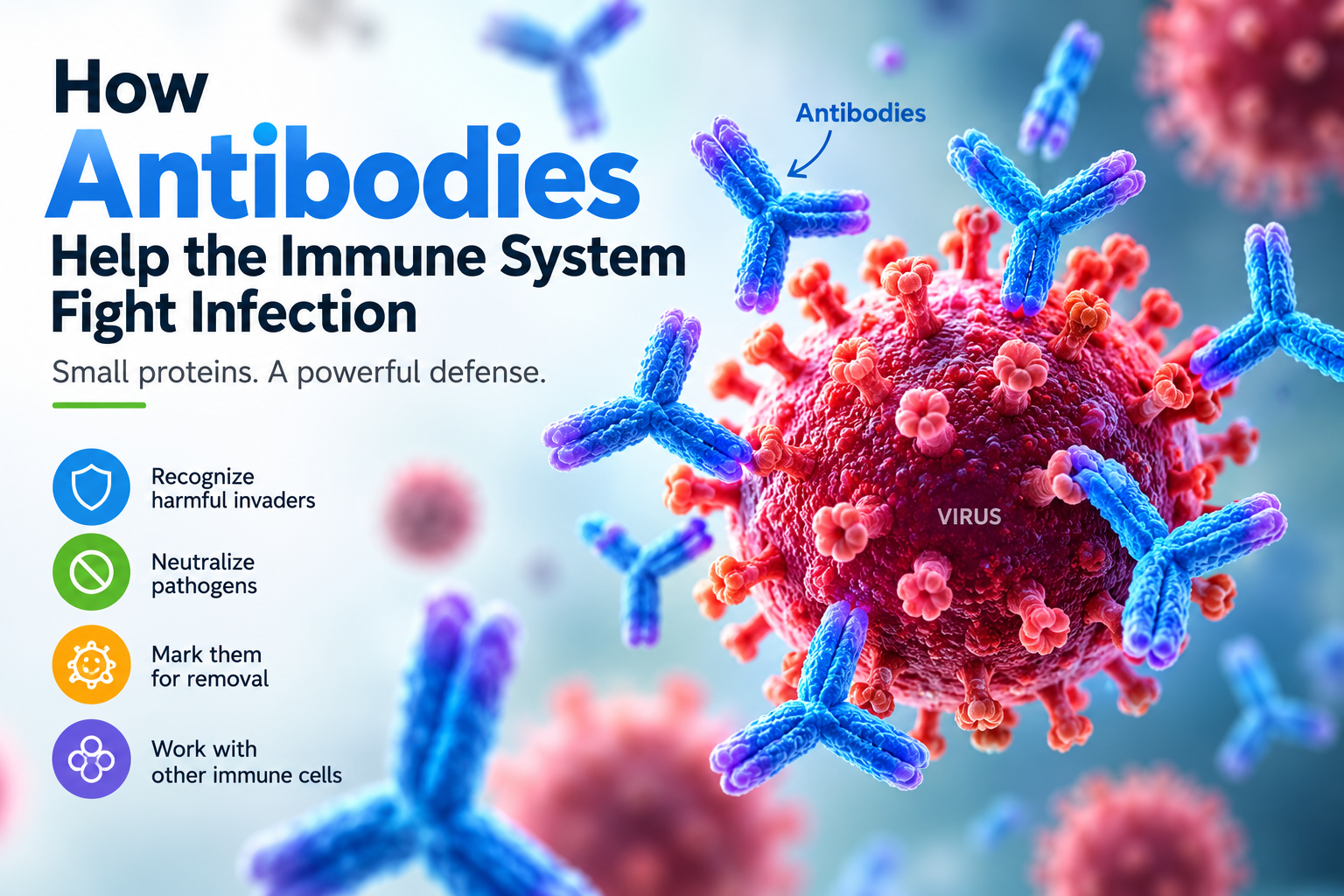
How Antibodies Help the Immune System Fight Infection
Understanding how antibodies work provides a clearer picture of why people develop immunity after certain infections or vaccinations and why the immune system can respond more effectively when it encounters a familiar pathogen again.
Read article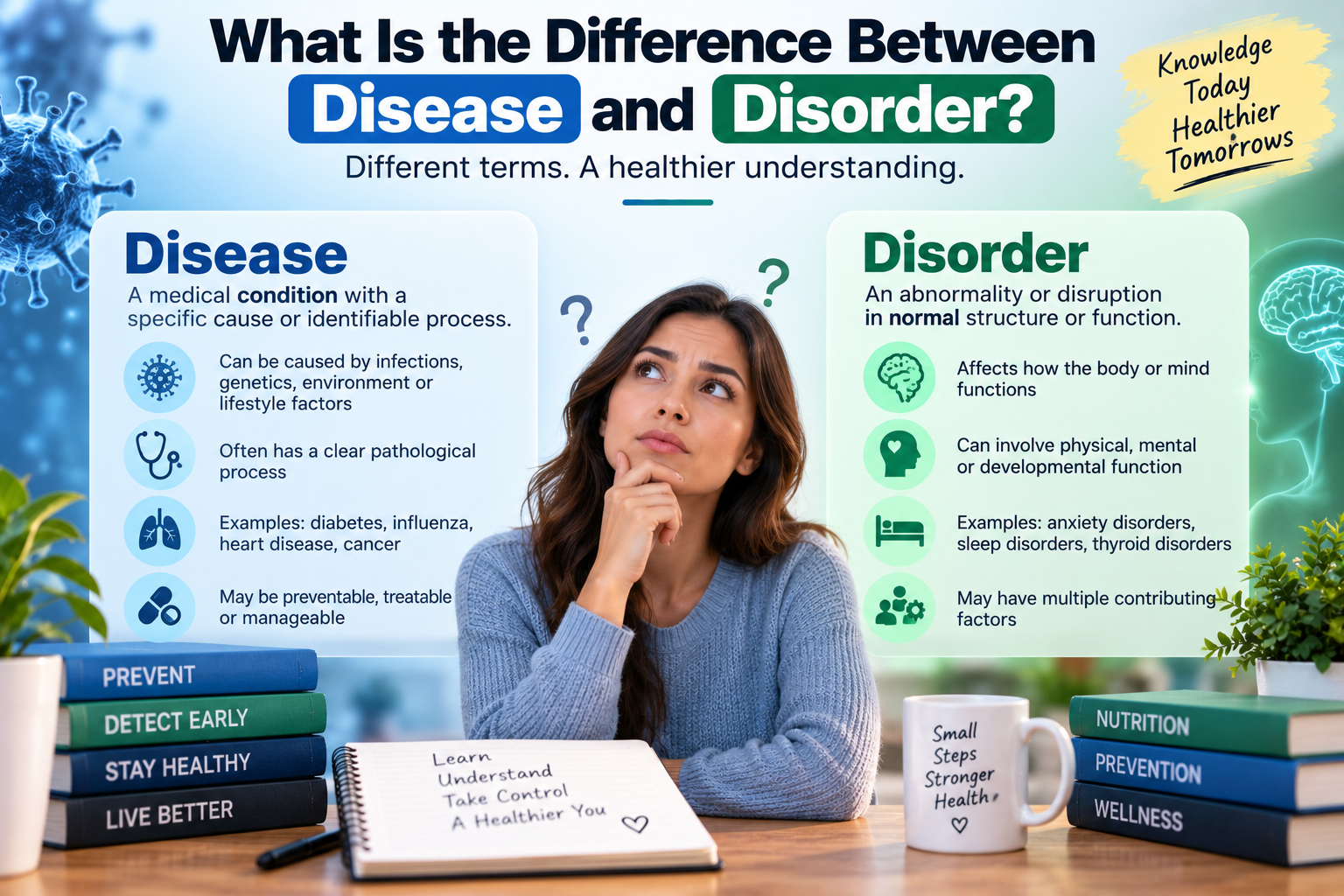
What Is the Difference Between Disease and Disorder
Understanding the distinction can make health information easier to interpret and help explain why doctors sometimes use one term rather than the other.
Read article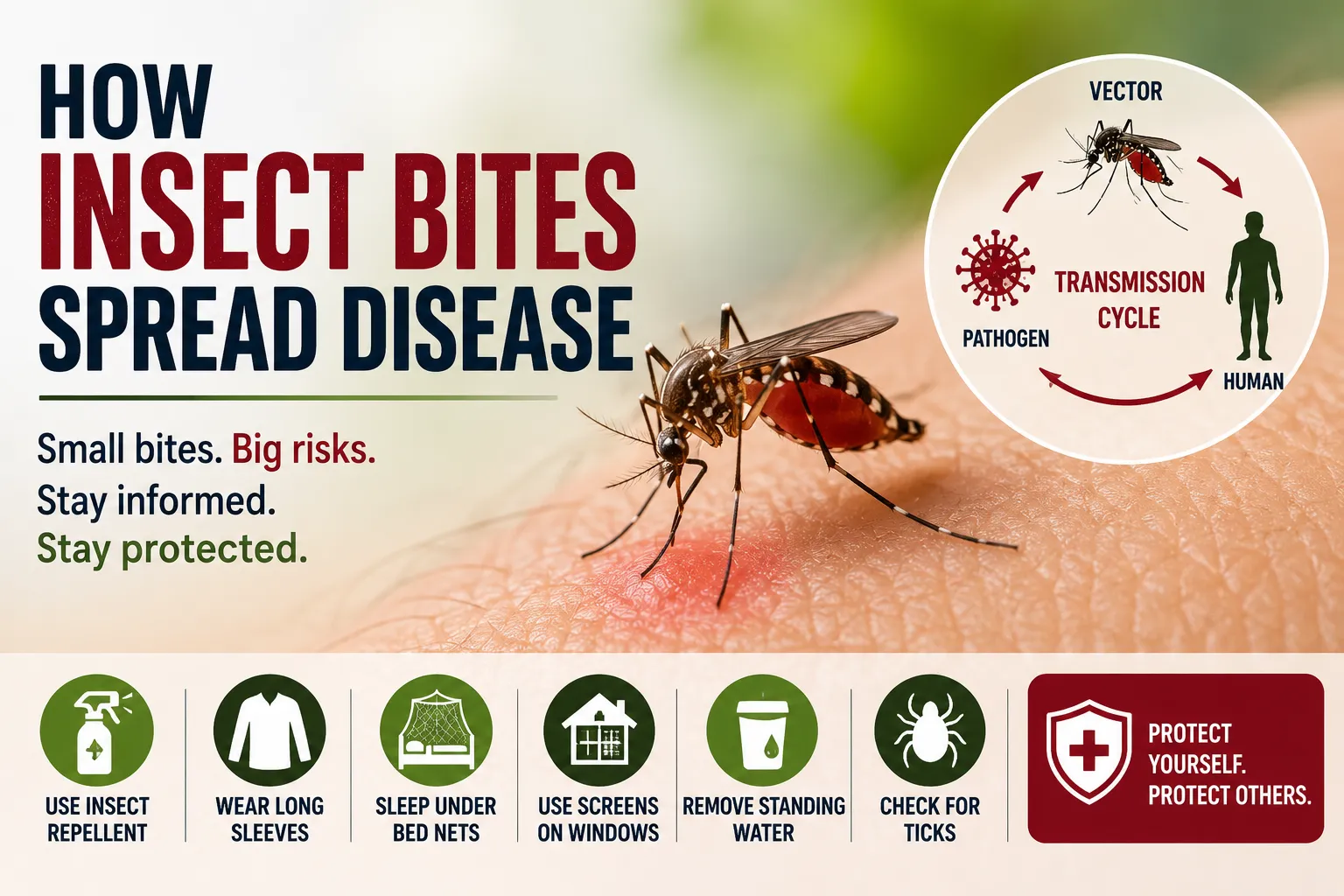
How Insect Bites Spread Disease
Understanding how insect bites spread disease can help people recognize risks and take practical steps to reduce exposure.
Read article

Join 10,000+ Readers Building Healthier Habits
Get actionable wellness tips every week plus our newest articles delivered straight to your inbox.