What Is the Difference Between Disease and Disorder?
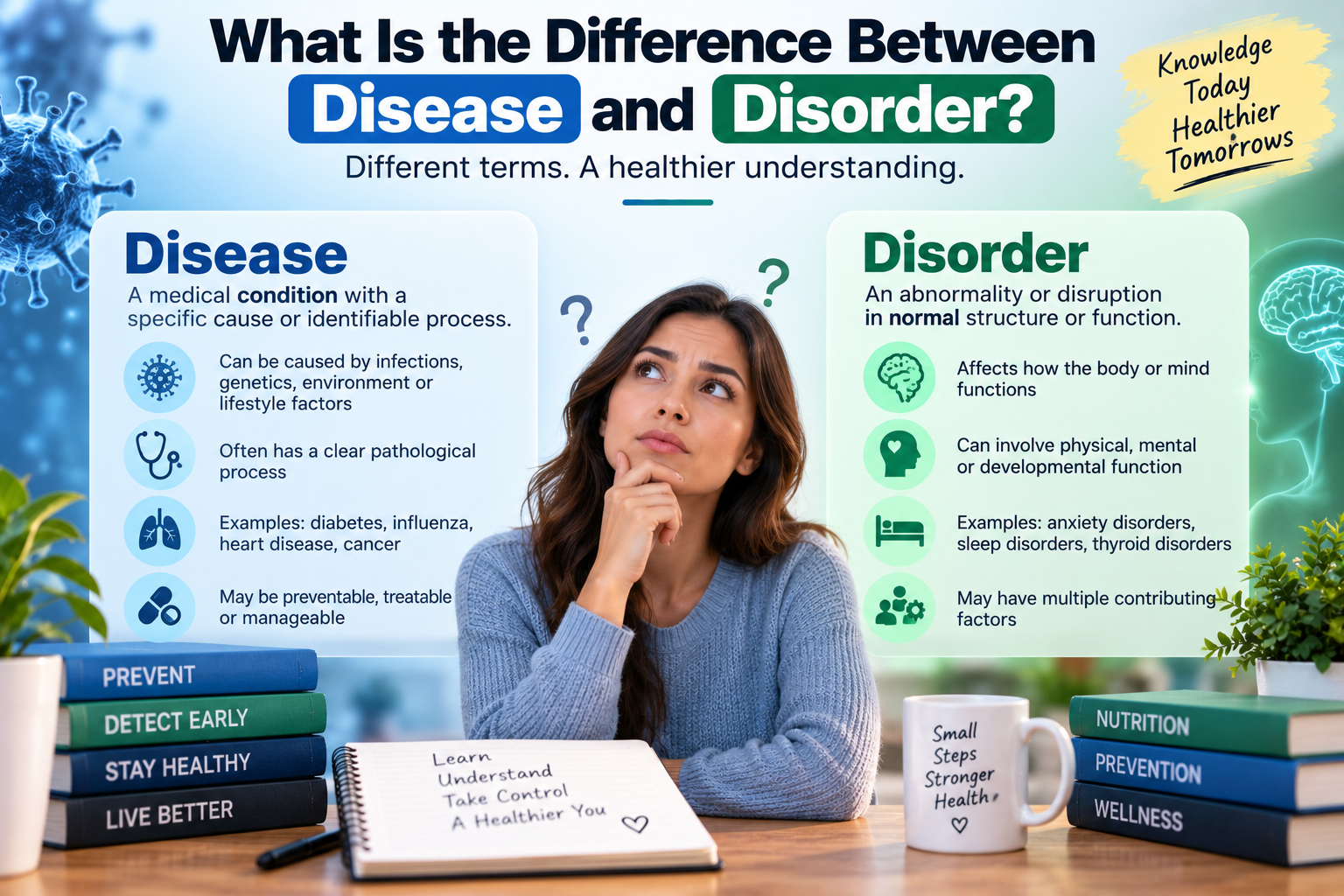
The terms disease and disorder are often used interchangeably in everyday conversation, but they can have different meanings in medicine. Both describe conditions that can affect how the body or mind functions, yet the underlying causes, patterns, and ways they are diagnosed may differ.
Understanding the distinction can make health information easier to interpret and help explain why doctors sometimes use one term rather than the other.
What Is a Disease?
A disease is generally understood as a condition that disrupts normal bodily or physiological functioning and has identifiable features, causes, or patterns.
Diseases can affect virtually any part of the body. They may result from infections, genetic changes, environmental exposures, immune-system problems, nutritional deficiencies, abnormal cell growth, or a combination of factors.
Examples include:
- Diabetes
- Influenza
- Tuberculosis
- Heart disease
- Kidney disease
- Certain cancers
- Parkinson’s disease
- Malaria
Some diseases are short-term and resolve with treatment or as the body recovers. Others are chronic and require long-term management.
Diseases can also vary significantly in severity. A condition may produce mild symptoms in one person while causing serious complications in another.
What Is a Disorder?
A disorder generally refers to an abnormal condition or disturbance that affects the normal structure or function of the body or mind.
The term is particularly common when describing problems involving a specific system or function.
Examples include:
- Anxiety disorders
- Sleep disorders
- Eating disorders
- Thyroid disorders
- Blood disorders
- Neurological disorders
- Developmental disorders
A disorder does not necessarily have a single identifiable cause. It may result from genetic, biological, psychological, environmental, or developmental factors.
In some cases, the word emphasizes that a particular process or system is functioning differently rather than pointing to a specific disease-causing agent.
Disease vs. Disorder: Is There a Clear Medical Divide?
There is no universal boundary separating every disease from every disorder.
Medical terminology has developed over many years, and different specialties may use these words somewhat differently. Some conditions can reasonably be described using both terms.
For example, a particular abnormality might be considered a disorder because it involves disrupted function while also being part of a recognized disease process.
This is why attempting to classify every health condition into a strict “disease” or “disorder” category can be misleading.
The more important question is usually what is happening in the body, why it is happening, and how it affects health.
The Difference Often Comes Down to What the Term Emphasizes
Although the terms overlap, there is a useful general distinction.
Disease often emphasizes a pathological condition or a recognizable illness affecting the body.
Disorder often emphasizes an abnormality or disruption in normal structure or function.
This is not an absolute rule, but it can help explain why healthcare professionals use different terminology for different conditions.
The distinction becomes particularly useful when discussing conditions involving mental health, neurological function, development, sleep, metabolism, or specific body systems.
What Causes Diseases and Disorders?
There is rarely one universal cause.
Health conditions can develop through interactions between genetics, biology, behavior, environment, infections, aging, and other factors.
Some conditions have a strong genetic component. Others are primarily caused by infectious organisms. Many chronic conditions develop through a combination of inherited susceptibility and long-term environmental or lifestyle influences.
Potential contributing factors include:
- Genetic mutations or inherited traits
- Viruses, bacteria, fungi, and parasites
- Immune-system abnormalities
- Hormonal changes
- Nutritional deficiencies
- Physical injuries
- Environmental toxins
- Tobacco exposure
- Excessive alcohol consumption
- Poor sleep
- Physical inactivity
- Long-term exposure to certain occupational hazards
- Aging
- Psychological and social factors
The interaction between these factors can be complicated, which is why two people with similar lifestyles may not develop the same condition.
Acute and Chronic Conditions
Another important way to understand health conditions is by looking at how long they last.
Acute Conditions
Acute conditions generally develop suddenly and may last for a relatively short period.
Examples can include certain infections, injuries, allergic reactions, and episodes of acute inflammation.
An acute condition may be mild, severe, or potentially life-threatening depending on its cause.
Chronic Conditions
Chronic conditions usually persist for a long period and may require ongoing management.
Examples include:
- Diabetes
- Asthma
- Arthritis
- Hypertension
- Chronic kidney disease
- Heart disease
- Some neurological conditions
Some chronic conditions can be controlled effectively with treatment and lifestyle changes even when they cannot currently be cured.
For a broader overview, the Complete Guide to Common Health Conditions provides additional context on conditions people commonly encounter.
Infectious Diseases Are Different From Many Disorders
Infectious diseases are caused by pathogens such as viruses, bacteria, fungi, or parasites.
These organisms can enter the body, reproduce, damage tissues, trigger immune responses, and sometimes spread from one person to another.
Examples include influenza, tuberculosis, malaria, and many gastrointestinal infections.
Not every disease is infectious, however.
Heart disease, many cancers, diabetes, and numerous neurological conditions are not caused by infectious organisms and generally cannot be transmitted between people.
Disorders Can Affect Physical or Mental Function
The word “disorder” is particularly common when discussing conditions involving function.
A sleep disorder, for example, can interfere with the normal sleep-wake cycle. An anxiety disorder can involve persistent patterns of excessive fear or worry that interfere with everyday life.
Neurological disorders may affect movement, sensation, memory, communication, or other aspects of nervous-system function.
Developmental disorders can affect how certain skills or abilities emerge over time.
Using the term disorder does not mean a condition is less serious than a disease. Some disorders can substantially affect quality of life and require extensive medical or psychological care.
Symptoms Are Not the Same as a Disease or Disorder
It is also important to distinguish a symptom from a condition.
A symptom is something a person experiences or notices, such as:
- Pain
- Fatigue
- Dizziness
- Shortness of breath
- Headache
- Nausea
- Difficulty concentrating
- Changes in appetite
A disease or disorder is the underlying condition that may be responsible for those symptoms.
The same symptom can have many different causes. Fatigue, for example, can occur with inadequate sleep, infections, anemia, medication effects, psychological stress, endocrine conditions, or numerous other problems.
That is why a symptom alone does not establish a diagnosis.
How Diseases and Disorders Are Diagnosed
Diagnosis generally involves putting multiple pieces of information together.
A healthcare professional may consider:
- Medical history
- Symptoms and their duration
- Family history
- Physical examination
- Laboratory tests
- Imaging
- Genetic testing when appropriate
- Specialist assessments
- Response to certain treatments when clinically useful
The tests used depend heavily on the suspected condition.
A doctor investigating an infection may use cultures, blood tests, or molecular testing, while a suspected structural problem may require imaging.
Some disorders require specialized assessments of physical, neurological, psychological, behavioral, or developmental function.
Why Early Identification Matters
Recognizing a disease or disorder early can sometimes make treatment easier and reduce the risk of complications.
Early identification is particularly important for chronic diseases because some can cause damage gradually before obvious symptoms become severe.
For example, high blood pressure and some metabolic conditions can remain unnoticed for years.
Knowing the early warning signs of chronic disease can help people recognize changes that deserve medical attention.
However, early detection does not mean every symptom requires extensive testing. Screening and diagnostic evaluation are different processes, and appropriate screening depends on factors such as age, risk, family history, and medical guidance.
Risk Factors Can Increase the Chances of Disease
A risk factor is something associated with a greater likelihood of developing a particular health condition.
Risk factors can be:
- Modifiable, meaning they can potentially be changed
- Non-modifiable, meaning they generally cannot be changed
Smoking is an example of a modifiable risk factor, while age and certain inherited characteristics are generally non-modifiable.
Other factors can include diet, physical activity, alcohol consumption, environmental exposures, family history, socioeconomic circumstances, and existing health conditions.
Understanding major risk factors for disease can help people focus prevention efforts where they are most useful.
Having a risk factor does not guarantee that someone will develop a disease. Likewise, a person without obvious risk factors can still become ill.
Disease Prevention and Risk Reduction
Prevention focuses on reducing the likelihood of developing disease or detecting problems before they cause significant harm.
Depending on the condition, prevention may involve:
- Eating a balanced diet
- Staying physically active
- Avoiding tobacco
- Limiting excessive alcohol consumption
- Maintaining healthy sleep habits
- Keeping vaccinations up to date
- Managing existing health conditions
- Following recommended screening schedules
- Practicing appropriate infection-control measures
- Reducing exposure to known environmental hazards
The specific approach depends on the disease and the individual’s circumstances.
The principles behind how disease prevention works and how to reduce health risks provide a useful framework for understanding these strategies.
Can a Disorder Become a Disease?
The relationship is not always that straightforward.
A disorder can contribute to complications or become part of a broader disease process, but it is not accurate to assume that every disorder inevitably develops into a disease.
Similarly, some diseases involve multiple disorders or functional abnormalities.
Medical terminology often reflects how researchers and clinicians understand a condition rather than representing a simple progression from one category to another.
Can Someone Have More Than One Condition?
Yes.
A person can have multiple diseases or disorders at the same time. This is sometimes described as comorbidity or having coexisting conditions.
For example, someone may have diabetes and hypertension, or a person may have a physical health condition alongside a mental health disorder.
Conditions can sometimes influence one another, making diagnosis and treatment more complicated.
This is one reason healthcare professionals consider the person’s overall health rather than treating every symptom as an isolated problem.
Why Medical Terminology Changes Over Time
Medical knowledge continues to evolve.
Conditions that were once poorly understood may eventually receive more precise definitions as researchers learn about their biological mechanisms, genetic influences, symptoms, and long-term outcomes.
Diagnostic criteria can also change as evidence improves.
This means the terminology used for a particular condition today may not be identical to terminology used decades ago.
The changing language does not necessarily mean that previous patients were misdiagnosed. In many cases, it reflects improved understanding and more precise classification.
When Should You Seek Medical Advice?
Persistent, severe, unusual, or worsening symptoms deserve appropriate medical attention.
Urgent care may be necessary when symptoms suggest a potentially serious problem, such as severe difficulty breathing, sudden weakness, loss of consciousness, severe chest pain, major bleeding, or other sudden and concerning changes.
For less urgent symptoms, a routine medical appointment can help determine whether further evaluation is appropriate.
Trying to identify a disease or disorder from symptoms alone can be unreliable because many different conditions can produce similar complaints.
Understanding the Terminology Can Make Health Information Clearer
The difference between disease and disorder is real in some contexts but not absolute.
A disease generally refers to a pathological condition that disrupts normal functioning, while a disorder often describes an abnormal disturbance of structure or function. However, the terms overlap considerably, and their precise use depends on medical specialty, diagnostic definitions, and the condition being discussed.
For patients, the label itself is usually less important than understanding what the condition means, what may have caused it, how it is diagnosed, what complications are possible, and what treatment or prevention strategies are available.
Knowing how these terms are used can make medical information easier to understand—and can help people have more informed conversations with healthcare professionals about their health.
Continue Reading
Similar Posts
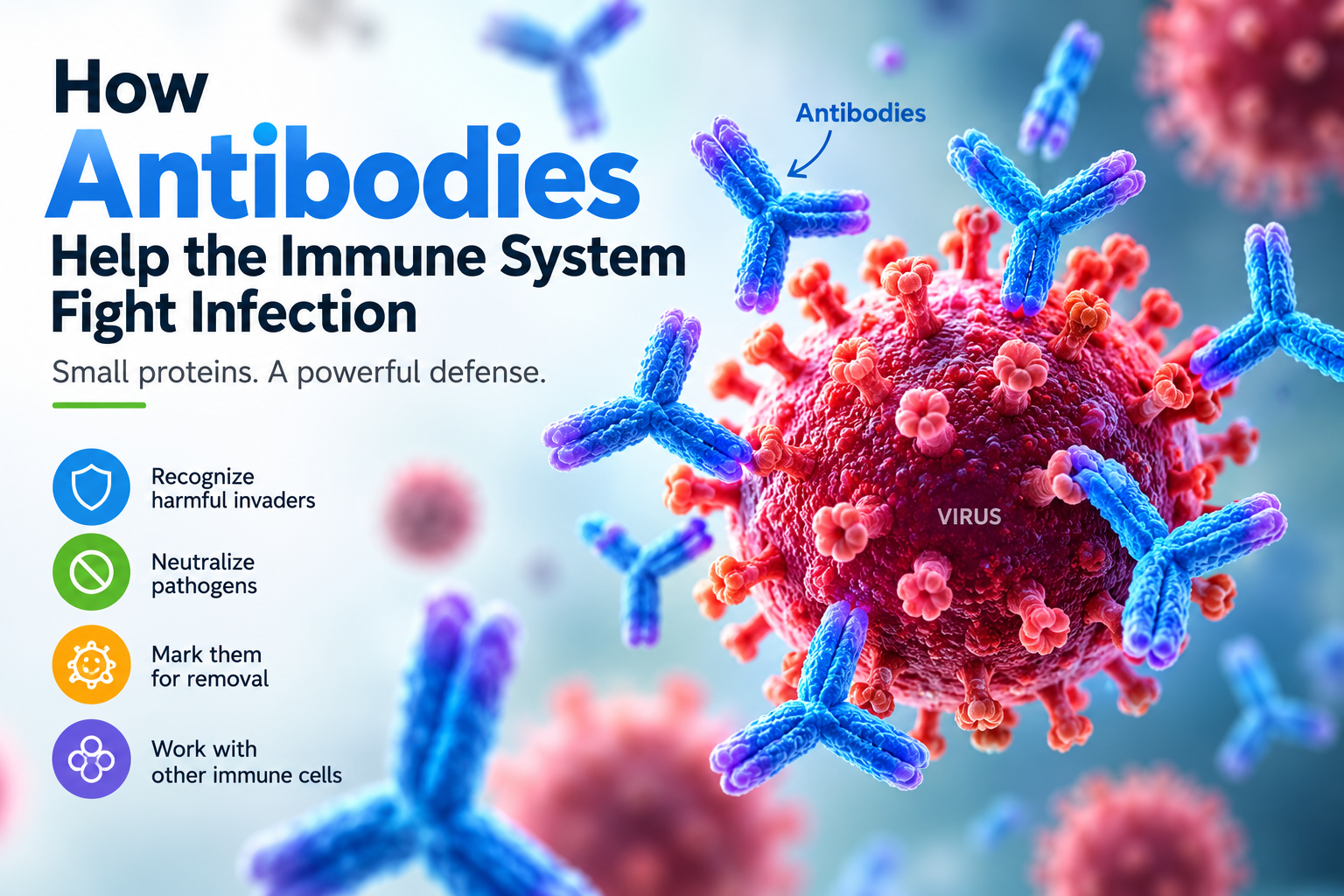
How Antibodies Help the Immune System Fight Infection
Understanding how antibodies work provides a clearer picture of why people develop immunity after certain infections or vaccinations and why the immune system can respond more effectively when it encounters a familiar pathogen again.
Read article
Why Blood Pressure Matters for Long-Term Health
Understanding why blood pressure matters can make it easier to recognize the importance of routine screening, healthy habits and appropriate treatment.
Read article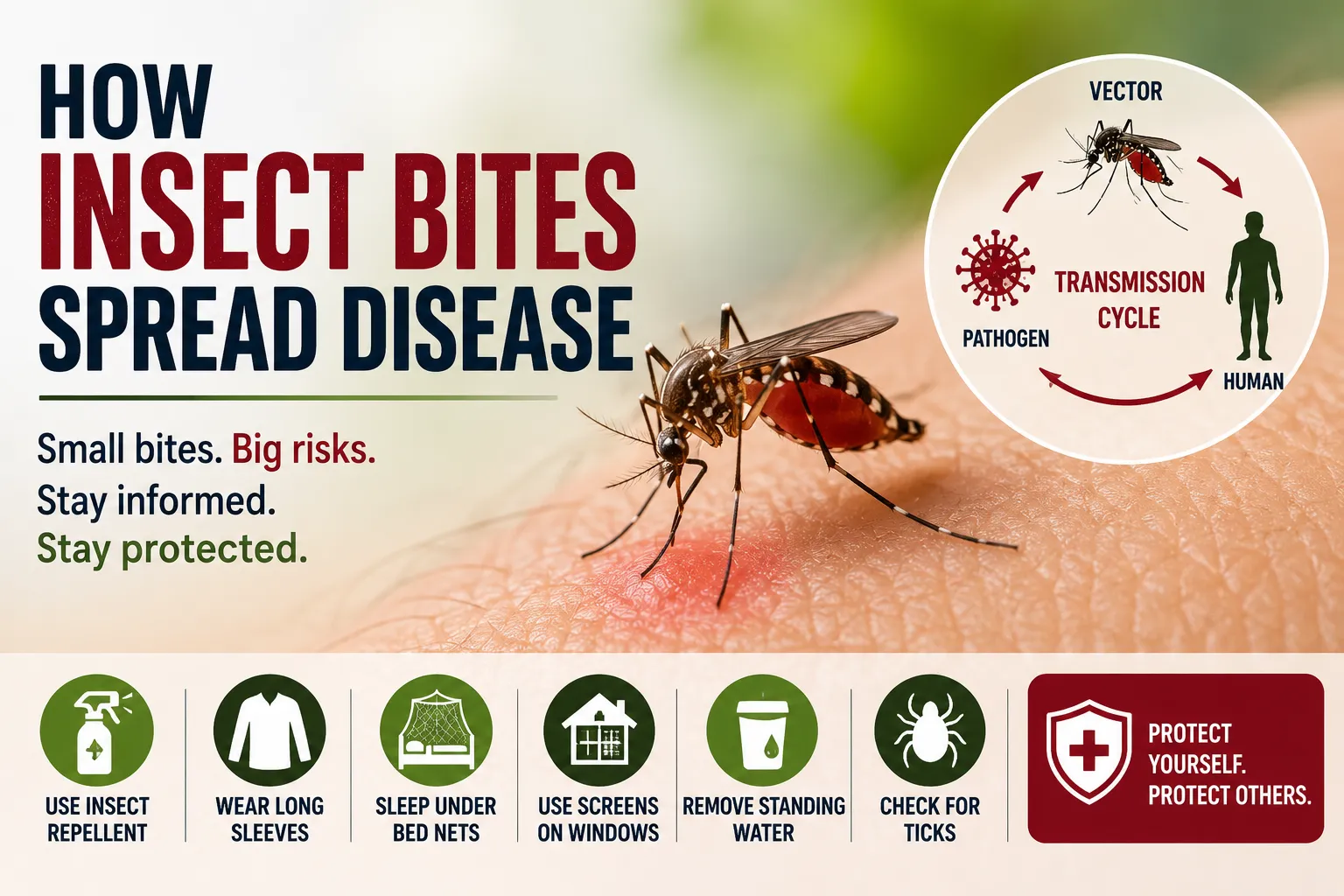
How Insect Bites Spread Disease
Understanding how insect bites spread disease can help people recognize risks and take practical steps to reduce exposure.
Read article

Join 10,000+ Readers Building Healthier Habits
Get actionable wellness tips every week plus our newest articles delivered straight to your inbox.