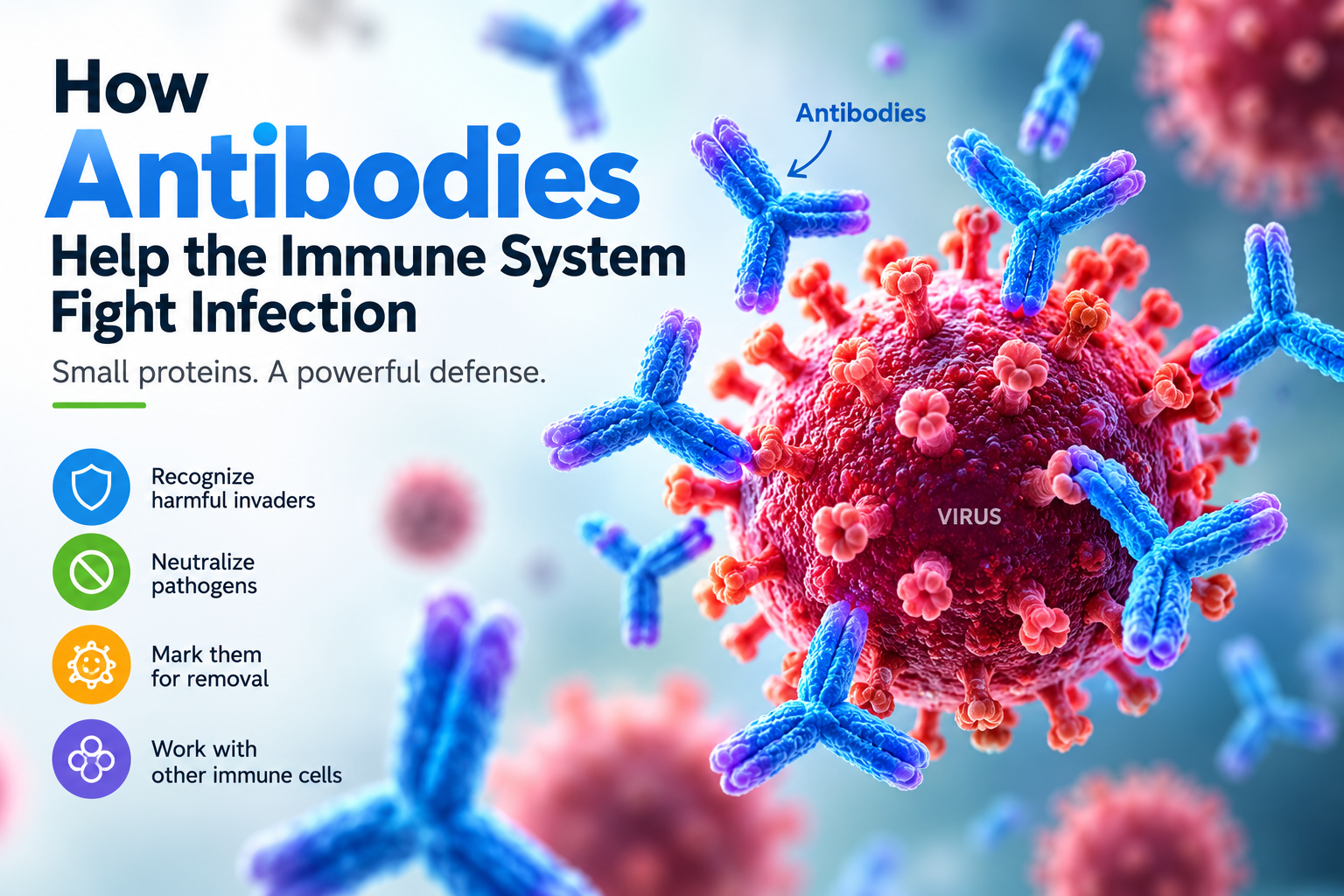

How Antibodies Help the Immune System Fight Infection
When harmful viruses, bacteria, and other microorganisms enter the body, the immune system has to identify them, respond to the threat, and prevent the infection from spreading. Antibodies play an important role in this process.
These specialized proteins help the immune system recognize specific foreign substances and can interfere with pathogens in several ways. They also help other immune cells locate and remove threats from the body.
Understanding how antibodies work provides a clearer picture of why people develop immunity after certain infections or vaccinations and why the immune system can respond more effectively when it encounters a familiar pathogen again.
What Are Antibodies?
Antibodies are proteins produced by specialized immune cells called B cells. They are part of the adaptive immune system, which develops targeted responses to particular foreign substances known as antigens.
An antigen can be a molecule found on the surface of a virus, bacterium, parasite, or other substance that the immune system recognizes as foreign.
Each antibody has a structure that allows it to bind to a particular antigen. This specificity means that an antibody designed to recognize one pathogen does not necessarily recognize another.
The relationship can be compared to a biological matching system. When an antibody encounters the antigen it is designed to recognize, it can attach to it and help trigger processes that contribute to eliminating the threat.
For a broader explanation of how antibodies fit into the body’s defenses, the Immune System Guide provides useful context about the different components of immune protection.
How the Body Produces Antibodies
Antibody production begins when the immune system encounters an antigen.
B cells carry receptors that can recognize specific antigens. When the appropriate B cell is activated, it can develop into plasma cells, which produce large quantities of antibodies.
Some activated B cells also become memory B cells. These cells can remain in the body for an extended period and help the immune system respond more quickly if the same or a similar pathogen is encountered again.
This process is one reason adaptive immunity can become more effective after previous exposure to a particular infectious agent.
How Antibodies Recognize Pathogens
Antibodies are highly specific. Their structure contains regions that bind to particular parts of an antigen.
For example, an antibody may recognize a protein located on the surface of a virus. Once it binds to that target, it can interfere with the pathogen or mark it for removal.
The immune system does not produce one universal antibody that works against every infection. Instead, it develops many different antibodies, each capable of recognizing particular molecular targets.
This specificity is one of the defining features of adaptive immunity.
Antibodies Can Neutralize Pathogens
One of the most important things antibodies can do is neutralization.
When antibodies bind to certain parts of a virus or bacterial toxin, they may prevent that pathogen or toxin from interacting normally with cells.
For viruses, antibodies can sometimes block structures that the virus needs to attach to or enter host cells. This can reduce the virus’s ability to infect additional cells.
Antibodies can also neutralize toxins produced by certain bacteria, preventing those toxins from interacting with their intended targets.
Neutralization does not necessarily destroy the pathogen immediately. Instead, it can prevent the pathogen from carrying out important functions while other parts of the immune system help remove it.
Antibodies Help Mark Pathogens for Destruction
Antibodies can also act as biological markers.
After an antibody attaches to a pathogen, immune cells may recognize the antibody and use it as a signal that the target should be engulfed and removed.
This process is called opsonization.
Immune cells such as macrophages and neutrophils can recognize antibody-coated targets through receptors on their surfaces. They can then engulf and help break down those targets.
In this way, antibodies can connect the highly specific recognition abilities of the adaptive immune system with the pathogen-clearing activities of other immune cells.
Antibodies Can Activate Complement
Some antibodies can also help activate a group of proteins known collectively as the complement system.
Complement proteins circulate in the blood and tissues and participate in several immune processes. When activated, they can contribute to inflammation, attract immune cells, improve pathogen recognition, and in certain circumstances damage the membranes of susceptible microorganisms.
Antibodies can therefore help recruit additional components of the immune response after recognizing a particular pathogen.
This illustrates an important feature of immunity: different defense mechanisms do not work independently. They often cooperate to control and eliminate infections.
Different Types of Antibodies Have Different Roles
The body produces several major classes of antibodies, each with different characteristics and functions.
IgM
Immunoglobulin M (IgM) is often produced early during an immune response. It is particularly effective at activating the complement system and can contribute to the initial defense against newly encountered pathogens.
IgG
Immunoglobulin G (IgG) is the most abundant antibody class in the blood. It plays an important role in long-term immune protection and can help neutralize pathogens, promote their removal, and activate other immune mechanisms.
IgG can also cross the placenta during pregnancy, providing a developing fetus with temporary passive protection from certain infections.
IgA
Immunoglobulin A (IgA) is particularly important at mucosal surfaces, including areas such as the respiratory and digestive tracts.
It can help prevent pathogens from attaching to and entering tissues at these exposed surfaces.
IgE
Immunoglobulin E (IgE) is associated with responses involving certain parasites and also plays a major role in allergic reactions.
IgD
Immunoglobulin D (IgD) is found primarily on the surface of certain B cells, where it participates in B-cell activation and immune recognition.
Each antibody class contributes to immune function in a different way.
Antibodies and Immune Memory
One of the most valuable features of the adaptive immune system is its ability to remember previous encounters.
After an immune response, some B cells become memory cells. If the same pathogen enters the body later, these cells can respond more rapidly than they did during the initial exposure.
A subsequent immune response may therefore be faster and stronger.
However, immune memory is not always permanent or equally effective against every pathogen. Some microorganisms change their surface structures over time, while antibody levels can decline after an infection or vaccination.
The degree and duration of protection can therefore vary depending on the pathogen, the person’s immune response, and other factors.
How Vaccination Uses Antibody Responses
Vaccines are designed to train the immune system to recognize particular infectious agents without requiring the person to experience the disease in the usual way.
Depending on the vaccine, the immune system is exposed to an antigen or genetic instructions that allow cells to produce an antigen. This stimulates an adaptive immune response, which can include antibody production and the development of immune memory.
If the person later encounters the actual pathogen, the immune system may recognize it more quickly.
For a broader explanation of this process, How Vaccines Help Prevent Infectious Diseases explains how vaccination prepares the immune system to respond to infectious threats.
Antibodies Do Not Work Alone
It can be tempting to think of antibodies as the immune system’s primary defense against every infection, but immune protection is much more complicated.
The body uses multiple layers of defense.
Physical barriers such as the skin and mucous membranes can prevent pathogens from entering. Innate immune mechanisms respond rapidly to suspicious organisms and damaged cells. Adaptive immune cells then provide highly targeted responses involving antibodies and specialized T cells.
Antibodies are therefore one part of a larger network.
This cooperation is particularly important because some pathogens can enter cells where circulating antibodies have limited access. In these situations, other immune mechanisms, including cellular immune responses, become important.
What Happens When Antibodies Encounter a Virus?
The exact response depends on the virus and the antibodies involved, but several things can happen.
Antibodies may attach to viral particles and prevent them from entering susceptible cells. Other antibodies can coat viral particles and make them easier for immune cells to identify and remove.
Complement may also become involved in some antibody-mediated responses.
Meanwhile, infected cells can trigger additional immune defenses, including responses involving T cells and inflammatory signaling molecules.
The combined response helps limit viral replication and clear infected material.
What Happens With Bacterial Infections?
Antibodies can also help fight bacterial infections.
They may attach to bacterial surfaces and interfere with processes required for infection. They can also make bacteria easier for immune cells to recognize and engulf.
Some antibodies target bacterial toxins rather than the bacteria themselves. Neutralizing these toxins can reduce the damage they cause while other immune defenses work against the underlying infection.
However, bacterial infections differ considerably from one another, so antibody responses are not equally effective against every species or strain.
Why Some Infections Are Difficult for the Immune System
Pathogens have evolved numerous ways to avoid immune detection or interfere with immune responses.
Some viruses mutate rapidly, changing the structures that antibodies recognize. Certain microorganisms can hide within cells or tissues. Others have protective structures that make them more difficult for immune cells to eliminate.
This is one reason previous exposure does not always provide complete lifelong protection against every infectious disease.
It also explains why immune protection should not be viewed as a simple yes-or-no condition. Protection can vary in strength, duration, and effectiveness against different strains.
Antibody Tests and What They Can Tell Us
Laboratory tests can sometimes detect antibodies in a person’s blood.
These tests may be used to determine whether the immune system has previously responded to a particular pathogen or, in some circumstances, to help investigate a medical condition.
However, detecting antibodies does not always mean that someone is currently infected or fully protected against future infection. The interpretation depends on the specific antibody being measured, the timing of the test, the pathogen, and the person’s circumstances.
Medical professionals therefore interpret antibody test results alongside symptoms, medical history, and other laboratory findings when appropriate.
Supporting the Immune System
A healthy immune system depends on many aspects of overall health. Adequate nutrition, regular physical activity, sufficient sleep, stress management, and appropriate preventive healthcare can all contribute to general well-being and normal immune function.
However, healthy habits should not be viewed as a substitute for medical treatment, vaccination, or other evidence-based measures when those interventions are appropriate.
Preventing exposure to infectious pathogens is also an important part of protecting health. Basic measures such as hand hygiene, appropriate food safety, staying home when ill, and following recommended vaccination schedules can reduce the likelihood of infection.
The Guide to Infectious Disease Prevention explores these preventive measures in greater detail.
When Antibodies Are Not Enough
Although antibodies can be extremely effective, they cannot prevent or eliminate every infection on their own.
The immune response can be affected by factors such as age, certain medical conditions, medications, nutritional status, and the characteristics of the infectious organism.
Some infections also require medical treatment because the immune response alone may not be sufficient to control the disease.
Anyone experiencing concerning, persistent, or severe symptoms should seek appropriate medical advice rather than relying on assumptions about their antibody protection.
For broader health information, the Complete Guide to Common Health Conditions provides an overview of conditions that can affect health and the importance of understanding their symptoms and treatment needs.
The Bigger Picture of Antibody Protection
Antibodies are remarkable because they combine specific recognition with coordinated immune defense. They can identify molecular features of pathogens, block their activity, mark them for destruction, and help activate other immune mechanisms.
Their importance goes beyond a single infection. Antibody responses and immune memory help explain how the body can become better prepared after exposure to certain pathogens and why vaccination can provide protection against infectious diseases.
At the same time, antibodies are only one component of the immune system. Effective protection depends on the interaction between physical barriers, innate defenses, antibodies, immune cells, and other biological processes.
Understanding this cooperation makes it easier to see why preventing infection, maintaining general health, and using appropriate medical interventions are all important parts of protecting the body from infectious disease.
Continue Reading
Similar Posts
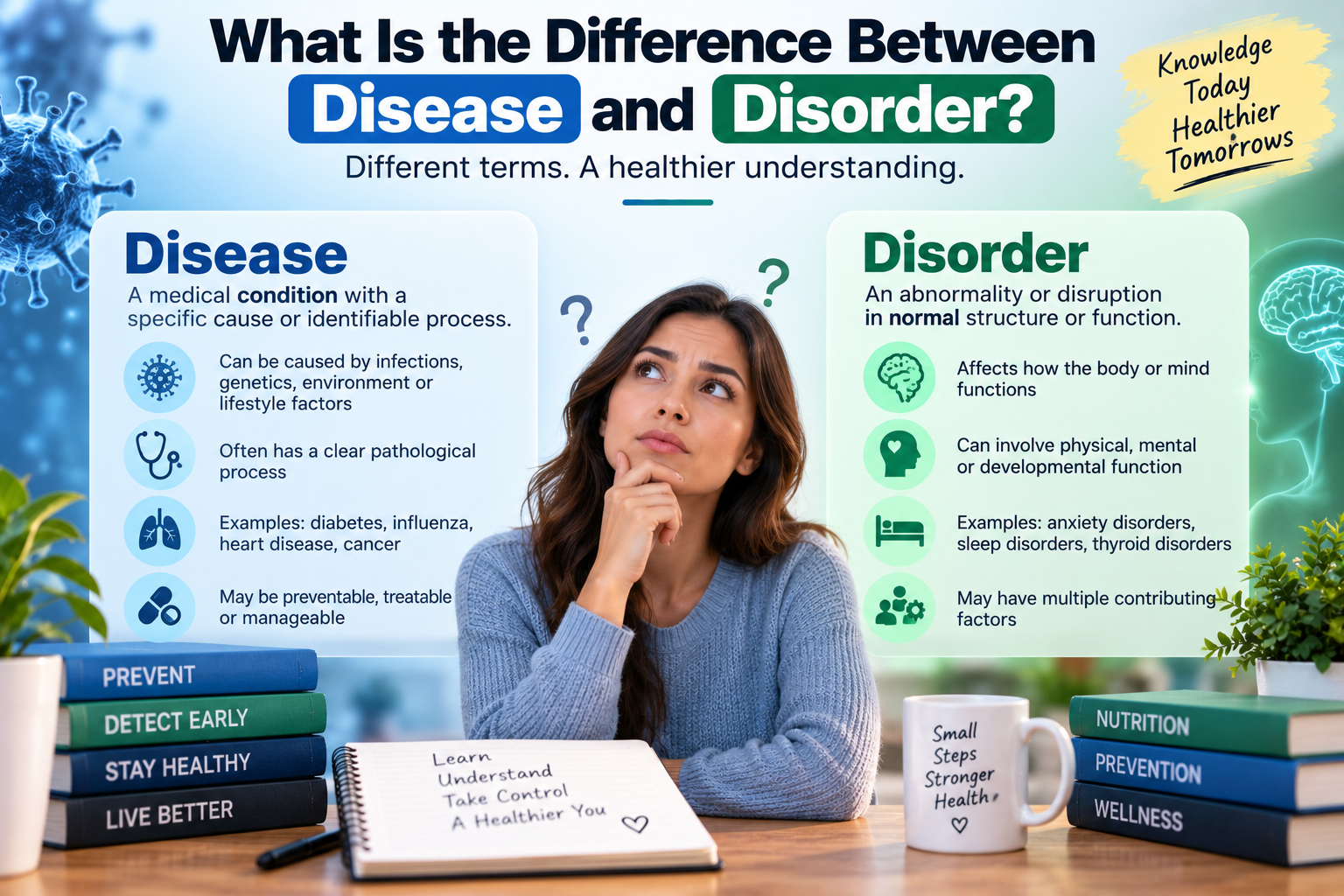
What Is the Difference Between Disease and Disorder
Understanding the distinction can make health information easier to interpret and help explain why doctors sometimes use one term rather than the other.
Read article
Why Blood Pressure Matters for Long-Term Health
Understanding why blood pressure matters can make it easier to recognize the importance of routine screening, healthy habits and appropriate treatment.
Read article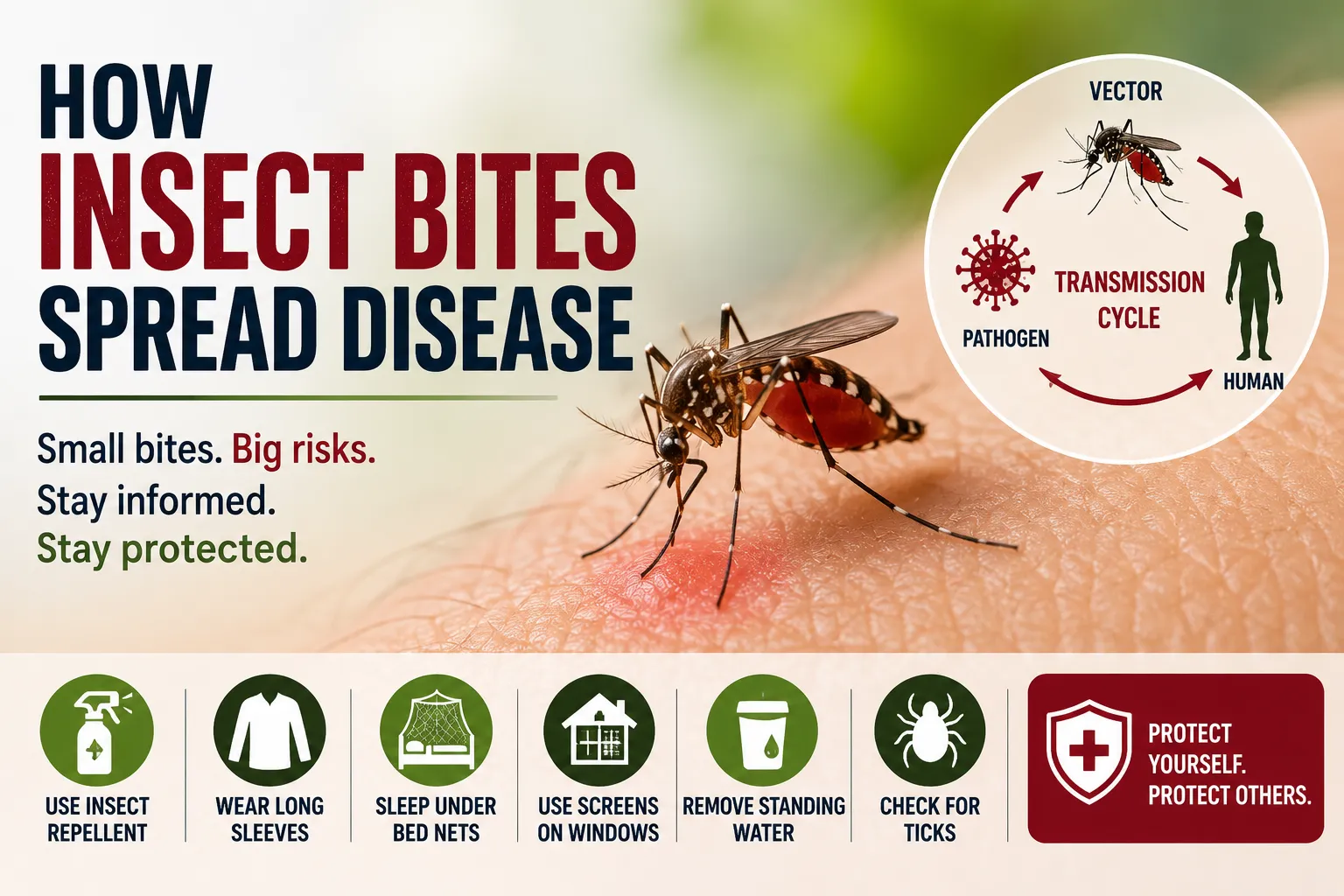
How Insect Bites Spread Disease
Understanding how insect bites spread disease can help people recognize risks and take practical steps to reduce exposure.
Read article

Join 10,000+ Readers Building Healthier Habits
Get actionable wellness tips every week plus our newest articles delivered straight to your inbox.