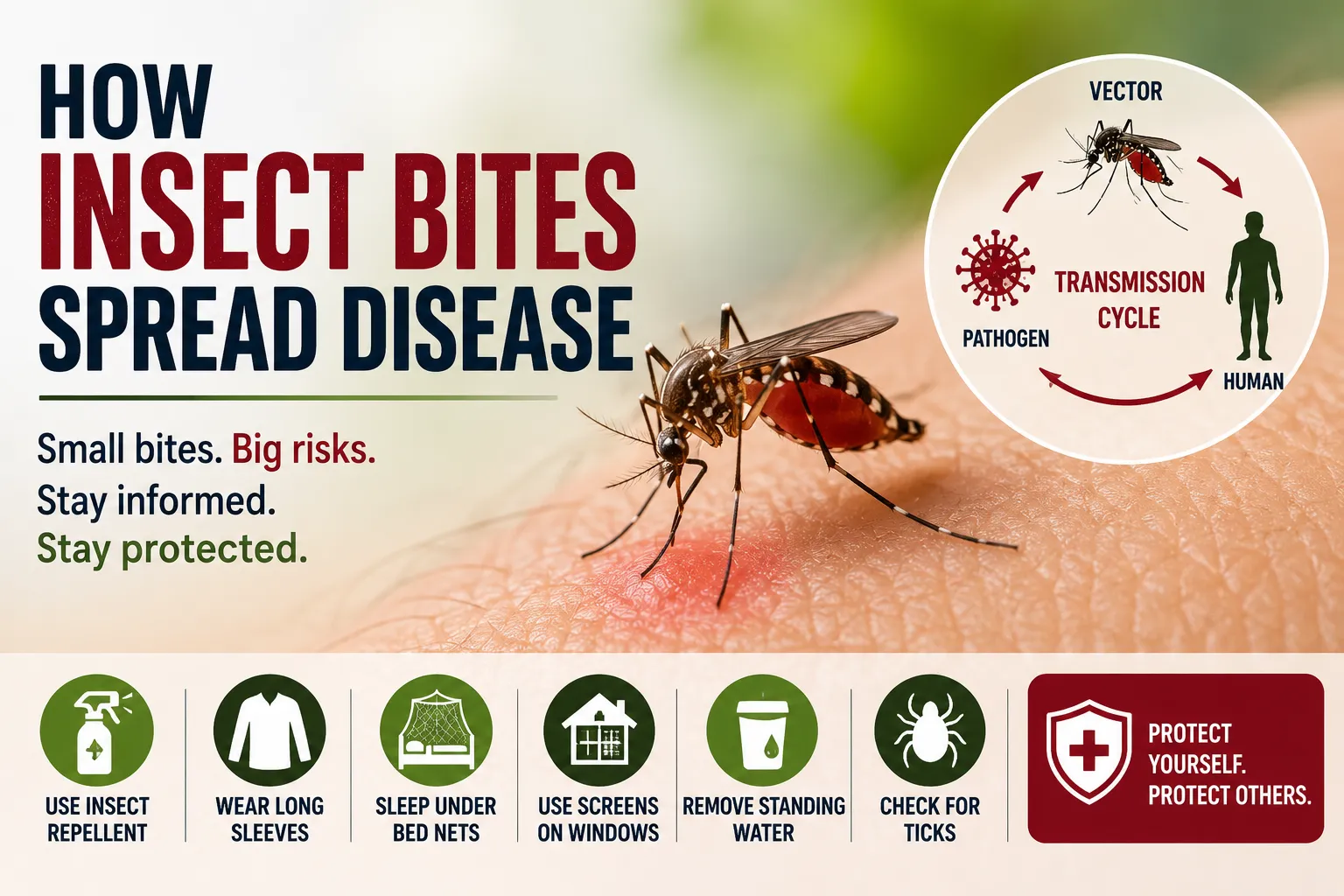

How Insect Bites Spread Disease
A small insect bite can sometimes have consequences far beyond a temporary itch or swollen patch of skin. Mosquitoes, ticks, fleas, biting flies and other arthropods can transmit microorganisms that cause disease when they feed on people or animals.
These insects and related organisms are known as vectors when they carry and transmit infectious agents. Their role in disease transmission helps explain why illnesses such as malaria, dengue, Lyme disease and West Nile virus can spread through populations even though the insects themselves may not appear sick.
Understanding how insect bites spread disease can help people recognize risks and take practical steps to reduce exposure. It is also an important part of the broader guide to infectious disease prevention.
What Is a Disease Vector?
A vector is a living organism capable of transmitting an infectious agent from one host to another.
Many important disease vectors are arthropods, including:
- Mosquitoes
- Ticks
- Fleas
- Lice
- Sand flies
- Blackflies
- Certain biting flies
The infectious agent may be a virus, bacterium, parasite or other microorganism.
The vector does not necessarily become seriously ill from carrying the pathogen. Instead, it can acquire the infectious agent from one host and later transmit it to another while feeding.
How Does an Insect Become Infected?
Disease transmission often begins when a vector feeds on an infected person or animal.
For example, a mosquito may bite a person carrying a pathogen in their blood. If the pathogen is capable of infecting that mosquito, it can enter the insect during feeding.
The microorganism may then survive or multiply inside the vector.
Afterward, when the infected mosquito bites another susceptible person, the pathogen can be introduced into the new host.
This creates a chain of transmission.
Mosquitoes Are Major Disease Vectors
Mosquitoes are among the best-known disease-carrying insects.
Different mosquito species can transmit different pathogens, and not every mosquito species spreads the same diseases.
Depending on the species and region, mosquitoes can transmit diseases including:
- Malaria
- Dengue
- Yellow fever
- West Nile virus
- Chikungunya
- Zika virus
- Japanese encephalitis
The risk varies substantially between countries and even between nearby communities.
A mosquito bite itself does not automatically mean that a person has been exposed to a disease. Transmission depends on whether the mosquito is carrying an infectious pathogen and whether the conditions allow transmission to occur.
Why Mosquito Bites Can Transmit Pathogens
When a mosquito feeds, it pierces the skin with specialized mouthparts.
Mosquito saliva helps the insect feed by affecting the local blood-clotting process. If the mosquito is infected, pathogens associated with the saliva can enter the person’s tissues during the bite.
The immune system recognizes the foreign material and responds. Understanding how the immune system protects the body from infectious threats provides useful context for what happens after pathogens enter the body.
The familiar itchy bump that follows many mosquito bites is largely a result of the body’s immune response to substances introduced during feeding.
The itching itself does not mean a disease has been transmitted.
Ticks Spread Disease Differently
Ticks are not insects; they are arachnids related to spiders and mites.
Nevertheless, they are important vectors of several diseases.
Ticks can acquire pathogens while feeding on infected animals. If they later attach to another host, they may transmit those pathogens during feeding.
Depending on the region and tick species, diseases transmitted by ticks can include:
- Lyme disease
- Rocky Mountain spotted fever
- Babesiosis
- Anaplasmosis
- Tick-borne encephalitis
- Ehrlichiosis
Ticks typically remain attached to a host for a much longer period than mosquitoes remain on the skin, which is one reason checking the body after outdoor activities can be useful in areas where tick-borne diseases occur.
Fleas Can Also Carry Disease
Fleas are small, blood-feeding insects that can transmit certain pathogens between animals and people.
Historically, fleas played a major role in the spread of plague. Fleas can acquire the bacterium responsible for plague from infected animals and subsequently transmit it through feeding.
Although plague is uncommon in many parts of the world today, it still occurs naturally in some animal populations.
Flea exposure can also cause allergic reactions and skin irritation even when no infectious disease is transmitted.
Biting Flies Can Spread Infection
Some flies are capable of transmitting disease while feeding on blood.
Examples include certain mosquitoes, tsetse flies, sand flies and blackflies.
Tsetse flies can transmit parasites responsible for African sleeping sickness.
Sand flies can transmit parasites that cause leishmaniasis.
Blackflies are associated with transmission of the parasite that causes onchocerciasis, also known as river blindness.
These diseases are strongly associated with particular geographic regions and vector species.
Not Every Bite Transmits Disease
One of the most important points to understand is that an insect bite does not automatically mean disease transmission.
For transmission to occur, several conditions generally need to align.
The vector must belong to a species capable of carrying the pathogen. It must have acquired the pathogen from an infected host, and the pathogen must remain capable of infecting another host.
The person or animal being bitten must also be susceptible to infection.
Consequently, thousands of insect bites may occur without resulting in a vector-borne disease.
Why Geographic Location Matters
The risk associated with an insect bite depends heavily on location.
Different vectors thrive in different environments, and the pathogens they transmit have their own geographic distributions.
Climate, temperature, rainfall, vegetation, animal populations and human activity can all influence transmission.
For travelers, this means that a bite that would normally be considered relatively low-risk at home may have different implications in another country.
People planning international travel should check current health guidance for their destination and determine whether particular diseases or vector-control measures are relevant.
Climate Can Influence Vector-Borne Disease
Environmental conditions affect the populations and geographic ranges of many vectors.
Warmer temperatures can influence insect development and pathogen replication, while rainfall can create breeding habitats for some mosquito species.
Changes in temperature, precipitation and land use can therefore affect where particular vectors are able to survive.
However, disease transmission is influenced by many factors, including public-health measures, housing conditions, human behavior and access to healthcare.
Climate alone does not determine whether an outbreak will occur.
The Importance of the Pathogen
The insect is only one part of the transmission process.
The pathogen itself must be capable of surviving within the vector and reaching the stage at which it can infect another host.
Some microorganisms can reproduce or develop inside a vector. Others may simply be carried mechanically from one location to another.
This distinction helps explain why particular diseases are associated with particular vectors.
A mosquito species that cannot support the development or survival of a particular pathogen generally cannot efficiently transmit that disease.
Animals Can Be Part of the Transmission Cycle
Many vector-borne diseases involve animals as well as humans.
Animals can serve as reservoir hosts, allowing pathogens to persist in nature.
For example, some mosquitoes acquire pathogens from infected birds before transmitting them to other animals or people.
Ticks can acquire pathogens from wildlife and later infect humans or domestic animals.
This means controlling vector-borne disease can sometimes require understanding the interactions between insects, wildlife, domestic animals, humans and the environment.
What Happens After an Infected Bite?
If a pathogen enters the body, the immune system begins responding.
The outcome depends on the particular pathogen and the individual.
Some infections cause no noticeable symptoms. Others may produce fever, fatigue, headaches, muscle aches, rash, swollen lymph nodes or other symptoms.
Certain vector-borne diseases can become serious or life-threatening without appropriate treatment.
The time between an infectious bite and the appearance of symptoms can also vary significantly.
For this reason, people who develop unexplained illness after spending time in an area where vector-borne diseases are common should tell their healthcare provider about their travel and insect or tick exposure.
Preventing Insect Bites
The most effective way to reduce the risk of many vector-borne diseases is to reduce contact with the vectors that transmit them.
Practical measures include:
- Using insect repellent when appropriate
- Wearing long-sleeved shirts and long trousers
- Sleeping under insecticide-treated bed nets in relevant areas
- Using screens on windows and doors
- Removing standing water around homes
- Checking for ticks after outdoor activities
- Keeping grass and vegetation appropriately managed around frequently used areas
- Following local public-health recommendations
Different environments require different precautions.
Using Insect Repellent
Insect repellents can reduce the likelihood of bites when used according to their instructions.
Common active ingredients include DEET, picaridin and certain plant-derived compounds.
The appropriate product depends on factors such as the insect involved, duration of outdoor exposure and local disease risk.
Repellent should be applied according to the product label, especially when used on children.
People should also avoid applying repellent to damaged skin or directly to the eyes and mouth.
Clothing Can Provide a Physical Barrier
Clothing can make it more difficult for mosquitoes, ticks and other biting arthropods to reach the skin.
Long sleeves, long trousers and socks can be particularly useful when spending time in areas with high vector activity.
Light-colored clothing can also make ticks easier to spot during outdoor activities.
In some situations, specially treated clothing can provide additional protection.
Preventing Mosquito Breeding Around the Home
Mosquitoes need water to complete their life cycle, and some species can use surprisingly small amounts of standing water.
Containers, buckets, discarded tires, plant saucers and other objects that collect rainwater can become breeding sites.
Regularly emptying or covering water-holding containers can help reduce mosquito breeding around homes.
For larger or persistent mosquito problems, local vector-control authorities may provide additional guidance.
Checking for Ticks
After spending time in wooded, brushy or grassy areas where ticks are common, checking the body and clothing can help identify attached ticks.
Pay particular attention to areas such as:
- The scalp
- Behind the ears
- The neck
- Armpits
- Waist
- Groin
- Behind the knees
Ticks can be small, so careful inspection is important.
If an attached tick is found, removing it promptly and correctly with fine-tipped tweezers can reduce the likelihood of transmission for certain tick-borne infections.
Don’t Ignore Unusual Symptoms
A person does not need to panic after every insect bite.
However, symptoms following a bite can sometimes warrant medical attention, particularly when exposure occurred in an area where a specific vector-borne disease is present.
Seek medical advice if symptoms such as persistent fever, severe headache, unusual rash, confusion, difficulty breathing, significant weakness or other concerning changes develop after possible vector exposure.
People who have recently traveled internationally should mention their travel history to a healthcare professional.
Some vector-borne diseases require specific testing and treatment, so identifying the potential exposure can be important.
Why Prevention Is More Than Avoiding Insects
Vector-borne disease prevention is not simply about keeping insects away from people.
It involves understanding entire transmission systems.
Public-health programs may monitor mosquito and tick populations, track disease cases, eliminate breeding habitats, educate communities and use targeted vector-control measures.
Vaccination is also available for certain diseases in some circumstances, while preventive medication may be recommended for travelers facing particular risks.
Good hygiene can also contribute to broader infection prevention, alongside vector control and other measures. For more on this layer of prevention, see how personal hygiene helps prevent illness.
The appropriate strategy depends on the disease, location and vector involved.
Small Bites, Complex Biology
An insect bite may last only a few seconds, but the biological process behind disease transmission can be remarkably complex.
A pathogen must move through a specific chain involving a suitable host, a competent vector and environmental conditions that allow transmission to occur.
Understanding that process makes one thing clear: not every bite causes disease, but preventing unnecessary bites remains an important part of protecting health.
Simple measures such as using appropriate repellents, wearing protective clothing, checking for ticks and eliminating standing water can reduce exposure.
When combined with public-health surveillance, vaccination where available and timely medical care, these measures can help limit the impact of diseases carried by insects and other vectors.
Continue Reading
Similar Posts
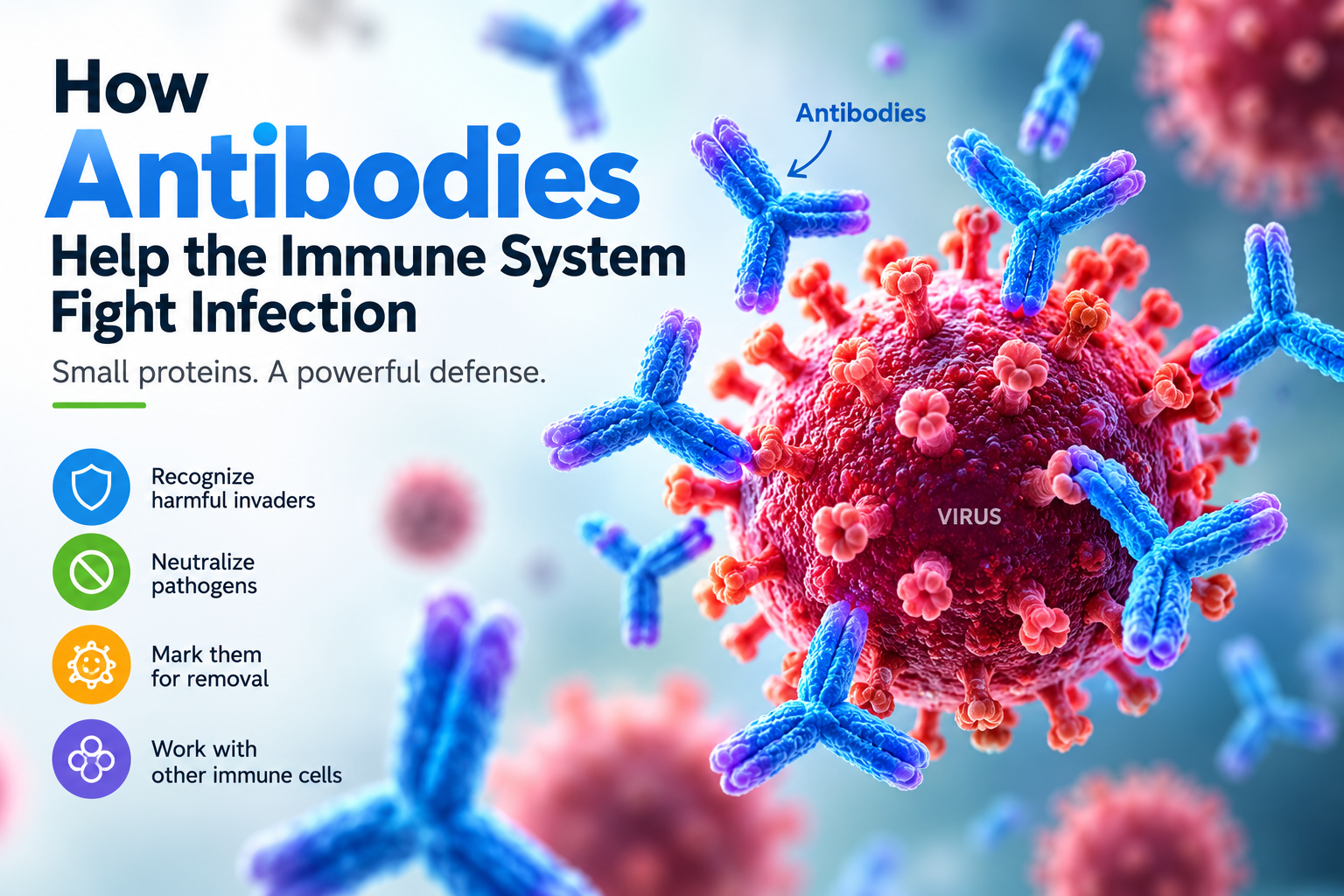
How Antibodies Help the Immune System Fight Infection
Understanding how antibodies work provides a clearer picture of why people develop immunity after certain infections or vaccinations and why the immune system can respond more effectively when it encounters a familiar pathogen again.
Read article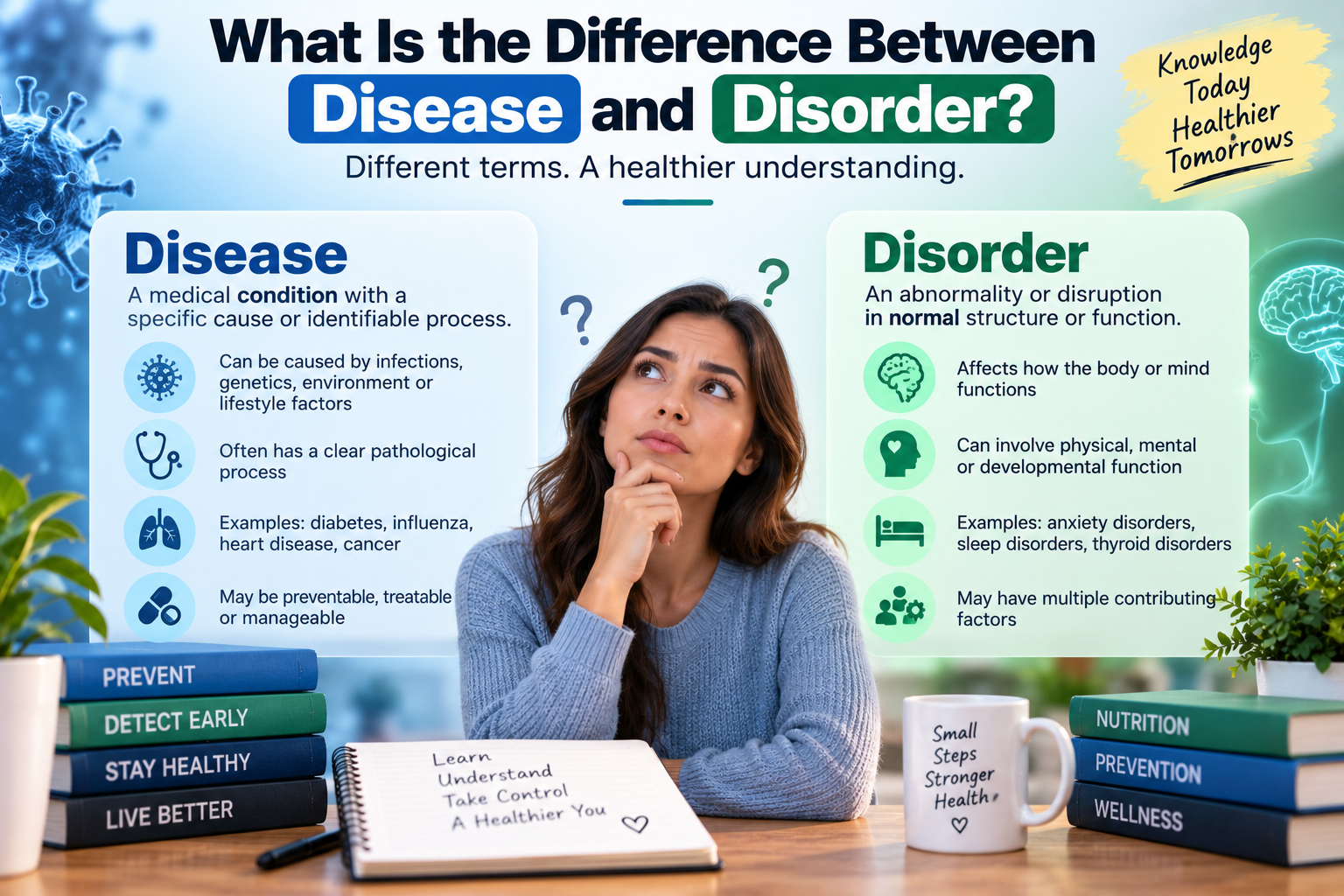
What Is the Difference Between Disease and Disorder
Understanding the distinction can make health information easier to interpret and help explain why doctors sometimes use one term rather than the other.
Read article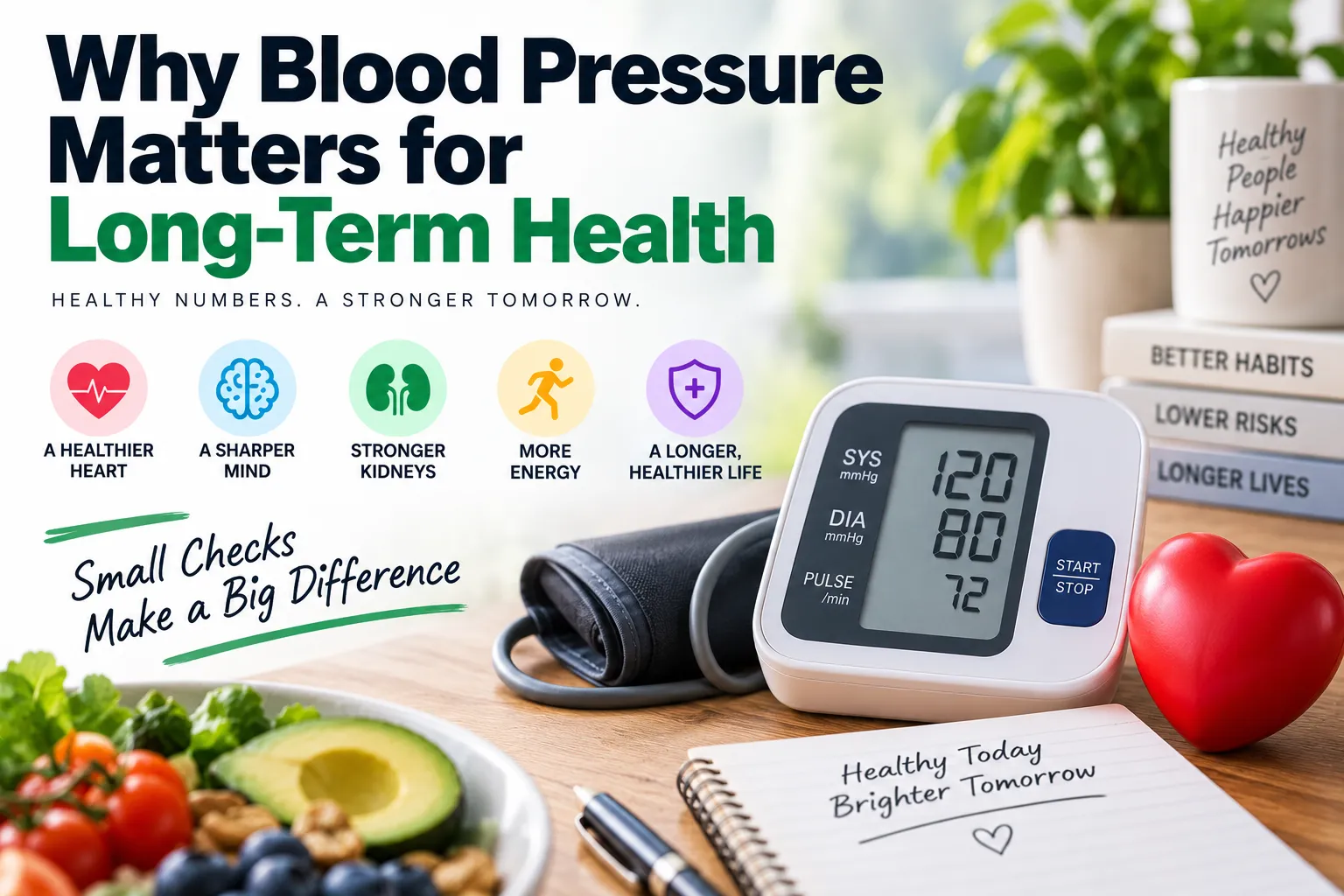
Why Blood Pressure Matters for Long-Term Health
Understanding why blood pressure matters can make it easier to recognize the importance of routine screening, healthy habits and appropriate treatment.
Read article

Join 10,000+ Readers Building Healthier Habits
Get actionable wellness tips every week plus our newest articles delivered straight to your inbox.