

What Foods Are Considered Anti-Inflammatory?
Inflammation is a normal biological response that helps the body respond to injury, infection, and other challenges. It becomes more complicated when inflammatory activity persists over time, which is why diet and lifestyle are often discussed in relation to long-term health.
Certain foods are commonly described as anti-inflammatory foods because they contain nutrients and plant compounds associated with healthier inflammatory responses. These include fruits and vegetables, fatty fish, nuts, seeds, whole grains, legumes, herbs, spices, and certain beverages.
However, no single food can eliminate inflammation or replace appropriate medical care. The broader eating pattern matters more than any individual ingredient. A diet built around a variety of minimally processed, nutrient-rich foods can provide fiber, healthy fats, vitamins, minerals, and naturally occurring plant compounds that support overall health.
For readers looking at the bigger picture, the Complete Guide to Healthy Eating and Balanced Nutrition provides a broader foundation for building a balanced eating pattern.
What Does “Anti-Inflammatory Food” Mean?
The term “anti-inflammatory food” is commonly used to describe foods that contain nutrients or bioactive compounds associated with regulating inflammatory processes in the body.
These foods often provide combinations of:
- Fiber
- Omega-3 fatty acids
- Antioxidants
- Polyphenols
- Vitamins
- Minerals
- Unsaturated fats
- Plant compounds
Importantly, eating a particular food does not mean that it directly treats an inflammatory condition.
Inflammation is influenced by many factors, including genetics, sleep, physical activity, body composition, infections, injuries, stress, medications, and underlying health conditions.
Diet is one part of that larger picture.
Fruits and Berries
Fruits are among the most widely recommended foods in healthy eating patterns associated with lower inflammatory activity.
Berries are particularly interesting because they contain compounds called polyphenols, including anthocyanins that give many berries their red, purple, and blue colors.
Examples include:
- Blueberries
- Strawberries
- Raspberries
- Blackberries
- Cherries
- Cranberries
Other fruits can also contribute valuable nutrients and plant compounds.
Apples, oranges, grapes, pears, kiwi, pineapple, and pomegranates can all add variety to the diet.
The goal does not need to be choosing one “superfruit.” Eating different types of fruit provides a broader range of nutrients and plant compounds.
Leafy Green Vegetables
Leafy greens are another important part of an anti-inflammatory eating pattern.
Examples include:
- Spinach
- Kale
- Collard greens
- Swiss chard
- Mustard greens
- Romaine lettuce
- Arugula
These vegetables can provide fiber, folate, vitamin K, carotenoids, vitamin C, and other nutrients.
Adding leafy greens to meals can also increase overall vegetable intake without requiring major changes to familiar recipes.
They can be used in salads, soups, stews, sandwiches, grain bowls, omelets, and cooked side dishes.
Cruciferous Vegetables
Cruciferous vegetables include:
- Broccoli
- Cauliflower
- Brussels sprouts
- Cabbage
- Bok choy
- Kale
- Radishes
These vegetables contain fiber and various plant compounds that contribute to their nutritional value.
Broccoli, for example, contains compounds derived from glucosinolates that have attracted considerable scientific interest.
Rather than focusing on a single compound, however, it is more useful to view cruciferous vegetables as part of an overall diet rich in different types of vegetables.
Tomatoes
Tomatoes provide several nutrients and plant compounds, including vitamin C, potassium, and lycopene.
Lycopene is a carotenoid responsible for much of the red color in tomatoes.
Tomatoes can be eaten fresh, roasted, cooked into sauces, or incorporated into soups and stews.
Interestingly, preparation can influence the availability of certain compounds. Cooking tomatoes with a source of healthy fat may affect the body’s ability to absorb lycopene.
This is one example of why healthy eating is not simply about identifying individual foods. How foods are prepared and what they are eaten with also matters.
Fatty Fish and Omega-3 Fatty Acids
Fatty fish are among the best-known dietary sources of long-chain omega-3 fatty acids.
Examples include:
- Salmon
- Sardines
- Mackerel
- Herring
- Trout
- Anchovies
The omega-3 fatty acids EPA and DHA are involved in numerous biological processes.
Including fish as part of a balanced diet can also provide high-quality protein and other nutrients.
For people who eat seafood, incorporating fatty fish into meals can be one practical way to increase omega-3 intake.
Nuts
Nuts contain combinations of healthy unsaturated fats, protein, fiber, minerals, and plant compounds.
Examples include:
- Walnuts
- Almonds
- Pistachios
- Pecans
- Hazelnuts
- Cashews
Walnuts are particularly notable for their omega-3 fatty acid content in the form of alpha-linolenic acid (ALA).
A small handful can be added to oatmeal, salads, yogurt, vegetables, or grain dishes.
Because nuts are energy-dense, portion size can still matter for people managing overall calorie intake.
Seeds
Seeds can provide healthy fats, fiber, protein, minerals, and other beneficial compounds.
Useful options include:
- Chia seeds
- Flaxseeds
- Pumpkin seeds
- Sunflower seeds
- Sesame seeds
- Hemp seeds
Flaxseeds and chia seeds are notable plant sources of ALA omega-3 fatty acids.
Seeds can be added to:
- Smoothies
- Oatmeal
- Yogurt
- Salads
- Whole-grain dishes
- Homemade energy bites
Ground flaxseed is often easier to incorporate into meals than whole flaxseed.
Extra-Virgin Olive Oil
Extra-virgin olive oil is a major source of monounsaturated fat and contains naturally occurring plant compounds, including polyphenols.
It is a central component of Mediterranean-style eating patterns, which emphasize vegetables, fruits, legumes, whole grains, nuts, fish, and olive oil.
Olive oil can be used for:
- Salad dressings
- Vegetable dishes
- Marinades
- Cooking
- Grain bowls
- Bean dishes
Replacing some sources of saturated fat with unsaturated fats can be a useful part of an overall heart-healthy eating pattern.
Whole Grains
Whole grains contain more of the original grain structure than refined grains and generally provide more fiber and nutrients.
Examples include:
- Oats
- Brown rice
- Barley
- Quinoa
- Whole-grain bread
- Whole-wheat pasta
- Bulgur
- Buckwheat
Dietary fiber supports digestive health and can contribute to a healthier overall dietary pattern.
Whole grains can also help make meals more filling, particularly when paired with vegetables, legumes, lean proteins, or healthy fats.
For a deeper look at the nutritional value of different foods, What Nutrient Density Means and How to Choose Nutrient-Dense Foods explains why nutrient quality matters when building meals.
Beans and Legumes
Beans and legumes are excellent sources of fiber and plant-based protein.
Examples include:
- Black beans
- Kidney beans
- Chickpeas
- Lentils
- Pinto beans
- Navy beans
- Split peas
- Soybeans
Their combination of protein, fiber, vitamins, minerals, and plant compounds makes them valuable components of many healthy dietary patterns.
They can replace some animal proteins in meals or be combined with other foods to create filling dishes.
Avocados
Avocados contain monounsaturated fats along with fiber, potassium, and other nutrients.
They can be used in:
- Salads
- Sandwiches
- Grain bowls
- Smoothies
- Dips
- Toast
- Vegetable dishes
Their creamy texture can also make them a useful substitute for certain higher-saturated-fat ingredients in some recipes.
Garlic and Onions
Garlic and onions belong to the allium family of plants.
They contain sulfur-containing compounds and can add substantial flavor to food without requiring large amounts of salt, sugar, or highly processed sauces.
Garlic can be used in:
- Soups
- Sauces
- Roasted vegetables
- Marinades
- Bean dishes
- Stir-fries
Onions can be eaten raw, sautéed, roasted, grilled, or caramelized.
Including flavorful vegetables such as these can make healthy meals more satisfying and varied.
Ginger
Ginger has a long history of culinary and traditional use.
It contains bioactive compounds such as gingerols and can provide a distinctive warm, spicy flavor.
Fresh ginger works well in:
- Stir-fries
- Soups
- Curries
- Marinades
- Tea
- Smoothies
- Sauces
Ginger can add flavor without relying heavily on salt or added sugar.
Turmeric
Turmeric is a bright yellow spice commonly used in South Asian and other cuisines.
Its best-known bioactive compound is curcumin.
Turmeric can be used in:
- Curries
- Rice dishes
- Soups
- Roasted vegetables
- Lentil dishes
- Smoothies
- Spice blends
Although curcumin has been extensively studied, consuming turmeric as part of food should not be viewed as equivalent to taking a concentrated curcumin supplement.
Food and supplements can differ substantially in dose, absorption, formulation, and potential interactions.
Green Tea
Green tea contains polyphenols called catechins, including epigallocatechin gallate (EGCG).
It can be consumed hot or cold and provides an alternative to sugar-sweetened beverages.
For people who tolerate caffeine, green tea can be part of a balanced beverage routine.
However, beverages containing caffeine can affect sleep in sensitive individuals, particularly when consumed later in the day.
Dark Chocolate and Cocoa
Cocoa contains flavonoids, a group of plant compounds found in several fruits and plants.
Dark chocolate with a relatively high cocoa content can contain more cocoa-derived compounds than heavily processed chocolate products with large amounts of added sugar.
That does not mean chocolate should be treated as a health food in unlimited quantities. It remains energy-dense, and many commercial products contain substantial added sugar.
Small portions can fit into an otherwise balanced dietary pattern.
Herbs and Spices
Many culinary herbs and spices contain naturally occurring plant compounds that contribute to their colors, aromas, and flavors.
Examples include:
- Rosemary
- Oregano
- Cinnamon
- Cloves
- Basil
- Thyme
- Sage
- Parsley
- Black pepper
- Chili peppers
Using herbs and spices can also make healthy meals more enjoyable.
Instead of relying heavily on salt, cooks can build flavor through combinations of herbs, spices, garlic, ginger, citrus, vinegar, and other ingredients.
Citrus Fruits
Oranges, lemons, limes, grapefruit, and other citrus fruits provide vitamin C and various plant compounds.
Citrus can also make meals more flavorful.
Lemon juice or lime juice can be added to:
- Fish
- Vegetables
- Salads
- Beans
- Grain dishes
- Soups
- Sauces
Using acidic ingredients can help balance flavors and reduce the need for excessive salt.
Fermented Foods
Some fermented foods can contribute beneficial microorganisms and other compounds to the diet.
Examples include:
- Plain yogurt with live cultures
- Kefir
- Sauerkraut
- Kimchi
- Certain fermented vegetables
The nutritional properties vary considerably between products.
For example, some commercially prepared fermented foods can contain significant amounts of added salt or sugar. Reading the nutrition label can help identify products that fit individual dietary needs.
The Importance of Fiber
Fiber deserves particular attention because it is found across many foods commonly associated with healthy eating.
Good sources include:
- Vegetables
- Fruits
- Beans
- Lentils
- Whole grains
- Nuts
- Seeds
Fiber supports digestive health and contributes to a diverse dietary pattern.
Increasing fiber gradually while drinking enough fluids can make the transition easier for people who currently consume relatively little fiber.
Whole Foods Versus Highly Processed Foods
When discussing anti-inflammatory eating, it is easy to become overly focused on individual ingredients.
The overall quality of the diet is generally more important.
A meal built around vegetables, legumes, whole grains, fish, nuts, seeds, and healthy fats is quite different from a dietary pattern dominated by highly processed foods, refined carbohydrates, sugary beverages, and excessive amounts of saturated fat.
That does not mean every processed food is unhealthy.
Frozen vegetables, canned beans, plain yogurt, canned fish, and other minimally processed products can be convenient and nutritious.
The distinction between different types of processing is explored further in Difference Between Whole and Processed Foods.
Foods That May Be Less Helpful in an Inflammation-Focused Eating Pattern
There is no single universal list of foods that everyone must avoid.
However, diets consistently high in certain types of foods may be less supportive of overall health.
These can include excessive amounts of:
- Sugar-sweetened beverages
- Highly refined carbohydrates
- Deep-fried foods
- Highly processed snack foods
- Processed meats
- Excessive saturated fats
- Foods with large amounts of added sugar
- Excessive alcohol
The important point is that dietary quality depends on the overall pattern.
Eating a dessert occasionally does not automatically make an otherwise nutritious diet unhealthy.
Anti-Inflammatory Eating Is About Patterns, Not Superfoods
The idea of a single “superfood” can make nutrition unnecessarily complicated.
Blueberries may provide useful compounds, but eating blueberries does not compensate for an otherwise poor diet.
The same applies to turmeric, green tea, olive oil, or any other individual food.
A more practical approach is to build meals around several categories of nutritious foods.
For example:
Breakfast: Oatmeal with berries, walnuts, and ground flaxseed.
Lunch: Lentil and vegetable salad with olive oil and lemon.
Dinner: Grilled salmon with roasted vegetables and brown rice.
Snack: Plain yogurt with fruit and seeds.
This pattern provides a variety of nutrients and plant compounds without depending on one particular ingredient.
How to Build an Anti-Inflammatory Plate
A simple meal-building strategy can make the concept easier to apply.
Start with vegetables and fruit, then add a source of protein, a high-fiber carbohydrate, and a healthy fat.
For example:
| Meal component | Examples |
|---|---|
| Vegetables | Broccoli, spinach, peppers, tomatoes |
| Fruit | Berries, oranges, apples |
| Protein | Fish, beans, lentils, eggs, poultry |
| Whole grains | Oats, brown rice, barley, quinoa |
| Healthy fats | Olive oil, avocado, nuts, seeds |
| Flavor | Garlic, ginger, herbs, spices, citrus |
This approach is more sustainable than trying to purchase a long list of specialized “anti-inflammatory” products.
Nutrient Density Matters
A nutrient-dense food provides substantial nutritional value relative to its calorie content.
Vegetables, fruits, legumes, whole grains, seafood, nuts, and seeds can contribute important nutrients while fitting into a balanced eating pattern.
Nutrient density can help families make practical choices when deciding what foods to include regularly.
Rather than asking only, “Does this food have an anti-inflammatory compound?” it can be more useful to ask:
- Does it provide important nutrients?
- Does it contribute fiber?
- Does it provide healthy fats or quality protein?
- Is it minimally processed?
- Does it add variety to the diet?
- Can it fit into my overall eating pattern?
This broader approach is particularly useful when planning meals for the long term.
Cooking Methods Can Affect Food Choices
The ingredients used in a meal are only part of the picture.
Preparation methods can substantially change the nutritional profile of food.
Steaming, roasting, baking, grilling, sautéing, boiling, and frying can produce different results.
For example, vegetables can remain highly nutritious when cooked, but deep-frying them adds substantial fat and calories.
Similarly, a nutritious fish dish can become significantly different nutritionally when it is heavily breaded and deep-fried.
Cooking methods therefore deserve consideration alongside ingredient selection.
What About Anti-Inflammatory Drinks?
Several beverages can fit into an eating pattern focused on nutritious foods.
Options include:
- Water
- Green tea
- Unsweetened herbal teas
- Coffee in moderate amounts
- Unsweetened sparkling water
- Water flavored with citrus or herbs
The main consideration is what the beverage contributes to the overall diet.
Sugar-sweetened beverages can add substantial amounts of added sugar without providing the same nutritional benefits as whole fruits and vegetables.
Can Food Eliminate Inflammation?
No single food can eliminate inflammation throughout the body.
Inflammation is a complex biological process, and persistent or unexplained inflammation can have many possible causes.
Food can be part of an overall healthy lifestyle, but it should not be used as a substitute for evaluation or treatment when someone has symptoms of an underlying condition.
People experiencing persistent pain, swelling, unexplained fever, digestive problems, significant fatigue, or other concerning symptoms should discuss them with an appropriate healthcare professional.
Anti-Inflammatory Foods and Long-Term Health
A nutritious eating pattern can support many aspects of health beyond inflammation.
Eating plenty of vegetables, fruits, whole grains, legumes, nuts, seeds, and quality protein sources can contribute to cardiovascular health, digestive health, metabolic health, and overall nutritional adequacy.
Other lifestyle factors matter as well.
Regular physical activity, sufficient sleep, stress management, avoiding tobacco, maintaining appropriate medical care, and limiting excessive alcohol consumption can all contribute to overall health.
This is why nutrition is best viewed as one component of a broader lifestyle rather than a single solution.
How to Make the Changes Sustainable
Major dietary changes are often difficult to maintain when they require completely unfamiliar foods or complicated recipes.
Small adjustments can be easier.
A household might start by:
- Adding one extra serving of vegetables each day.
- Replacing sugary drinks with water or unsweetened beverages.
- Eating beans or lentils more frequently.
- Adding fruit to breakfast.
- Choosing whole grains more often.
- Including fish regularly when appropriate.
- Replacing some saturated fats with unsaturated fats.
- Using herbs and spices to build flavor.
- Choosing nuts or seeds as nutrient-rich additions.
- Reducing reliance on highly processed snack foods.
These changes do not need to happen simultaneously.
A Practical Weekly Food Pattern
An anti-inflammatory eating pattern can be varied without becoming complicated.
A weekly menu might include:
Breakfasts
- Oatmeal with berries and nuts
- Plain yogurt with fruit and seeds
- Eggs with vegetables and whole-grain toast
- Whole-grain porridge with fruit
Lunches
- Lentil soup with vegetables
- Bean and avocado salad
- Whole-grain wrap with vegetables and lean protein
- Sardines with whole-grain bread and salad
Dinners
- Salmon with vegetables and brown rice
- Lentil curry with vegetables
- Grilled chicken with roasted vegetables
- Bean stew with whole grains
- Vegetable and fish soup
Snacks
- Fresh fruit
- Unsalted nuts
- Plain yogurt
- Carrots with hummus
- Seeds and fruit
The purpose is variety rather than strict adherence to a particular menu.
Foods Can Work Together
One of the most useful ways to think about nutrition is to consider meals rather than isolated foods.
Olive oil can accompany vegetables. Beans can be combined with whole grains. Berries can be paired with yogurt and seeds. Fish can be served with vegetables and whole grains. Herbs, garlic, ginger, and spices can improve flavor across many dishes.
These combinations create meals that provide several types of nutrients at once.
This also makes healthy eating more enjoyable because the focus moves away from individual “good” and “bad” foods and toward creating satisfying meals.
Building a More Balanced Relationship With Food
The phrase “anti-inflammatory foods” can be useful when it encourages people to eat more vegetables, fruits, legumes, whole grains, fish, nuts, seeds, and other nutritious foods.
It becomes less useful when it creates the impression that a handful of ingredients can compensate for an otherwise unbalanced diet.
A practical approach is to focus on dietary patterns rather than miracle foods.
Choose a wide range of minimally processed foods. Include plenty of plant foods. Consume sources of healthy fats and quality protein. Make room for enjoyable foods in reasonable amounts. Pay attention to portion sizes and individual dietary needs.
Long-term consistency matters more than perfection.
Connecting Nutrition With Other Healthy Habits
Food is only one part of a broader approach to health.
Regular movement, adequate sleep, stress management, preventive healthcare, avoiding tobacco, and maintaining healthy relationships with food can all contribute to overall well-being.
For a broader look at lifestyle choices, Healthy Habits That May Reduce Cancer Risk discusses how multiple everyday behaviors can work together to support long-term health.
The same principle applies when thinking about inflammation: no single ingredient has to carry the entire responsibility.
Making Anti-Inflammatory Foods Part of Everyday Meals
Foods commonly associated with anti-inflammatory eating include colorful fruits and vegetables, fatty fish, nuts, seeds, legumes, whole grains, olive oil, herbs, spices, and certain beverages such as green tea.
What these foods have in common is not one magical property. Many provide combinations of fiber, healthy fats, vitamins, minerals, antioxidants, and other naturally occurring plant compounds.
The most practical approach is therefore to build a varied dietary pattern around these foods rather than searching for a single ingredient that promises to solve inflammation.
A colorful plate of vegetables, a serving of beans or fish, a whole grain, some healthy fat, and flavorful herbs or spices can be a much more useful long-term strategy than chasing individual “superfoods.” That kind of balanced approach can make nutritious eating both more sustainable and more enjoyable.
Continue Reading
Similar Posts

When Natural Self Care Is Not Appropriate
Knowing when to stop relying on self-care and seek appropriate medical attention is an important part of using natural approaches responsibly.
Read article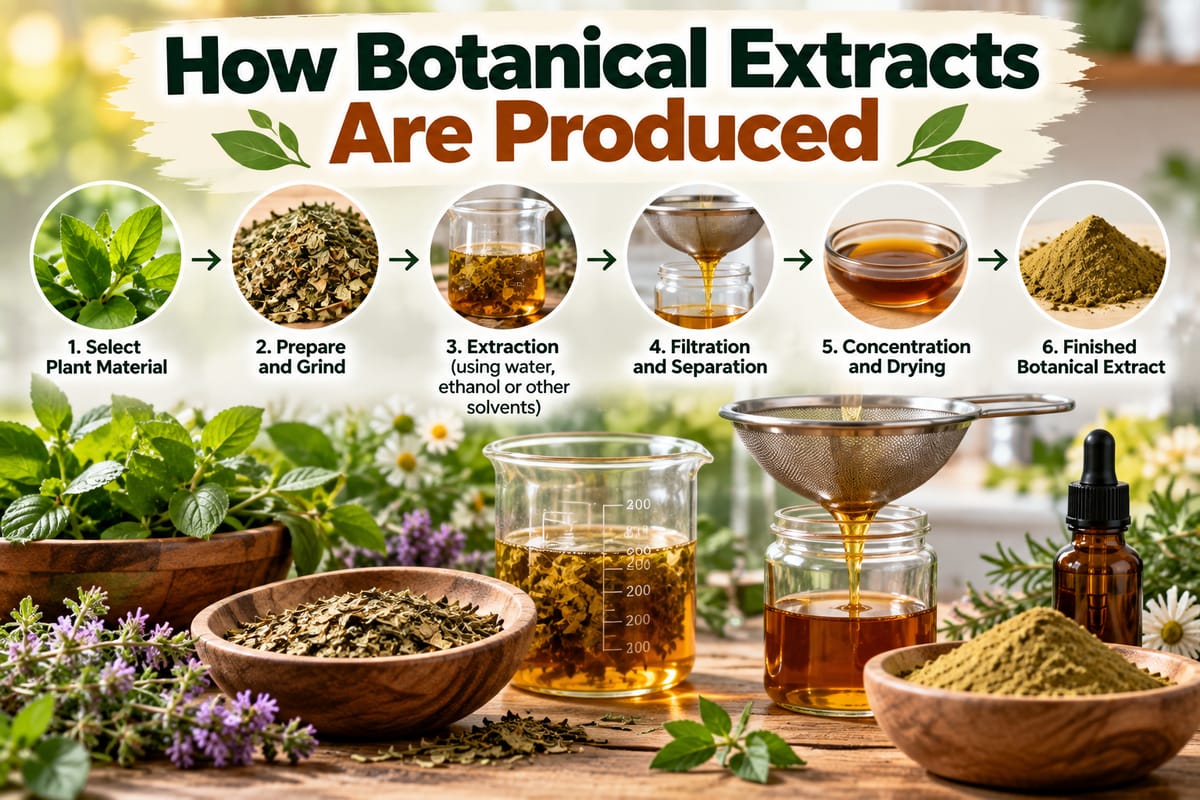
How Botanical Extracts Are Produced
Understanding how botanical extracts are produced also helps explain why an extract is not necessarily equivalent to simply consuming the original plant.
Read article
Natural Approaches for Occasional Muscle Discomfort
Understanding the available options can help people choose practical approaches while recognizing when self-care is no longer enough.
Read article

Join 10,000+ Readers Building Healthier Habits
Get actionable wellness tips every week plus our newest articles delivered straight to your inbox.