
When Natural Self Care Is Not Appropriate
Natural self-care can be a useful part of everyday wellbeing. People may turn to rest, relaxation, gentle movement, traditional remedies, herbal preparations, dietary changes, or other nonmedical approaches when dealing with minor discomfort or trying to maintain healthy routines.
However, natural self-care is not appropriate for every situation.
A remedy being described as natural does not automatically mean that it is safe for everyone, suitable for every symptom, or capable of treating an underlying medical condition. Some situations require professional assessment, testing, prescription treatment, urgent care, or a combination of approaches.
Knowing when to stop relying on self-care and seek appropriate medical attention is an important part of using natural approaches responsibly.
What Is Natural Self-Care?
Natural self-care generally refers to everyday actions people take to support their wellbeing without relying primarily on conventional medical treatment.
Examples can include:
- Getting adequate sleep
- Staying hydrated
- Eating a balanced diet
- Practicing relaxation techniques
- Taking gentle walks
- Using heat or cold appropriately
- Preparing traditional herbal beverages
- Practicing mindfulness
- Maintaining regular personal-care routines
- Using certain nonprescription or traditional products
The specific practices considered “natural” vary widely between people and cultures.
Some approaches have evidence supporting particular uses, while others may have limited evidence or have not been adequately studied.
The evidence behind natural approaches is therefore important to consider. The Complete Guide to Natural Remedies: Evidence provides broader context for understanding how evidence can differ between natural products and practices.
Why Natural Does Not Always Mean Safe
The word “natural” describes an origin or category, not a guarantee of safety.
Plants can contain biologically active compounds. Essential oils can be highly concentrated. Certain supplements can affect medications. Even familiar foods or herbs can cause problems for people with particular allergies or sensitivities.
Potential concerns can include:
- Allergic reactions
- Side effects
- Drug interactions
- Excessive doses
- Contamination
- Incorrect identification of herbs
- Delayed diagnosis
- Delayed treatment
- Interactions between multiple products
This does not mean natural self-care is inherently dangerous. It means that safety depends on the specific practice, product, amount, person, and circumstances.
A broader discussion of these concerns is available in the Natural Remedies Safety Guide: Risks, Interactions and More.
When Symptoms Are Severe or Sudden
Severe or rapidly developing symptoms should not automatically be treated at home with natural remedies.
Depending on the circumstances, urgent medical evaluation may be appropriate for symptoms such as:
- Severe difficulty breathing
- Sudden chest pain
- Loss of consciousness
- Severe bleeding
- Sudden weakness or paralysis
- New confusion
- Severe allergic reactions
- Seizures
- Serious injuries
- Sudden vision changes
- Severe or rapidly worsening pain
These situations can have potentially serious causes that cannot be reliably identified through self-care alone.
When symptoms suggest a medical emergency, seeking appropriate emergency assistance should take priority over experimenting with home remedies.
When a Symptom Is New and Unexplained
Some symptoms are mild but unusual or persistent.
For example, a person might develop an unexplained change in:
- Weight
- Appetite
- Bowel habits
- Skin appearance
- Energy levels
- Breathing
- Urination
- Sleep
- Menstrual patterns
A natural remedy might temporarily change how someone feels without addressing the reason the symptom developed.
An unexplained symptom can therefore be a reason to seek professional assessment rather than repeatedly trying different remedies.
When Symptoms Keep Coming Back
Recurring symptoms deserve attention even when each individual episode seems manageable.
For example, someone might repeatedly experience headaches, stomach discomfort, dizziness, skin reactions, or significant fatigue.
Self-care may provide temporary relief, but repeated symptoms can indicate an underlying issue that needs evaluation.
The important question is not only:
“What can I do to feel better?”
It can also be:
“Why does this keep happening?”
When a problem repeatedly returns, identifying the cause can be more important than repeatedly managing the symptom.
When Symptoms Are Getting Worse
A remedy that appears reasonable for a mild symptom may no longer be appropriate if the condition changes.
Warning signs can include:
- Increasing pain
- New symptoms
- Fever that persists or worsens
- Increasing swelling
- Worsening shortness of breath
- Increasing weakness
- Persistent vomiting
- Dehydration
- Changes in consciousness
- Symptoms spreading or becoming more severe
Worsening symptoms can indicate that the initial assumption about the problem was incorrect or that the condition has changed.
Continuing the same home treatment simply because it seemed reasonable at first may delay appropriate care.
When a Diagnosis Is Required
Some health problems cannot be identified reliably based on symptoms alone.
Different conditions can produce similar symptoms.
For example, fatigue can have many possible causes, while abdominal pain can result from numerous conditions ranging from minor problems to issues requiring urgent treatment.
A natural remedy may address a symptom without identifying its cause.
Professional evaluation may involve:
- Medical history
- Physical examination
- Laboratory testing
- Imaging
- Other diagnostic procedures
Once the cause is understood, self-care may sometimes become an appropriate part of the overall management plan.
When Prescription Treatment Is Necessary
Some conditions require medication or other treatments that should not be replaced with an unproven natural alternative.
Examples can include conditions requiring:
- Antibiotics when appropriately prescribed
- Insulin
- Blood-thinning medication
- Anti-seizure medication
- Inhaled medication
- Hormone replacement
- Certain psychiatric medications
- Cancer treatment
- Other prescription therapies
The appropriate treatment depends on the specific condition.
A person should not stop or replace prescribed medication simply because a natural product is marketed as an alternative.
Natural approaches and conventional medicine are not always mutually exclusive. The relationship between the two is explored in Natural Remedies vs Conventional Medicine.
When a Person Is Taking Medication
Natural products can interact with conventional medicines.
Potential interactions may affect:
- How quickly a medicine is absorbed
- How a medicine is metabolized
- How strongly a medicine works
- Bleeding risk
- Blood pressure
- Blood sugar
- Sedation
- Other physiological processes
For someone taking medication regularly, adding a supplement, concentrated herb, or other botanical product without checking for possible interactions can create unnecessary risk.
A pharmacist, doctor, or other qualified healthcare professional can help evaluate potential interactions.
During Pregnancy and Breastfeeding
Pregnancy and breastfeeding can change how certain substances affect the body.
Some herbs and supplements have not been adequately studied during pregnancy or breastfeeding. Others may have specific safety concerns.
A product that is generally tolerated by healthy adults should not automatically be assumed to be appropriate during pregnancy or while breastfeeding.
Anyone considering herbal products or concentrated supplements during these periods should discuss them with an appropriate healthcare professional.
For Infants and Young Children
Children are not simply smaller versions of adults.
Their bodies develop over time, and appropriate doses, formulations, and safety considerations can differ significantly from those for adults.
Parents and caregivers should be especially cautious about giving children:
- Concentrated herbal extracts
- Essential oils
- Supplements
- Adult medications
- Strong topical preparations
- Unverified traditional remedies
A child’s symptoms may also require a different level of assessment than similar symptoms in an adult.
When a child is seriously ill, unusually sleepy, dehydrated, struggling to breathe, experiencing a seizure, or showing other concerning symptoms, professional medical assessment should take priority.
For Older Adults
Older adults may take multiple medications and may have several chronic health conditions.
This can increase the complexity of adding new supplements or herbal products.
Potential concerns include:
- Drug interactions
- Changes in kidney function
- Changes in liver function
- Increased sensitivity to certain substances
- Multiple medications being taken simultaneously
- Difficulty recognizing side effects
A healthcare professional or pharmacist can help review the full list of medications and supplements before a new product is introduced.
When Someone Has a Chronic Condition
People living with chronic conditions may need ongoing monitoring even when symptoms are currently mild.
Examples include:
- Diabetes
- Asthma
- Heart disease
- Kidney disease
- Liver disease
- Epilepsy
- Autoimmune conditions
- High blood pressure
Natural self-care can sometimes complement an established treatment plan, but it should not automatically replace monitoring or prescribed treatment.
For people with chronic conditions, the question is often not whether natural approaches are “good” or “bad.” It is whether a particular approach is appropriate alongside the person’s existing medical care.
When a Product Has Unclear Ingredients
Consumers should be cautious when a product does not clearly explain what it contains.
Warning signs can include:
- Missing ingredient information
- Unclear quantities
- No identifiable manufacturer
- Vague claims
- Unclear serving instructions
- Unusually broad promises
- Products claiming to treat many unrelated conditions
- No meaningful quality information
A product that cannot be evaluated properly is difficult to use responsibly.
Clear labeling can help consumers understand what they are actually taking.
When the Dose Is Unclear
Dosage matters.
A substance can behave differently depending on the amount consumed, concentration, route of administration, and frequency of use.
This is particularly important with concentrated extracts and supplements.
Using more than the recommended amount does not necessarily produce greater benefits and can increase the possibility of adverse effects.
If dosing information is unclear, it is safer to seek qualified advice than to estimate an appropriate amount independently.
When Multiple Remedies Are Being Combined
Combining several products can make it difficult to determine what is causing an effect or side effect.
For example, someone might simultaneously use:
- Several herbal supplements
- A concentrated botanical extract
- An essential oil
- A conventional medication
- Multiple vitamins
- A traditional remedy
Even if each product appears reasonable individually, their combined effects may be less predictable.
Keeping a list of all medications, supplements, and other products being used can make professional review much easier.
When a Remedy Masks an Important Symptom
Symptom relief can sometimes be useful, but it can also make an underlying problem harder to recognize.
For example, repeatedly suppressing pain without investigating persistent or worsening pain could delay the identification of its cause.
The same principle can apply to:
- Persistent cough
- Recurring headaches
- Repeated digestive problems
- Ongoing skin changes
- Unexplained fatigue
- Recurrent fever
Relief is not always the same thing as resolution.
When There Is a Risk of Delaying Treatment
One of the most important limitations of self-care is delay.
If a person spends weeks or months trying different remedies for a condition that requires professional assessment, the delay itself can become a problem.
This is especially relevant when symptoms are:
- Persistent
- Progressive
- Severe
- Unexplained
- Associated with other concerning symptoms
- Interfering substantially with normal activities
Natural self-care can have a place in everyday wellbeing, but it should not become a reason to postpone appropriate medical evaluation.
When a Remedy Has Strong Medical Claims Without Strong Evidence
Some products are marketed with claims that go far beyond the available evidence.
Statements such as “cures,” “guaranteed,” or “works for everyone” should prompt careful evaluation.
Evidence can vary considerably between different natural products and uses.
A traditional history of use can be meaningful cultural information, but it does not automatically establish effectiveness for a particular medical condition.
Likewise, evidence for one preparation cannot automatically be transferred to every product containing the same plant.
Evaluating evidence means asking:
- What exactly was studied?
- Which preparation was used?
- At what dose?
- For which condition?
- How many people were studied?
- What were the outcomes?
- Were the findings consistent?
- Are there meaningful safety concerns?
When Professional Diagnosis Changes the Appropriate Approach
The appropriate use of self-care can change once a condition has been diagnosed.
For example, someone may initially use rest, hydration, or dietary adjustments for a minor symptom. After professional assessment identifies an underlying condition, however, the person may need a more specific treatment plan.
Self-care may still have a role, but it becomes one component of a broader approach.
This is why natural self-care should generally be viewed as a tool rather than a universal substitute for healthcare.
Natural Self-Care Can Complement Medical Care
There is sometimes an unnecessary assumption that people must choose between natural approaches and conventional healthcare.
In practice, some self-care activities can coexist with professional treatment.
For example, a healthcare professional may recommend:
- Adequate sleep
- Physical activity
- Balanced nutrition
- Stress management
- Hydration
- Relaxation techniques
alongside medical treatment.
The important consideration is whether the particular self-care practice is safe and compatible with the person’s circumstances.
Communication between the individual and healthcare professionals can help prevent unnecessary conflicts between approaches.
Be Especially Careful With Essential Oils
Essential oils are highly concentrated plant products and should not be treated as equivalent to the plants from which they originate.
Potential concerns include:
- Skin irritation
- Allergic reactions
- Toxicity if swallowed
- Interactions with medications
- Risks to children and pets
- Problems caused by inappropriate dilution
“Natural” does not mean an essential oil can be used without considering concentration or route of exposure.
Appropriate instructions and professional guidance may be especially important for vulnerable groups.
Be Careful With Homemade Preparations
Traditional home preparations can vary considerably in strength.
A homemade tea, tincture, extract, or other preparation may have an unpredictable concentration depending on:
- Plant identity
- Plant part
- Amount used
- Preparation method
- Extraction time
- Storage conditions
There may also be a risk of misidentifying plants.
Commercial products can have their own quality concerns, but homemade preparations do not automatically provide greater safety simply because they are made at home.
When a Natural Product Has Been Recalled or Has Quality Concerns
A product should not be used if there is a credible safety warning, recall, contamination concern, or other quality issue affecting that product.
Consumers should pay attention to information from appropriate regulatory authorities, manufacturers, pharmacies, and other reliable sources.
This is particularly important for products that may be contaminated with:
- Microorganisms
- Heavy metals
- Pesticides
- Undeclared pharmaceutical ingredients
- Incorrect plant materials
- Other unwanted substances
Quality is an important part of safety, not merely a question of whether a product is effective.
When Symptoms Affect Everyday Function
Even symptoms that are not emergencies may deserve professional attention when they significantly interfere with normal life.
Examples include symptoms that make it difficult to:
- Work
- Attend school
- Sleep
- Eat
- Exercise
- Care for family
- Move normally
- Perform routine activities
Persistent disruption can be a sign that self-care alone is not providing an adequate solution.
A Practical Self-Care Decision Check
Before relying on a natural remedy, it can help to ask several questions:
Is the symptom mild?
If the symptom is severe or rapidly worsening, self-care may not be appropriate as the primary response.
Do I know what is causing it?
If the cause is uncertain, especially when symptoms persist, professional assessment may be necessary.
Is this remedy appropriate for me?
Consider age, pregnancy, breastfeeding, allergies, chronic conditions, medications, and other circumstances.
Is there evidence for this specific use?
Evidence for a plant or traditional practice does not automatically establish effectiveness for every condition.
Could this interact with something else I use?
Check medications, supplements, and other products.
Could using this delay necessary treatment?
If there is a meaningful possibility, professional advice should take priority.
Do I know exactly what I am using?
The identity, ingredients, concentration, and instructions should be reasonably clear.
What to Do When Self-Care Is No Longer Enough
When a situation falls outside the reasonable boundaries of self-care, the next step depends on the circumstances.
Possible options include:
- Contacting a primary healthcare professional
- Speaking with a pharmacist
- Scheduling an appropriate medical appointment
- Seeking urgent care
- Contacting emergency services for an emergency
- Bringing a list of medications and supplements to an appointment
- Describing when symptoms started and how they have changed
A useful symptom record can include:
- When the symptom began
- How frequently it occurs
- What makes it better
- What makes it worse
- Other symptoms
- Medications being taken
- Supplements or natural products being used
- Recent changes in diet or lifestyle
This information can help a healthcare professional understand the situation more clearly.
When Natural Self-Care Is Appropriate
Recognizing when natural self-care is not appropriate does not mean abandoning self-care altogether.
There are many situations where ordinary self-care can be useful, particularly when supporting general wellbeing or managing minor, familiar issues appropriately.
Examples can include:
- Maintaining good sleep habits
- Eating a balanced diet
- Staying physically active
- Practicing relaxation
- Maintaining hydration
- Using appropriate comfort measures
- Building healthy daily routines
The key is understanding the boundaries.
Self-care works best when it supports health without preventing someone from receiving appropriate care when it is needed.
A Balanced Approach to Natural Health Practices
Natural remedies and self-care practices can have an important place in personal wellbeing, but responsible use requires more than assuming that natural products are automatically safe or effective.
The most important considerations are the specific person, the specific symptom, the specific product, the evidence available, and the potential risks.
Seek professional attention when symptoms are severe, persistent, worsening, unexplained, or significantly affecting normal life. Extra caution is appropriate for children, older adults, pregnant or breastfeeding people, and anyone taking medications or living with a chronic condition.
The goal is not to choose between “natural” and “conventional” care as opposing categories. It is to use appropriate approaches for the situation, understand their limitations, and recognize when professional assessment or treatment is necessary.
For a more detailed discussion of the boundaries around natural self-care, When Natural Self-Care Is Not Appropriate explores the same issue from a practical perspective.
Continue Reading
Similar Posts

What Foods Are Considered Anti-Inflammatory?
Certain foods are commonly described as **anti-inflammatory foods** because they contain nutrients and plant compounds associated with healthier inflammatory responses.
Read article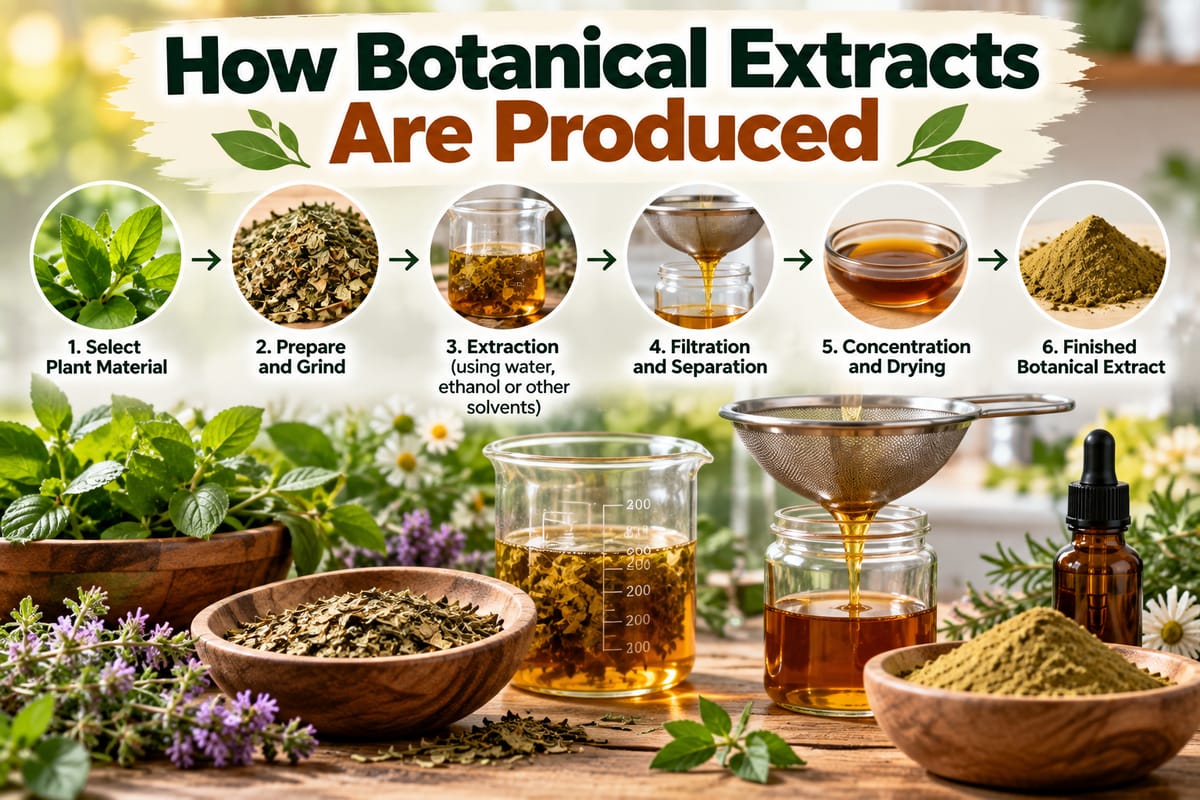
How Botanical Extracts Are Produced
Understanding how botanical extracts are produced also helps explain why an extract is not necessarily equivalent to simply consuming the original plant.
Read article
Natural Approaches for Occasional Muscle Discomfort
Understanding the available options can help people choose practical approaches while recognizing when self-care is no longer enough.
Read article

Join 10,000+ Readers Building Healthier Habits
Get actionable wellness tips every week plus our newest articles delivered straight to your inbox.