

Natural Drinks Traditionally Used as Home Remedies
For generations, people have prepared simple drinks from herbs, spices, fruits and other natural ingredients as part of traditional home care. These beverages are often associated with everyday concerns such as an upset stomach, a sore throat, congestion, difficulty relaxing or simply staying hydrated.
Some traditional drinks are valued primarily for their warmth, flavor and comforting qualities, while others contain plant compounds that have been investigated by researchers. However, traditional use does not automatically prove that a drink can treat or cure a medical condition.
Understanding how these beverages are prepared, what they are traditionally used for and what safety considerations apply can help people make more informed choices.
What Are Natural Home-Remedy Drinks?
Natural home-remedy drinks are beverages made from ingredients traditionally used in households for comfort or wellness purposes.
They may include:
- Herbal teas
- Fruit-infused water
- Ginger drinks
- Cinnamon beverages
- Turmeric drinks
- Peppermint infusions
- Chamomile tea
- Warm lemon drinks
- Honey-based beverages
- Broths and other traditional preparations
Some are consumed as part of cultural traditions, while others have become popular because people associate them with particular wellness benefits.
The Complete Guide to Home Remedies provides a broader look at how household remedies are traditionally used and why they should be approached thoughtfully.
Ginger Tea
Ginger tea is one of the most familiar traditional drinks made from a plant root.
Fresh ginger can be sliced or grated and steeped in hot water. Some people add lemon or honey for flavor.
Ginger has traditionally been used in various cultures for digestive discomfort, nausea and symptoms associated with colds.
Research has investigated ginger and nausea in particular, although evidence varies according to the specific situation, preparation and amount consumed.
Ginger tea is generally consumed as a beverage rather than as a replacement for medical treatment.
Warm Lemon and Honey Drinks
Warm water combined with lemon and honey is a common household beverage, particularly during periods of throat discomfort or coughing.
Honey can provide a soothing coating sensation in the throat, while a warm drink may feel comforting when someone is unwell.
Lemon contributes flavor and acidity and can provide vitamin C, although the amount in a typical drink should not be considered a treatment for illness.
Honey should not be given to infants under 12 months of age because of the risk of infant botulism.
Peppermint Tea
Peppermint leaves are traditionally prepared as an infusion and consumed after meals or when digestive discomfort occurs.
Peppermint contains compounds such as menthol that give the plant its characteristic cooling aroma and flavor.
Peppermint tea is generally different from concentrated peppermint oil. Oils can contain much higher concentrations of active compounds and have different safety considerations.
People with certain digestive conditions may also find that peppermint products worsen symptoms such as heartburn or reflux.
Chamomile Tea
Chamomile tea is traditionally associated with relaxation and bedtime routines.
The dried flowers are generally steeped in hot water to make an infusion.
Chamomile has been studied for several potential effects, including those related to relaxation and sleep, but research findings vary and evidence for specific medical uses is not uniform.
People who are allergic to plants in the daisy family may need to take particular care with chamomile.
Cinnamon Drinks
Cinnamon can be added to hot water, tea or other beverages.
Traditional preparations have used cinnamon for digestive and warming purposes, and the spice contains naturally occurring compounds that have been studied in laboratory and human research.
However, consuming cinnamon as a flavorful beverage is different from taking concentrated cinnamon supplements.
Large or frequent amounts of certain types of cinnamon can increase exposure to coumarin, a naturally occurring compound that can affect the liver in susceptible people.
Turmeric Drinks
Turmeric is widely used as a culinary spice and has also been incorporated into traditional preparations.
Turmeric drinks may combine turmeric with warm milk, water, tea or other ingredients.
Turmeric contains curcuminoids, including curcumin, which have been extensively studied for their biological activity.
However, evidence about the health effects of consuming turmeric in ordinary foods or drinks should not automatically be applied to concentrated curcumin supplements.
The amounts and absorption of these preparations can differ substantially.
Herbal Teas and Infusions
Herbal teas and infusions encompass a large category of traditional beverages.
They can be made from:
- Leaves
- Flowers
- Roots
- Seeds
- Bark
- Fruits
- Spices
Some are steeped briefly in hot water, while tougher plant materials may traditionally be simmered for longer periods.
The preparation method can affect which compounds enter the finished drink.
For a broader explanation of these beverages, see the Complete Guide to Herbal Teas and Infusions.
Fennel Tea
Fennel seeds have a long history of culinary and traditional use.
They can be steeped in hot water to produce a sweet, aromatic drink that is sometimes consumed after meals.
Traditional practices have associated fennel preparations with digestion and abdominal comfort.
However, concentrated preparations may have different effects from the small amounts of fennel normally used in food.
Pregnant people, young children and individuals taking medications should be particularly cautious with medicinal quantities of herbs.
Licorice Root Drinks
Licorice root has traditionally been used to make sweet-tasting herbal beverages.
The root contains glycyrrhizin, a compound that can have significant effects when consumed in large amounts or over extended periods.
Excessive licorice consumption can contribute to problems such as increased blood pressure and low potassium levels and can interact with certain medications.
For this reason, traditional use does not mean that licorice beverages are appropriate for everyone.
Regular or concentrated use deserves particular caution.
Sage Tea
Sage has traditionally been used as both a culinary herb and an herbal preparation.
Sage leaves can be steeped in hot water to create an aromatic tea.
Traditional uses have included preparations for throat comfort and digestive complaints.
However, sage contains compounds that can be problematic at high doses, particularly in concentrated forms. Sage essential oil is substantially more concentrated than ordinary sage tea and should not be treated as an interchangeable product.
Thyme Tea
Thyme is another culinary herb that has traditionally been prepared as an infusion.
Thyme tea is sometimes used as a warm beverage during periods of respiratory discomfort.
The herb contains aromatic compounds that contribute to its distinctive smell and flavor.
While traditional use can provide historical context, evidence for a particular therapeutic effect should be considered separately from the fact that a plant has been used for generations.
Garlic Drinks and Broths
Garlic is commonly consumed as food and appears in numerous traditional preparations.
Some home remedies involve combining garlic with hot water, broth, lemon or other ingredients.
Garlic contains sulfur-containing compounds that have been studied for their biological effects.
However, a homemade garlic drink should not be viewed as a substitute for appropriate treatment of an infection or other serious illness.
Using garlic as part of a normal diet is also different from consuming concentrated garlic preparations or supplements.
Warm Water With Fresh Ingredients
Not every traditional wellness drink needs to contain an herb with a specific medicinal claim.
Warm water infused with ingredients such as lemon, ginger, mint or fruit can provide hydration and may be comforting.
For many people, the practical benefit may simply be making it easier and more enjoyable to consume fluids.
This distinction is important because hydration and comfort can be useful without requiring the beverage to be described as a treatment.
Why Warm Drinks Can Feel Soothing
The temperature and sensory qualities of a drink can influence how it feels when consumed.
Warm liquids may temporarily soothe an irritated throat and can be comforting when someone has congestion or feels generally unwell.
A warm beverage can also become part of a relaxing routine, particularly when consumed before bedtime.
These effects should not be confused with evidence that a particular drink eliminates the underlying cause of an illness.
The Role of Honey
Honey is frequently included in traditional home-remedy beverages.
Its sweetness makes herbal drinks more palatable, and its texture can provide a soothing sensation in the throat.
Honey has also been studied in relation to cough symptoms, particularly in children older than one year.
However, honey remains a source of sugar and should be consumed accordingly.
Again, honey must not be given to children younger than 12 months.
Natural Drinks and Herbal Medicine
A beverage made from a plant is not necessarily the same thing as herbal medicine in a clinical or pharmaceutical sense.
The concentration of plant compounds can vary considerably between:
- A cup of tea
- A decoction
- A tincture
- An extract
- A capsule
- An essential oil
The method of preparation can therefore make a significant difference.
The Herbal Medicine Explained guide offers additional context on the broader category of herbal preparations and how they differ.
Traditional Use Does Not Equal Proven Treatment
Many natural drinks have been used for centuries. That history can tell us something about cultural practices and how communities have traditionally approached everyday health concerns.
It does not, by itself, establish that a drink can prevent, treat or cure a particular disease.
Scientific research evaluates these questions differently.
Researchers may investigate a specific plant, preparation, dose, health condition and outcome. Results from one preparation cannot necessarily be generalized to every form of the same plant.
This is especially important when comparing a traditional household beverage with a concentrated extract used in research.
How Preparation Affects Natural Drinks
The way an ingredient is prepared can influence the resulting drink.
Factors include:
- Amount of the ingredient
- Water temperature
- Steeping time
- Simmering time
- Fresh versus dried material
- Whether the material is sliced, crushed or powdered
- Other ingredients added to the beverage
For example, a mild herbal infusion and a highly concentrated decoction may contain different amounts of plant compounds.
Therefore, saying that an herb has been “used traditionally” does not tell us exactly what dose or preparation was involved.
Choosing Ingredients Carefully
Natural ingredients can vary in quality.
When preparing herbal drinks, people should consider whether ingredients have been correctly identified and stored properly.
Moldy, contaminated or incorrectly identified plant material can create health risks.
Commercial herbal products can also differ in ingredient quality and concentration.
This is one reason it is useful to distinguish ordinary culinary use from products marketed as concentrated medicinal preparations.
Natural Does Not Always Mean Safe
The word “natural” describes an origin, not a guarantee of safety.
Plants can contain powerful chemical compounds. Some can affect blood pressure, blood clotting, blood sugar, the liver or the nervous system.
Potential risks can depend on:
- The plant
- The amount consumed
- Frequency of use
- Individual health conditions
- Other medications
- Pregnancy or breastfeeding
- Age
The Natural Remedies Safety Guide provides more information about interactions, risks and responsible use.
Herbal Drinks and Medication Interactions
Some herbs can interact with prescription or over-the-counter medicines.
For example, certain herbs may influence how medications are absorbed or metabolized, while others can affect blood clotting or blood pressure.
People taking regular medication should therefore check with a qualified healthcare professional or pharmacist before using concentrated herbal preparations regularly.
This is particularly important for people taking medicines with a narrow therapeutic range or medications used for significant chronic conditions.
Pregnancy and Breastfeeding
Pregnancy and breastfeeding require additional caution with herbal products.
Evidence about the safety of many herbs during pregnancy or breastfeeding is limited. Traditional use does not necessarily establish safety for pregnant or nursing people.
A beverage made from a culinary ingredient in ordinary food quantities may be very different from a concentrated herbal preparation.
Anyone who is pregnant or breastfeeding should seek appropriate professional advice before regularly consuming medicinal quantities of herbs.
Children and Natural Drinks
Children can respond differently to herbs and other concentrated ingredients than adults.
Some traditional remedies are not appropriate for young children, while others may have age-specific safety concerns.
Honey, for example, should not be given to infants younger than one year.
Parents and caregivers should avoid assuming that a drink is safe for a child simply because adults commonly consume it.
When a Home Remedy Is Not Enough
Traditional drinks can sometimes be part of ordinary comfort and self-care, but they should not delay necessary medical attention.
Medical advice may be important when symptoms are:
- Severe
- Persistent
- Rapidly worsening
- Associated with difficulty breathing
- Associated with severe dehydration
- Accompanied by significant bleeding
- Associated with severe or unusual pain
- Affecting a very young infant
- Occurring in someone with a serious underlying condition
A warm herbal drink may provide comfort, but it cannot replace diagnosis and treatment when a serious medical problem is present.
Keeping Traditional Drinks Simple
For everyday use, simple preparations can be easier to understand and manage.
A basic herbal infusion may involve placing a suitable amount of dried or fresh plant material in hot water and allowing it to steep before straining.
Other drinks can combine familiar culinary ingredients such as ginger, lemon or mint.
Keeping preparations simple also makes it easier to identify which ingredients are being consumed and avoid unnecessary combinations.
How to Think About Natural Drinks Responsibly
A practical approach is to separate three questions:
Is the drink traditionally used?
This addresses its cultural and historical role.
Is there scientific evidence for the claimed effect?
This addresses whether research supports a particular health benefit.
Is it appropriate and safe for this individual?
This considers allergies, medications, pregnancy, age, health conditions and dosage.
These questions can prevent traditional practices from being either dismissed without examination or accepted without sufficient evidence.
Making Natural Drinks Part of Everyday Wellness
Many traditional beverages can fit comfortably into an ordinary diet when consumed appropriately.
A cup of herbal tea can be part of a relaxing routine. Ginger or mint can add flavor to water. A warm honey and lemon drink can be comforting when the throat feels irritated.
The important distinction is between enjoying a beverage and relying on it as a treatment for a medical condition.
Natural drinks can have cultural value, culinary value and potential health-related properties, but their benefits and risks depend on the specific ingredients and circumstances.
From Traditional Kitchen Practice to Modern Wellness
Natural drinks traditionally used as home remedies reflect the way generations of households have incorporated plants, spices, fruits and other ingredients into everyday care. Ginger tea, chamomile, peppermint, warm honey drinks, cinnamon preparations and other beverages remain popular because they can be simple, comforting and familiar.
Modern research adds another layer to the discussion by examining individual ingredients and their potential effects under specific conditions. That evidence should be considered separately from traditional claims, while safety should remain part of the decision whenever herbs or concentrated preparations are involved.
Used thoughtfully, traditional drinks can be part of everyday food and wellness routines. They are best understood as complementary household practices rather than automatic substitutes for professional medical care when symptoms require diagnosis or treatment.
Continue Reading
Similar Posts

What Foods Are Considered Anti-Inflammatory?
Certain foods are commonly described as **anti-inflammatory foods** because they contain nutrients and plant compounds associated with healthier inflammatory responses.
Read article
When Natural Self Care Is Not Appropriate
Knowing when to stop relying on self-care and seek appropriate medical attention is an important part of using natural approaches responsibly.
Read article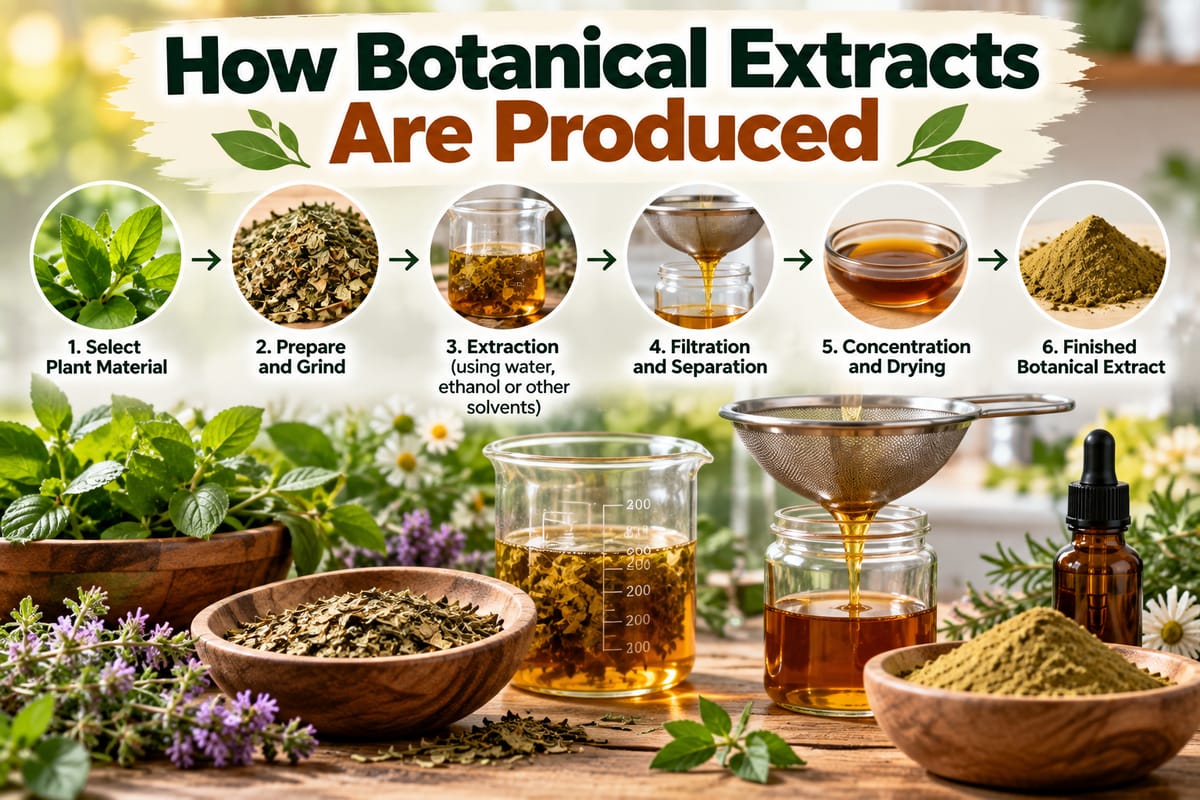
How Botanical Extracts Are Produced
Understanding how botanical extracts are produced also helps explain why an extract is not necessarily equivalent to simply consuming the original plant.
Read article

Join 10,000+ Readers Building Healthier Habits
Get actionable wellness tips every week plus our newest articles delivered straight to your inbox.