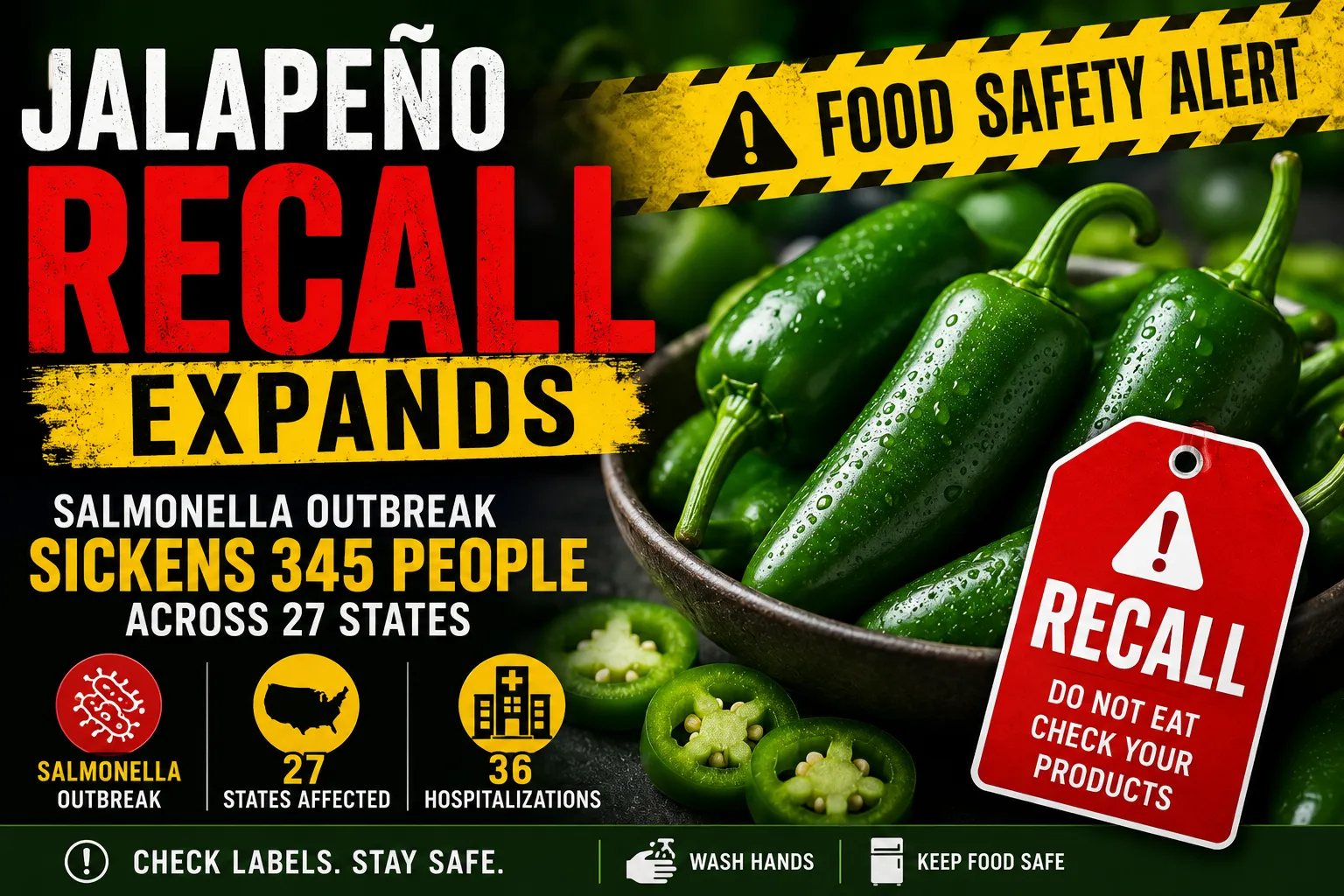

Jalapeño Recall Expands as Salmonella Outbreak Sickens 345 People Across 27 States
A multistate Salmonella outbreak linked to jalapeño peppers has triggered a widening wave of food recalls, with 345 illnesses reported across 27 states and 36 hospitalizations as federal health officials continue investigating the source and distribution of the contaminated produce. No deaths have been reported.
The latest developments have expanded the issue beyond restaurants. Prepared foods containing the potentially contaminated jalapeños are now being recalled from major grocery retailers, including products such as salsa, guacamole, dips, burritos and other ready-to-eat foods.
What Is Behind the Jalapeño Recall?
Investigators have traced the jalapeños connected to the outbreak to a grower in Sinaloa, Mexico. The peppers were distributed in the United States by Coast Citrus Distributors, based in California.
The outbreak involves Salmonella Javiana, according to reporting on the federal investigation.
The investigation initially drew attention after illnesses were reported among people who had eaten at Mexican-style restaurants. Federal investigators found that most interviewed patients had reported eating at such restaurants during the relevant period.
Among 191 people interviewed during the investigation, 177—about 93%—reported eating at Mexican-style restaurants between June 14 and July 14.
That evidence helped investigators identify jalapeños as a potential common source.
How Large Is the Outbreak?
The latest reported figures are:
| Outbreak measure | Reported figure |
|---|---|
| Illnesses | 345 |
| States affected | 27 |
| Hospitalizations | 36 |
| Reported deaths | 0 |
Minnesota and Colorado have reported the largest numbers of illnesses, with 110 cases each according to reports based on the federal investigation. Illinois has also reported a significant number of cases.
Health officials continue to investigate because outbreak totals can change as additional illnesses are identified and laboratory results are linked to the outbreak strain.
Which Stores and Foods Are Involved?
The recall has expanded beyond whole jalapeño peppers to prepared foods made with potentially contaminated peppers.
Products being recalled have included:
- Salsa
- Pico de gallo
- Guacamole
- Taco dips
- Dips and spreads
- Burritos
- Prepared sandwiches
- Other ready-to-eat foods containing jalapeños
Products connected to the recall have been sold through major retailers including Walmart, Target, Whole Foods, Trader Joe’s, Kroger, Hannaford and Stop & Shop.
Because different products were distributed in different states, consumers should not assume that every recalled item was sold nationwide.
Taylor Farms Recalls Jalapeño-Containing Products
Taylor Fresh Foods, the parent company of Taylor Farms, has issued voluntary recalls involving products made with jalapeños associated with the investigation.
The recalled foods include items such as guacamole, pico de gallo and taco dip. Some products carried “Best If Used By” dates extending through August 16, 2026.
Importantly, authorities have not directly linked illnesses to the recalled Taylor Farms products at this point. The products are being recalled because they contain jalapeños associated with the potential contamination.
Taylor Farms has also stopped sourcing jalapeños from the implicated grower and switched to alternative suppliers.
Consumers can see how the same ingredient-related concern affects prepared foods in Taylor Farms Recall: What Consumers Need to Know.
Whole Foods Expands the Recall Picture
Whole Foods has also recalled selected products containing jalapeños because of the potential Salmonella contamination.
The affected products include prepared foods such as salsa, guacamole and pico de gallo. The company said potentially affected products had been removed from stores and advised customers to discard recalled products and seek refunds.
The expansion matters because consumers may not realize that a recalled pepper can be present in a prepared food that does not prominently advertise jalapeños as its main ingredient.
What About Chipotle and QDOBA?
Chipotle and QDOBA were among the restaurant chains affected by the investigation after contaminated jalapeños were connected to illnesses.
Both chains removed the potentially affected peppers and changed their sourcing arrangements.
The development also demonstrates why foodborne illness investigations can spread beyond a single restaurant or retailer.
A contaminated ingredient can move through a complicated supply chain before reaching consumers in multiple locations.
Should Consumers Stop Eating Jalapeños?
Consumers should not assume that every jalapeño is contaminated.
The concern is specifically related to jalapeños connected to the identified supply chain and associated recalls.
However, anyone who has a recalled product should follow the recall instructions rather than trying to determine whether it “looks” contaminated.
Food contaminated with Salmonella may look, smell and taste normal.
What Should You Do If You Have a Recalled Product?
If you discover that you have a recalled product, the safest approach is to avoid eating it.
Consumers should:
- Do not eat the recalled food.
- Check the product name, package information and date against the recall notice.
- Dispose of the affected product according to recall instructions.
- Wash your hands after handling it.
- Clean surfaces or containers that may have come into contact with the food.
- Follow the retailer or manufacturer’s instructions for refunds or replacement.
Do not taste a questionable product to determine whether it is safe.
What Are the Symptoms of Salmonella?
Salmonella infection can cause gastrointestinal illness.
Common symptoms include:
- Diarrhea
- Fever
- Stomach cramps
- Nausea
- Vomiting
- Headache
Symptoms can begin several hours to several days after infection, and many people recover without specific treatment. However, Salmonella infections can sometimes become serious, particularly when infection spreads beyond the intestines.
Young children, older adults and people with weakened immune systems can face a greater risk of serious illness.
Anyone who develops concerning symptoms should contact a healthcare professional, particularly if symptoms are severe, persistent or accompanied by signs of dehydration.
When Should You Seek Medical Care?
A person experiencing food poisoning may recover at home, but some symptoms warrant medical attention.
Seek professional medical advice if there is:
- Severe or persistent diarrhea
- Bloody stool
- Significant dehydration
- High or persistent fever
- Severe abdominal pain
- Symptoms that are getting worse
- Symptoms in a young child, older adult or person with a weakened immune system
People should also tell their healthcare provider about possible exposure to recalled food if they become ill.
Why Can Fresh Produce Cause Salmonella Outbreaks?
Salmonella is often associated in the public mind with foods such as poultry and eggs, but contaminated produce can also transmit the bacteria.
Fresh produce can become contaminated at different points in the supply chain, including during growing, harvesting, handling, processing, transportation or preparation.
Because fruits and vegetables are often eaten raw or only lightly processed, there may be no later cooking step capable of eliminating the bacteria.
That makes supply-chain controls and proper food handling particularly important.
Why the Recall Is Expanding
The expanding recall illustrates how investigators trace a contaminated ingredient through the food supply chain.
A single grower may supply a distributor. That distributor may supply food processors, restaurants and retailers. Processors may then use the ingredient in several different prepared foods.
As investigators identify where the potentially contaminated peppers went, additional products can be recalled as a precaution.
This means a recall can grow even after the original source has been identified.
Could More Cases Be Reported?
Yes.
Foodborne illness investigations can take time because people may become sick days after exposure, seek medical care at different times, and require laboratory testing before their illness can be connected to an outbreak.
Federal investigators may also identify additional cases as they compare laboratory results and interview affected individuals.
The reported 345 cases should therefore be viewed as the current reported total, not necessarily a final count.
What Consumers Should Watch For Next
The most important development to watch is whether investigators identify additional products, retailers, restaurants or distribution routes connected to the implicated jalapeños.
Consumers should pay particular attention to:
- New recall announcements
- Expanded product lists
- Updated best-by dates
- Additional distribution states
- New restaurant or retailer advisories
- Changes in the reported illness count
- Updated public health guidance
Because the investigation remains active, recall information can change as more of the supply chain is traced.
Consumers following food-safety developments can also see how regulatory changes affect other products by reviewing New Orange Juice Rule Takes Effect August 19.
Food Safety Lessons From the Outbreak
The jalapeño outbreak also highlights several practical food-safety lessons for consumers.
Wash Your Hands
Wash your hands before preparing food and after handling potentially contaminated products.
Clean Food-Preparation Surfaces
Countertops, cutting boards, utensils and refrigerator surfaces can potentially become contaminated through contact with unsafe food.
Keep Raw and Ready-to-Eat Foods Separate
Avoid allowing raw produce or other potentially contaminated foods to come into contact with foods that will be eaten without further cooking.
Follow Recall Instructions
Do not rely on appearance or smell to determine whether recalled food is safe.
Take Recalls Seriously
A recall is issued because there is a known or potential safety concern. If you have an affected product, following the instructions is generally safer than taking chances.
The Bigger Issue: Tracking Food From Farm to Table
The jalapeño outbreak demonstrates the complexity of the modern food system.
A pepper grown thousands of miles away can eventually appear in a restaurant meal, supermarket salsa, prepared sandwich or packaged dip.
When investigators find a contamination problem, identifying every place an ingredient traveled can be challenging.
That is why traceback investigations are such an important part of food safety. Identifying the source can help officials and businesses remove potentially contaminated products before more people are exposed.
What Consumers Should Know Right Now
The key message is not that consumers need to avoid all jalapeños or all Mexican food.
Instead, consumers should check current recall information carefully and avoid any specifically recalled product.
The outbreak has already resulted in 345 reported illnesses across 27 states and 36 hospitalizations, while recalls involving jalapeño-containing foods have expanded across major retailers. No deaths have been reported, and investigators continue working to determine the full scope of the contamination.
For anyone who has recalled salsa, guacamole, pico de gallo, dips or other prepared foods at home, the safest approach is simple: check the product details, don’t eat anything covered by the recall, and follow the latest safety instructions from health authorities or the manufacturer.
Continue Reading
Similar Posts
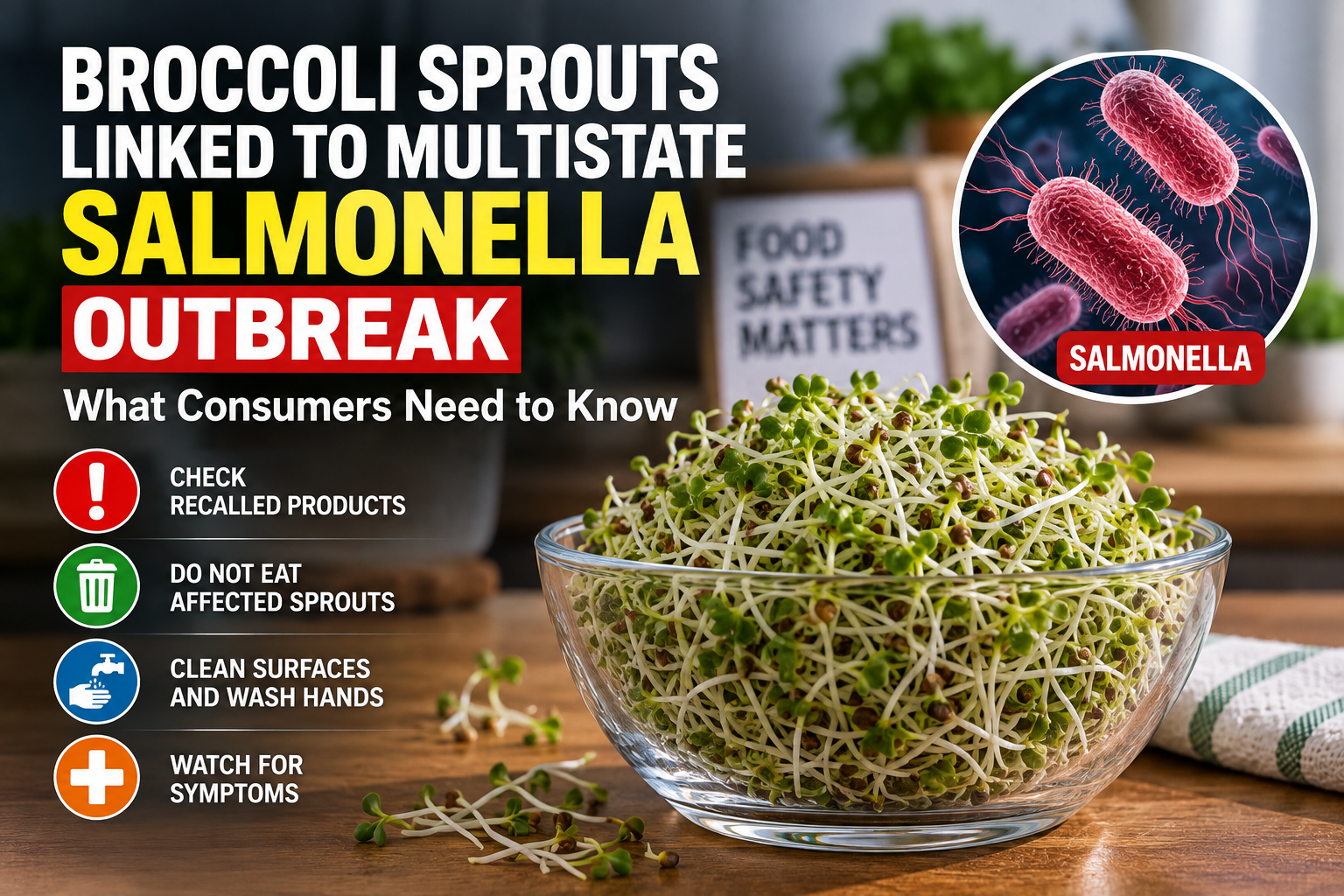
Broccoli Sprouts Linked to Multistate Salmonella Outbreak: What Consumers Need to Know
For consumers, the most important step is to determine whether recalled broccoli sprouts are in the refrigerator, freezer, or kitchen and to avoid eating, serving, or selling them.
Read article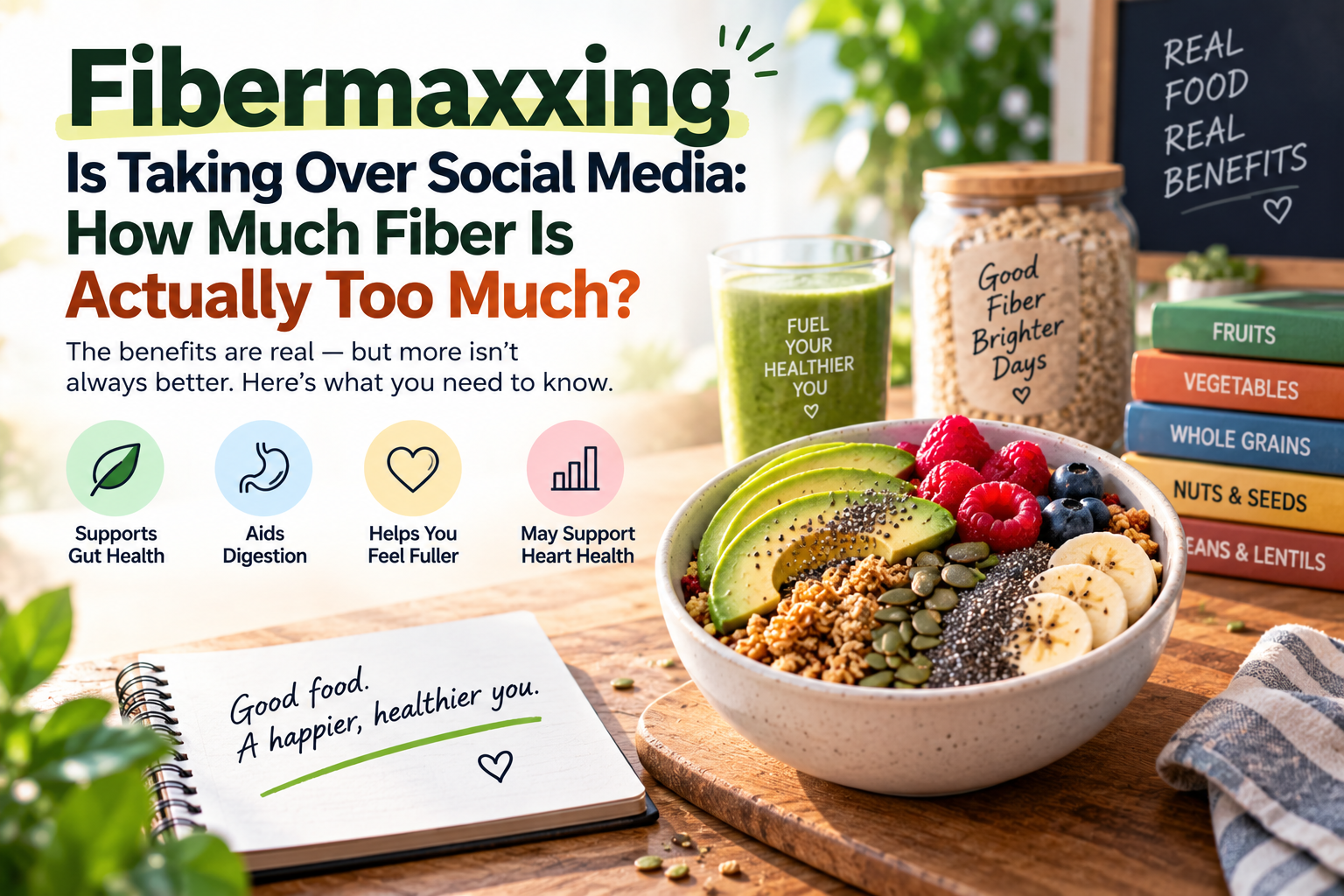
Fibermaxxing Is Taking Over Social Media: How Much Fiber Is Actually Too Much
More is not automatically better. Increasing fiber too rapidly or consuming very large amounts can cause bloating, gas, abdominal discomfort, constipation, or changes in bowel habits.
Read article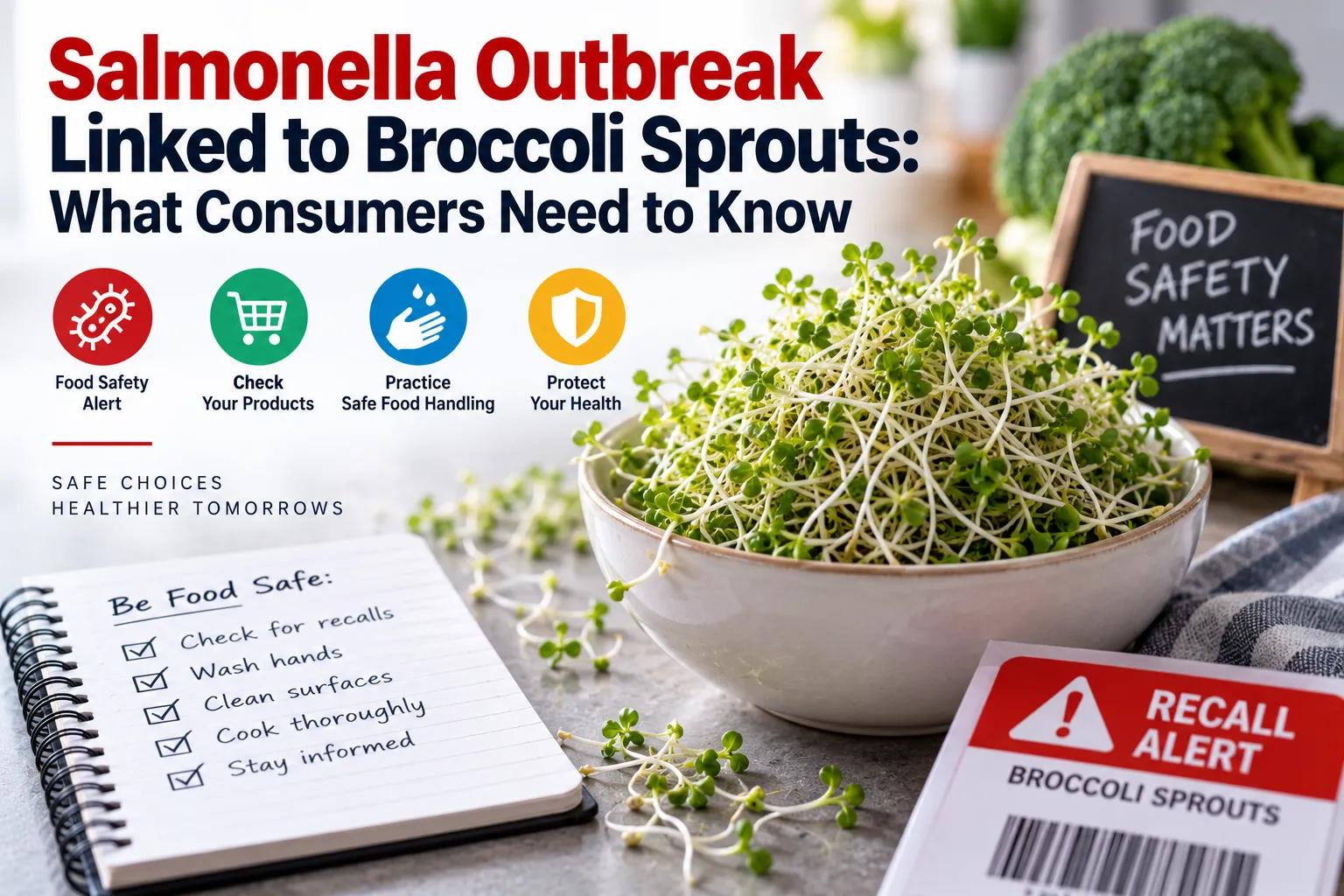
Salmonella Outbreak Linked to Broccoli Sprouts: What Consumers Need to Know
For consumers, the most important issue right now is knowing what products are affected, what symptoms to watch for, and how to reduce the risk of foodborne illness.
Read article

Join 10,000+ Readers Building Healthier Habits
Get actionable wellness tips every week plus our newest articles delivered straight to your inbox.