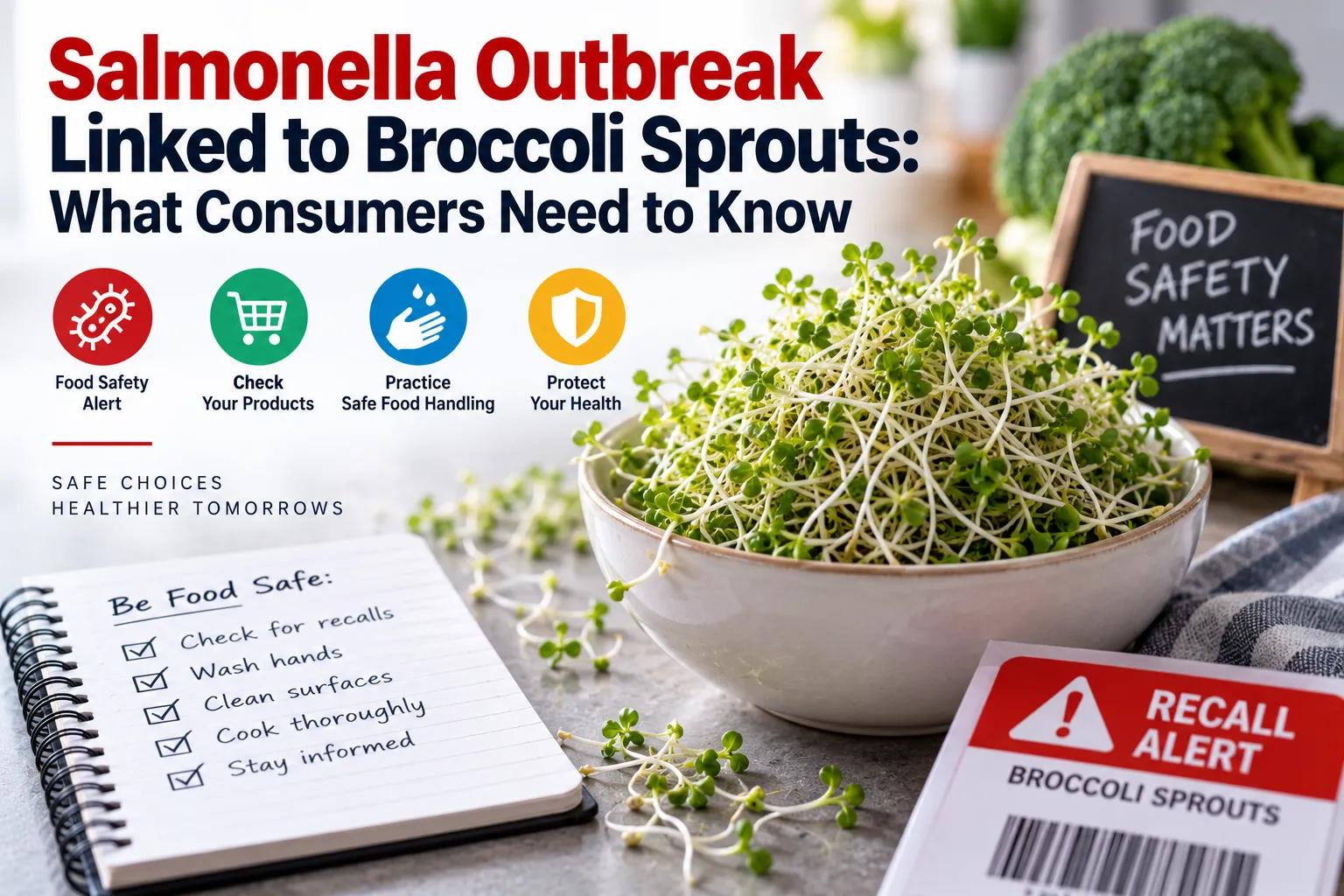

**Salmonella Outbreak Linked to Broccoli Sprouts: What Consumers Need to Know
A new multistate Salmonella outbreak linked to broccoli sprouts has prompted a recall and a warning from U.S. food safety officials, putting consumers on notice about a food that is often marketed as a nutritious addition to salads, sandwiches, bowls, and other meals.
As of September 9, 2026, the U.S. Food and Drug Administration (FDA) and Centers for Disease Control and Prevention (CDC) were investigating 22 illnesses in four states, with two people hospitalized and no deaths reported. The illnesses have been linked to broccoli sprouts grown by Evergreen Fresh Sprouts, LLC, of Moyie Springs, Idaho.
The investigation is still underway, meaning the situation could change as health officials receive additional information.
For consumers, the most important issue right now is knowing what products are affected, what symptoms to watch for, and how to reduce the risk of foodborne illness.
What We Know About the Broccoli Sprout Outbreak
The outbreak involves a strain called Salmonella Bovismorbificans.
According to the FDA, illnesses began between July 7 and August 26, 2026. Of the 19 people interviewed by investigators, all reported eating sprouts, while 17 specifically reported eating broccoli sprouts.
Cases have been identified in:
- Idaho
- Montana
- Utah
- Washington
The recalled products were distributed to grocery stores, restaurants, and foodservice customers in Idaho, Montana, and Washington, although officials say the products may have traveled farther.
Investigators traced the common broccoli sprouts back to Evergreen Fresh Sprouts. A sample collected and tested by Montana state officials was positive for Salmonella, and genetic analysis found that the Salmonella strain in the sample matched the outbreak strain.
The company initiated its recall on September 4.
Which Broccoli Sprouts Are Recalled?
The FDA says consumers should not eat, serve, or sell recalled broccoli sprouts grown by Evergreen Fresh Sprouts, LLC.
The affected sprouts were packaged in plastic bags or plastic clamshell containers and have expiration dates of:
- September 7, 2026
- September 9, 2026
- September 11, 2026
- September 14, 2026
- September 16, 2026
The recalled products may have been sold through grocery stores, restaurants, and foodservice operations.
If you have broccoli sprouts in your refrigerator, checking the package rather than relying on appearance is important.
Contaminated food may look, smell, and taste normal.
What Consumers Should Do With Recalled Sprouts
If you have recalled broccoli sprouts, do not eat them.
The FDA recommends that consumers:
- Do not eat the recalled sprouts.
- Do not serve them to other people.
- Do not sell or distribute them.
- Throw them away or follow the recall instructions for returning them.
- Clean and sanitize surfaces or containers that may have touched the sprouts.
Cleaning is particularly important because bacteria can potentially spread from contaminated food to refrigerators, countertops, cutting boards, utensils, containers, and other foods.
If you are unsure whether a package is part of the recall, it is safer not to consume it until you can verify the product information.
Why Are Sprouts Associated With Foodborne Illness?
Sprouts are unusual from a food-safety perspective because of how they are grown.
Seeds are sprouted under warm, moist, nutrient-rich conditions. Those conditions help the seeds develop into sprouts, but they can also provide an environment in which harmful bacteria multiply.
This creates a challenge that is different from many other fresh vegetables.
If harmful bacteria are present on or in a seed, the sprouting process can provide conditions that allow the bacteria to increase.
That is one reason raw and lightly cooked sprouts have historically been associated with foodborne illness outbreaks.
Broccoli Sprouts Can Still Be Nutritious
The current outbreak does not mean broccoli sprouts are inherently unhealthy from a nutritional standpoint.
Broccoli sprouts are often eaten because they provide nutrients and plant compounds and can be incorporated into salads, sandwiches, wraps, smoothies, and other foods.
The issue is food safety, not the nutritional value of broccoli sprouts themselves.
The same distinction is important with many other foods. A nutritious food can still carry a foodborne illness risk if it becomes contaminated.
For consumers, the goal is to balance nutritional benefits with appropriate food-safety practices.
What Are the Symptoms of Salmonella?
Salmonella infection can cause gastrointestinal illness.
Common symptoms include:
- Diarrhea
- Fever
- Stomach or abdominal cramps
- Nausea
- Vomiting in some cases
For the current outbreak, the FDA says illness usually occurs 12 to 72 hours after eating contaminated food, and symptoms typically last four to seven days.
However, the timing and severity of illness can vary between individuals.
Not everyone who becomes infected develops exactly the same symptoms.
When Salmonella Can Become More Serious
Most people recover from Salmonella infection, but some people have a higher risk of developing severe illness.
Groups of particular concern include:
- Children younger than five
- Adults 65 and older
- People with weakened immune systems
The FDA specifically identifies these groups as more likely to experience severe Salmonella infections.
Anyone who develops significant symptoms after eating recalled food should contact a healthcare professional for advice.
Warning Signs That Need Medical Attention
Certain symptoms should not be ignored.
Seek medical attention if you experience symptoms such as:
- Bloody diarrhea
- Significant or persistent diarrhea
- High fever
- Repeated vomiting that prevents you from keeping fluids down
- Signs of dehydration
- Severe or worsening illness
Washington state health officials specifically advise seeking medical attention for diarrhea accompanied by a fever above 102°F, diarrhea lasting more than three days without improvement, bloody diarrhea, severe vomiting, or signs of dehydration.
People who are particularly vulnerable to severe foodborne illness should seek medical advice promptly if symptoms develop.
Don’t Assume You Are Safe Because the Sprouts Look Fresh
One of the biggest problems with foodborne pathogens is that contamination may not produce obvious warning signs.
A package can appear fresh while still carrying harmful bacteria.
That means consumers should not use:
- Appearance
- Smell
- Texture
- Taste
as a substitute for checking a recall.
This is especially important during an active foodborne illness investigation.
Cooking Sprouts Can Reduce the Risk
Raw and lightly cooked sprouts present a higher food-safety risk than thoroughly cooked sprouts.
The CDC identifies raw or undercooked sprouts as a riskier food choice and recommends cooked sprouts as a safer alternative.
Thorough cooking can kill Salmonella and other harmful bacteria.
However, consumers should still follow recall instructions. Cooking is not a reason to consume a product that has been specifically recalled.
If a food has been recalled because of confirmed contamination, the safest response is to discard or return it rather than attempting to make it safe through cooking.
Why Washing Recalled Sprouts Is Not Enough
Washing fresh produce is generally an important part of food hygiene, but washing should not be viewed as a solution for recalled sprouts.
If a product has been recalled because it is associated with an outbreak, consumers should not attempt to rescue it by rinsing, soaking, or cleaning it.
The appropriate action is to remove the product from the food supply.
Cleaning becomes important afterward to reduce the possibility that bacteria from the recalled food remain on surfaces or containers.
How Cross-Contamination Can Happen
Cross-contamination occurs when harmful microorganisms move from one food, surface, utensil, or person’s hands to another.
For example, contaminated sprouts could potentially come into contact with:
- Refrigerator shelves
- Cutting boards
- Kitchen counters
- Knives
- Food containers
- Plates
- Other produce
A person could then touch another food with contaminated hands or equipment.
This is why the FDA recommends carefully cleaning and sanitizing surfaces and containers that came into contact with recalled sprouts.
What to Do After Handling Recalled Sprouts
If you discover that you have recalled broccoli sprouts at home, take a few practical steps.
1. Dispose of the Product Safely
Do not taste the sprouts to determine whether they are safe.
Discard them according to the recall instructions.
2. Wash Your Hands
Wash your hands thoroughly with soap and water after handling the recalled product or anything that may have been contaminated.
3. Clean Food-Contact Surfaces
Clean countertops, cutting boards, utensils, refrigerator surfaces, and containers that may have touched the sprouts.
4. Check Nearby Foods
Consider whether the recalled product came into contact with other foods.
If another food may have been contaminated, evaluate whether it should also be discarded.
5. Monitor Your Health
If you ate the recalled sprouts, pay attention to symptoms over the following days and contact a healthcare professional if you become ill.
How This Outbreak Differs From the Recent Alfalfa Sprout Outbreak
The broccoli sprout outbreak is particularly important to distinguish from another ongoing U.S. outbreak involving sprouts.
In August 2026, CDC and FDA investigated a separate outbreak involving alfalfa sprouts produced by Everything Sprouts, LLC, with both Salmonella and Shiga toxin-producing E. coli infections reported.
The broccoli sprout investigation involving Evergreen Fresh Sprouts is being investigated separately.
This distinction matters because consumers may otherwise assume that all recent reports about sprouts involve the same contaminated product.
They do not.
The recent Jalapeño Recall Expands as Salmonella Outbreak Sickens 345 People Across 27 States provides another example of how foodborne illness investigations can involve specific products, suppliers, distribution networks, and recalls.
Likewise, the Taylor Farms Recall: What Consumers Need to Know About the Latest Salmonella Risk offers additional context about how consumers should respond when a food product becomes associated with a Salmonella concern.
Why Food Recalls Can Expand
Foodborne illness investigations often develop over time.
When health officials identify a possible common food source, they collect information from people who became sick, test food and environmental samples, examine distribution records, and perform laboratory analyses.
As more evidence becomes available, officials may:
- Identify additional cases
- Expand a recall
- Identify additional distribution areas
- Add products to a recall
- Narrow the suspected source
- Issue new consumer recommendations
That is why an initial warning can change after a few days.
Consumers should rely on current recall information rather than an older social media post or outdated news report.
Why the Number of Reported Cases May Not Tell the Whole Story
The reported case count is important, but it does not necessarily represent every person who became sick.
Some people with Salmonella symptoms never visit a doctor.
Others may recover without being tested.
Even when someone receives medical care, identifying the specific outbreak strain can take time.
The FDA therefore notes that the investigation may develop as additional information becomes available.
This is one reason public health officials continue investigating even after a suspected food source has been identified.
Food Safety Is Part of Infectious Disease Prevention
Foodborne illness prevention is one part of the broader effort to reduce infectious diseases.
Basic practices such as handwashing, safe food preparation, proper storage, separating raw and ready-to-eat foods, and following recalls can reduce exposure to harmful microorganisms.
For a broader look at these principles, the Guide to Infectious Disease Prevention explains how everyday prevention strategies can reduce the spread and impact of infectious diseases.
Vaccination can also prevent certain infectious diseases, although vaccines are not a general solution for Salmonella food poisoning. The How Vaccines Help Prevent Infectious Diseases explores the role vaccines play in preventing diseases for which effective vaccines are available.
Should Everyone Stop Eating Broccoli Sprouts?
The current recall does not mean consumers should assume every broccoli sprout product is contaminated.
The FDA’s warning is specifically directed at recalled broccoli sprouts grown by Evergreen Fresh Sprouts, LLC.
At the same time, sprouts have a known food-safety risk because of the conditions under which they are grown. FDA notes that raw or lightly cooked sprouts can contain bacteria capable of causing foodborne illness.
People who are more vulnerable to severe foodborne illness may want to discuss raw sprout consumption with a healthcare professional.
For the general population, following current recalls and using appropriate food-safety practices is essential.
What Restaurants and Grocery Stores Need to Know
The recall is not only a consumer issue.
Restaurants, retailers, and foodservice operations that received the affected sprouts should not sell or serve them.
They should also identify products that may have been prepared using the recalled sprouts and clean surfaces and equipment that may have come into contact with them.
The FDA specifically advises restaurants and retailers not to sell or serve the recalled broccoli sprouts.
This can be especially important for restaurants that use sprouts as ingredients in:
- Sandwiches
- Salads
- Wraps
- Sushi
- Bowls
- Garnishes
- Prepared meals
How Consumers Can Reduce Foodborne Illness Risk
A single recall can serve as a reminder of broader food-safety habits.
Consumers can reduce their risk by:
- Washing hands before preparing food
- Cleaning kitchen surfaces regularly
- Keeping raw and ready-to-eat foods separate
- Refrigerating perishable foods promptly
- Following cooking instructions
- Checking food recalls
- Avoiding recalled products
- Being especially cautious with high-risk foods
- Following food-safety recommendations when preparing fresh produce
Fresh produce remains an important part of a healthy diet. The goal is not to avoid nutritious foods unnecessarily, but to handle them safely.
What Happens Next With the Broccoli Sprout Investigation?
The FDA says the investigation remains ongoing.
Health officials are continuing to examine the outbreak, including the distribution of the implicated sprouts and additional epidemiological and laboratory information.
The current evidence has established a connection between the outbreak strain and the recalled broccoli sprouts, but the investigation can still produce additional information.
For consumers, that means the situation should be treated as active rather than resolved.
The safest approach is to follow the latest public health instructions and avoid the recalled products.
A Practical Checklist for Consumers
If you regularly buy sprouts, keep this checklist in mind:
Check the package.
Look at the grower, product information, and expiration or lot details.
Check current recalls.
Food safety investigations can change as new information becomes available.
Don’t eat recalled food.
Do not rely on washing, cooking, smell, or appearance to override a recall.
Clean after handling recalled products.
Surfaces and containers can require attention after contact with contaminated food.
Know the symptoms.
Diarrhea, fever, and abdominal cramps are common signs of Salmonella infection.
Take severe symptoms seriously.
Bloody diarrhea, persistent illness, severe vomiting, high fever, or dehydration warrant medical attention.
Be cautious with raw sprouts.
Sprouts are grown in conditions that can support the growth of harmful bacteria.
What Consumers Should Remember Right Now
The most important message from the current investigation is straightforward: do not eat recalled broccoli sprouts from Evergreen Fresh Sprouts, LLC with the affected expiration dates.
As of September 9, officials had identified 22 illnesses across Idaho, Montana, Utah, and Washington, with two hospitalizations and no deaths. Investigators linked the outbreak strain to a Salmonella-positive sample from the implicated grower, and the investigation remains ongoing.
For consumers who have not purchased the recalled products, there is no need to panic. Instead, the outbreak is a reminder that even foods associated with a healthy diet require careful handling.
Checking recalls, practicing good kitchen hygiene, understanding the particular risks associated with raw sprouts, and knowing when to seek medical care can all help consumers make safer decisions while food safety officials continue working to determine whether additional products or illnesses are involved.
Continue Reading
Similar Posts
Broccoli Sprouts Linked to Multistate Salmonella Outbreak: What Consumers Need to Know
For consumers, the most important step is to determine whether recalled broccoli sprouts are in the refrigerator, freezer, or kitchen and to avoid eating, serving, or selling them.
Read article
Fibermaxxing Is Taking Over Social Media: How Much Fiber Is Actually Too Much
More is not automatically better. Increasing fiber too rapidly or consuming very large amounts can cause bloating, gas, abdominal discomfort, constipation, or changes in bowel habits.
Read article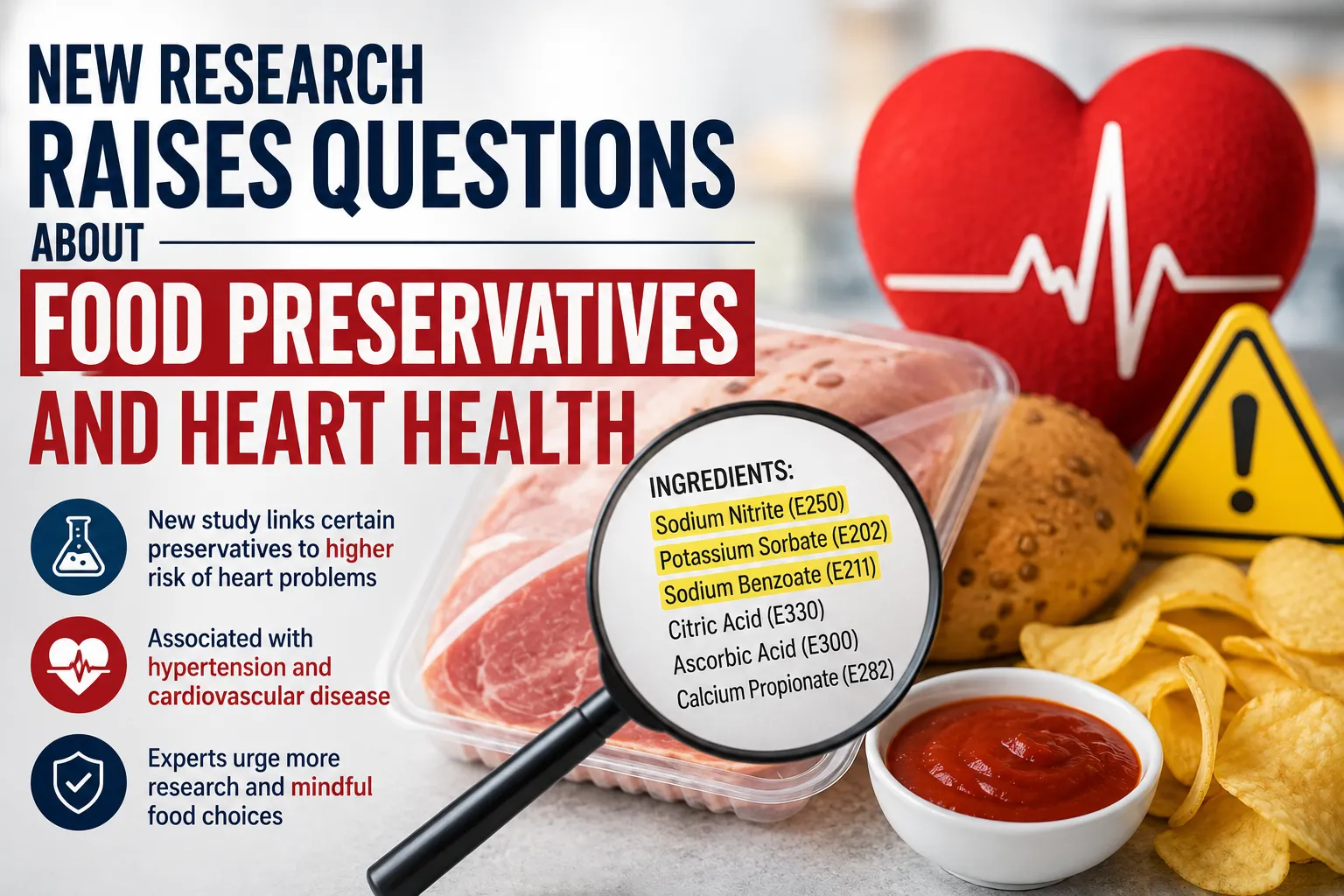
New Research Raises Questions About Food Preservatives and Heart Health
The results are particularly notable because researchers attempted to measure exposure to individual additives rather than simply classifying foods as 'healthy' or 'unhealthy'.
Read article

Join 10,000+ Readers Building Healthier Habits
Get actionable wellness tips every week plus our newest articles delivered straight to your inbox.