

Why Health History Matters for Women
A woman’s health history is more than a record of past illnesses. It is a collection of information that can help healthcare professionals understand current health concerns, identify potential risks, personalize preventive care, and make better-informed decisions about treatment.
Health history can include everything from menstrual patterns and pregnancies to medications, surgeries, allergies, family health conditions, lifestyle factors, and previous diagnoses. Some details that may seem unrelated to a current appointment can provide important clues when considered as part of the bigger picture.
For women, keeping an accurate health history can be especially valuable because health needs can change significantly throughout different stages of life.
What Is a Health History?
A health history is a record of information about a person’s physical and sometimes emotional health over time.
It may include:
- Previous illnesses and medical conditions
- Surgeries and hospitalizations
- Prescription and over-the-counter medications
- Allergies and medication reactions
- Vaccination history
- Menstrual and reproductive history
- Pregnancy and childbirth history
- Family medical history
- Previous screening results
- Mental and emotional health history
- Lifestyle factors
- Smoking, alcohol, or substance use
- Exercise and dietary habits
- Previous injuries
- Relevant occupational or environmental exposures
This information does not need to be perfectly organized before a medical appointment. Even knowing approximate dates and major events can help create a more complete picture.
Why Women’s Health History Can Be Different
Women and men share many health concerns, but biological, reproductive, hormonal, and social factors can influence women’s health in distinctive ways.
The menstrual cycle, pregnancy, childbirth, contraception, menopause, and other reproductive experiences can affect healthcare decisions at different stages of life.
Understanding these differences is part of providing appropriate care. For a broader overview, What Are the Main Differences Between Women’s and Men’s Health Needs? explores some of the ways health considerations can differ.
A woman’s history can therefore provide context that may not be captured by a basic list of current symptoms.
Menstrual History Can Provide Important Health Information
Menstruation is a normal biological process, but changes in menstrual patterns can sometimes provide useful information about overall health.
A health history may include:
- Age when menstruation began
- Typical cycle length
- Duration of bleeding
- Changes in menstrual flow
- Pain or cramping
- Bleeding between periods
- Changes in cycle regularity
- Symptoms before or during menstruation
- The date of the last menstrual period
Keeping track of these details can make it easier to recognize changes.
A useful resource for understanding cycle patterns and common menstrual concerns is the Complete Guide to Menstrual Health and Cycles.
A significant or persistent change in menstrual patterns is worth discussing with a healthcare professional, particularly when it is accompanied by severe pain, unusually heavy bleeding, dizziness, fatigue, or other concerning symptoms.
Reproductive History Matters
Reproductive history can influence healthcare decisions well beyond pregnancy itself.
Relevant information may include:
- Previous pregnancies
- Births
- Miscarriages
- Pregnancy complications
- Ectopic pregnancies
- Fertility concerns
- Infertility treatment
- Contraceptive use
- Previous reproductive procedures
- Pregnancy-related medical conditions
This information can help healthcare professionals understand a woman’s reproductive background and consider appropriate screening, treatment, and counseling.
Reproductive health encompasses considerably more than fertility. The Complete Guide to Reproductive Health provides a broader look at the subject.
Pregnancy History Can Influence Future Care
Pregnancy can involve major changes throughout the body, and some pregnancy-related conditions may be relevant to health later in life.
When appropriate, healthcare professionals may ask about previous pregnancies, complications, blood pressure problems during pregnancy, gestational diabetes, premature delivery, or other significant events.
A woman does not necessarily need to remember every detail. Medical records can often provide additional information when necessary.
Being open about previous pregnancy experiences can help healthcare professionals place current symptoms and health risks in context.
Family History Can Reveal Potential Risk
Family history is another important part of a woman’s health record.
Certain health conditions can occur more frequently within families because of inherited genetic factors, shared environments, or combinations of both.
Important family history may include close relatives who have experienced conditions such as:
- Breast cancer
- Ovarian cancer
- Colorectal cancer
- Heart disease
- Stroke
- Diabetes
- High blood pressure
- Certain inherited disorders
- Osteoporosis
- Other significant or unusually early-onset diseases
The age at which a relative developed a condition can sometimes be relevant as well.
Knowing that a condition runs in a family does not mean an individual will necessarily develop it. Instead, family history can help healthcare professionals determine whether additional assessment or preventive strategies may be appropriate.
Breast Health History Is Worth Recording
Breast health is another area where a detailed history can provide useful context.
A woman’s record may include previous breast problems, breast procedures, imaging results, biopsies, or a family history of breast cancer.
Changes in breast appearance or sensation should also be discussed when they are new, persistent, or concerning.
Understanding how breast health is assessed can make conversations with healthcare professionals easier. The guide to Understanding Women’s Breast Health covers important aspects of breast health and awareness.
Medications and Supplements Should Be Part of the Record
It is easy to overlook medications when discussing health history, especially when a woman takes several products from different sources.
A complete medication history can include:
- Prescription medications
- Over-the-counter medicines
- Vitamins
- Mineral supplements
- Herbal products
- Hormonal medications
- Contraceptives
- Medications taken only occasionally
Whenever possible, knowing the name, dose, and frequency of a medication is helpful.
This information matters because medications can interact with one another, influence symptoms, or affect the suitability of certain treatments.
Allergies and Previous Reactions Matter
A history of allergies and medication reactions should be clearly communicated to healthcare professionals.
Not every unpleasant response to a medication is necessarily an allergy, but describing what happened can help clinicians distinguish between different types of reactions.
For example, a person may have experienced a rash, swelling, breathing difficulty, severe gastrointestinal symptoms, or another reaction after taking a particular medicine.
Recording the medication involved and what happened can be valuable information for future care.
Past Surgeries Can Provide Important Context
Previous surgeries and medical procedures should also be included in a health history.
This can include:
- Abdominal surgery
- Pelvic surgery
- Cesarean delivery
- Breast procedures
- Gynecological procedures
- Organ removal
- Previous biopsies
- Major orthopedic procedures
- Other significant operations
Even a procedure performed many years earlier may be relevant when evaluating a new symptom.
When possible, keeping copies of major medical reports can make it easier to provide accurate information when changing healthcare providers or seeking care in a new location.
Menopause and Hormonal Changes Become Important Later
Women’s health history continues to evolve throughout adulthood.
As women approach perimenopause and menopause, information about menstrual changes, symptoms, reproductive history, medications, and previous health conditions can become increasingly relevant.
Symptoms such as changes in menstrual patterns, hot flashes, sleep disruption, vaginal symptoms, or changes in mood can have multiple possible explanations.
A detailed health history can help healthcare professionals understand these symptoms in the context of the woman’s overall health rather than considering each symptom in isolation.
Health History Helps Put Symptoms Into Context
Symptoms rarely exist in a vacuum.
For example, fatigue could be associated with many different factors. A healthcare professional may need to consider sleep, diet, medications, stress, menstrual blood loss, pregnancy, thyroid function, anemia, chronic conditions, and other possibilities.
Similarly, pelvic discomfort, changes in bleeding, headaches, breast changes, or changes in mood can have multiple potential causes.
A detailed health history gives healthcare professionals more information to consider when deciding what questions to ask, what examinations may be appropriate, and whether further testing is necessary.
It does not provide a diagnosis by itself, but it can make the diagnostic process more informed.
Health History Can Improve Preventive Care
Healthcare is not only about treating problems after they appear. Preventive care aims to identify risks and health concerns before they become more serious.
A woman’s health history can help determine which preventive discussions may be relevant at different stages of life.
These may include:
- Routine health assessments
- Blood pressure checks
- Cholesterol and cardiovascular risk assessment
- Diabetes screening when appropriate
- Cervical cancer screening
- Breast cancer screening
- Bone health assessment
- Vaccination
- Sexual and reproductive health discussions
- Mental health screening
- Lifestyle counseling
The appropriate schedule for screenings varies according to age, personal risk, family history, previous results, and local medical guidelines.
Keeping a Personal Health Record Can Help
People do not have to rely entirely on memory during medical appointments.
A simple personal health record can contain:
- Current medications and supplements
- Known allergies and reactions
- Major medical conditions
- Previous surgeries
- Important test results
- Menstrual and reproductive history
- Family health history
- Vaccination information
- Names of major healthcare providers
- Questions or symptoms to discuss at appointments
Digital records can make this information easier to update, but a secure paper record can also be useful.
The goal is not to document every minor illness. Focus on information that could reasonably help someone understand your health.
What to Tell a Healthcare Professional
Some health topics can feel personal or uncomfortable to discuss. Menstrual symptoms, sexual health, pregnancy history, contraception, fertility, mental health, and other sensitive subjects may not always feel easy to bring up.
However, healthcare professionals routinely discuss these areas.
Providing accurate information can help them make better-informed decisions. Leaving out a significant detail because it feels embarrassing can sometimes make it harder to understand what is happening.
If you are uncomfortable discussing something, you can say so. That can be the beginning of a more comfortable and productive conversation.
How to Prepare Before an Appointment
A few minutes of preparation can make a medical appointment more productive.
Before visiting a healthcare professional, consider writing down:
- Your main symptoms
- When they started
- Whether they are getting better or worse
- Anything that makes them better or worse
- Current medications
- Recent changes in medications or supplements
- Relevant family history
- Previous diagnoses
- Recent test results
- Questions you want answered
For menstrual or reproductive concerns, recording dates and symptoms beforehand can be particularly helpful.
You do not need to arrive with a perfect medical history. Providing what you know and identifying what you do not remember is enough to start the conversation.
Health History Should Be Updated Over Time
A health history is not a document that should be created once and forgotten.
It changes as life changes.
New medications, diagnoses, surgeries, pregnancies, procedures, allergies, family diagnoses, and significant symptoms can all become part of the record.
Reviewing personal health information periodically can also make it easier to spot changes that might otherwise be forgotten.
This is particularly useful when moving between healthcare providers or seeking specialist care.
Your History Belongs to You
Health information is personal, and women should feel empowered to understand what is contained in their medical records.
If you receive test results, diagnoses, medication changes, or procedure reports, consider keeping copies when appropriate and learning what they mean.
Being an informed participant in healthcare does not mean diagnosing yourself. It means understanding your health information well enough to ask questions, recognize changes, and communicate effectively with healthcare professionals.
A complete health history gives both the patient and healthcare team a stronger starting point.
Why the Bigger Picture Matters
Women’s health changes across the lifespan, and the meaning of a symptom can depend heavily on what came before it.
Menstrual patterns, reproductive experiences, family history, medications, previous illnesses, surgeries, breast health, and hormonal changes can all contribute pieces to the larger picture.
Keeping track of these details may seem like a small administrative task, but it can make conversations with healthcare professionals clearer and help support more personalized care.
The most useful health history is not necessarily the longest one. It is the one that accurately captures the information that can help explain where a woman has been, what is happening now, and what health considerations may matter next.
Continue Reading
Similar Posts

How Communication Supports Sexual Health
Whether people are discussing contraception, sexual preferences, STI testing, fertility, consent, or changes in their health, clear communication can play an important role in making sexual relationships safer and healthier.
Read article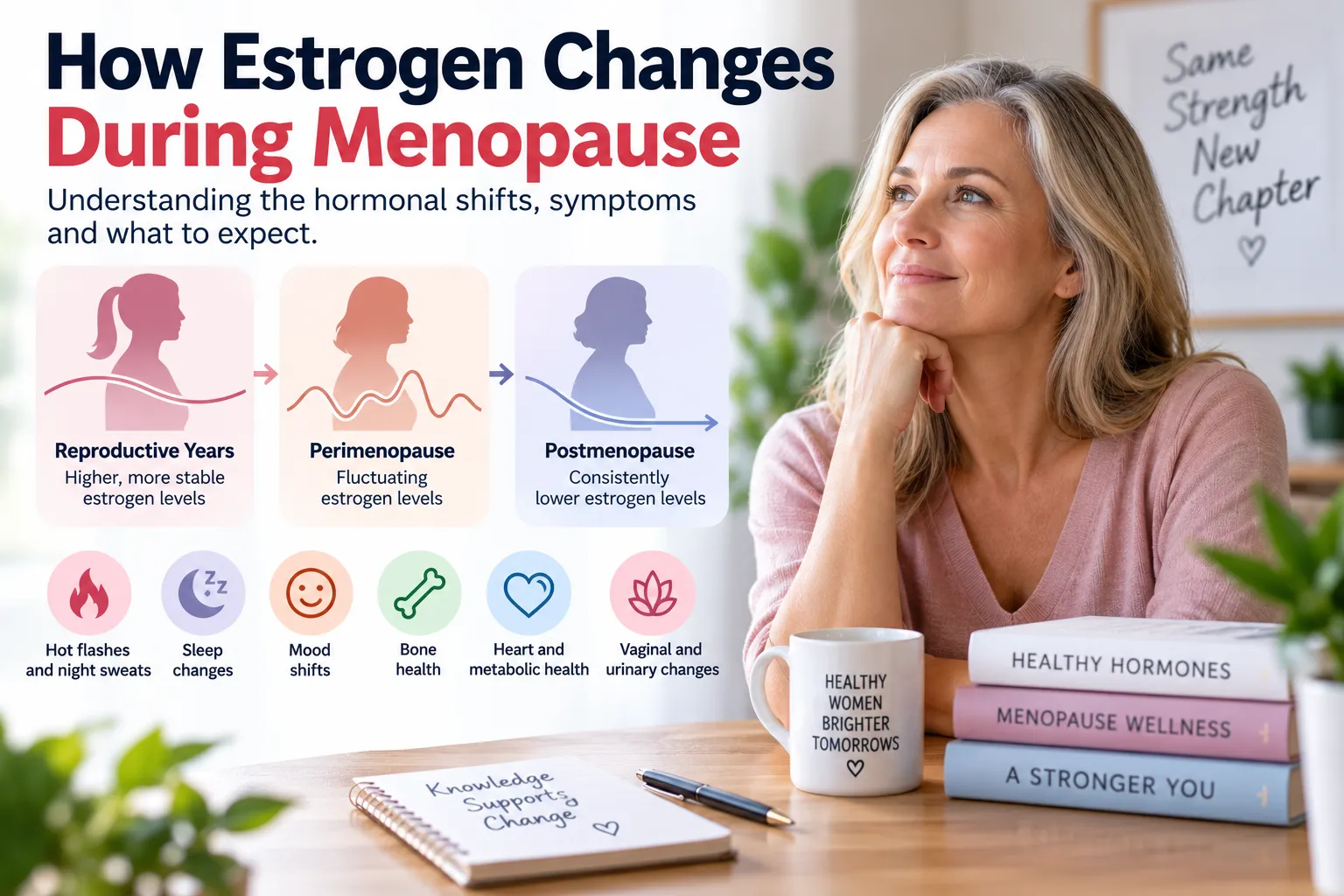
How Estrogen Changes During Menopause
Understanding how estrogen changes can make many of the physical and emotional changes associated with this stage of life easier to recognize and discuss with a healthcare professional.
Read article
How Preconception Health Can Support Reproductive Health
Although preconception care cannot guarantee conception or prevent every pregnancy complication, addressing modifiable health factors beforehand can give prospective parents an opportunity to improve their health and identify potential concerns early.
Read article

Join 10,000+ Readers Building Healthier Habits
Get actionable wellness tips every week plus our newest articles delivered straight to your inbox.