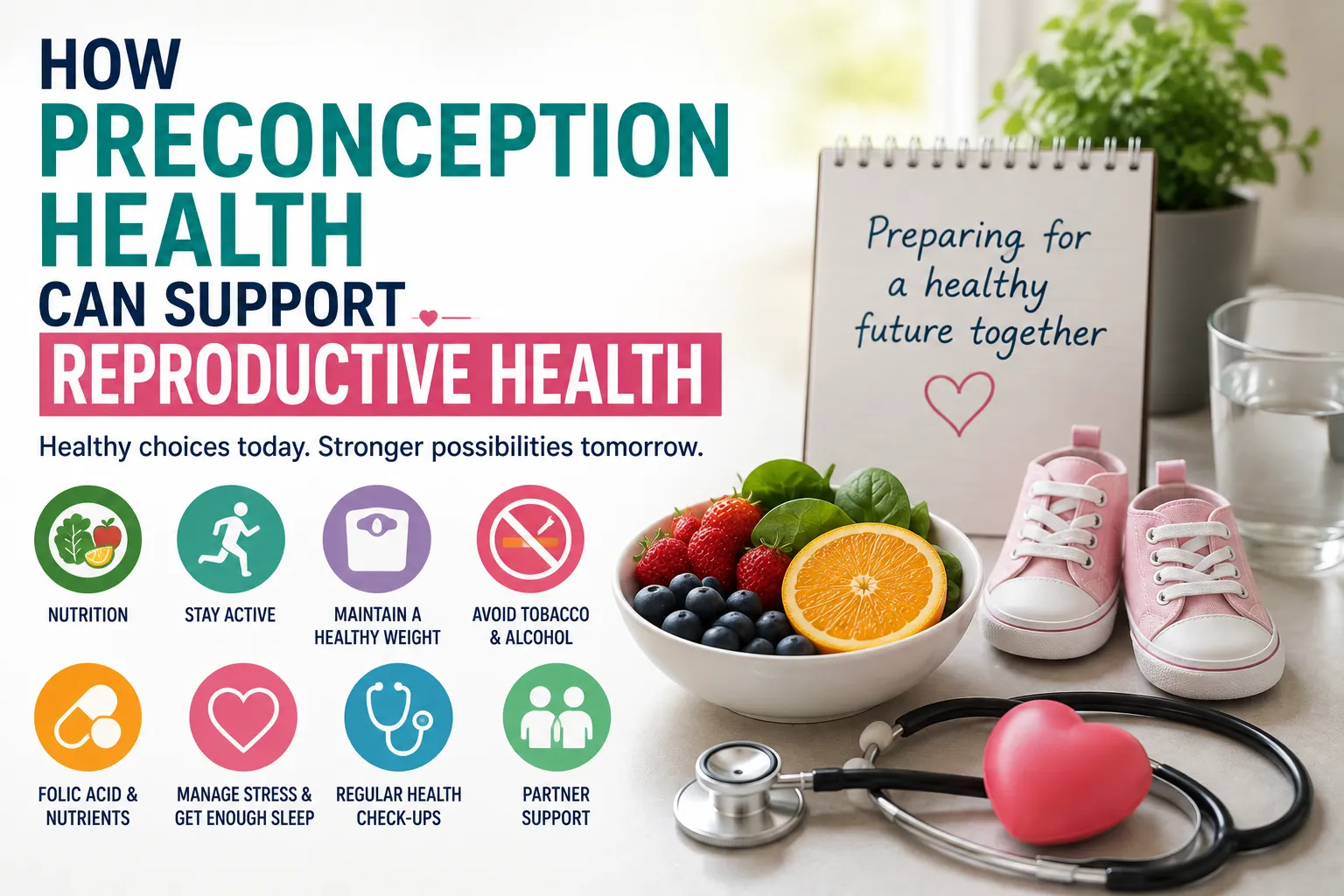

How Preconception Health Can Support Reproductive Health
Preparing for pregnancy is often discussed as something that begins when a couple decides to conceive. In reality, reproductive health can be influenced by many factors long before pregnancy occurs.
Preconception health refers to the health and wellbeing of people during the period before pregnancy. It includes physical health, nutrition, lifestyle habits, medications, existing health conditions and other factors that can influence fertility, pregnancy and the health of a future baby.
Although preconception care cannot guarantee conception or prevent every pregnancy complication, addressing modifiable health factors beforehand can give prospective parents an opportunity to improve their health and identify potential concerns early.
For a broader overview of reproductive health, including fertility, pregnancy, contraception and other life stages, see the Complete Guide to Reproductive Health.
What Is Preconception Health?
Preconception health encompasses the physical, mental and reproductive wellbeing of both women and men before pregnancy.
It is relevant whether someone is actively planning to become pregnant soon or simply wants to protect their reproductive health over the longer term.
A preconception approach may include:
- Reviewing existing health conditions
- Discussing medications and supplements with a healthcare professional
- Maintaining a balanced diet
- Getting appropriate physical activity
- Avoiding tobacco and recreational drugs
- Limiting alcohol
- Maintaining a healthy weight where appropriate
- Reviewing vaccinations
- Addressing sexually transmitted infections
- Managing stress and sleep
- Identifying potential reproductive or fertility concerns
Because both partners contribute genetic material to a pregnancy, preconception health is not solely a woman’s responsibility.
Why Preconception Health Matters
Pregnancy places additional demands on the body.
Certain health conditions, nutritional deficiencies, medications and lifestyle factors may affect fertility or pregnancy outcomes. Addressing these issues before conception can provide time to make appropriate changes under professional guidance.
Some interventions are particularly important because early fetal development begins soon after conception, sometimes before a person knows they are pregnant.
This makes health preparation before pregnancy valuable rather than waiting until after a positive pregnancy test.
Nutrition Plays an Important Role
A balanced diet provides nutrients needed for normal bodily functions and reproductive health.
A varied diet can include:
- Vegetables and fruits
- Whole grains
- Beans and other legumes
- Nuts and seeds
- Eggs, fish or other protein sources
- Dairy or suitable alternatives
- Healthy sources of fats
The goal is not to follow a restrictive “fertility diet.”
Instead, consistently eating a variety of nutrient-rich foods can help support overall health before pregnancy.
People who are considering pregnancy can discuss their individual nutritional needs with a healthcare professional, particularly if they follow a restrictive diet or have a condition that affects nutrient absorption.
Folic Acid Is Especially Important
Folic acid is one of the best-established examples of why preparation before conception matters.
Adequate folic acid intake before and during early pregnancy can reduce the risk of neural tube defects, which affect the developing brain and spinal cord.
Because neural tube development occurs very early in pregnancy, health authorities commonly recommend that people who could become pregnant take a folic acid supplement before conception and during early pregnancy.
The appropriate dose can vary depending on individual circumstances. People with certain medical conditions or risk factors may need a different dose under medical supervision.
Anyone planning a pregnancy should discuss folic acid supplementation with a healthcare professional.
Maintaining a Healthy Weight
Body weight can be one factor associated with reproductive health.
Being significantly underweight or overweight can affect hormonal function and menstrual cycles in some women and may also influence fertility.
For men, obesity can be associated with changes in reproductive hormones and sperm quality.
However, weight is only one aspect of health, and reproductive health should not be reduced to a number on a scale.
Extreme dieting or rapid weight loss is not an appropriate strategy for everyone. Sustainable nutrition, regular physical activity and individualized medical advice are generally more useful approaches.
Physical Activity Can Support Overall Health
Regular physical activity supports cardiovascular health, metabolic health, muscle strength and general wellbeing.
These benefits can be valuable before pregnancy.
Moderate, consistent activity may include:
- Walking
- Cycling
- Swimming
- Strength training
- Recreational sports
- Other activities that are enjoyable and sustainable
Extremely intense exercise combined with inadequate nutrition can affect menstrual function in some people.
The appropriate level of activity depends on individual health, fitness and circumstances.
Tobacco Can Affect Reproductive Health
Smoking and exposure to tobacco smoke can negatively affect reproductive health.
In women, smoking is associated with reduced fertility and can increase the risk of several pregnancy complications.
In men, smoking can affect sperm quality and reproductive function.
Stopping smoking before pregnancy can therefore benefit both prospective parents.
Quitting can be difficult, particularly for people who have used tobacco for many years. Healthcare professionals can provide evidence-based support and discuss appropriate cessation strategies.
Alcohol Deserves Careful Consideration
Alcohol consumption can affect health in numerous ways.
For people who are trying to conceive or could become pregnant, avoiding alcohol is the safest approach once pregnancy is possible because there is no established safe amount of alcohol consumption during pregnancy.
For men, heavy alcohol consumption may also affect reproductive health, including hormone levels and sperm quality.
People planning pregnancy can discuss their alcohol use with a healthcare professional if they need help reducing or stopping consumption.
Medications Should Be Reviewed Before Pregnancy
Some medications are safe during pregnancy, while others may carry risks.
That does not mean someone should stop taking prescribed medication independently.
Abruptly stopping an important medication can also create health risks.
Instead, people planning pregnancy should review prescription drugs, over-the-counter medicines, vitamins and supplements with a healthcare professional.
A preconception appointment provides an opportunity to determine whether a medication should be continued, changed or adjusted before pregnancy.
Supplements Are Not Automatically Necessary
The supplement industry often markets products specifically toward fertility and reproductive health.
However, more supplements do not necessarily mean better reproductive health.
Some nutrients are important before and during pregnancy, while excessive intake of certain vitamins and minerals can be harmful.
People should be cautious about products that promise to “boost fertility,” “balance hormones” or dramatically increase the chances of pregnancy without strong scientific evidence.
A healthcare professional can help determine which supplements are appropriate based on diet, medical history and pregnancy plans.
Managing Existing Health Conditions
Conditions such as diabetes, high blood pressure, thyroid disorders and other chronic illnesses can influence pregnancy and reproductive health.
Managing these conditions before conception can help create a safer starting point for pregnancy.
For example, someone with diabetes may need to work with their healthcare team to optimize blood glucose management before becoming pregnant.
The exact approach depends on the condition and the individual.
Preconception care is therefore an opportunity to identify health issues that may otherwise go unnoticed. This is particularly relevant for people with previous pregnancy concerns, who can also learn about how pregnancy complications are recognized and managed.
Sexual Health Is Part of Preconception Health
Sexual health also deserves attention before pregnancy.
Sexually transmitted infections can sometimes affect fertility or cause complications during pregnancy.
Testing and treatment can help identify infections that may otherwise have no obvious symptoms.
People planning pregnancy may want to discuss STI screening with a healthcare professional based on their circumstances and risk factors.
Open communication between partners can also make it easier to address sexual and reproductive health concerns. Understanding how sexual and reproductive health differs between women and men can provide additional context for taking a shared approach to reproductive care.
Vaccinations Can Help Protect Pregnancy
Some infections can cause serious complications during pregnancy.
Reviewing vaccination status before conception gives people an opportunity to determine whether they are up to date with recommended vaccines.
Certain vaccines may be recommended before pregnancy because they cannot be given during pregnancy or because immunity is particularly useful before conception.
A healthcare professional can review vaccination history and provide recommendations based on age, health status and pregnancy plans.
Dental Health Should Not Be Overlooked
Oral health is another component of general health that can be addressed before pregnancy.
Hormonal changes during pregnancy can affect the gums, and existing dental problems may require attention.
A dental checkup before pregnancy can provide an opportunity to address untreated problems and establish good oral hygiene habits.
Regular brushing, flossing and professional dental care remain important throughout reproductive years.
Mental Wellbeing Matters Too
Preconception health is not only about physical factors.
Stress, anxiety, relationship difficulties and other emotional challenges can affect overall wellbeing.
Trying to conceive can itself become emotionally demanding, particularly when pregnancy does not happen as quickly as expected.
Building supportive relationships and addressing mental health concerns before pregnancy can help people enter the process with stronger emotional resources.
Anyone experiencing persistent or severe psychological distress should consider speaking with a qualified healthcare professional.
Sleep and Reproductive Health
Sleep is essential for physical and mental wellbeing.
Consistently inadequate sleep can affect mood, concentration, metabolic health and the body’s ability to cope with stress.
Although sleep alone is not a fertility treatment, maintaining a regular sleep schedule can contribute to overall health.
People who regularly struggle with insomnia, disrupted sleep or symptoms of a sleep disorder can discuss these concerns with a healthcare professional.
Environmental Exposures Can Also Matter
People encounter numerous chemicals and environmental substances through workplaces, household products, pollution and other sources.
Certain occupational or environmental exposures may affect reproductive health.
People who work with pesticides, solvents, heavy metals, radiation or other potentially hazardous substances should follow workplace safety procedures and discuss relevant exposures with a healthcare professional when planning a pregnancy.
The goal is not to become fearful of everyday environments but to identify meaningful exposures and reduce avoidable risks where possible.
Preconception Health Applies to Men Too
Male reproductive health is sometimes overlooked when pregnancy planning begins.
Sperm production can be influenced by factors such as overall health, smoking, heavy alcohol consumption, obesity, certain medications, medical conditions and environmental exposures.
Men can therefore take meaningful steps before conception by maintaining healthy lifestyle habits and addressing relevant medical concerns.
This shared approach can also reduce the tendency to place responsibility for conception entirely on the woman.
Age Is One Factor Among Many
Fertility changes with age, although the pattern differs between women and men.
For women, fertility generally declines with age, with the decline becoming more significant during the later reproductive years.
Male fertility also changes with age, although the relationship is different and more gradual.
People who are concerned about age-related fertility changes can discuss their individual circumstances with a healthcare professional rather than relying solely on general statistics.
Genetic and Family History Can Be Relevant
Family medical history can sometimes identify conditions that may have implications for pregnancy or a future child’s health.
A healthcare professional may ask about inherited disorders, recurrent pregnancy problems or other relevant family conditions.
In certain situations, genetic counseling or carrier screening may be appropriate.
These services can help prospective parents understand potential inherited risks and available options.
A Preconception Appointment Can Be Useful
A healthcare appointment before pregnancy can provide a structured opportunity to review reproductive and general health.
Depending on the person’s circumstances, the discussion may cover:
- Medical history
- Menstrual or reproductive history
- Previous pregnancies
- Medications
- Supplements
- Vaccinations
- Lifestyle habits
- Family history
- Sexual health
- Existing medical conditions
- Nutrition
- Genetic considerations
Not everyone requires extensive testing.
The appropriate evaluation depends on individual circumstances and medical history.
When Fertility Concerns Should Be Discussed
Some people become pregnant quickly, while others take longer.
Difficulty conceiving does not necessarily mean that either partner has a serious health problem.
However, persistent difficulties can justify a conversation with a healthcare professional.
Fertility evaluation may consider both partners because reproductive challenges can involve female factors, male factors, a combination of factors or circumstances that remain unexplained. The Complete Guide to Menstrual Health and Cycles can also help readers understand how menstrual patterns and cycle health fit into the broader picture of reproductive health.
Seeking advice can help determine whether further evaluation is appropriate.
Preconception Care Is About Preparation, Not Perfection
There is no way to eliminate every risk associated with pregnancy.
People can eat well, exercise, avoid tobacco and follow medical advice and still encounter unexpected complications.
Preconception health should therefore not become a source of guilt.
The objective is to identify factors that can reasonably be improved and address medical concerns before pregnancy when possible.
Small, sustainable changes can be more useful than trying to achieve an unrealistic standard of perfect health.
A Shared Approach Can Strengthen Reproductive Health
Pregnancy involves more than conception itself.
The health of both prospective parents, the surrounding environment, access to healthcare and numerous biological factors can influence reproductive outcomes.
Taking a shared approach allows couples to discuss nutrition, lifestyle habits, medical care, sexual health and future family plans together.
It can also make reproductive health a broader part of routine healthcare rather than something addressed only after difficulties occur.
Building a Healthier Starting Point for Pregnancy
Preconception health provides an opportunity to prepare for pregnancy before it begins.
A balanced diet, appropriate physical activity, avoidance of tobacco and recreational drugs, careful consideration of alcohol, adequate folic acid, good sleep and management of existing health conditions can all contribute to healthier preparation. Reviewing medications, vaccinations, sexual health and potential environmental exposures with a healthcare professional can add another layer of protection.
For men and women alike, the central idea is simple: reproductive health is connected to overall health, and the period before conception is a valuable opportunity to address concerns, build healthy habits and create the strongest possible foundation for a future pregnancy.
Continue Reading
Similar Posts

How Communication Supports Sexual Health
Whether people are discussing contraception, sexual preferences, STI testing, fertility, consent, or changes in their health, clear communication can play an important role in making sexual relationships safer and healthier.
Read article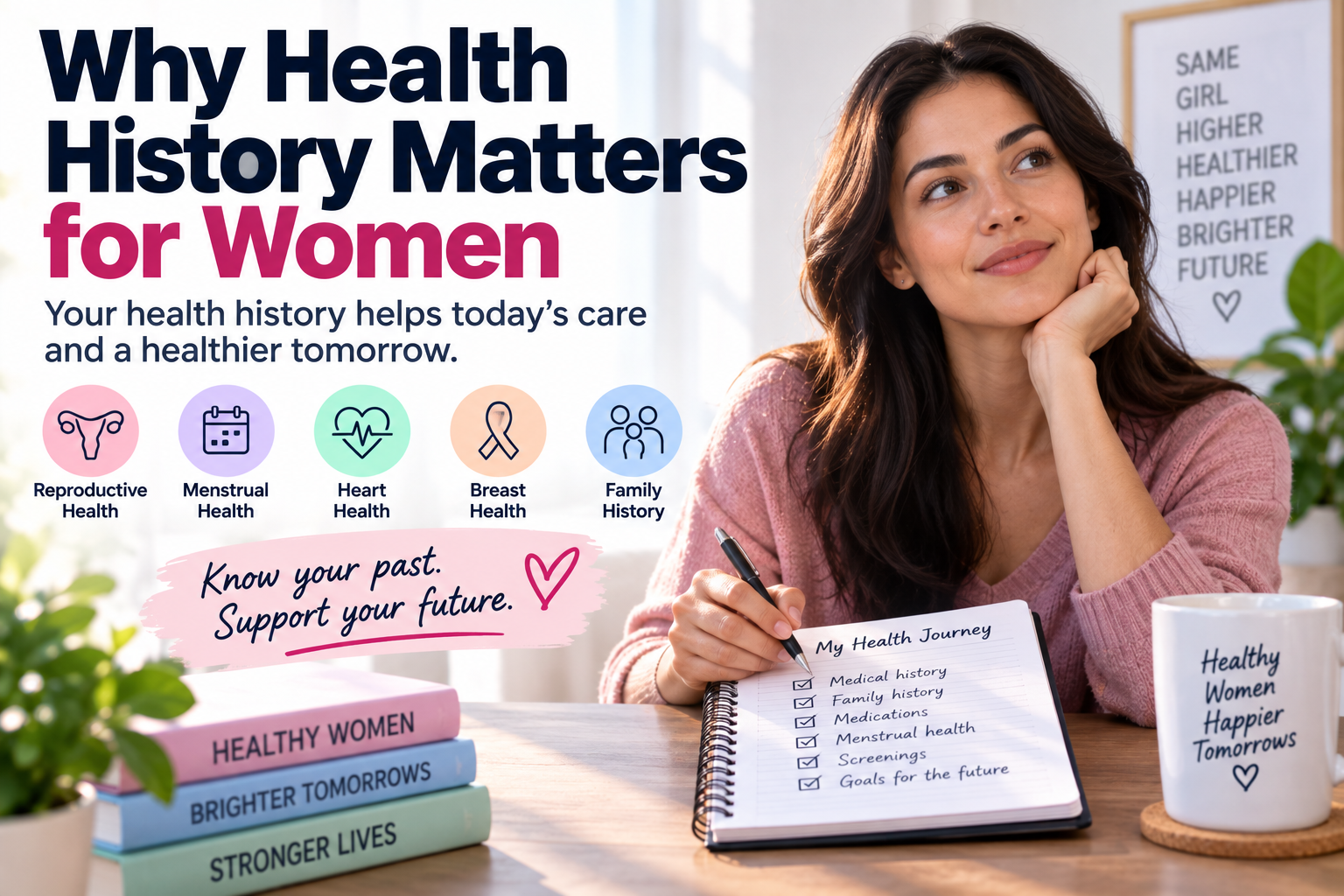
Why Health History Matters for Women
For women, keeping an accurate health history can be especially valuable because health needs can change significantly throughout different stages of life.
Read article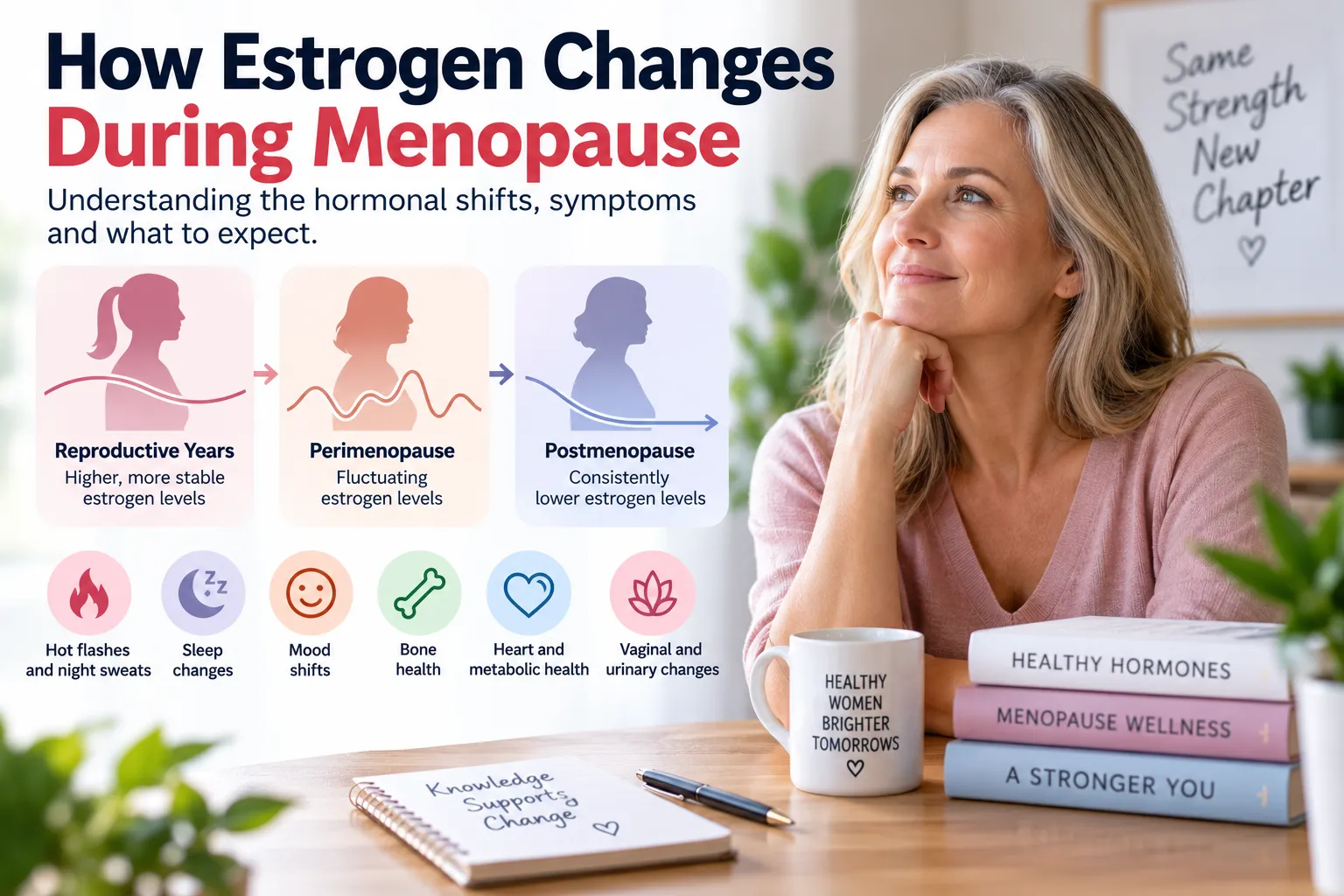
How Estrogen Changes During Menopause
Understanding how estrogen changes can make many of the physical and emotional changes associated with this stage of life easier to recognize and discuss with a healthcare professional.
Read article

Join 10,000+ Readers Building Healthier Habits
Get actionable wellness tips every week plus our newest articles delivered straight to your inbox.