

When Should Someone Seek Professional Mental Health Support?
Mental health can change throughout life. Stressful events, relationship problems, work pressures, financial difficulties, grief, illness, and major life transitions can all affect how a person thinks, feels, and functions.
Many difficult emotions are temporary and can improve with rest, social support, healthy routines, or time. But there are also situations where trying to manage everything alone may not be enough.
Knowing when to seek professional mental health support can make it easier to get help before problems become more disruptive. Professional support is not reserved for people experiencing a severe mental health crisis. It can also be useful when someone feels stuck, overwhelmed, persistently distressed, or unable to cope with everyday responsibilities.
Understanding what mental wellness means is a useful starting point. Mental wellness involves more than simply being happy or avoiding mental illness. It includes the ability to manage emotions, handle challenges, maintain relationships, make decisions, and function in everyday life. For a broader introduction, see our guide to What Is Mental Wellness?.
What Does Professional Mental Health Support Mean?
Professional mental health support can take several forms depending on a person’s circumstances.
A mental health professional may include a:
- Psychologist
- Psychiatrist
- Licensed therapist or counselor
- Social worker
- Mental health nurse
- Other qualified behavioral health professional
Different professionals provide different types of care. Some specialize in psychotherapy, while psychiatrists and certain other medical professionals can evaluate mental health conditions and, where appropriate, prescribe medication.
Professional support may involve talking therapy, behavioral strategies, medication, assessment, education, or a combination of approaches.
The goal is not always to diagnose a mental health disorder. Sometimes the purpose is simply to help someone understand what they are experiencing and develop healthier ways to manage it.
When Everyday Stress Starts Becoming Too Much
Stress is a normal part of life. Deadlines, financial responsibilities, family obligations, exams, workplace demands, and unexpected events can all create temporary stress.
The problem is that prolonged or intense stress can begin affecting both mental and physical well-being.
Someone may benefit from professional support when stress:
- Feels constant or difficult to control
- Continues despite attempts to manage it
- Interferes with sleep
- Makes it difficult to concentrate
- Causes persistent irritability or emotional exhaustion
- Affects relationships
- Interferes with work or school
- Leads to withdrawing from normal activities
- Produces frequent feelings of being overwhelmed
Learning practical strategies for handling pressure can help. Our Complete Guide to Stress Management provides a broader look at how stress develops and how healthier coping strategies can fit into everyday life.
However, self-management strategies should not be viewed as a substitute for professional care when stress becomes persistent, severe, or difficult to manage.
Persistent Anxiety Can Be a Sign to Seek Help
Everyone experiences worry from time to time. Anxiety can even serve a useful purpose by helping people prepare for potential problems.
Persistent or intense anxiety is different.
A person may want to consider professional support if worry becomes difficult to control or begins interfering with everyday life.
Possible warning signs include:
- Constant worrying
- Feeling unusually restless or on edge
- Difficulty concentrating
- Persistent fear about everyday situations
- Avoiding places, people, or activities because of anxiety
- Repeated physical symptoms such as rapid heartbeat or muscle tension
- Difficulty sleeping because of worry
- Panic attacks or intense episodes of fear
People experiencing these problems do not necessarily have a particular anxiety disorder. A professional can help determine what may be happening and whether treatment could be beneficial.
For practical information about managing anxiety and recognizing common patterns, see our Anxiety Management Guide.
Persistent Changes in Mood Deserve Attention
Temporary sadness, frustration, disappointment, and emotional ups and downs are normal parts of being human.
Concern increases when changes in mood are persistent, unusually intense, or begin interfering with daily life.
Signs that professional support may be appropriate can include:
- Persistent sadness or emptiness
- Losing interest in activities that once mattered
- Frequent crying
- Significant irritability
- Feelings of hopelessness
- Unusual emotional numbness
- Major changes in sleep
- Significant changes in appetite
- Difficulty concentrating
- Persistent fatigue or low motivation
- Struggling to complete normal responsibilities
A person does not need to wait until these symptoms become severe before asking for help.
Early support can provide an opportunity to understand what is happening and identify strategies for moving forward.
When Emotions Become Difficult to Manage
Emotional well-being involves being able to experience difficult emotions without allowing them to completely take over everyday life.
That does not mean people should always feel calm or positive. Healthy emotional well-being includes experiencing sadness, anger, fear, disappointment, and frustration while still being able to respond to life’s challenges.
Professional support may be worth considering when someone:
- Feels emotionally overwhelmed most of the time
- Has difficulty calming down after upsetting events
- Experiences frequent emotional outbursts
- Feels emotionally numb
- Struggles to understand or communicate their feelings
- Regularly reacts in ways they later regret
- Feels unable to cope with ordinary setbacks
Building emotional resilience can help people navigate difficult periods more effectively. Our Complete Guide to Emotional Well-Being explores this broader area of mental wellness.
When Mental Health Problems Affect Daily Life
One of the most important indicators that professional support may be useful is a noticeable change in functioning.
Mental health difficulties can affect everyday activities long before someone recognizes them as a serious problem.
For example, someone may begin struggling to:
- Go to work or school
- Maintain personal hygiene
- Prepare meals
- Keep up with household responsibilities
- Communicate with family members
- Maintain friendships
- Make ordinary decisions
- Sleep consistently
- Participate in previously enjoyable activities
The key question is often not simply, “Do I have a mental health condition?”
A more useful question can be:
“Is what I’m experiencing making it harder for me to live the life I normally want to live?”
If the answer is consistently yes, talking with a qualified professional can be a reasonable next step.
Major Life Events Can Also Be a Reason to Ask for Help
People do not have to wait for symptoms to become severe before seeking support.
Major life events can place significant emotional demands on a person. These may include:
- Losing someone close
- Divorce or separation
- Losing a job
- Financial hardship
- Moving to a new place
- Becoming a parent
- Relationship difficulties
- Serious illness
- Caring for an ill family member
- Experiencing violence or abuse
- Academic or workplace pressure
- Retirement
- Major changes in identity or circumstances
Some people adjust naturally with time and support from friends or family. Others may find that professional guidance helps them process what happened and adapt to the changes.
Seeking help during a difficult transition is not an indication that someone has failed to cope.
Trauma and Distressing Experiences Should Not Be Ignored
A traumatic or deeply distressing experience can affect a person’s sense of safety, relationships, emotions, sleep, and ability to concentrate.
After a frightening or traumatic event, someone may experience:
- Intrusive memories
- Nightmares
- Avoidance of reminders of the event
- Persistent fear
- Hypervigilance
- Emotional numbness
- Difficulty sleeping
- Irritability
- Difficulty trusting others
- Feeling disconnected from normal life
Not everyone who experiences trauma develops a mental health disorder. However, persistent or worsening symptoms deserve attention.
A professional can provide a safe setting for discussing what happened and can help determine whether specialized treatment would be appropriate.
Changes in Sleep Can Provide an Important Clue
Sleep and mental health are closely connected.
Occasional poor sleep is common, but persistent changes may be worth discussing with a healthcare professional.
These can include:
- Difficulty falling asleep
- Frequently waking during the night
- Waking much earlier than usual
- Sleeping substantially more than usual
- Feeling exhausted despite getting enough time in bed
- Experiencing racing thoughts at night
Sleep problems can have many possible causes, including physical health conditions, medications, lifestyle factors, stress, anxiety, depression, and other circumstances.
That is why persistent sleep changes should not automatically be attributed to mental health alone.
When Someone Starts Withdrawing From Others
Social withdrawal can be another sign that something is wrong.
A person who normally enjoys spending time with family, friends, coworkers, or community members may gradually begin avoiding social contact.
They may stop answering messages, cancel plans, spend most of their time alone, or lose interest in activities they previously enjoyed.
Occasional solitude is completely normal. The concern is a significant or persistent change accompanied by distress or other symptoms.
Talking with a professional can help uncover what is driving the withdrawal.
When Coping Strategies Stop Working
People naturally develop ways of dealing with stress and difficult emotions.
Exercise, hobbies, social connection, relaxation, sleep, journaling, time outdoors, and other healthy activities can all contribute to mental wellness.
However, coping strategies sometimes stop being enough.
Someone may need additional support when they repeatedly find themselves thinking:
- “I can’t handle this anymore.”
- “Nothing I do seems to help.”
- “I don’t feel like myself.”
- “I can’t get through the day.”
- “This keeps getting worse.”
- “I don’t know what to do next.”
These thoughts do not automatically mean that someone has a mental illness. They can, however, be a useful signal that additional support may be needed.
Professional Help Does Not Always Mean Medication
There is sometimes a misconception that seeing a mental health professional automatically means taking medication.
That is not the case.
Depending on a person’s needs, professional support may include:
- Individual therapy
- Couples or family therapy
- Cognitive and behavioral approaches
- Supportive counseling
- Psychoeducation
- Stress-management strategies
- Lifestyle and coping recommendations
- Psychiatric assessment
- Medication when clinically appropriate
The appropriate approach depends on the individual, the symptoms involved, their circumstances, and the professional’s assessment.
How to Decide Whether It Is Time to Ask for Help
There is no single threshold that applies to everyone.
A useful way to think about the decision is to consider duration, intensity, frequency, and impact.
Ask yourself:
How long has this been happening?
A difficult feeling that lasts for a short period may resolve naturally. Persistent symptoms deserve greater attention.
How intense is it?
Mild and manageable distress is different from overwhelming fear, sadness, anger, or hopelessness.
How often does it happen?
Occasional difficulties are different from symptoms occurring most days or repeatedly interfering with normal life.
Is it affecting everyday functioning?
If mental or emotional difficulties are affecting work, school, relationships, sleep, self-care, or other responsibilities, professional support may be appropriate.
Are things getting worse?
A pattern that is becoming increasingly difficult to manage is an important reason to seek help sooner rather than later.
You Do Not Need to Know What Is Wrong Before Seeking Help
One of the biggest barriers to mental health support is the belief that a person needs to understand or diagnose their own problem before making an appointment.
They do not.
Someone might know only that they feel different, overwhelmed, anxious, exhausted, disconnected, or unable to cope.
That is enough information to start a conversation.
A qualified professional can ask questions, assess symptoms, explore possible causes, and help determine what type of support makes sense.
Self-diagnosing from online information can sometimes create unnecessary fear or lead people to overlook other possible explanations for their symptoms.
How to Talk to Someone About Seeking Help
Starting the conversation can feel uncomfortable.
A simple approach is to describe what has changed rather than trying to provide a diagnosis.
For example:
“I’ve been struggling lately and it is starting to affect my everyday life.”
Or:
“I’ve noticed that I’ve been feeling anxious and overwhelmed much more often than usual.”
A person can also speak first with a trusted friend, family member, doctor, counselor, or another professional who can help them identify an appropriate next step.
When Immediate Help Is Needed
Some mental health situations require urgent attention.
If someone is in immediate danger, is unable to keep themselves safe, is experiencing a severe mental health crisis, or is thinking about suicide or seriously harming themselves or another person, they should seek emergency help immediately through their local emergency services or go to the nearest emergency department.
Someone experiencing an immediate crisis should not be left to manage the situation alone.
If possible, stay with them, help them connect with emergency or crisis support, and remove immediate access to anything they could use to seriously harm themselves or someone else.
Seeking Help Is a Form of Preventive Care
Mental health support does not have to begin only after a crisis.
Just as people seek professional advice about persistent physical symptoms, they can seek support when emotional or psychological difficulties begin affecting their quality of life.
Early conversations can sometimes help people recognize unhealthy patterns, develop coping skills, improve relationships, manage stress, and understand their emotions before problems become more disruptive.
Professional support can therefore be viewed as one component of maintaining long-term mental wellness rather than simply a response to mental illness.
Building a Support System Alongside Professional Care
Professional treatment is only one part of a person’s support network.
Depending on individual circumstances, mental wellness can also be supported by:
- Trusted friends and family
- Healthy social connections
- Regular physical activity
- Consistent sleep
- Nutritious meals
- Time for relaxation
- Meaningful hobbies
- Healthy boundaries
- Time outdoors
- Community involvement
- Limiting unhealthy coping behaviors
These strategies are not replacements for professional treatment when treatment is needed. Instead, they can complement professional care and contribute to overall well-being.
The Most Important Question Is Whether You Are Struggling
There is no prize for waiting until a problem becomes unbearable.
Someone can seek professional mental health support because they are struggling, even if they cannot explain exactly why. They can seek help because stress has become overwhelming, anxiety is interfering with everyday activities, their mood has changed, sleep has deteriorated, or they simply no longer feel like themselves.
Mental wellness is not about handling every challenge without assistance. It is also about recognizing when additional support could make life more manageable.
For anyone unsure whether their experiences are serious enough to warrant professional attention, speaking with a qualified healthcare or mental health professional can be a sensible first step. You do not need to have all the answers before asking for help.
Continue Reading
Similar Posts

How to Provide Emotional Support to Others
Good emotional support is also about respecting boundaries. People need different kinds of help at different times. Some may want to talk, while others may need practical assistance, quiet companionship, or simply reassurance that someone cares.
Read article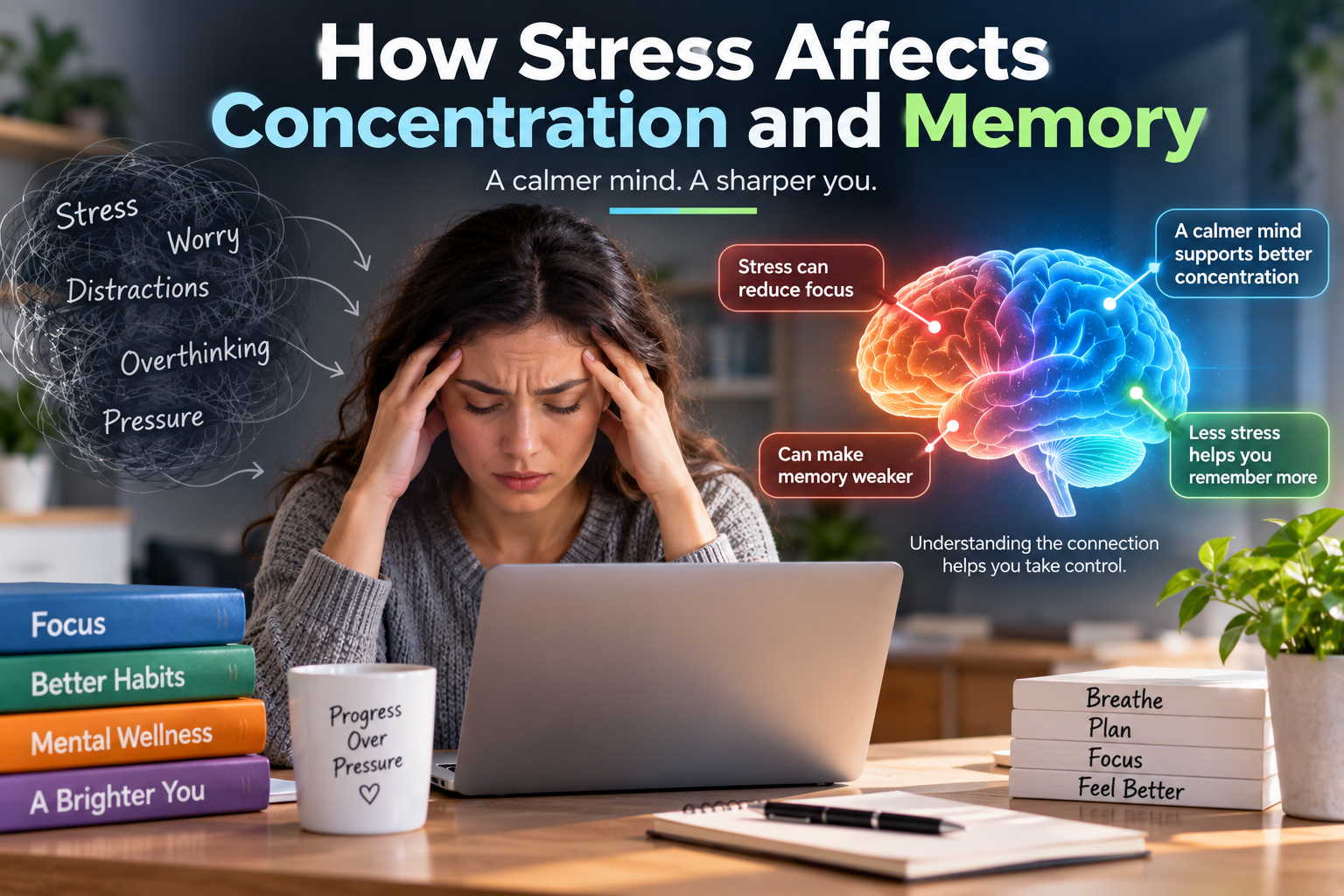
How Stress Affects Concentration and Memory
Understanding the connection between stress, concentration and memory can help explain why the mind sometimes feels less efficient during stressful periods—and why managing stress can be an important part of maintaining overall mental well-being.
Read article
How Major Life Transitions Affect Mental Wellbeing and Emotional Health
Understanding how transitions affect mental wellbeing can make it easier to recognize normal adjustment difficulties, develop healthier coping strategies and know when additional support may be useful.
Read article

Join 10,000+ Readers Building Healthier Habits
Get actionable wellness tips every week plus our newest articles delivered straight to your inbox.