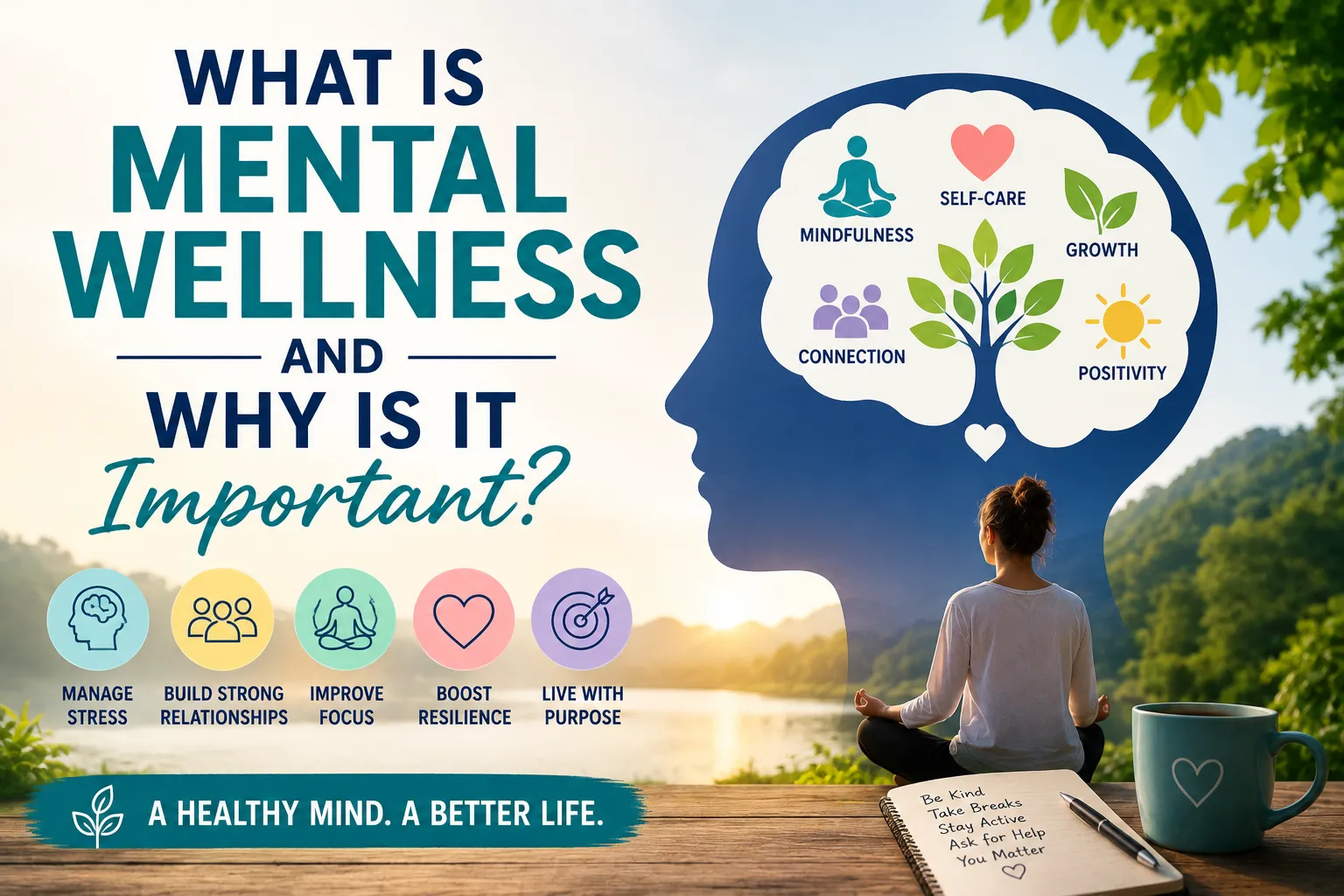

What Is Mental Wellness and Why Is It Important?
Mental wellness is an important part of overall health, influencing how people think, feel, handle everyday challenges, build relationships, and make decisions. While mental wellness is sometimes treated as simply “being happy,” it is much broader than that.
A person can experience stress, sadness, disappointment, or anxiety and still have good mental wellness. The goal is not to feel positive all the time. Instead, mental wellness involves developing the emotional and psychological resources needed to navigate both ordinary life and difficult periods.
For a broader look at the subject, the complete guide to emotional well-being explores the relationship between emotional health, resilience, relationships, healthy habits, and everyday well-being.
What Is Mental Wellness?
Mental wellness refers to a state of psychological and emotional well-being that helps people function in their daily lives, manage challenges, maintain relationships, and make meaningful choices.
It includes several interconnected areas:
- Emotional well-being: Understanding and managing emotions in healthy ways.
- Psychological well-being: Developing a realistic sense of self, purpose, and personal resilience.
- Social well-being: Building supportive and respectful relationships with other people.
- Cognitive well-being: Maintaining the ability to concentrate, learn, solve problems, and make decisions.
- Everyday functioning: Being able to manage responsibilities, adapt to change, and participate in activities that matter.
Mental wellness exists on a spectrum and can change over time. Work pressures, financial difficulties, relationships, major life changes, physical health, sleep, social connections, and other circumstances can all influence how someone feels and functions.
Mental Wellness Is More Than the Absence of Mental Illness
One of the most common misunderstandings about mental wellness is that someone is mentally well simply because they do not have a diagnosed mental health condition.
Mental wellness is broader than that.
Someone may not have a mental health disorder but could still be struggling with loneliness, chronic stress, poor sleep, low self-esteem, or difficulty coping with everyday responsibilities. Conversely, a person living with a mental health condition can still experience periods of meaningful well-being and maintain a fulfilling life with appropriate support.
This distinction matters because mental wellness encourages people to pay attention to their psychological health before problems necessarily become severe.
Why Is Mental Wellness Important?
Mental wellness affects many aspects of everyday life. It can influence how people respond to stress, interact with others, approach responsibilities, and make decisions.
1. It Helps People Manage Stress
Stress is a normal part of life. Deadlines, financial responsibilities, family concerns, work demands, and unexpected events can all create pressure.
Good mental wellness does not eliminate stress. Instead, it can help people recognize stress and respond to it more effectively.
Healthy coping strategies may include taking breaks, talking with someone trustworthy, maintaining regular physical activity, getting adequate sleep, organizing responsibilities, or seeking professional support when necessary.
Developing a broader collection of healthy coping skills can help people respond to difficult emotions and stressful circumstances in constructive ways.
2. It Supports Healthy Relationships
Mental wellness and social connections are closely connected.
People who have supportive relationships may have opportunities to share concerns, receive encouragement, and feel understood. Healthy relationships can also provide a sense of belonging and connection.
At the same time, maintaining relationships requires emotional skills such as communication, empathy, listening, and setting appropriate boundaries.
Learning more about healthy relationships, communication, boundaries, and trust can help people understand how social connections contribute to emotional well-being.
3. It Can Improve Decision-Making
Mental and emotional states can influence how people approach decisions.
When someone is overwhelmed, exhausted, or highly distressed, concentrating on problems and considering different options can become more difficult. Maintaining healthy routines and managing stress can create better conditions for thoughtful decision-making.
This does not mean mentally well people always make perfect decisions. Everyone makes mistakes. Mental wellness is more about having the ability to reflect, adapt, and learn from experiences.
4. It Supports Everyday Productivity
Mental wellness can affect concentration, motivation, energy, and the ability to complete responsibilities.
When people are psychologically overwhelmed, even ordinary tasks can feel difficult. Taking care of mental well-being can therefore support healthier engagement with work, education, household responsibilities, and personal goals.
5. It Encourages Resilience
Resilience is the ability to adapt to difficult circumstances and recover or continue functioning despite challenges.
Mental wellness can contribute to resilience by encouraging people to recognize their emotions, use healthy coping mechanisms, maintain supportive relationships, and seek assistance when circumstances become difficult.
Resilience does not mean ignoring pain or pretending that everything is fine. Sometimes resilience means recognizing that additional support is needed.
The complete guide to building resilience provides a broader look at how resilience can develop through healthy habits, relationships, coping strategies, and experience.
What Are the Main Components of Mental Wellness?
Mental wellness is multidimensional. Several areas work together to influence overall well-being.
Emotional Awareness
Emotional awareness involves recognizing what you are feeling and understanding that emotions can provide useful information.
Instead of automatically reacting to every emotion, people can learn to pause and consider what may be contributing to their feelings.
Self-Acceptance
Self-acceptance means recognizing both strengths and limitations without constantly judging yourself.
It does not require believing that everything about yourself is perfect. Rather, it involves developing a realistic and compassionate relationship with yourself.
Healthy Social Connections
Humans generally benefit from meaningful social connections. Friends, family members, colleagues, community groups, and other supportive relationships can provide companionship and encouragement.
Quality is often more important than the number of relationships a person has.
Sense of Purpose
Having goals, responsibilities, interests, or activities that feel meaningful can contribute to psychological well-being.
Purpose can come from many different areas of life, including work, family, education, creativity, volunteering, hobbies, or personal development.
Adaptability
Life rarely goes exactly according to plan. Adaptability involves adjusting to changes and finding constructive ways to respond when circumstances shift.
Healthy Coping Skills
Coping skills are strategies people use to manage difficult emotions and stressful situations.
Examples can include physical activity, relaxation techniques, journaling, spending time with supportive people, creative activities, structured routines, and professional counseling.
Different strategies work for different people, and not every coping mechanism is healthy or effective.
Everyday Habits That Can Support Mental Wellness
Mental wellness is influenced by many aspects of daily life. Small, sustainable habits can help create a healthier foundation.
Maintain a Consistent Sleep Routine
Sleep plays an important role in physical and psychological functioning. Establishing regular sleeping and waking times, creating a comfortable sleep environment, and reducing disruptive habits can support better rest.
Persistent sleep problems, however, may require professional attention.
Stay Physically Active
Regular physical activity can support both physical and mental health. Activities do not necessarily have to involve intensive exercise. Walking, cycling, stretching, dancing, recreational sports, and other forms of movement can all be incorporated into daily life.
Stay Connected With Others
Regular contact with people you trust can help reduce isolation and create opportunities to talk about everyday experiences.
Even simple activities such as sharing a meal, calling a friend, or participating in a community activity can strengthen social connection.
Create Healthy Boundaries
Boundaries help people determine what they can reasonably take on and how they expect to be treated.
Learning to say no when necessary, protecting personal time, and communicating expectations clearly can help prevent unnecessary emotional strain.
For a deeper discussion of this topic, the complete guide to healthy boundaries and setting better limits explores how boundaries can support healthier relationships and emotional well-being.
Make Time for Meaningful Activities
Hobbies and interests can provide opportunities for relaxation, creativity, learning, and enjoyment.
Activities do not need to be productive in a traditional sense to have value. Reading, gardening, cooking, music, crafts, sports, and spending time outdoors can all provide meaningful breaks from routine responsibilities.
Pay Attention to Persistent Changes
Occasional sadness, worry, frustration, or stress is part of being human. However, significant or persistent changes in mood, behavior, sleep, appetite, concentration, energy, or ability to function should not simply be ignored.
Recognizing changes early can make it easier to seek appropriate support.
Mental Wellness and Mental Health Are Not the Same Thing
The terms mental wellness and mental health are closely related, but they are not always used in exactly the same way.
Mental health generally refers to a person’s psychological, emotional, and social well-being and can include the presence or absence of mental health conditions.
Mental wellness often emphasizes the positive and active aspects of maintaining psychological well-being, such as developing healthy habits, strengthening relationships, building resilience, and finding meaning.
The two concepts overlap considerably, and both are important parts of overall health.
When Should Someone Seek Professional Support?
Self-care can be useful, but it is not a replacement for professional mental health care when someone is experiencing significant difficulties.
Professional support may be appropriate when emotional or psychological problems:
- Persist for an extended period
- Interfere with work, school, relationships, or daily responsibilities
- Become increasingly difficult to manage
- Cause significant distress
- Lead to major changes in sleep, appetite, or behavior
- Make it difficult to care for yourself
- Cause feelings of hopelessness or an inability to cope
A doctor, psychologist, psychiatrist, counselor, or other qualified mental health professional can help determine what kind of support may be appropriate.
If someone is in immediate danger or believes they may harm themselves or someone else, they should seek emergency help or contact an appropriate crisis service in their location immediately.
Building Mental Wellness Is an Ongoing Process
Mental wellness is not a permanent state that someone achieves once and maintains forever. It can change throughout life.
A person may feel mentally strong during one period and struggle during another. Major transitions, grief, relationship difficulties, financial pressure, workplace stress, illness, and other experiences can affect psychological well-being.
That is why mental wellness is better understood as an ongoing process rather than a destination.
The most useful approach is often to develop a collection of healthy habits, supportive relationships, coping skills, and reliable sources of professional assistance. These resources can provide a stronger foundation when life becomes difficult.
Why Mental Wellness Deserves Everyday Attention
Mental wellness is an essential part of living a healthy and meaningful life. It influences how people respond to challenges, connect with others, make decisions, pursue goals, and participate in everyday activities.
Looking after mental well-being does not mean avoiding difficult emotions or trying to remain positive at all times. It means developing the awareness, skills, relationships, and support systems needed to navigate the full range of human experiences.
Just as physical health deserves regular attention rather than care only when something goes wrong, mental wellness can benefit from consistent attention throughout every stage of life.
Continue Reading
Similar Posts

How to Provide Emotional Support to Others
Good emotional support is also about respecting boundaries. People need different kinds of help at different times. Some may want to talk, while others may need practical assistance, quiet companionship, or simply reassurance that someone cares.
Read article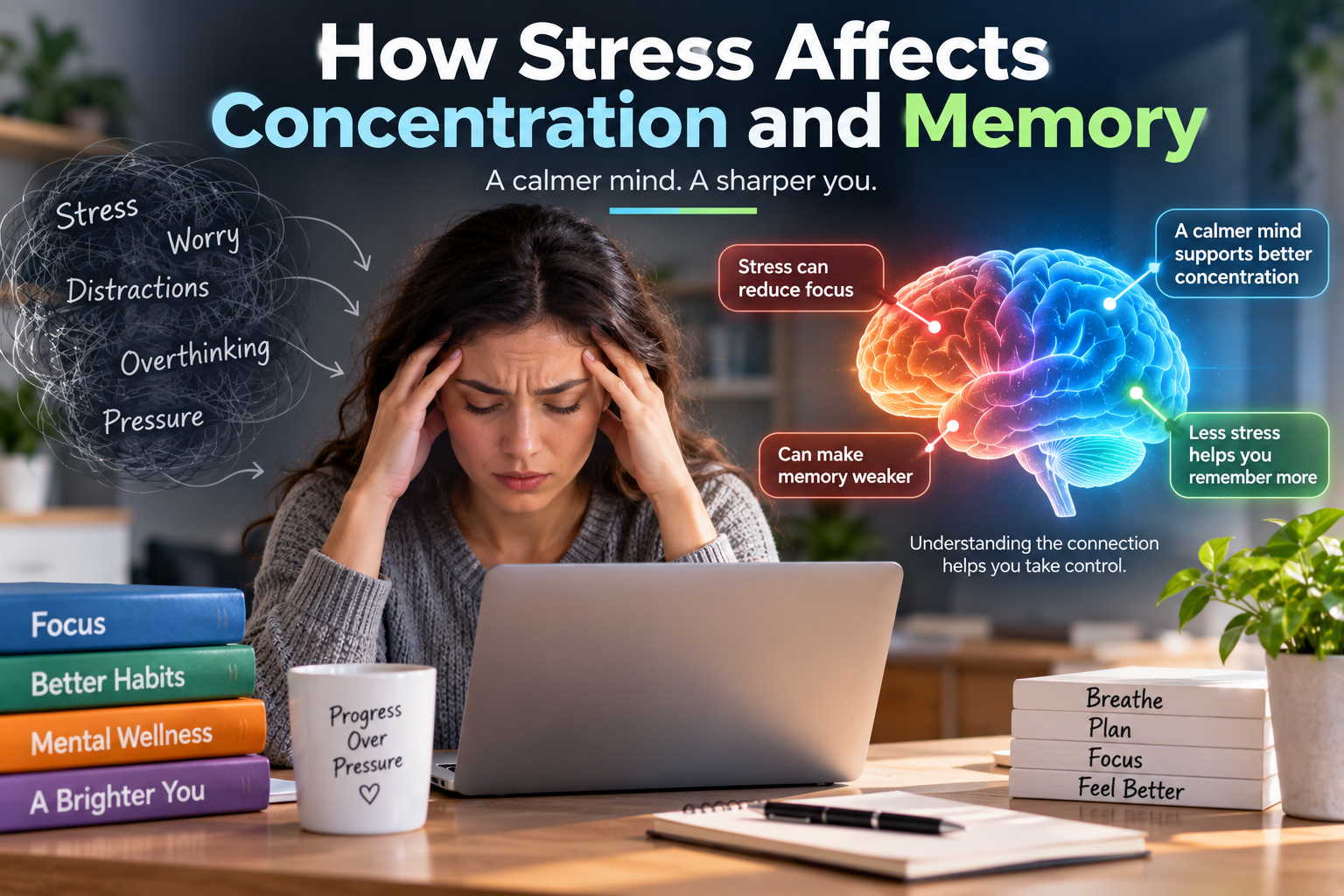
How Stress Affects Concentration and Memory
Understanding the connection between stress, concentration and memory can help explain why the mind sometimes feels less efficient during stressful periods—and why managing stress can be an important part of maintaining overall mental well-being.
Read article
When Should Someone Seek Professional Mental Health Support
Understanding **what mental wellness means** is a useful starting point. Mental wellness involves more than simply being happy or avoiding mental illness. It includes the ability to manage emotions, handle challenges, maintain relationships, make decisions, and function in everyday life.
Read article

Join 10,000+ Readers Building Healthier Habits
Get actionable wellness tips every week plus our newest articles delivered straight to your inbox.