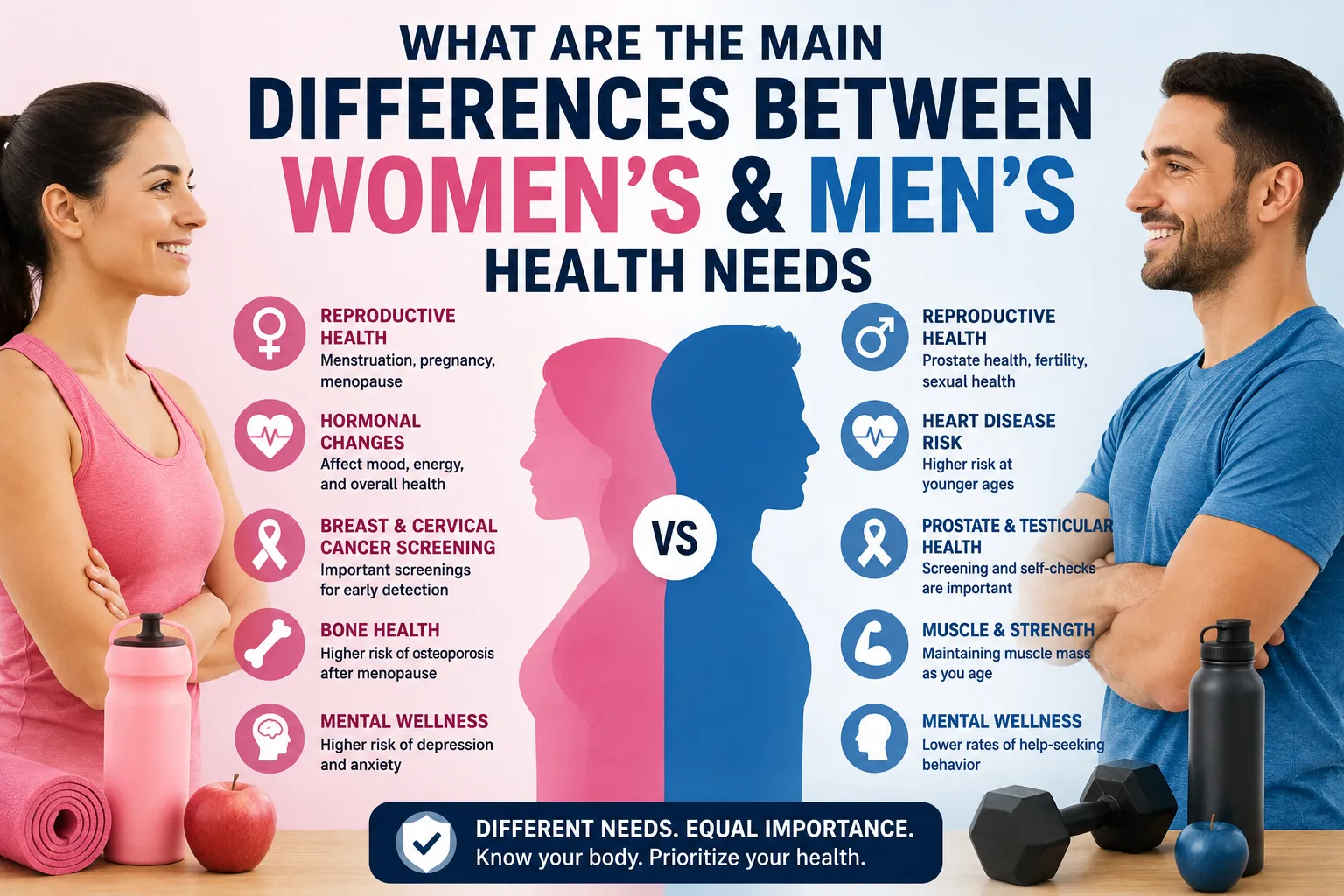

What Are the Main Differences Between Women’s and Men’s Health Needs?
Women and men share many of the same basic health needs, but biological differences, hormones, reproductive systems, genetics and social factors can influence how certain conditions develop, how symptoms appear and what kinds of preventive care are recommended.
These differences do not mean that every woman or every man will experience health problems in the same way. Individual age, family history, lifestyle, environment and existing medical conditions can be just as important.
Understanding where health needs differ can nevertheless help people recognize the importance of preventive care and understand why medical recommendations are sometimes tailored according to sex and stage of life.
For a broader overview of men’s health concerns, see the Common Men’s Health Concerns Explained.
Women’s and Men’s Health Have More in Common Than People Realize
Before looking at the differences, it is important to recognize the similarities.
Both women and men need balanced nutrition, regular physical activity, adequate sleep, preventive healthcare and attention to mental wellbeing.
Both can develop conditions such as:
- Heart disease
- Diabetes
- High blood pressure
- Cancer
- Arthritis
- Respiratory illnesses
- Depression and anxiety
- Kidney disease
- Infectious diseases
- Obesity
The difference is often found in risk, timing, symptoms, prevalence or treatment, rather than in whether a condition can affect someone at all.
Reproductive Health Is a Major Difference
One of the clearest distinctions involves reproductive biology.
Women have reproductive organs and hormonal cycles associated with menstruation, pregnancy, childbirth and menopause. These processes can create changing health needs throughout different stages of life.
Men have reproductive systems with different anatomy and hormonal patterns, including the testes and prostate.
Because of these biological differences, preventive care can involve different examinations, screenings and discussions with healthcare professionals.
Women’s Health Changes Significantly Across Life Stages
Women’s healthcare can involve several major transitions.
During reproductive years, health considerations can include menstruation, contraception, fertility, pregnancy and postpartum recovery.
Later in life, declining estrogen levels associated with menopause can influence symptoms and long-term health considerations.
This means that women’s healthcare cannot be viewed as a single set of needs that remains unchanged throughout adulthood.
The appropriate focus can change considerably from adolescence through the reproductive years, pregnancy, menopause and older age.
The reproductive stages and related care are explored further in the Complete Guide to Prostate Health for Men—particularly as a point of comparison with men’s reproductive health needs.
Men’s Health Also Changes With Age
Men experience age-related changes as well.
Hormone levels, reproductive health, cardiovascular risk, prostate health and other factors can become increasingly relevant with age.
Some health issues associated with men become more common later in life, making regular medical care and age-appropriate screening important.
Rather than waiting until symptoms become severe, men can benefit from discussing changing health risks with healthcare professionals as they get older.
Hormones Influence Health
Sex hormones can affect numerous systems throughout the body.
In women, hormones such as estrogen and progesterone fluctuate during the menstrual cycle and change substantially during pregnancy and menopause.
In men, testosterone plays important roles in reproductive function, muscle and bone maintenance and other physiological processes.
Hormonal changes can influence energy, mood, sexual health, body composition and other aspects of wellbeing.
However, hormones are only one part of the picture. A person’s overall health cannot be determined simply by their hormone levels.
For a closer look at testosterone’s role in men’s health, see What Testosterone Does in Men’s Health.
Heart Disease Can Present Differently
Cardiovascular disease affects both women and men and remains an important health concern.
However, there can be differences in when cardiovascular disease develops and how symptoms are experienced.
Men tend to develop cardiovascular disease at younger ages on average, while women’s cardiovascular risk changes significantly after menopause.
Women can also experience symptoms of a heart attack that do not fit the classic image of severe chest pain. Symptoms can include unusual fatigue, shortness of breath, nausea, back or jaw discomfort and other symptoms.
This does not mean women never experience chest pain, or that men cannot experience less typical symptoms.
The important lesson is that potentially serious cardiovascular symptoms should not be dismissed because they do not match a stereotype.
Blood Pressure and Cholesterol Matter for Everyone
High blood pressure and unhealthy cholesterol levels can increase cardiovascular risk in both women and men.
Regular monitoring can help identify these risk factors before they cause obvious symptoms.
Lifestyle factors such as physical activity, diet, smoking, alcohol consumption, sleep and body weight can influence cardiovascular health.
Family history and age also matter.
Preventive care therefore remains important regardless of sex.
Women’s Reproductive Health Requires Specialized Care
Women’s reproductive health includes much more than pregnancy.
Healthcare can involve menstrual health, contraception, sexually transmitted infections, fertility, pregnancy, postpartum care, pelvic health and menopause.
Problems such as unusually heavy periods, persistent pelvic pain, changes in menstrual patterns or abnormal bleeding can warrant medical evaluation.
These symptoms should not simply be accepted as an unavoidable part of being a woman.
Pregnancy Creates Unique Health Needs
Pregnancy places significant physiological demands on the body.
The cardiovascular, respiratory, metabolic and musculoskeletal systems all adapt as pregnancy progresses.
Healthcare during pregnancy can involve monitoring the health of both the pregnant person and developing fetus.
Nutrition, medications, infections, blood pressure, blood sugar and other factors may require additional attention.
Pregnancy-related complications can sometimes become serious, making appropriate prenatal care important.
Men Have Specific Reproductive Health Concerns
Men’s reproductive healthcare includes sexual function, fertility, testicular health and prostate health.
Changes such as a persistent testicular lump, unexplained swelling, pain or significant changes in sexual or urinary function can require professional evaluation.
Men may also experience fertility problems, even though fertility is sometimes discussed primarily as a women’s health issue.
Reproductive health is a shared concern, but the biological causes and appropriate evaluations can differ.
Men’s reproductive concerns are also discussed in Understanding Fertility for Women and Men.
Menopause Changes Women’s Health Priorities
Menopause marks the end of menstrual periods and involves significant hormonal changes.
Symptoms can include hot flashes, night sweats, sleep difficulties and changes in mood or sexual health.
The transition can also affect longer-term health considerations, including bone and cardiovascular health.
Not every woman experiences menopause in the same way.
Some have relatively mild symptoms, while others experience changes that substantially affect everyday life.
Medical advice can help determine which symptoms require attention and what management options are appropriate.
Bone Health Matters to Both Sexes
Bone loss can occur in both women and men.
However, women can experience a relatively rapid reduction in bone density around menopause because of declining estrogen levels.
This contributes to the higher prevalence of osteoporosis among older women.
Men can also develop osteoporosis, particularly as they age or when other risk factors are present.
Adequate calcium and vitamin D intake, appropriate physical activity and other healthy habits can support bone health, while healthcare professionals can determine whether screening is appropriate.
Men Can Also Experience Hormonal Changes
Men’s hormone levels can change with age.
Testosterone production generally declines gradually rather than through a clearly defined transition comparable to menopause.
Symptoms such as reduced sexual desire, changes in erectile function, fatigue or reduced muscle mass can have many possible causes.
They should not automatically be attributed to low testosterone.
Medical evaluation can help determine whether hormonal changes, medications, lifestyle factors or another health condition may be contributing.
Mental Health Affects Women and Men Differently
Mental health conditions can affect anyone, but differences in social expectations, biology and behavior can influence how problems appear and whether people seek help.
Women are more likely to be diagnosed with some conditions, including depression and anxiety.
Men, meanwhile, may be less likely to openly discuss emotional difficulties or seek mental health support.
Mental distress does not always look like sadness.
It can appear as:
- Irritability
- Anger
- Social withdrawal
- Changes in sleep
- Loss of interest
- Difficulty concentrating
- Changes in appetite
- Increased substance use
- Persistent feelings of hopelessness
Recognizing these signs can make it easier to seek appropriate support.
Men’s Mental Health Deserves Particular Attention
Social expectations around masculinity can sometimes discourage men from discussing emotional problems.
A man experiencing depression may describe himself as constantly tired, frustrated or angry rather than saying that he feels depressed.
Some may attempt to cope by withdrawing, working excessively or using alcohol or other substances.
This is one reason healthcare professionals often encourage men to discuss mental health as openly as physical health.
Emotional difficulties are medical and personal concerns, not signs of weakness.
Women Can Face Unique Mental Health Challenges
Women can also experience mental health challenges associated with hormonal and reproductive changes.
Some people experience significant mood changes related to the menstrual cycle, pregnancy or the postpartum period.
The postpartum period can involve both physical recovery and major emotional adjustments.
Persistent sadness, anxiety, severe mood changes, difficulty functioning or frightening thoughts after childbirth should receive professional attention.
Mental health support is an important part of maternal healthcare.
Certain Cancers Require Different Screening
Cancer affects both women and men, but some cancers are specific to reproductive anatomy.
Women may receive screening for conditions such as breast and cervical cancer according to age, risk factors and applicable screening recommendations.
Men may require discussions about prostate and testicular health, while screening decisions for prostate cancer can depend on age and individual risk.
Both sexes can develop cancers of the colon, lungs, skin and other organs.
Cancer screening should therefore be based on the person’s age, risk factors and current medical recommendations rather than assuming that one schedule applies to everyone.
Breast Cancer Is Not Exclusively a Women’s Disease
Breast cancer is much more common in women, but men can develop it as well.
Because breast cancer is often associated almost exclusively with women, men may overlook changes in breast tissue.
A persistent lump, unusual swelling or other unexplained breast changes should be discussed with a healthcare professional regardless of sex.
The much lower incidence in men means routine screening recommendations are generally different, but awareness still matters.
Sexual Health Has Different Considerations
Women and men can both experience sexually transmitted infections, infertility and sexual difficulties.
However, the consequences and symptoms can differ.
Some sexually transmitted infections can cause serious reproductive complications in women, including problems affecting fertility.
Men can also experience complications involving fertility, sexual function or other aspects of reproductive health.
Preventive measures such as appropriate testing, safer-sex practices and vaccination where recommended can benefit both sexes.
For additional context on the broader sexual-health issues that can affect men, see the Sexual Health Guide.
Urinary Health Changes With Age
Urinary problems can affect both women and men, but the underlying causes may differ.
Women are more susceptible to urinary tract infections, partly because of anatomical differences.
Men can develop urinary symptoms related to an enlarged prostate as they age.
Symptoms such as painful urination, blood in the urine, persistent urgency or significant changes in urinary habits should not simply be dismissed as normal aging.
Metabolic Health Is Important for Everyone
Conditions such as obesity and type 2 diabetes affect both women and men.
However, some metabolic risks can interact with reproductive and hormonal health.
For example, pregnancy can temporarily change blood sugar regulation, while having diabetes during pregnancy can influence future health risks.
Men and women can also experience differences in body-fat distribution and how metabolic risk changes throughout life.
Regardless of sex, maintaining healthy eating patterns, regular physical activity and appropriate medical monitoring can help reduce preventable risk.
Nutrition Needs Can Change With Age
Basic nutritional requirements overlap considerably between women and men, but certain needs can differ.
Women of reproductive age may have higher iron requirements because of menstrual blood loss.
Pregnancy and breastfeeding also increase the need for certain nutrients.
Older adults of both sexes may need to pay greater attention to nutrients such as vitamin B12, vitamin D, calcium and protein depending on their diets and individual circumstances.
The best approach is not to assume that every woman or man needs the same supplement.
Nutrition should be based on dietary intake, life stage and individual needs.
Exercise Benefits Both Women and Men
Physical activity is important for everyone.
Regular exercise can support cardiovascular health, muscle strength, bone health, mobility and mental wellbeing.
Women may benefit particularly from resistance and weight-bearing activities that support bone health as they age.
Men can also benefit from maintaining muscle mass and bone strength throughout adulthood.
Exercise programs should be adapted to a person’s age, fitness level, abilities and health circumstances rather than based solely on sex.
Health Research Has Not Always Treated the Sexes Equally
An important historical issue in medicine is that women have sometimes been underrepresented in clinical research.
This has contributed to gaps in understanding how certain diseases, medications and treatments affect women.
Researchers increasingly recognize the importance of studying sex-related differences in health and ensuring that research populations adequately represent the people who will eventually use medical treatments.
Better research can help healthcare providers make more informed decisions.
Genetics Can Influence Different Risks
Biological sex can interact with genetics in complicated ways.
Some genetic conditions are linked to sex chromosomes, while other differences arise from interactions between genes, hormones and environmental factors.
Family history can also dramatically influence individual risk.
For example, a strong family history of certain cancers or cardiovascular conditions may warrant earlier or more frequent evaluation.
This is why individualized healthcare is more useful than relying exclusively on broad categories.
Social Factors Matter Too
Not every difference in health outcomes is biological.
Employment, income, education, access to healthcare, cultural expectations, caregiving responsibilities and social support can influence health.
Men may be less likely to seek medical care or discuss symptoms in some settings.
Women may face different barriers, including caregiving demands or unequal access to certain forms of healthcare.
These social influences can shape health outcomes alongside biology.
Personalized Healthcare Is More Important Than Simple Categories
The distinction between women’s and men’s health should not be used to assume that every individual fits a predetermined pattern.
Two women can have very different health risks.
Two men can have very different medical histories.
A person’s age, genetics, lifestyle, medications, family history, reproductive history and existing conditions can all influence what healthcare they need.
Sex-specific recommendations can provide a useful starting point, but individual medical assessment remains essential.
Transgender and Gender-Diverse Health Requires Individualized Care
Health needs cannot always be divided neatly into “women’s” and “men’s” categories.
Transgender and gender-diverse people may have anatomy, hormone exposure and health histories that do not fit conventional assumptions based solely on gender identity.
For example, screening decisions may depend on which organs a person has, their age, family history and whether they use hormone therapy.
Healthcare should therefore focus on the individual’s actual anatomy, medical history and risk factors while providing respectful and appropriate care.
Preventive Care Is the Common Ground
Despite the differences between women’s and men’s health needs, preventive healthcare remains fundamental for everyone.
That includes:
- Regular medical checkups when appropriate
- Blood pressure monitoring
- Appropriate cancer screening
- Vaccinations
- Dental care
- Healthy nutrition
- Regular physical activity
- Adequate sleep
- Mental health support
- Avoiding tobacco
- Responsible alcohol use
- Appropriate sexual health care
The exact recommendations can vary depending on age and personal risk.
Knowing the Differences Can Improve Health Decisions
Women’s and men’s bodies share most of the same fundamental biological systems, but differences in reproductive anatomy, hormones, genetics and life stages can affect disease risk and healthcare needs.
Women may face health considerations related to menstruation, pregnancy, menopause and conditions that disproportionately affect women. Men have their own concerns involving reproductive health, prostate health and age-related hormonal changes.
At the same time, cardiovascular disease, cancer, diabetes, mental health conditions and many other illnesses remain important concerns for everyone.
The most useful approach is therefore neither to ignore biological differences nor to treat them as absolute rules. Good healthcare combines an understanding of sex-specific risks with an individualized view of the person, their history and their stage of life.
Continue Reading
Similar Posts

How Communication Supports Sexual Health
Whether people are discussing contraception, sexual preferences, STI testing, fertility, consent, or changes in their health, clear communication can play an important role in making sexual relationships safer and healthier.
Read article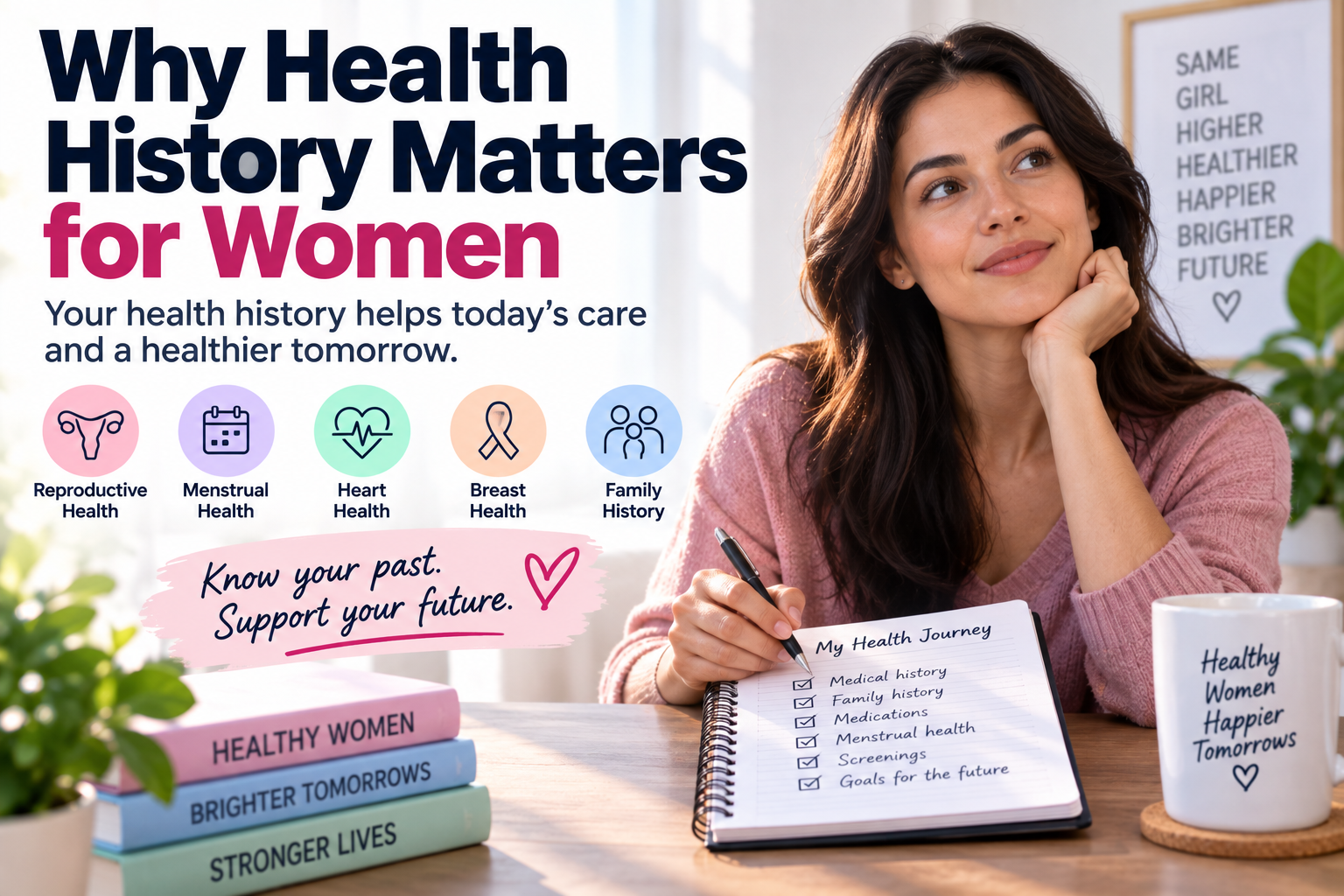
Why Health History Matters for Women
For women, keeping an accurate health history can be especially valuable because health needs can change significantly throughout different stages of life.
Read article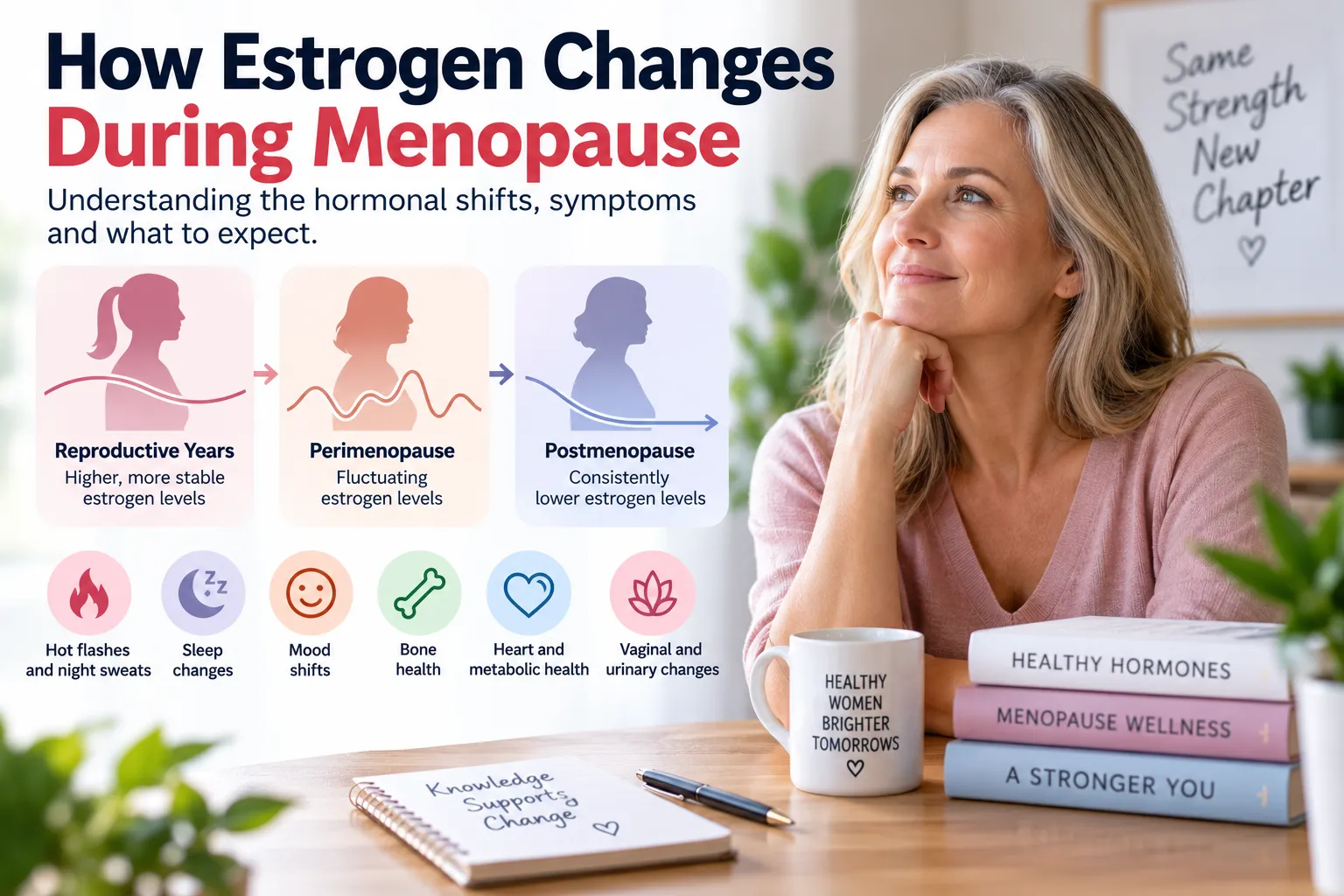
How Estrogen Changes During Menopause
Understanding how estrogen changes can make many of the physical and emotional changes associated with this stage of life easier to recognize and discuss with a healthcare professional.
Read article

Join 10,000+ Readers Building Healthier Habits
Get actionable wellness tips every week plus our newest articles delivered straight to your inbox.