

How Gender Can Influence Health Outcomes
Health outcomes are shaped by many factors, including genetics, age, environment, lifestyle, access to healthcare, and social circumstances. Sex and gender can also influence health, but they do so in different ways.
Biological differences associated with sex can affect hormones, reproductive functions, disease risks, and how certain conditions develop or present. Gender can influence health through social expectations, behaviors, occupational roles, access to medical care, and how symptoms are perceived or treated.
Understanding these influences can help explain why some health conditions affect women and men differently and why healthcare cannot always take a one-size-fits-all approach.
Sex and Gender Affect Health in Different Ways
The terms sex and gender are sometimes used interchangeably, but they describe different concepts.
Sex generally refers to biological characteristics such as reproductive anatomy, chromosomes, and hormone patterns. These characteristics can influence physiology and disease processes.
Gender refers to social roles, expectations, behaviors, identities, and experiences associated with being a woman, man, or another gender. These factors can influence health indirectly through lifestyle, employment, caregiving responsibilities, social relationships, healthcare experiences, and exposure to stress.
As a result, differences in health outcomes may arise from a combination of biological and social factors rather than from biology alone.
Biological Differences Can Influence Disease Risk
Hormones, reproductive anatomy, chromosomes, and other biological characteristics can affect the likelihood of developing particular health conditions.
For example, reproductive hormones can influence bone health, cardiovascular function, metabolism, and reproductive health. Pregnancy and menopause can also produce major physiological changes that affect health at different stages of life.
Men and women can also experience some diseases differently. Symptoms, disease progression, treatment responses, and complications may vary between groups.
A broader overview of these differences can be found in What Are the Main Differences Between Women’s and Men’s Health Needs?.
Gender Roles Can Shape Everyday Health Behaviors
Gender-related expectations can influence how people approach their health.
In some communities, men may face social expectations that discourage openly discussing pain, emotional difficulties, or other health concerns. This can contribute to delayed conversations with healthcare professionals.
Women may experience different pressures, including expectations around caregiving, family responsibilities, work, and household management. When these demands compete with personal healthcare needs, appointments, preventive care, or adequate rest may be postponed.
These patterns are not universal. Individual experiences vary significantly based on culture, socioeconomic circumstances, family structure, age, occupation, and personal preferences.
Healthcare Access Can Affect Outcomes
Health outcomes are also influenced by whether people can obtain timely and appropriate medical care.
Factors such as income, geographic location, insurance coverage, transportation, availability of specialists, health literacy, and workplace flexibility can affect access to healthcare.
Gender can interact with these factors in different ways. Someone with substantial caregiving responsibilities, for example, may have difficulty finding time for appointments. Someone working in an environment that discourages taking time off for medical care may delay seeking treatment.
Access is therefore an important part of understanding differences in health outcomes. A biological difference alone does not explain why two populations may experience different rates of diagnosis, treatment, or complications.
Symptoms May Present Differently
Some medical conditions can produce different symptoms in women and men.
Cardiovascular disease is one important example. Although chest discomfort is a well-known warning sign of a heart attack, people can experience a wider range of symptoms, and symptom patterns can vary.
Similar differences have been investigated across other areas of medicine, including autoimmune diseases, neurological conditions, respiratory disorders, and metabolic health.
Recognizing variation in symptom presentation can help healthcare professionals consider a broader range of possibilities when evaluating patients.
Research Helps Identify Important Differences
Medical research has historically not always represented women and men equally across every area of study. Differences in participation, study design, and research priorities can affect how much is known about sex-specific health effects.
Research that examines biological differences can help identify variations in disease mechanisms, medication responses, hormone-related processes, and risk factors.
At the same time, research into gender-related influences can help explain how social circumstances and healthcare experiences affect outcomes.
This is why Why Sex-Specific Health Research Matters is an important part of understanding modern healthcare. Studying differences does not mean assuming that every woman or every man will have the same experience. Instead, it can help researchers identify patterns while recognizing individual variation.
Sexual and Reproductive Health Is Particularly Influenced by Sex
Sex and reproductive biology have an especially direct relationship with certain health outcomes.
Women experience biological processes such as menstruation, pregnancy, childbirth, and menopause. Men experience reproductive processes involving sperm production, testosterone regulation, and changes in reproductive function over time.
These differences create distinct healthcare needs as well as areas of overlap.
Sexual health can also be affected by hormones, reproductive anatomy, medications, chronic illnesses, mental health, relationships, and broader social circumstances.
The differences are explored in greater detail in How Sexual and Reproductive Health Differs Between Women and Men.
Health History Can Shape Individual Risk
A person’s medical history provides important context when assessing health risks.
For women, reproductive and hormonal history can provide information that may be relevant to current and future health. Factors such as pregnancy history, menstrual patterns, menopause, family history, and previous medical conditions can all form part of a broader health picture.
This makes understanding Why Health History Matters for Women particularly relevant when considering preventive care and individual risk assessment.
Men also have important health histories that can influence medical decisions, including family history, previous conditions, medications, reproductive concerns, occupational exposures, and lifestyle factors.
Gender Can Influence Mental and Emotional Health
Physical health is only one part of the picture. Gender-related expectations can also influence mental and emotional well-being.
Social expectations about masculinity, femininity, caregiving, independence, emotional expression, and appearance can affect how people experience stress and whether they seek support.
For example, a person who believes they should handle difficulties alone may be less likely to discuss emotional problems with a healthcare professional. Another person may experience chronic stress because of caregiving responsibilities or social pressures.
These experiences can influence sleep, physical activity, substance use, relationships, and other behaviors that are connected to overall health.
Occupational and Environmental Factors Matter
Gender can also intersect with working conditions and environmental exposures.
Different groups may be disproportionately represented in certain occupations, which can affect exposure to physical hazards, chemicals, repetitive movements, shift work, workplace stress, or other risks.
Occupational roles can also influence access to preventive healthcare. Working hours, paid leave policies, workplace culture, and job security may affect whether someone can attend appointments or take time to recover from illness.
These influences demonstrate why health outcomes should be considered within the broader context of people’s everyday lives.
Preventive Healthcare Should Consider Individual Differences
Preventive healthcare aims to identify potential problems before they become more serious. Screening recommendations and preventive strategies may differ depending on factors such as age, biological sex, family history, reproductive history, lifestyle, and individual risk.
However, gender should not be treated as a simple substitute for individualized medical assessment.
Two people of the same sex or gender can have very different health risks. Conversely, people with different sex or gender characteristics can share many health needs.
The goal is therefore not to assume that everyone in a particular group has the same risks, but to use relevant information to make healthcare more appropriate to the individual.
Why a One-Size-Fits-All Approach Can Fall Short
A healthcare approach that ignores meaningful biological differences can overlook important variations in disease risk, symptoms, or treatment responses.
At the same time, an approach that focuses too heavily on broad categories can overlook individual circumstances.
Effective healthcare requires both perspectives. Sex-related biological factors can provide useful information, while gender-related experiences and social determinants can provide additional context.
Age, genetics, family history, lifestyle, environment, socioeconomic circumstances, existing medical conditions, and personal preferences can all interact with these factors.
Building More Personalized Healthcare
Understanding how gender and sex can influence health outcomes is ultimately about improving the quality and relevance of healthcare.
Research can help identify population-level patterns. Healthcare professionals can use those findings alongside a person’s medical history, symptoms, risk factors, and circumstances. Individuals can also benefit from understanding their own health risks and communicating openly with healthcare providers.
The result is a more complete view of health—one that recognizes meaningful differences without assuming that those differences define every individual.
As medical research continues to examine sex-specific biology and the social factors associated with gender, healthcare can become better equipped to recognize variation, identify risks earlier, and provide care that reflects the needs of different populations.
Continue Reading
Similar Posts

How Period Pain Differs From Severe Pain
Understanding the difference between typical menstrual cramps and pain that may be unusually severe can help people recognize when symptoms deserve additional attention.
Read article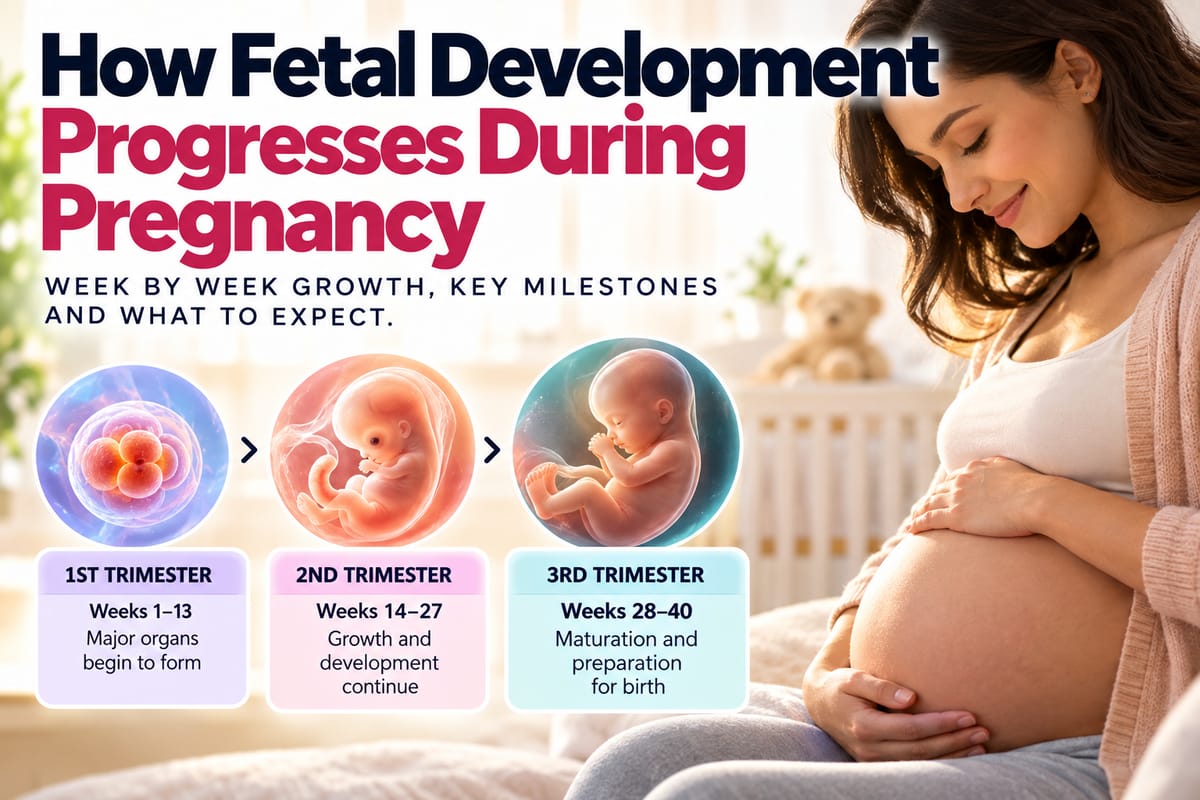
How Fetal Development Progresses During Pregnancy
Understanding the general stages of fetal development can make pregnancy easier to understand and can provide useful context for prenatal care, pregnancy planning, and discussions with healthcare professionals.
Read article
Why Sex-Specific Health Research Matters
This does not mean that women and men need completely separate medical systems. Many diseases, treatments, and health recommendations apply broadly across populations. Instead, sex-specific research helps identify situations where biological differences are relevant and where medical knowledge can be improved by studying women and men appropriately.
Read article

Join 10,000+ Readers Building Healthier Habits
Get actionable wellness tips every week plus our newest articles delivered straight to your inbox.