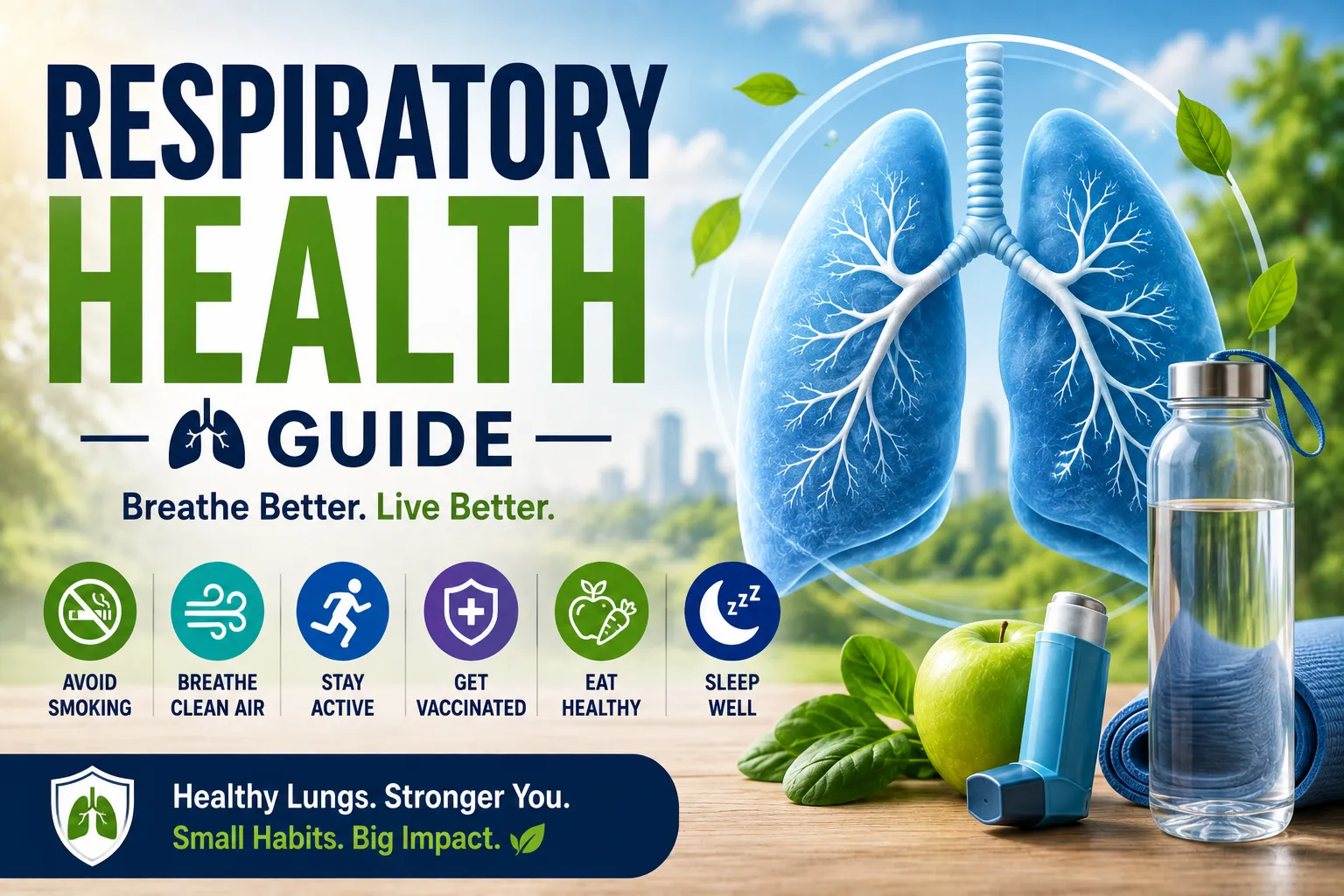

Respiratory Health Guide
The respiratory system plays a vital role in sustaining life by delivering oxygen to the body and removing carbon dioxide with every breath. Healthy lungs and airways support not only physical activity but also brain function, heart health, immune defense, and overall well-being. While breathing is something most people rarely think about, maintaining respiratory health is essential for living an active and healthy life.
Air quality, lifestyle choices, infections, allergies, and chronic medical conditions can all affect lung health. Fortunately, many respiratory problems can be prevented or managed through healthy habits, early medical care, and awareness of environmental risks. Supporting the body’s immune system can also play an important role in maintaining defenses against infections that affect the respiratory tract.
This guide explains how the respiratory system works, common respiratory conditions, risk factors, preventive strategies, and practical ways to support healthy lungs throughout life.
Note: This article is for educational purposes only and should not replace professional medical advice. Consult a qualified healthcare provider if you experience persistent breathing difficulties or respiratory symptoms.
What Is the Respiratory System?
The respiratory system is a network of organs and tissues responsible for moving oxygen into the body and removing carbon dioxide.
Its major components include:
- Nose
- Mouth
- Sinuses
- Throat (pharynx)
- Voice box (larynx)
- Windpipe (trachea)
- Bronchi
- Lungs
- Diaphragm
- Alveoli (air sacs)
Together, these structures work continuously to support breathing and gas exchange.
Why Respiratory Health Matters
Healthy lungs are essential for every organ in the body.
Good respiratory health helps:
- Deliver oxygen efficiently
- Remove carbon dioxide
- Support physical activity
- Improve energy levels
- Protect against infections
- Support heart function
- Enhance sleep quality
- Promote overall well-being
Healthy lungs contribute to better quality of life at every age.
How Breathing Works
Breathing is an automatic process controlled by the brain and respiratory muscles.
During inhalation:
- The diaphragm contracts.
- The lungs expand.
- Air enters through the nose or mouth.
- Oxygen travels into the lungs.
- Oxygen passes into the bloodstream.
During exhalation:
- The diaphragm relaxes.
- Carbon dioxide leaves the bloodstream.
- Air is expelled from the lungs.
This cycle repeats thousands of times every day.
Common Respiratory Conditions
Several health conditions can affect the lungs and airways.
Common respiratory disorders include:
- Asthma
- Chronic obstructive pulmonary disease (COPD)
- Pneumonia
- Bronchitis
- Influenza
- COVID-19
- Allergic rhinitis
- Sleep apnea
Many respiratory conditions can be effectively managed with appropriate medical care.
Risk Factors for Respiratory Disease
Several factors may increase the likelihood of respiratory problems.
Examples include:
- Smoking
- Secondhand smoke
- Air pollution
- Occupational dust and chemicals
- Allergies
- Respiratory infections
- Family history
- Chronic medical conditions
Reducing exposure to avoidable risks can help protect lung health.
Smoking and Lung Health
Smoking remains one of the leading causes of preventable respiratory disease.
It increases the risk of:
- COPD
- Lung cancer
- Chronic bronchitis
- Emphysema
- Reduced lung function
- Respiratory infections
- Heart disease
- Stroke
Avoiding tobacco products is one of the most effective ways to protect respiratory health.
Air Quality Matters
The air we breathe can significantly influence lung health.
Poor air quality may result from:
- Traffic pollution
- Wildfire smoke
- Industrial emissions
- Indoor smoke
- Dust
- Mold
- Household chemicals
- Pollen
Improving indoor ventilation and limiting exposure to polluted air can help reduce respiratory irritation.
Respiratory Infections
Viruses and bacteria can infect the respiratory system.
Common infections include:
- Common cold
- Influenza
- COVID-19
- Pneumonia
- Sinus infections
- Bronchitis
Practicing good personal hygiene and following public health recommendations can help reduce the spread of respiratory illnesses. Broader infectious disease prevention strategies can also help reduce exposure to illnesses that affect the respiratory system.
A common cold is usually mild, but supportive care and appropriate self-care can help with comfort and recovery. More information is available in this guide to supporting comfort and recovery during a common cold.
Physical Activity Supports Lung Health
Regular exercise benefits both the lungs and cardiovascular system.
Physical activity may help:
- Improve breathing efficiency
- Increase endurance
- Strengthen respiratory muscles
- Support heart health
- Improve circulation
- Maintain healthy body weight
- Enhance overall fitness
- Promote better well-being
Choose activities appropriate for your age, fitness level, and medical condition.
Nutrition and Respiratory Health
A balanced diet supports the body’s normal immune and respiratory functions.
Healthy foods include:
- Fruits
- Vegetables
- Whole grains
- Lean proteins
- Healthy fats
- Legumes
- Nuts
- Seeds
Good nutrition contributes to overall health, including the health of the lungs.
Stay Hydrated
Adequate hydration helps maintain normal body functions.
Drinking enough fluids may help:
- Keep mucus thinner
- Support airway comfort
- Promote overall health
- Maintain normal circulation
- Support physical activity
Water is generally the best choice for staying hydrated.
Vaccinations and Prevention
Vaccinations play an important role in reducing the risk of certain respiratory infections.
Healthcare providers may recommend vaccines based on:
- Age
- Medical conditions
- Occupation
- Travel
- Pregnancy
- Public health guidance
For a broader explanation of how immunization helps reduce infectious disease risk, see How Vaccines Help Prevent Infectious Diseases.
Discuss recommended immunizations with your healthcare provider.
Recognizing Warning Signs
Seek medical attention if you experience symptoms such as:
- Persistent cough
- Difficulty breathing
- Wheezing
- Chest pain
- Coughing up blood
- High fever with breathing problems
- Blue lips or fingertips
- Severe shortness of breath
Prompt evaluation can help identify serious respiratory conditions early.
Common Myths About Lung Health
Several misconceptions continue to circulate.
Myth: Only Smokers Develop Lung Disease
While smoking is a major risk factor, respiratory conditions can also affect people who have never smoked.
Myth: Shortness of Breath Is a Normal Part of Aging
Persistent breathing difficulties should always be discussed with a healthcare professional.
Myth: Exercise Is Unsafe for People With Lung Conditions
Many individuals with chronic respiratory conditions can safely remain active under medical guidance.
Myth: Indoor Air Is Always Cleaner Than Outdoor Air
Indoor air can contain dust, mold, smoke, and other pollutants that affect respiratory health.
Tips for Supporting Healthy Lungs
Support respiratory wellness by:
- Avoiding tobacco products.
- Staying physically active.
- Eating a balanced diet.
- Drinking enough water.
- Reducing exposure to air pollution.
- Practicing good hand hygiene.
- Keeping vaccinations up to date.
- Managing allergies appropriately.
- Improving indoor air quality.
- Seeking medical advice for persistent respiratory symptoms.
Healthy daily habits can contribute to better lung function over time.
The Future of Respiratory Care
Medical research continues improving respiratory disease prevention and treatment.
Emerging developments include:
- AI-assisted lung imaging
- Personalized respiratory medicine
- Improved inhaler technologies
- Remote patient monitoring
- Digital lung function testing
- Advanced vaccines
- Precision therapies
- Wearable respiratory health devices
These innovations aim to improve early diagnosis, treatment, and long-term respiratory health.
Building Healthier Lungs for Life
Respiratory health is fundamental to overall well-being, affecting everything from physical activity and energy levels to heart health and immune function. Although many respiratory conditions are influenced by genetics or environmental factors, healthy lifestyle choices and preventive care can significantly reduce the risk of lung disease.
By avoiding tobacco, staying physically active, maintaining a balanced diet, improving air quality, and seeking timely medical care when symptoms arise, individuals can support healthy lungs throughout every stage of life. Protecting respiratory health today helps build a stronger foundation for lifelong wellness.
Continue Reading
Similar Posts

How Antibodies Help the Immune System Fight Infection
Understanding how antibodies work provides a clearer picture of why people develop immunity after certain infections or vaccinations and why the immune system can respond more effectively when it encounters a familiar pathogen again.
Read article
What Is the Difference Between Disease and Disorder
Understanding the distinction can make health information easier to interpret and help explain why doctors sometimes use one term rather than the other.
Read article
Why Blood Pressure Matters for Long-Term Health
Understanding why blood pressure matters can make it easier to recognize the importance of routine screening, healthy habits and appropriate treatment.
Read article

Join 10,000+ Readers Building Healthier Habits
Get actionable wellness tips every week plus our newest articles delivered straight to your inbox.