

How Vector Control Prevents Infectious Diseases
Many infectious diseases do not spread directly from one person to another. Instead, they can be transmitted by mosquitoes, ticks, fleas, flies, and other organisms that carry pathogens between hosts. These organisms are known as vectors, and controlling them is an important part of preventing disease.
Vector control includes a wide range of measures designed to reduce contact between people and disease-carrying organisms. Depending on the disease and environment, these measures can include eliminating breeding sites, using insecticide-treated materials, improving sanitation, protecting homes, monitoring vector populations, and reducing exposure to bites.
Because infectious diseases can spread through multiple pathways, vector control works best as one component of a broader prevention strategy.
What Is a Disease Vector?
A vector is a living organism that can transmit an infectious pathogen between people, animals, or other hosts.
Common vectors include:
- Mosquitoes
- Ticks
- Fleas
- Certain flies
- Lice
- Some other arthropods
The pathogen may be a virus, bacterium, parasite, or another infectious organism.
Not every mosquito, tick, or fly carries disease. Transmission depends on the species, pathogen, environment, and interaction between the vector and its hosts.
How Vector-Borne Disease Transmission Works
Vector-borne transmission generally involves several steps.
First, a vector becomes infected by feeding on an infected host or through another mechanism. The pathogen then survives or develops within the vector. When the vector subsequently contacts another susceptible host, the pathogen may be transmitted.
Mosquitoes provide a familiar example. A mosquito can acquire certain pathogens while feeding on an infected person. After the pathogen develops within the mosquito, a subsequent bite can transmit the infection to another person.
The exact transmission process varies between diseases.
Understanding how these interactions work helps public-health programs identify where intervention can have the greatest effect.
Why Vector Control Matters
Reducing vector populations or reducing contact between vectors and people can interrupt part of the transmission cycle.
If fewer infectious vectors reach susceptible people, fewer opportunities for transmission may occur.
Vector control can therefore complement other measures such as:
- Vaccination
- Early diagnosis
- Treatment
- Personal protective measures
- Sanitation
- Safe water
- Environmental management
- Disease surveillance
The broader principles are covered in the Guide to Infectious Disease Prevention.
Mosquito Control
Mosquitoes are among the best-known disease vectors.
Different mosquito species can transmit different pathogens, and their breeding and feeding behaviors vary. Effective mosquito-control programs therefore need to consider the species involved and the local environment.
Common strategies can include:
- Removing standing water
- Treating appropriate water sources
- Improving drainage
- Using insecticide-treated nets
- Applying approved insecticides
- Installing window and door screens
- Managing vegetation where appropriate
- Monitoring mosquito populations
The appropriate approach depends on the disease, mosquito species, geography, season, and local conditions.
Removing Mosquito Breeding Sites
Many mosquitoes require water during part of their life cycle.
Small amounts of stagnant water can sometimes provide suitable breeding environments. Containers, discarded items, blocked drains, gutters, and other areas that collect water can therefore become relevant targets for mosquito-control efforts.
Regularly emptying or managing suitable water-holding containers can reduce potential breeding sites around homes and communities.
Larger water sources may require organized environmental management or professional treatment.
Protecting People From Mosquito Bites
Vector control is not limited to reducing the number of insects.
Reducing human-vector contact can also interrupt disease transmission.
Protective measures can include:
- Wearing clothing that covers exposed skin
- Using appropriate insect repellent
- Sleeping under insecticide-treated nets where recommended
- Using window and door screens
- Keeping living spaces appropriately protected
- Avoiding areas with high vector activity when practical
The relationship between insect bites and disease transmission is explained in How Insect Bites Spread Disease.
Tick Control
Ticks can transmit several infectious diseases.
Unlike mosquitoes, ticks do not fly. They often wait on vegetation or other surfaces and attach to people or animals that pass nearby.
Risk-reduction strategies can therefore focus on limiting contact with tick habitats and checking for ticks after outdoor activities.
Useful measures may include:
- Wearing long trousers in areas with ticks
- Tucking clothing into socks when appropriate
- Using recommended repellents
- Staying on maintained paths
- Checking the body and clothing after outdoor exposure
- Removing attached ticks promptly and appropriately
Managing vegetation around homes can also help reduce suitable tick habitat in some environments.
Flea Control
Fleas can affect both animals and people and can participate in the transmission of certain infections.
Controlling flea populations may require attention to both animals and their environments.
Measures can include appropriate veterinary flea control for pets, cleaning and treating areas where fleas may develop, and following professional recommendations when an infestation occurs.
Treating only one part of the environment may not be enough if fleas continue to reproduce elsewhere.
Fly Control and Sanitation
Some flies can mechanically transfer pathogens from contaminated material to food, surfaces, or people.
Good sanitation can reduce opportunities for this type of transmission.
Important measures include:
- Proper waste disposal
- Covering food
- Cleaning food-preparation areas
- Maintaining toilets and sanitation systems
- Managing animal waste
- Preventing flies from accessing food
Environmental hygiene can therefore contribute to infectious-disease prevention even when chemical insect control is not used.
Environmental Management
Vector control often begins with changing the environment in ways that make it less suitable for vectors.
Depending on the vector, environmental measures can include:
- Improving drainage
- Removing standing water
- Managing waste
- Maintaining vegetation
- Repairing damaged structures
- Improving housing conditions
- Managing animal habitats
- Maintaining water-storage systems
These measures can provide long-term benefits because they address conditions that allow vectors to survive or reproduce.
Insecticide-Based Control
Insecticides are chemicals designed to control insects.
Public-health programs may use them in different ways, including treating surfaces, applying larvicides to appropriate breeding sites, or treating bed nets and other materials.
Their use requires careful planning because excessive or inappropriate insecticide use can contribute to resistance and may create environmental or health concerns.
The choice of insecticide, application method, timing, and location should therefore be based on the target vector and local public-health guidance.
Insecticide-Treated Nets
In regions where mosquitoes transmit diseases at night, insecticide-treated bed nets can reduce contact between people and mosquitoes.
The physical barrier helps prevent mosquitoes from reaching the person sleeping underneath, while the insecticidal treatment can provide additional protection.
Nets work best when they are used consistently and maintained according to instructions.
They are particularly valuable as part of an integrated approach rather than as the only method of disease prevention.
Indoor Residual Spraying
Indoor residual spraying involves applying approved insecticides to selected indoor surfaces where mosquitoes may rest.
The goal is to reduce the survival of mosquitoes that enter treated buildings.
This strategy can be effective against particular mosquito species and diseases when implemented appropriately.
Because effectiveness depends on mosquito behavior and local conditions, public-health authorities typically determine where and how such programs should be used.
Biological Vector Control
Not all vector-control methods rely on conventional chemical insecticides.
Biological approaches can use organisms or naturally occurring processes to reduce vector populations.
Examples can include biological agents that affect mosquito larvae or strategies that alter the ability of vectors to transmit certain pathogens.
These methods require careful evaluation because ecological effects, effectiveness, and long-term sustainability can vary.
Community Participation Matters
Vector control is often more effective when communities participate.
A public-health agency can conduct organized mosquito-control activities, but household and community behaviors can also influence vector habitats.
Residents can contribute by:
- Removing standing water
- Keeping surroundings clean
- Maintaining screens
- Using bed nets correctly
- Following public-health guidance
- Reporting unusual vector activity where reporting systems exist
- Participating in organized control programs
Community participation can help extend prevention efforts beyond individual households.
Vector Surveillance
Public-health authorities need to know where vectors are present and how their populations change.
Surveillance can involve monitoring:
- Vector abundance
- Geographic distribution
- Seasonal activity
- Infection rates within vectors
- Insecticide resistance
- Environmental conditions
This information can help authorities decide where interventions are needed and whether existing control measures are working.
Why Insecticide Resistance Matters
Repeated exposure to the same insecticide can contribute to the development of resistance in some vector populations.
When resistant insects survive exposure and reproduce, resistance traits can become more common.
This can reduce the effectiveness of control programs.
For this reason, public-health programs may monitor resistance and adapt strategies when necessary. Depending on the circumstances, this can involve changing insecticides, combining approaches, improving application practices, or emphasizing non-chemical measures.
Climate and Environmental Conditions Can Affect Vectors
Temperature, rainfall, humidity, vegetation, and water availability can influence vector populations.
Changes in environmental conditions can affect where vectors survive and how quickly they reproduce.
This makes surveillance and local planning important. A control strategy that works well in one environment may not produce the same results elsewhere.
Environmental changes can also influence when vector populations become more active.
Housing Can Reduce Vector Exposure
The design and condition of homes can influence contact between people and vectors.
Measures such as properly fitted screens, sealed openings, improved drainage, and appropriate waste management can reduce opportunities for vectors to enter or reproduce near homes.
In some regions, housing improvements can therefore form part of broader infectious-disease prevention programs.
Animal Health Can Be Part of Vector Control
Some vector-borne diseases involve animals as hosts.
Pets, livestock, wildlife, and other animals can influence disease transmission depending on the pathogen and vector involved.
Veterinary care, animal vaccination where appropriate, parasite control, and responsible animal management can therefore contribute to broader disease-control efforts.
The appropriate measures depend on the specific disease and local epidemiology.
Vector Control Is Different From Vaccination
Vector control and vaccination address different parts of the infectious-disease process.
Vector control attempts to reduce transmission by controlling the organism that carries the pathogen or reducing contact between the vector and people.
Vaccination works by preparing the immune system to recognize and respond to specific pathogens.
Vaccination can therefore provide individual protection against certain diseases, while vector control can reduce opportunities for transmission across a community.
The role of immunization is explored in How Vaccines Help Prevent Infectious Diseases.
The Immune System Provides Another Layer of Protection
Even when vector-control measures are in place, exposure can still occur.
The body’s immune system provides another important layer of defense against infectious organisms.
Antibodies are proteins produced by the immune system that can recognize specific foreign substances, including components of pathogens.
The relationship between antibodies and infection is explained in How Antibodies Help the Immune System Fight Infection.
Disease prevention therefore works through multiple layers rather than relying on one intervention.
Integrated Vector Management
Integrated vector management brings together different control methods rather than relying on a single intervention.
A program might combine:
- Environmental management
- Personal protection
- Biological control
- Insecticide use
- Housing improvements
- Surveillance
- Community education
The combination can be adapted according to the vector, disease, environment, available resources, and evidence about what works locally.
Why One Strategy Does Not Work Everywhere
Vectors differ in behavior.
Some mosquitoes breed in small containers, while others prefer larger bodies of water. Some bite primarily during the day, while others are more active at night.
Ticks may live in vegetation, while other vectors may thrive around animals or poorly managed waste.
Because of these differences, vector control needs to be tailored to the specific transmission system.
Personal Protection Still Matters
Community-level vector control does not eliminate the need for individual precautions.
People traveling or living in areas where vector-borne diseases occur may need to use appropriate personal protection based on local guidance.
This can include insect repellent, protective clothing, bed nets, screens, and other measures suited to the vector and disease involved.
Personal protection can be particularly important when traveling to areas where a person may have little previous exposure to local pathogens.
Early Detection Can Support Disease Control
Vector control reduces opportunities for infection, but it cannot prevent every case.
People who develop symptoms after possible exposure should follow appropriate medical guidance. Early diagnosis can help patients receive suitable care and, for some infections, can contribute to public-health efforts to reduce further transmission.
The symptoms and testing process vary substantially between diseases, so suspected infections should be assessed by an appropriate healthcare professional.
How Vector Control Protects Communities
The benefits of vector control can extend beyond the individual.
When fewer infectious vectors interact with people, the opportunities for pathogens to move between hosts can decrease. This can help reduce transmission within communities, particularly when vector control is combined with vaccination, diagnosis, treatment, sanitation, and other prevention measures.
Effective programs also depend on continuous monitoring because vector populations and environmental conditions can change.
Building a Layered Approach to Prevention
Vector control works by interrupting one of the pathways that allows infectious diseases to spread.
Reducing breeding sites, limiting vector populations, improving housing, using protective equipment, monitoring disease-carrying organisms, and educating communities can all contribute to reducing transmission.
No single measure is appropriate for every disease or environment. The most effective strategy depends on understanding the specific vector, pathogen, host, and surroundings involved.
When vector control is combined with vaccination, immune protection, sanitation, personal precautions, surveillance, and timely healthcare, it becomes part of a broader system designed to prevent infectious diseases and reduce their impact on communities.
Continue Reading
Similar Posts

How Sun Exposure Affects Skin Cancer Risk
Understanding how sun exposure affects the skin can make prevention more practical. Protection is not about avoiding daylight altogether. Instead, it involves reducing unnecessary ultraviolet exposure and recognizing situations when the skin is particularly vulnerable.
Read article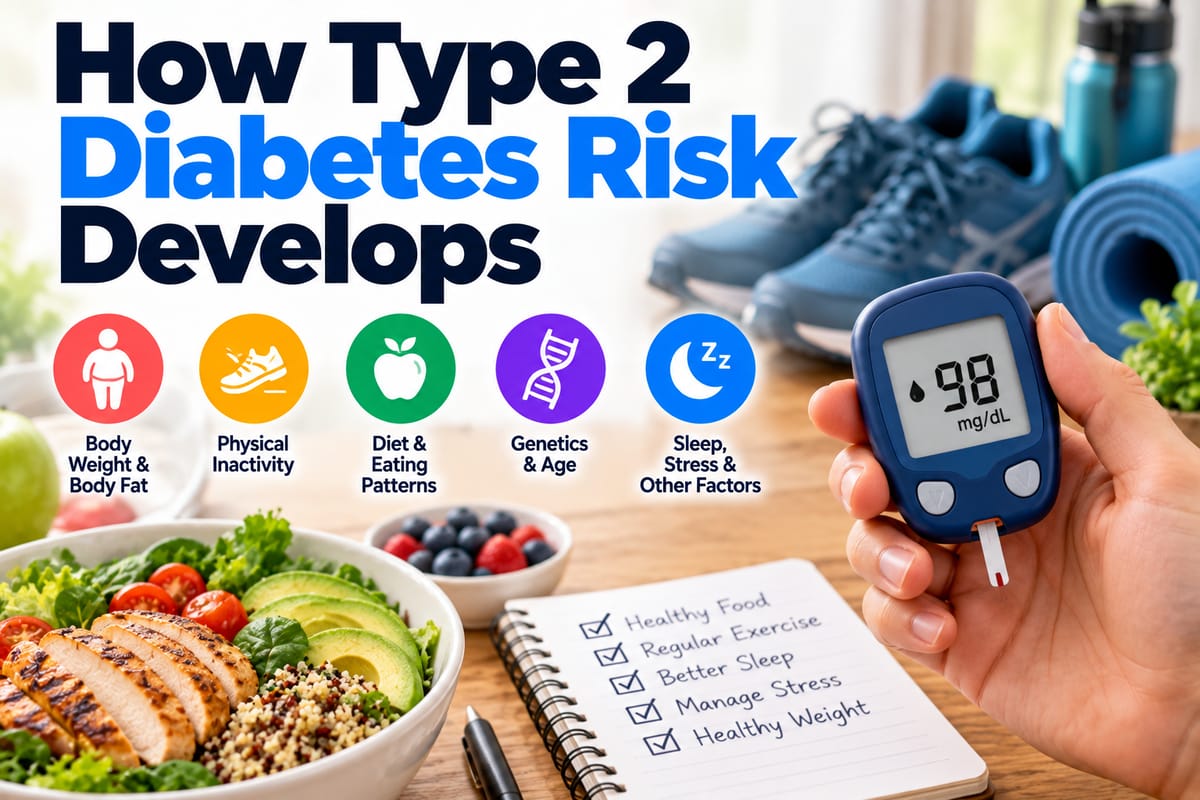
How Type 2 Diabetes Risk Develops
Understanding how type 2 diabetes risk develops can make the condition easier to prevent or manage. Risk factors do not guarantee that someone will develop diabetes, and some people develop the condition without having an obvious single cause. Instead, risk tends to emerge from the interaction of several factors over time.
Read article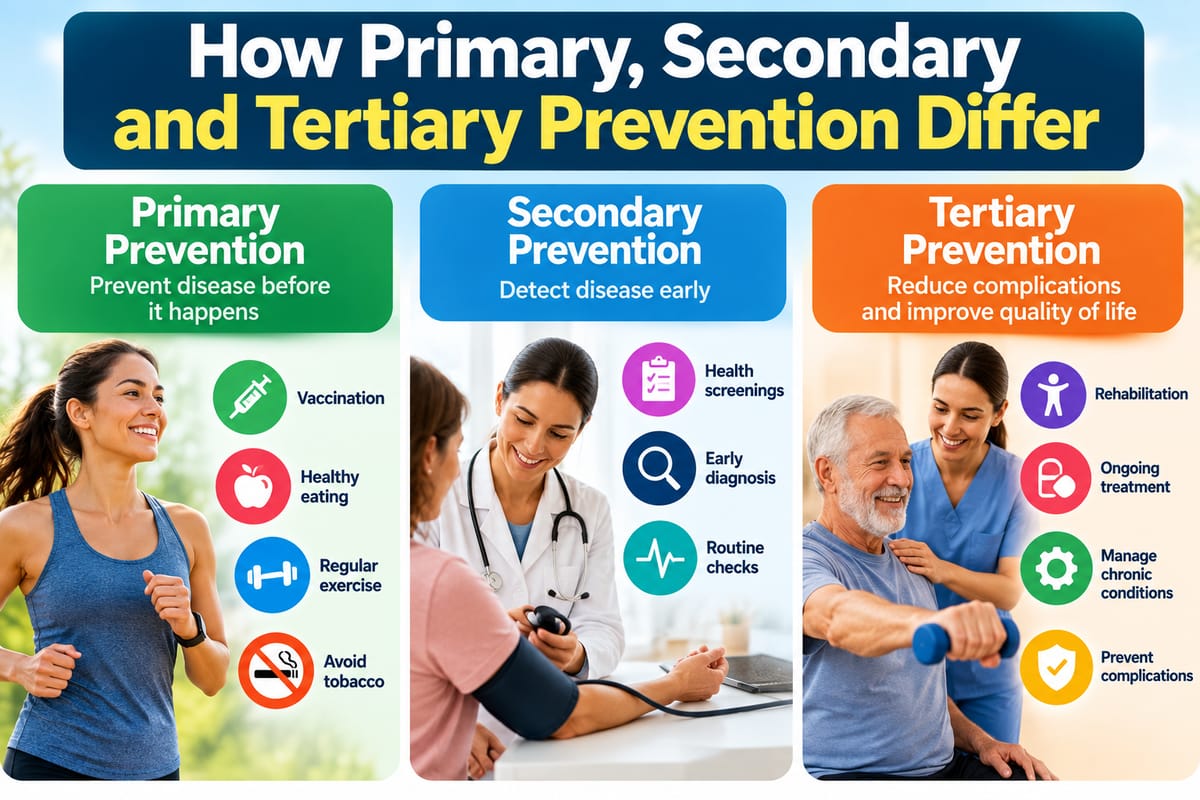
How Primary, Secondary, and Tertiary Prevention Differ
Understanding these differences can make it easier to understand why vaccination, health screenings, early diagnosis, rehabilitation, and long-term disease management are all considered parts of preventive healthcare.
Read article
Join 10,000+ Readers Building Healthier Habits
Get actionable wellness tips every week plus our newest articles delivered straight to your inbox.