

How Sun Exposure Affects Skin Cancer Risk
Sunlight plays an important role in everyday life, but excessive exposure to ultraviolet radiation can damage skin cells and contribute to skin cancer over time. The risk is influenced by the amount and intensity of ultraviolet exposure, a person’s skin characteristics, patterns of outdoor activity, and other factors.
Understanding how sun exposure affects the skin can make prevention more practical. Protection is not about avoiding daylight altogether. Instead, it involves reducing unnecessary ultraviolet exposure and recognizing situations when the skin is particularly vulnerable.
What Makes Sunlight a Skin Cancer Risk?
Sunlight contains ultraviolet, or UV, radiation. The two types most relevant to skin damage are UVA and UVB radiation.
UVA can penetrate deeper into the skin and contributes to premature skin aging as well as cellular damage. UVB is strongly associated with sunburn and can directly damage DNA in skin cells.
Repeated or intense UV exposure can cause changes in skin-cell DNA. When damaged cells are not adequately repaired, abnormal cells may develop and multiply. Over time, some of these changes can contribute to the development of skin cancer.
Sunburn Is a Sign of UV Damage
A sunburn is more than temporary redness.
It occurs when UV exposure causes significant injury to skin cells. Severe or repeated sunburns can contribute to cumulative skin damage, particularly when they occur over many years.
Children and teenagers can be especially vulnerable to repeated intense sun exposure because UV damage accumulates throughout life.
Avoiding sunburn is therefore an important part of reducing unnecessary UV exposure.
Cumulative Exposure Matters
Skin cancer risk is not determined by a single afternoon outdoors.
UV exposure accumulates over time. Everyday activities such as walking, working outdoors, exercising, gardening, commuting, or spending time at the beach can all contribute to a person’s lifetime exposure.
This is one reason sun protection can be useful even when someone does not consider themselves a person who “sunbathes.”
Consistent habits can reduce the amount of unnecessary UV exposure received over the years.
Intense Exposure Can Also Matter
Cumulative exposure is important, but intense periods of UV exposure can also contribute to skin damage.
A person who spends most of the year indoors and then spends several hours in strong sunlight without protection may receive a substantial amount of UV exposure in a short period.
Outdoor vacations, beach days, hiking trips, sporting events, and other activities can involve particularly high exposure.
Planning ahead can make these situations safer without preventing people from enjoying outdoor activities.
Skin Type Can Influence Risk
People have different natural levels of protection against UV radiation.
Individuals with lighter skin that burns easily generally have a higher risk of UV-related skin damage. People with darker skin have more melanin, which provides some natural protection, but it does not make the skin immune to UV damage or skin cancer.
Skin cancer can occur in people of all skin tones.
Because some skin cancers may be detected later in people with darker skin, knowing how to recognize unusual changes and seeking medical evaluation when appropriate remains important.
Hair and Eye Characteristics Can Also Be Relevant
Certain physical characteristics can be associated with increased susceptibility to UV-related damage.
For example, people with naturally light-colored eyes or hair and skin that burns rather than tans may have greater sensitivity to sunlight.
These characteristics do not determine whether someone will develop skin cancer. They are simply part of the broader collection of factors that can influence individual risk.
Family History Can Play a Role
A person’s risk of skin cancer can also be influenced by factors that have nothing to do with how much sunlight they receive.
Family history can contribute to susceptibility to certain types of skin cancer. Some inherited characteristics can also influence how skin responds to environmental exposures.
This means sun protection remains important even for people who do not consider themselves particularly sun-sensitive.
Some Outdoor Environments Increase UV Exposure
The amount of UV radiation reaching the skin can vary considerably depending on the environment.
Factors such as altitude, latitude, season, time of day, cloud cover, and reflective surfaces can affect exposure.
Snow, sand, and water can reflect UV radiation, potentially increasing exposure to areas of skin that might otherwise receive less direct sunlight.
Understanding how surroundings influence exposure is part of a broader approach to environmental health. The How Your Environment Affects Everyday Health guide explores how environmental conditions can influence everyday well-being.
Time of Day Can Affect UV Exposure
UV levels are generally stronger around the middle portion of the day than during early morning or late afternoon.
People who need to spend significant time outdoors can reduce exposure by planning activities for times when UV intensity is lower when practical.
When changing the timing of an activity is not possible, other protective measures can become particularly useful.
Clouds Do Not Eliminate UV Exposure
A cloudy day can feel much cooler than a sunny day, but clouds do not necessarily block all UV radiation.
Some UV radiation can still reach the skin under cloudy conditions.
This is why relying solely on temperature or visible sunlight can be misleading when deciding whether protection is appropriate.
Shade Can Reduce Exposure
Seeking shade is one of the simplest ways to reduce direct sunlight exposure.
Trees, covered patios, umbrellas, shelters, and other forms of shade can help limit the amount of direct UV radiation reaching the skin.
Shade is most useful when combined with other protective measures because reflected and scattered UV radiation can still reach exposed areas.
Protective Clothing Can Help
Clothing can provide a physical barrier between the skin and UV radiation.
Long-sleeved shirts, trousers, wide-brimmed hats, and other tightly woven garments can help reduce exposure to covered areas.
Specialized clothing designed with ultraviolet protection can provide additional protection when spending extended periods outdoors.
The amount of protection provided by ordinary clothing varies depending on the fabric, weave, color, thickness, and how much of the body it covers.
Sunscreen Is One Part of Sun Protection
Sunscreen can help reduce UV exposure on areas that remain uncovered.
Broad-spectrum sunscreen is designed to protect against both UVA and UVB radiation. Sunscreen should be applied according to the product’s instructions and reapplied when necessary, particularly after swimming, sweating, or prolonged outdoor activity.
Sunscreen should not be viewed as permission to remain in direct sunlight indefinitely.
Combining sunscreen with shade, protective clothing, hats, and sensible timing can provide a more comprehensive approach.
Do Not Forget Commonly Missed Areas
People often remember to protect their face and arms while overlooking other exposed areas.
Depending on clothing and activity, commonly missed areas can include:
- Ears
- Neck
- Scalp
- Back of the hands
- Tops of the feet
- Shoulders
- Lips
People with thinning hair or bald areas may need to pay particular attention to the scalp when spending time outdoors.
Tanning Does Not Mean Healthy Skin
A tan is a response to UV exposure.
When skin produces more melanin after UV exposure, its color can become darker. Although tanning may be viewed as desirable in some settings, the change indicates that the skin has responded to UV radiation.
Artificial tanning devices can also expose the skin to ultraviolet radiation and are not a harmless alternative to natural sunlight.
Reducing intentional tanning can therefore be part of a broader skin-health strategy.
Indoor Tanning Can Increase UV Exposure
Indoor tanning equipment can expose users to concentrated UV radiation.
Repeated exposure can contribute to cumulative skin damage and increase skin cancer risk.
Choosing not to use tanning beds or similar devices eliminates this additional source of UV exposure.
Skin Damage Can Accumulate Without Immediate Symptoms
Not all UV damage produces an obvious reaction.
A person can receive UV exposure without developing a visible sunburn. This does not mean the exposure had no effect on the skin.
Repeated exposure can contribute to cumulative cellular damage even when the skin does not appear dramatically affected afterward.
This is why regular protective habits can be useful rather than relying solely on avoiding visible sunburn.
Know the Common Warning Signs of Skin Cancer
Skin cancers can look different from one person to another.
Changes that may deserve professional evaluation include:
- A new growth on the skin
- A sore that does not heal
- A spot that repeatedly bleeds or crusts
- A lesion that changes in size, shape, or color
- A mole that develops noticeable changes
- A persistent area of unusual skin texture
- A spot that looks significantly different from surrounding marks
These signs do not automatically mean cancer is present. Many skin changes have harmless causes.
However, persistent or changing abnormalities should be evaluated by an appropriate healthcare professional rather than diagnosed at home.
Regular Skin Awareness Can Help
Knowing what is normal for your own skin can make unusual changes easier to notice.
You do not necessarily need to constantly examine every mark. Instead, pay attention to new or changing areas and discuss concerns with a healthcare professional.
People with significant risk factors or a history of skin cancer may receive specific recommendations for professional skin examinations.
The appropriate screening approach varies according to individual circumstances.
Prevention Is About More Than One Habit
Skin cancer prevention does not depend on a single behavior.
A broader approach can include:
- Limiting unnecessary intense UV exposure
- Seeking shade
- Wearing protective clothing
- Using broad-spectrum sunscreen on exposed skin
- Wearing a suitable hat
- Protecting the eyes when appropriate
- Avoiding intentional tanning
- Avoiding indoor tanning devices
- Paying attention to changes in the skin
- Seeking medical advice about suspicious or persistent changes
These measures can complement one another.
Consider Sun Protection Part of Preventive Healthcare
Preventive healthcare involves taking steps to reduce health risks before serious problems develop.
Sun protection fits naturally into this approach because it focuses on reducing repeated exposure to a known environmental risk.
The Preventive Healthcare Guide provides a broader look at how preventive habits, screening, and health monitoring can support long-term health.
Understand Risk as a Combination of Factors
Skin cancer risk is rarely explained by one factor alone.
UV exposure can interact with age, genetics, skin characteristics, immune status, previous skin damage, and other individual circumstances.
This is similar to how risk develops for many other health conditions. The Understanding Major Risk Factors for Disease guide explores the broader concept of how multiple factors can influence disease risk.
Recognizing this complexity can help people avoid two extremes: assuming that sun exposure guarantees skin cancer or assuming that limited sun exposure makes skin cancer impossible.
Reduce Risk Without Avoiding the Outdoors
Sun protection does not have to mean staying indoors.
Outdoor activity provides opportunities for exercise, recreation, social connection, and enjoyment of nature. The goal is to balance these benefits with sensible protection from excessive UV exposure.
A person can enjoy walking, hiking, gardening, sports, travel, and other outdoor activities while using shade, clothing, sunscreen, and appropriate timing to reduce unnecessary exposure.
Make Sun Protection Routine
The most practical approach is to make protection part of normal outdoor habits rather than treating it as something reserved for vacations or unusually hot days.
Keep sunscreen where it is easy to access. Carry a hat for longer outdoor activities. Choose shade when available. Wear protective clothing when spending extended periods outside.
These small decisions can reduce cumulative exposure without requiring major changes to everyday life.
How Prevention Fits Into Long-Term Health
Reducing UV exposure is one component of a broader strategy for reducing health risks.
The objective is not to eliminate every possible risk, because that is rarely realistic. Instead, prevention focuses on identifying meaningful risks and taking practical steps to reduce avoidable exposure.
As explained in How Disease Prevention Works and How to Reduce Health Risks, prevention can involve a combination of healthy behaviors, risk awareness, early detection, and appropriate healthcare.
Protecting Skin Starts With Consistent Habits
Sun exposure is a normal part of life, but repeated UV exposure can contribute to skin damage and skin cancer risk over time. The risk can be influenced by cumulative exposure, intense periods in the sun, skin characteristics, genetics, environmental conditions, and other factors.
The practical response is not to fear sunlight. It is to make sensible protection routine: seek shade when appropriate, use protective clothing and sunscreen, avoid intentional tanning, and pay attention to persistent or changing skin abnormalities.
Consistent habits can reduce unnecessary UV exposure while still allowing people to enjoy the outdoors and maintain an active lifestyle.
Continue Reading
Similar Posts

How Vector Control Prevents Infectious Diseases
Vector control includes a wide range of measures designed to reduce contact between people and disease-carrying organisms.
Read article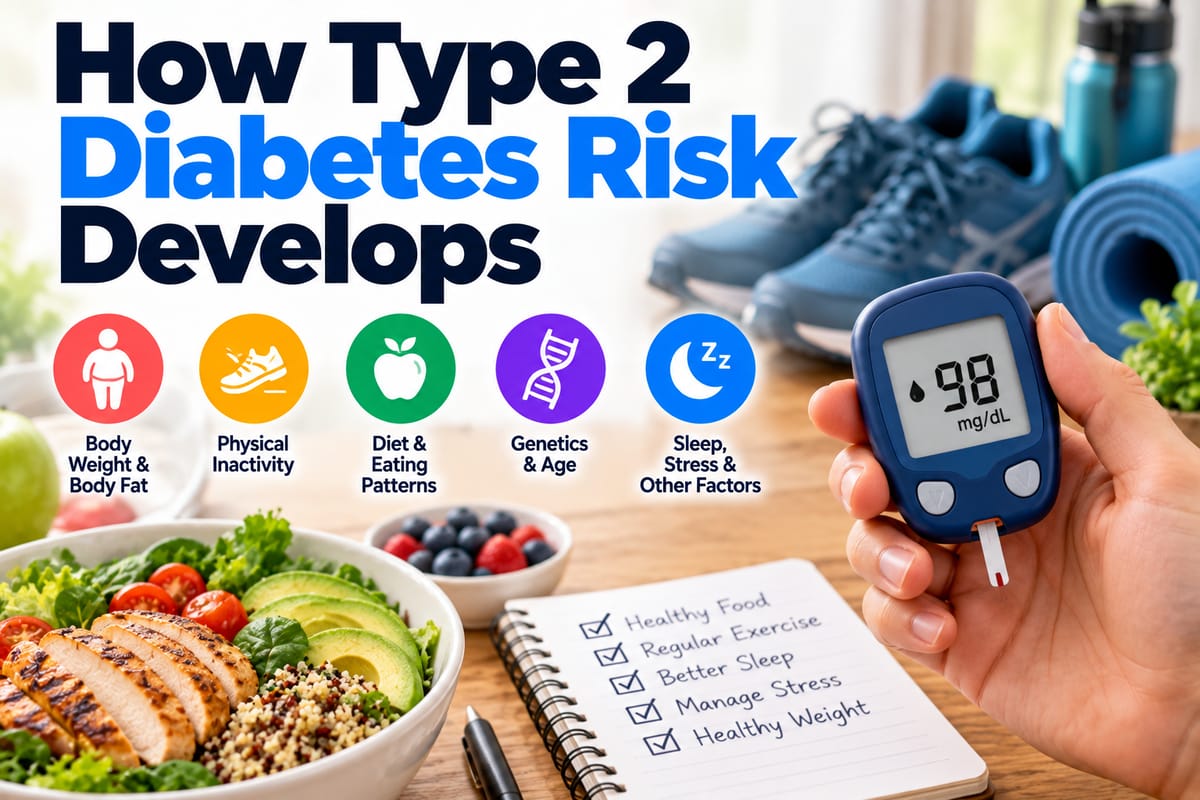
How Type 2 Diabetes Risk Develops
Understanding how type 2 diabetes risk develops can make the condition easier to prevent or manage. Risk factors do not guarantee that someone will develop diabetes, and some people develop the condition without having an obvious single cause. Instead, risk tends to emerge from the interaction of several factors over time.
Read article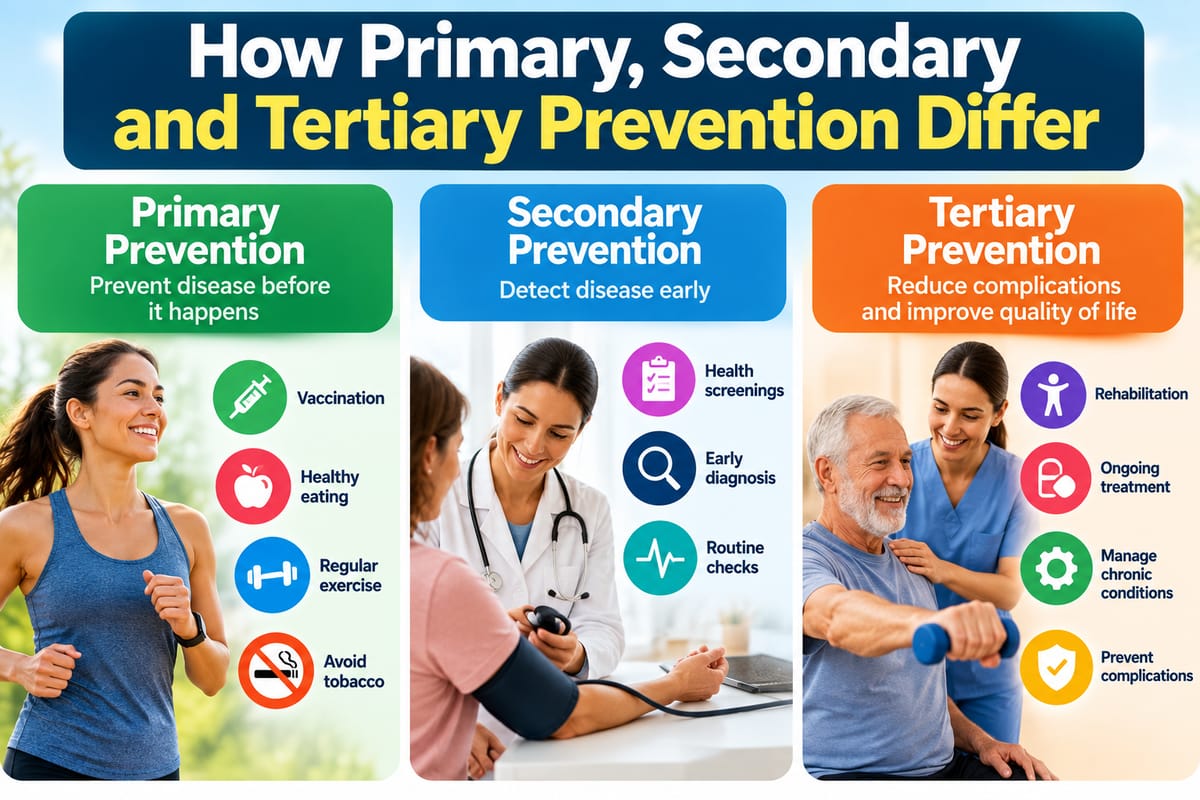
How Primary, Secondary, and Tertiary Prevention Differ
Understanding these differences can make it easier to understand why vaccination, health screenings, early diagnosis, rehabilitation, and long-term disease management are all considered parts of preventive healthcare.
Read article

Join 10,000+ Readers Building Healthier Habits
Get actionable wellness tips every week plus our newest articles delivered straight to your inbox.