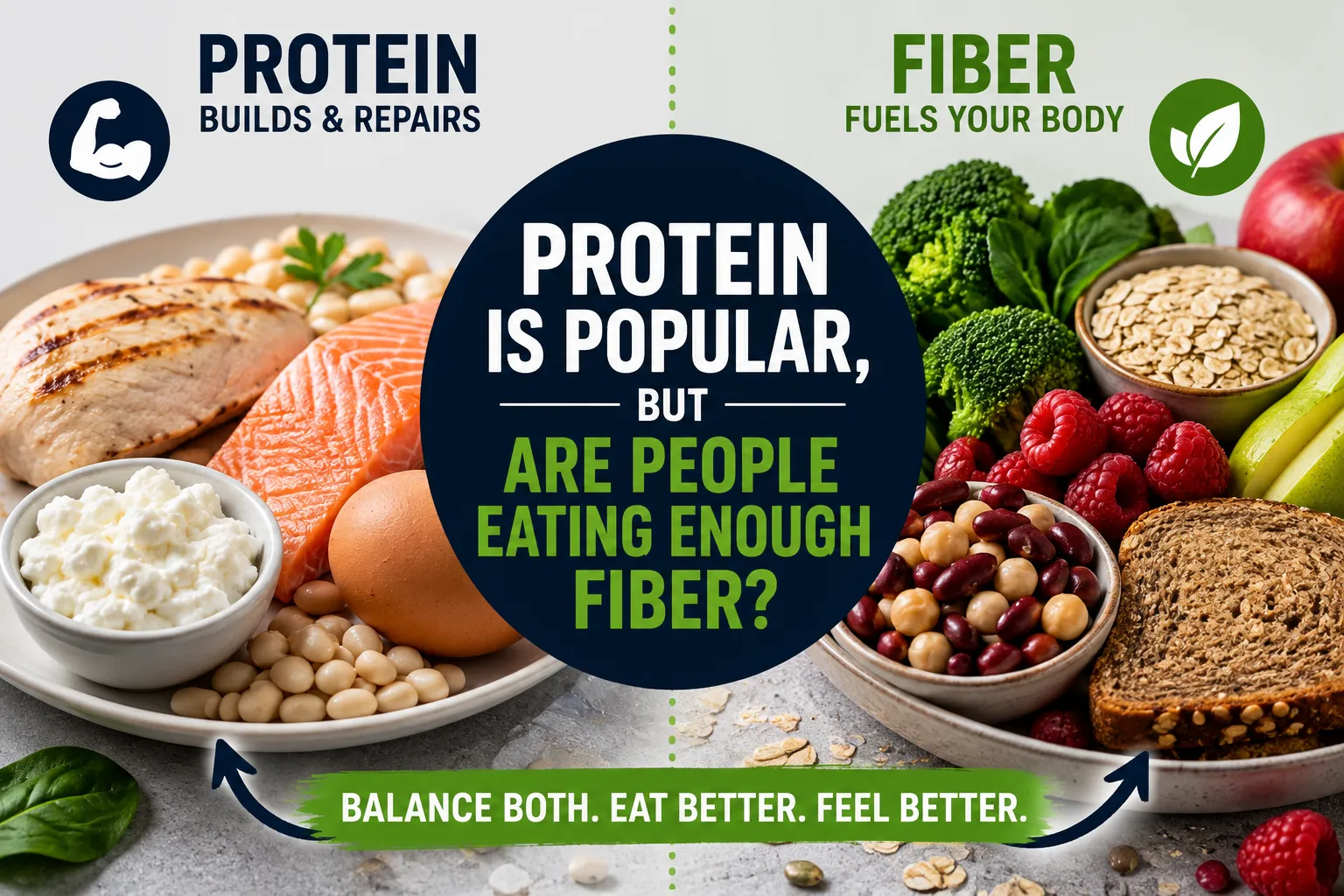

Protein Is Popular, But Are People Eating Enough Fiber?
Protein has become one of the biggest stars of modern nutrition.
Walk through a supermarket and it is easy to see the trend: high-protein yogurt, protein bars, fortified cereals, shakes, snacks and even desserts now occupy prominent shelf space. Fitness influencers regularly promote protein-rich diets, while food companies increasingly highlight grams of protein on packaging.
Protein deserves its reputation. It is essential for maintaining muscles, supporting tissues and producing enzymes, hormones and other important compounds in the body.
But there is another nutrient that receives considerably less attention despite being equally important to a healthy eating pattern: fiber.
As consumers focus increasingly on how much protein they eat, nutrition experts continue to emphasize the importance of getting enough fiber from whole foods. The two nutrients perform very different jobs, and increasing one does not automatically compensate for getting too little of the other.
For a broader look at how these nutrients fit into an overall dietary pattern, see this complete guide to healthy eating and balanced nutrition.
Why Protein Has Become Such a Big Nutrition Trend
Protein has long been associated with muscle building and athletic performance, but its appeal has expanded beyond the gym.
Protein helps the body build and repair tissues. It is also involved in immune function, enzymes, hormones and numerous other biological processes.
Protein-rich foods can also be filling, which makes them attractive to people trying to manage their overall food intake.
For these reasons, protein has become a central feature of many popular eating patterns.
The problem is not that people are eating protein.
The problem is that a focus on protein can sometimes push other important foods out of the diet.
Someone who builds meals primarily around meat, eggs, cheese and highly processed protein products may consume plenty of protein while eating relatively little fruit, vegetables, legumes and whole grains—the foods that provide much of the fiber in a typical diet.
This growing emphasis on protein is also reflected in the continued popularity of high-protein foods.
What Fiber Actually Does
Fiber is a type of carbohydrate that the body does not fully digest.
Instead of being broken down and absorbed in the same way as many other carbohydrates, different types of fiber travel through the digestive system and interact with the gut in various ways.
Fiber can help support:
- Normal bowel movements
- Digestive health
- Feelings of fullness
- Healthy blood glucose regulation
- Healthy cholesterol levels
- A diverse gut microbiome
The term “fiber” actually covers several different types of compounds, each with somewhat different properties.
This is one reason why eating a variety of fiber-rich foods is generally more useful than focusing on a single source.
Soluble and Insoluble Fiber
Fiber is often described as either soluble or insoluble.
Soluble fiber dissolves or disperses in water and can form a gel-like substance in the digestive tract. Foods containing soluble fiber include oats, beans, lentils, apples and some other fruits and vegetables.
Insoluble fiber does not dissolve in water and contributes bulk to stool. Whole grains, nuts, seeds and many vegetables provide insoluble fiber.
In reality, foods contain mixtures of different fibers, so the distinction is not always as straightforward as it sounds.
What matters most for everyday eating is consuming a wide range of plant foods rather than trying to build a diet around one particular type of fiber.
Why Fiber Is Important for Digestive Health
One of fiber’s most familiar roles is supporting regular bowel movements.
Fiber can increase stool bulk and help food move through the digestive tract. Adequate fluid intake is also important, particularly when someone increases fiber consumption.
A sudden jump from a low-fiber diet to a very high-fiber diet can cause temporary bloating, gas or abdominal discomfort.
For that reason, people who want to increase fiber may find it easier to do so gradually while drinking enough fluids.
The goal is not simply to add a large amount of fiber overnight. It is to make fiber-rich foods a consistent part of everyday meals.
Fiber Also Feeds the Gut Microbiome
The digestive system contains trillions of microorganisms collectively known as the gut microbiome.
Some types of dietary fiber are fermented by bacteria in the colon. During this process, microorganisms can produce compounds known as short-chain fatty acids.
These substances are involved in communication between the gut and other parts of the body and are an important area of nutrition research.
Different fibers support different microorganisms, which is another reason dietary variety matters.
Eating beans every day, for example, provides a different combination of plant compounds and fibers than eating only one type of fruit or grain.
A diverse diet can therefore help support a diverse microbial environment.
How Much Fiber Do People Need?
Fiber needs vary depending on age, sex and overall dietary requirements.
For many adults, commonly cited targets are in the range of roughly 25 to 38 grams per day, although individual recommendations can differ.
The challenge is that many people do not consistently reach those amounts.
It is possible to consume enough calories and even plenty of protein while falling short on fiber.
This can happen when meals contain large amounts of refined grains, meat, dairy products and highly processed foods but relatively few legumes, vegetables, fruits, nuts, seeds and whole grains.
Protein Foods and Fiber Foods Often Overlap Less Than People Think
This is one of the most important differences between the two nutrients.
Many excellent protein sources contain little or no fiber.
Examples include:
- Eggs
- Fish
- Chicken
- Meat
- Milk
- Cheese
- Greek yogurt
These foods can absolutely have a place in a balanced diet.
But they generally need to be combined with plant foods if someone wants to increase dietary fiber.
On the other hand, several plant foods provide both protein and fiber.
These include:
- Lentils
- Beans
- Chickpeas
- Peas
- Soybeans
- Nuts
- Seeds
- Some whole grains
This makes legumes particularly useful for people looking for foods that contribute to both nutritional goals.
Beans Are an Underrated Nutrition Powerhouse
Beans and lentils may not receive the same attention as protein powders or high-protein snacks, but they offer a combination of nutrients that is difficult to overlook.
They can provide plant protein, fiber, complex carbohydrates, vitamins, minerals and other beneficial plant compounds.
Adding beans to a meal can therefore increase both protein and fiber without requiring a specialized product.
They can be incorporated into soups, stews, salads, curries, wraps, grain bowls and many other dishes.
For people trying to improve their overall diet, replacing some highly processed foods with legumes can be a relatively simple change.
Whole Grains Can Help Close the Fiber Gap
Refined grains have had parts of the grain removed during processing, while whole grains retain the grain’s major components.
Examples of whole grains include:
- Oats
- Brown rice
- Barley
- Whole-wheat bread
- Whole-grain pasta
- Bulgur
- Quinoa
- Popcorn
Choosing whole-grain versions more often can increase fiber intake while still providing carbohydrates needed for energy.
The nutritional differences between individual grain products can vary, so checking the ingredient list and nutrition label can be useful.
Fruits and Vegetables Remain Important
Protein-focused diets can sometimes lead people to think primarily about meat, dairy and supplements while treating fruits and vegetables as optional extras.
That is a mistake.
Fruits and vegetables provide fiber along with vitamins, minerals, water and numerous plant compounds.
Different foods contain different combinations of nutrients, so variety is valuable.
Instead of searching for a single “superfood,” a more practical approach is to regularly include several types of vegetables and fruits across meals and snacks.
Nuts and Seeds Add More Than Healthy Fats
Nuts and seeds are another useful source of fiber.
Almonds, peanuts, chia seeds, flaxseeds, pumpkin seeds and other varieties can contribute fiber along with protein, unsaturated fats and various micronutrients.
They are also calorie-dense, which means portion sizes can matter for people who are monitoring their overall energy intake.
Adding a small amount to oatmeal, yogurt or a salad can increase the nutritional variety of a meal.
High-Protein Processed Foods Are Not Automatically Bad
The popularity of protein-rich packaged foods does not mean they should all be avoided.
Protein bars, shakes, fortified cereals and other products can be convenient, particularly for people with busy schedules or higher protein requirements.
The important question is what the product contains beyond protein.
Some products also provide meaningful amounts of fiber, while others may contain relatively little.
Looking at the nutrition label can reveal the difference.
A product advertised as “high protein” is not necessarily a high-fiber food.
Fiber Is Not Just About Digestion
It is easy to associate fiber exclusively with avoiding constipation, but its role in nutrition is much broader.
Dietary fiber can influence how quickly carbohydrates are digested and absorbed. Certain fibers can also help support healthy cholesterol levels.
High-fiber foods may also contribute to feelings of fullness, which can make balanced eating easier for some people.
Research continues to explore the relationship between dietary fiber, the gut microbiome and long-term health.
The evidence overall is one reason dietary patterns rich in whole plant foods are consistently emphasized in nutrition guidance.
Why Whole Foods Usually Beat Nutrient Marketing
The modern food industry has become increasingly skilled at isolating individual nutrients and turning them into marketing messages.
Protein is an excellent example.
A product can be advertised primarily around its protein content even if the rest of the nutritional profile is less impressive.
The same principle applies to fiber.
A cereal containing added fiber may provide more fiber than a conventional version, but that does not necessarily make it nutritionally equivalent to a diet containing a variety of whole grains, legumes, fruits, vegetables, nuts and seeds.
Looking at the overall food rather than one highlighted nutrient provides a more useful picture.
Building a Meal That Includes Both
There is no need to choose between protein and fiber.
A balanced meal can contain both.
For example:
Breakfast:
Greek yogurt with oats, berries, chia seeds and nuts.
Lunch:
A chicken or tofu salad with mixed vegetables, chickpeas and a whole-grain base.
Dinner:
Fish, beans or lean meat served with vegetables and brown rice or another whole grain.
Snack:
Fruit with nuts, or vegetables with hummus.
The exact foods can vary considerably. The principle is what matters: pair protein-rich foods with fiber-rich plant foods.
Small Changes Can Make a Difference
People do not necessarily need to redesign their entire diet to increase fiber.
Small substitutions can add up.
A person might:
- Choose oatmeal instead of a refined breakfast cereal.
- Add beans to a soup or stew.
- Eat fruit instead of a highly processed snack.
- Choose whole-grain bread more often.
- Add vegetables to sandwiches or omelets.
- Sprinkle seeds over yogurt or cereal.
- Replace some refined grains with whole grains.
- Keep nuts available for convenient snacks.
These changes can increase fiber without requiring complicated meal plans.
For people working within a tighter food budget, many of these choices can also be practical because beans, lentils, oats and other staple plant foods can provide substantial nutrition at relatively low cost. The broader principles are explored in this guide to healthy eating on a limited budget.
Increasing Fiber Requires Some Common Sense
People who currently eat very little fiber should generally avoid suddenly consuming very large quantities.
A rapid increase can cause bloating, gas and discomfort.
Increasing fiber gradually gives the digestive system more time to adjust.
Drinking adequate fluids is also important.
People with certain digestive conditions or specific dietary restrictions may need individualized advice from a qualified healthcare professional before making substantial dietary changes.
The Protein-Fiber Balance Matters More Than the Trend
Protein has earned its place in the nutrition conversation.
It is an essential nutrient, and many people benefit from paying attention to whether their diet contains adequate protein.
But nutrition is not a competition between nutrients.
A diet can contain plenty of protein while still lacking the plant foods that provide fiber and a wide range of other nutrients.
The growing popularity of high-protein foods is therefore a useful reminder of a broader lesson: individual nutrients should not replace attention to overall dietary quality.
A Better Way to Think About the Modern Diet
The next time a food label prominently advertises its protein content, it may be worth looking a little further down the nutrition panel.
How much fiber does it contain? What other nutrients does the food provide? Is it replacing a whole food or complementing one? Does it fit into a varied diet?
Protein can help build and maintain the body’s tissues, while fiber supports important processes throughout the digestive system and is closely associated with diets rich in plant foods.
Rather than choosing one nutrient over the other, a more sustainable approach is to build meals around a combination of protein-rich foods and a wide variety of fiber-rich plants.
In an era when nutrition marketing increasingly puts individual nutrients in the spotlight, that broader perspective may be one of the healthiest habits consumers can develop.
Continue Reading
Similar Posts

Broccoli Sprouts Linked to Multistate Salmonella Outbreak: What Consumers Need to Know
For consumers, the most important step is to determine whether recalled broccoli sprouts are in the refrigerator, freezer, or kitchen and to avoid eating, serving, or selling them.
Read article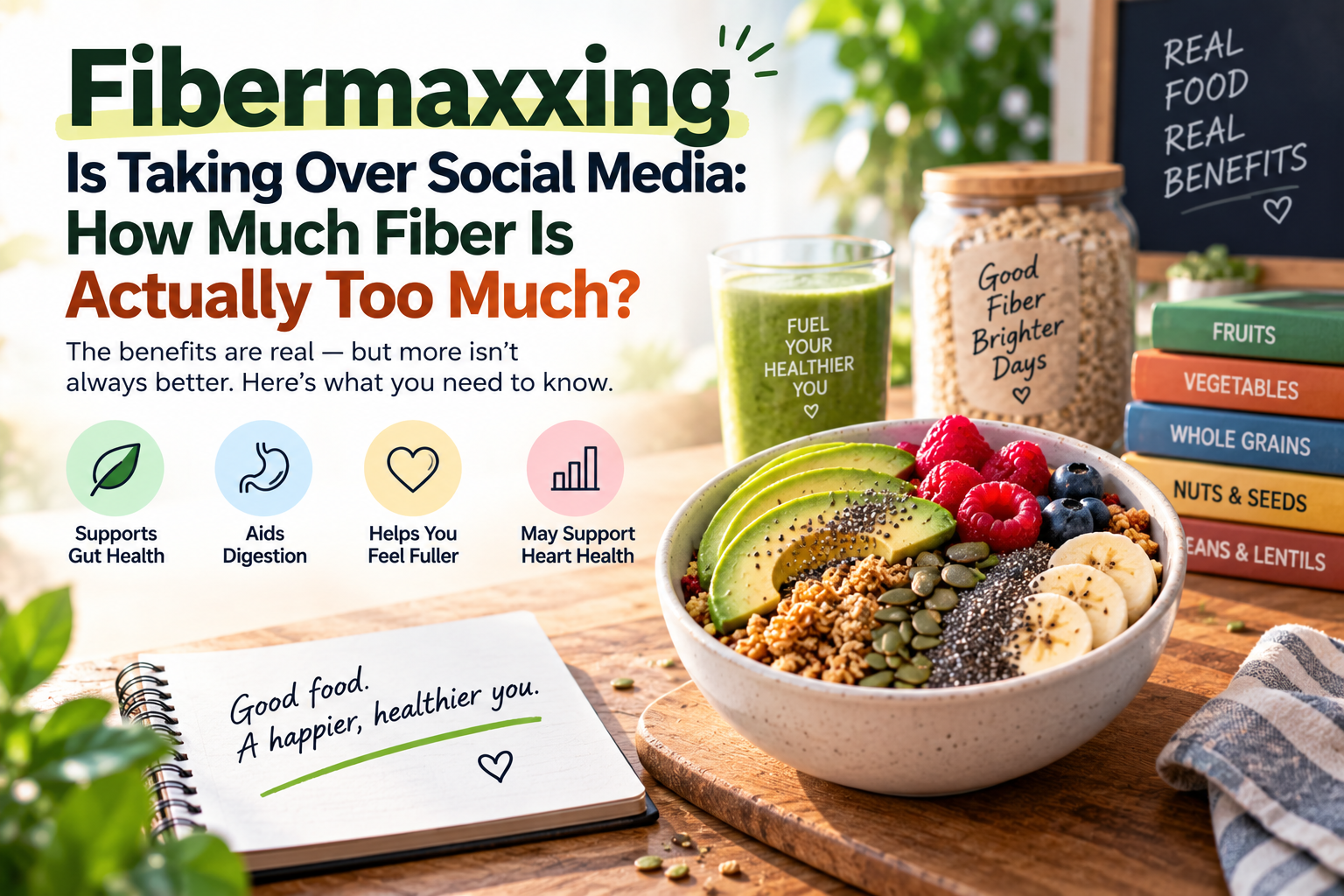
Fibermaxxing Is Taking Over Social Media: How Much Fiber Is Actually Too Much
More is not automatically better. Increasing fiber too rapidly or consuming very large amounts can cause bloating, gas, abdominal discomfort, constipation, or changes in bowel habits.
Read article
Salmonella Outbreak Linked to Broccoli Sprouts: What Consumers Need to Know
For consumers, the most important issue right now is knowing what products are affected, what symptoms to watch for, and how to reduce the risk of foodborne illness.
Read article

Join 10,000+ Readers Building Healthier Habits
Get actionable wellness tips every week plus our newest articles delivered straight to your inbox.