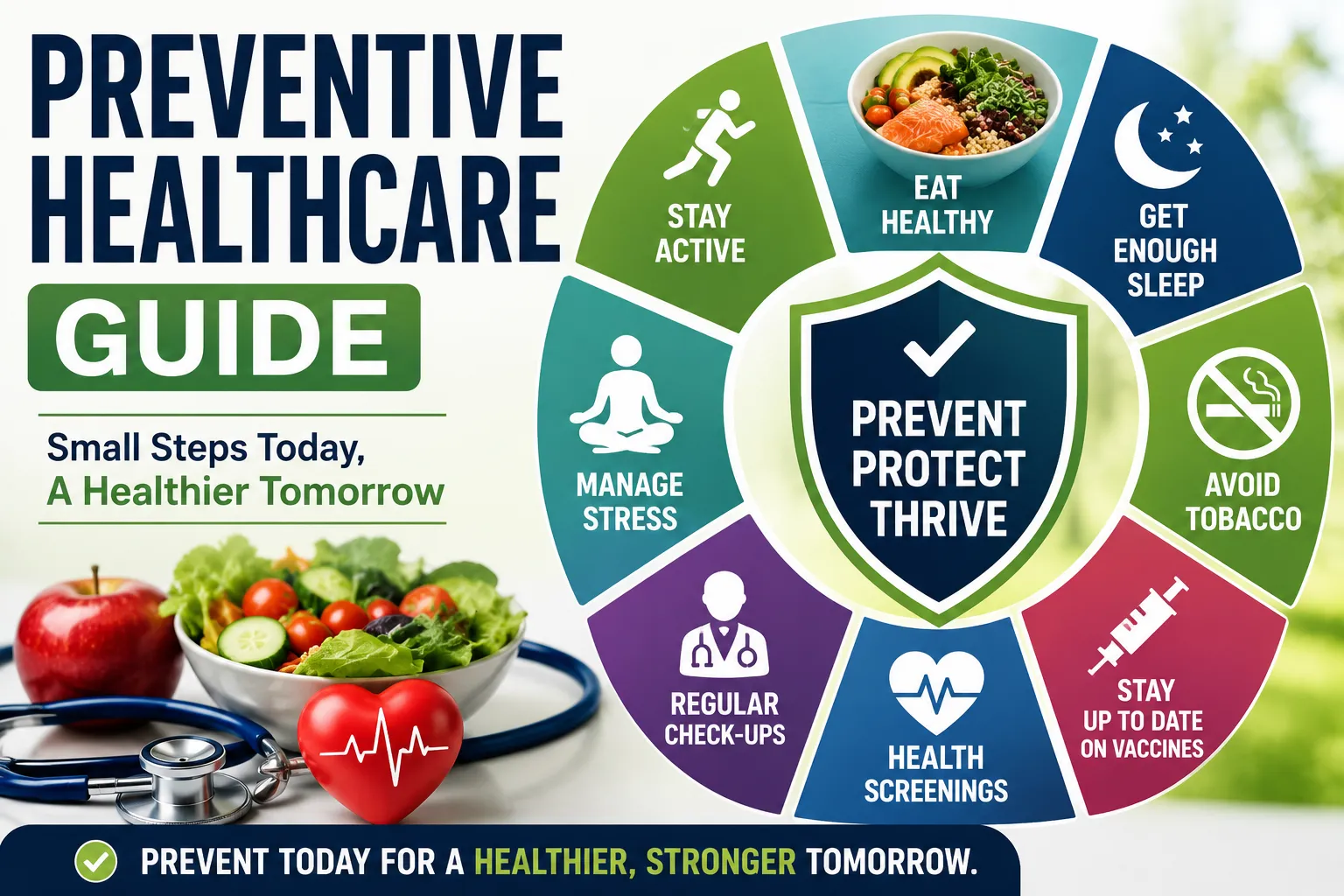

Preventive Healthcare Guide
Preventive healthcare is one of the most effective ways to maintain long-term health, detect potential health issues early, and reduce the risk of chronic diseases. Rather than focusing solely on treating illnesses after they develop, preventive healthcare emphasizes healthy lifestyle choices, regular medical checkups, recommended screenings, and vaccinations to help people stay healthy throughout their lives.
As healthcare systems increasingly prioritize prevention over treatment, individuals are becoming more aware of the importance of taking proactive steps to protect their physical and mental well-being. From eating nutritious foods and exercising regularly to managing stress and scheduling routine health screenings, preventive care plays a vital role in improving both quality of life and longevity.
This guide explains what preventive healthcare is, why it matters, its key components, and practical ways to build healthy habits that support lifelong wellness. These practices are part of the broader approach described in what healthy living is and what it includes.
What Is Preventive Healthcare?
Preventive healthcare refers to medical care and healthy lifestyle practices designed to prevent illness, detect health problems early, and reduce the risk of serious disease.
Rather than waiting until symptoms appear, preventive care focuses on maintaining health through routine monitoring and healthy behaviors.
Preventive healthcare may include:
-
Regular health checkups
-
Vaccinations
-
Health screenings
-
Healthy nutrition
-
Physical activity
-
Mental health support
-
Smoking cessation
-
Preventive counseling
The goal is to identify potential risks before they become more difficult to manage.
Why Preventive Healthcare Matters
Many chronic diseases develop gradually over time.
Preventive care can help:
-
Detect diseases early
-
Improve treatment outcomes
-
Reduce healthcare costs
-
Increase life expectancy
-
Improve quality of life
-
Support healthy aging
-
Reduce disability
-
Promote overall wellness
Early detection often provides more treatment options and better long-term outcomes.
Understanding the major risk factors for disease can also help explain why prevention focuses on identifying and reducing health risks before they contribute to illness.
Healthy Lifestyle Habits
Daily habits have a major influence on long-term health.
Healthy routines include:
-
Eating balanced meals
-
Exercising regularly
-
Staying hydrated
-
Getting enough sleep
-
Managing stress
-
Avoiding tobacco products
-
Limiting alcohol consumption
-
Maintaining social connections
Small, consistent lifestyle improvements can significantly reduce the risk of many chronic conditions.
Regular Medical Checkups
Routine visits with healthcare professionals allow for ongoing monitoring of overall health.
Checkups may include:
-
Blood pressure measurement
-
Weight and body mass index (BMI)
-
Heart rate assessment
-
Medical history review
-
Lifestyle discussions
-
Medication review
-
Preventive counseling
Regular appointments also provide opportunities to discuss new symptoms or health concerns.
Health Screenings
Screening tests help identify health conditions before symptoms develop.
Depending on age, medical history, and individual risk factors, screenings may include:
-
Blood pressure screening
-
Cholesterol testing
-
Blood glucose testing
-
Vision examinations
-
Hearing evaluations
-
Cancer screenings
-
Bone density testing
-
Mental health assessments
Screening recommendations vary from person to person and should be discussed with a healthcare provider.
For a more detailed look at screening considerations, see essential health screenings for men and women.
Vaccinations
Vaccines help protect individuals and communities from preventable infectious diseases.
Routine immunizations may be recommended throughout life for:
-
Children
-
Teenagers
-
Adults
-
Older adults
-
Travelers
-
Individuals with certain medical conditions
Healthcare providers can recommend vaccination schedules based on age, health status, occupation, and travel plans.
Nutrition and Disease Prevention
A nutritious diet supports nearly every aspect of health.
A balanced eating pattern generally includes:
-
Fruits
-
Vegetables
-
Whole grains
-
Lean proteins
-
Healthy fats
-
Low-fat dairy or suitable alternatives
-
Plenty of water
Limiting foods high in added sugars, saturated fats, and sodium may help support heart health and overall wellness.
Physical Activity
Regular exercise contributes to both physical and mental health.
Benefits may include:
-
Improved cardiovascular health
-
Stronger muscles
-
Better bone health
-
Healthy weight management
-
Increased flexibility
-
Better balance
-
Reduced stress
-
Improved sleep
Most people benefit from combining aerobic activity with strength training and flexibility exercises.
Mental Health Is Part of Preventive Care
Mental wellness is an essential component of overall health.
Healthy habits include:
-
Managing stress
-
Practicing mindfulness
-
Maintaining supportive relationships
-
Taking regular breaks
-
Seeking professional support when needed
Addressing mental health concerns early can improve both emotional and physical well-being.
Sleep and Recovery
Quality sleep plays a crucial role in preventive healthcare.
Adequate sleep supports:
-
Immune function
-
Brain health
-
Heart health
-
Hormone regulation
-
Memory
-
Emotional well-being
Healthy sleep habits include maintaining a consistent bedtime, limiting screen time before bed, and creating a comfortable sleep environment.
Supporting healthy sleep and other daily habits also becomes increasingly important throughout life, as explained in how healthy habits support healthy aging.
Preventing Chronic Diseases
Many chronic illnesses are influenced by lifestyle factors.
Preventive strategies may reduce the risk of:
-
Heart disease
-
Type 2 diabetes
-
High blood pressure
-
Obesity
-
Certain cancers
-
Osteoporosis
-
Stroke
While not all diseases can be prevented, healthy habits can significantly lower risk for many conditions.
Recognizing symptoms and understanding the conditions that may affect people is another part of informed prevention. A complete guide to common health conditions provides broader context on common illnesses and health problems.
Avoiding Harmful Habits
Reducing exposure to health risks is another important aspect of prevention.
Examples include:
-
Avoiding tobacco products
-
Limiting excessive alcohol consumption
-
Using medications responsibly
-
Practicing safe driving habits
-
Protecting skin from excessive sun exposure
Making safer choices supports long-term health and reduces preventable injuries.
Alcohol deserves particular consideration because its effects can extend beyond immediate effects on behavior and safety. Understanding how alcohol affects long-term health can provide additional context when considering personal health risks.
Building Healthy Relationships
Strong social connections can positively influence overall health.
Healthy relationships may help:
-
Reduce stress
-
Improve emotional resilience
-
Encourage healthy behaviors
-
Increase life satisfaction
-
Support recovery during illness
Maintaining meaningful relationships is an often-overlooked aspect of preventive wellness.
Preventive Healthcare Across the Lifespan
Health needs change throughout life.
Children
Preventive care focuses on growth, development, nutrition, vaccinations, and routine pediatric checkups.
Adults
Adults benefit from healthy lifestyle habits, preventive screenings, and management of risk factors.
Older Adults
Preventive care often emphasizes mobility, fall prevention, chronic disease management, vision and hearing health, and maintaining independence.
Healthcare recommendations should always be personalized to the individual’s age, medical history, and risk profile.
Family history can also contribute to individual risk assessment, making it useful to understand how genetics can influence individual health risks when discussing preventive care with a healthcare professional.
Technology and Preventive Health
Digital technology is making preventive healthcare more accessible.
Examples include:
-
Fitness trackers
-
Smartwatches
-
Telehealth appointments
-
Health monitoring apps
-
Digital medical records
-
Medication reminders
-
Wearable health sensors
These tools can help individuals monitor health trends and stay engaged with preventive care.
Common Misconceptions
Myth: Preventive Care Is Only for Older Adults
People of all ages benefit from healthy habits and routine preventive care.
Myth: Feeling Healthy Means You Don’t Need Checkups
Some health conditions develop without noticeable symptoms, making routine checkups valuable.
Myth: Exercise Alone Is Enough
Good health depends on multiple factors, including nutrition, sleep, stress management, and preventive medical care.
Myth: Preventive Care Is Expensive
Many preventive measures, such as healthy lifestyle choices and routine screenings, can reduce healthcare costs over time by helping detect or prevent serious illness.
Tips for Building a Preventive Healthcare Routine
Simple habits can have a lasting impact on health:
-
Schedule routine medical checkups.
-
Stay physically active.
-
Eat a balanced diet.
-
Maintain a healthy weight.
-
Get enough sleep.
-
Stay up to date with recommended vaccinations.
-
Manage stress effectively.
-
Avoid tobacco products.
-
Limit alcohol consumption.
-
Seek medical advice when concerns arise.
Consistency is often more important than making drastic changes.
Making Prevention Part of Everyday Health
Preventive healthcare is a lifelong investment in better health, greater independence, and improved quality of life. By focusing on healthy habits, routine medical care, recommended screenings, and early detection, individuals can reduce their risk of many chronic diseases while supporting physical and mental well-being.
Although no preventive strategy can eliminate every health risk, taking proactive steps today can make a meaningful difference in long-term wellness. Working closely with qualified healthcare professionals and maintaining healthy daily routines provides one of the strongest foundations for living a healthier, more active life.
Continue Reading
Similar Posts

How Your Environment Affects Everyday Health
Understanding these connections can help people make practical changes that support healthier daily living.
Read article
How Aerobic Exercise Supports Cardiovascular Health
Understanding how aerobic exercise affects cardiovascular health can make it easier to choose activities that are enjoyable, sustainable, and appropriate for your fitness level.
Read article
What Is the Gut Microbiome and Why Does It Matter
Understanding how this ecosystem works can make it easier to understand why diet, lifestyle, medications, and other factors can influence digestive health.
Read article

Join 10,000+ Readers Building Healthier Habits
Get actionable wellness tips every week plus our newest articles delivered straight to your inbox.