

How Meal Planning Supports Healthy Eating
Healthy eating is often easier when nutritious choices are planned before hunger and busy schedules take over. Meal planning provides a simple way to decide what to eat, organize ingredients, and reduce the number of last-minute food decisions made throughout the week.
Meal planning does not require complicated recipes, strict diets, or preparing every meal days in advance. It can be as simple as deciding on several meals, creating a shopping list, and making sure the kitchen has the ingredients needed to prepare balanced options.
When used flexibly, meal planning can support better nutrition, reduce food waste, make grocery shopping more efficient, and help people adapt healthy eating habits to their schedules and budgets.
What Is Meal Planning?
Meal planning is the process of deciding ahead of time what meals or foods will be eaten during a specific period.
The planning period might cover:
- Several days
- One week
- Two weeks
- A specific workweek
- School days
- Busy travel periods
Some people plan complete breakfasts, lunches, dinners, and snacks. Others simply prepare a list of meal ideas and keep flexible ingredients available.
There is no single correct method.
The most useful meal plan is one that fits the person’s schedule, cooking ability, food preferences, household needs, and budget.
Why Meal Planning Can Support Healthy Eating
Without a plan, food decisions often happen when people are already hungry, tired, busy, or short on time.
That can make convenience especially appealing.
Meal planning moves some of those decisions earlier, when there is more time to consider what foods are available and how meals can be balanced.
Potential benefits include:
- Greater access to nutritious foods
- More consistent meal routines
- Less reliance on last-minute food choices
- Easier grocery shopping
- Better portion planning
- Reduced food waste
- More control over food spending
- More opportunities to prepare meals at home
Meal planning is not a guarantee of a healthy diet, but it can create an environment in which healthier choices are easier to make.
Build Meals Around a Balanced Pattern
A meal plan should focus on overall dietary patterns rather than making every individual meal perfect.
A balanced meal can include several food groups, such as:
- Vegetables or fruits
- Whole grains or other carbohydrate sources
- Protein-rich foods
- Healthy sources of fat
- Water or another suitable beverage
The appropriate combination varies according to individual nutritional needs and dietary preferences.
For a broader overview of healthy eating patterns, see the Complete Guide to Healthy Eating and Balanced Nutrition.
Start With Foods You Already Enjoy
Healthy meal planning does not require abandoning familiar foods.
Instead, look for ways to build nutritious meals around foods you already like.
For example, a favorite meal might be adjusted by:
- Adding vegetables
- Including a source of protein
- Choosing a higher-fiber carbohydrate
- Reducing excessive amounts of added sugar or salt
- Adding fruit as a side
- Using healthier cooking methods
A meal plan is more likely to become a lasting habit when the meals are enjoyable.
Think About Nutrient Density
Not all foods provide the same amount or range of nutrients for the amount of energy they contain.
Nutrient-dense foods can contribute vitamins, minerals, fiber, protein, and other useful nutrients.
Examples can include:
- Vegetables
- Fruits
- Beans and lentils
- Whole grains
- Nuts and seeds
- Eggs
- Fish
- Lean meats
- Dairy or fortified alternatives
Understanding What Nutrient Density Means and How to Choose Nutrient-Dense Foods can make meal planning more purposeful.
Rather than simply asking whether a food is “healthy,” consider what nutrients it contributes and how it fits into the overall meal.
Plan Around Your Real Schedule
A meal plan should reflect the week you actually have rather than an imaginary week with unlimited free time.
Look at the upcoming schedule and identify:
- Days when you will have time to cook
- Days when you will be busy
- Days when you will eat away from home
- Days when leftovers can be used
- Days when quick meals will be necessary
For example, preparing a complicated meal on a night when you regularly arrive home late may make the plan difficult to maintain.
Instead, reserve more involved cooking for days when you have sufficient time.
Plan Flexible Meals for Busy Days
Busy days do not need to derail the entire meal plan.
Keep several quick options available.
These might include:
- Eggs with whole-grain toast and vegetables
- Yogurt with fruit and nuts
- Bean and vegetable wraps
- Simple soups
- Grain bowls
- Pre-cut vegetables with a protein source
- Leftovers
- Quick stir-fries
The goal is to make the nutritious option convenient.
Use Leftovers Strategically
Leftovers can make meal planning considerably easier.
A dinner can become the foundation for another meal the following day.
For example:
Roasted vegetables + cooked grains + chicken or beans → lunch bowl
Or:
Cooked vegetables + protein + whole-grain wrap → quick lunch
Planning for leftovers reduces cooking time and can help prevent prepared food from being forgotten in the refrigerator.
Prepare Ingredients Instead of Every Meal
Meal preparation does not always mean cooking seven complete dinners on Sunday.
For some people, preparing individual ingredients is more practical.
You might prepare:
- Cooked grains
- Washed vegetables
- Chopped onions
- Roasted vegetables
- Cooked beans
- Hard-boiled eggs
- Marinated proteins
- Homemade sauces
These ingredients can then be combined differently throughout the week.
This approach provides flexibility without requiring every meal to be predetermined.
Make a Grocery List From the Meal Plan
Once meals are selected, turn the plan into a shopping list.
Organize the list by category if that makes shopping easier:
Produce
- Leafy greens
- Fresh vegetables
- Fruits
- Herbs
Protein Foods
- Eggs
- Beans
- Lentils
- Fish
- Poultry
- Tofu
- Yogurt
Grains and Starches
- Oats
- Brown rice
- Whole-grain bread
- Pasta
- Potatoes
Pantry Items
- Canned foods
- Spices
- Cooking oils
- Nuts and seeds
A structured list can reduce impulse purchases and make it easier to confirm that every planned meal has the necessary ingredients.
Plan Around Ingredients You Already Have
Before shopping, check the refrigerator, freezer, and pantry.
You may already have ingredients that can form the basis of several meals.
Using existing food first can:
- Reduce waste
- Lower grocery costs
- Reduce unnecessary purchases
- Make meal planning easier
For example, a large quantity of vegetables approaching their use-by period could become part of a soup, stir-fry, roasted vegetable dish, or grain bowl.
Meal Planning Can Reduce Food Waste
Without a plan, people may buy food with good intentions and then forget to use it.
Meal planning can help connect purchases to specific meals.
A simple system is:
Plan → Shop → Store → Prepare → Eat → Reuse leftovers
This makes it easier to estimate how much food is actually needed.
However, plans should remain flexible. Unexpected schedule changes happen, so perishable foods should not be purchased in quantities that are unlikely to be used.
Choose Whole and Minimally Processed Foods When Practical
Meal planning provides an opportunity to include a variety of foods in their less processed forms.
Examples can include:
- Fresh or frozen vegetables
- Whole fruits
- Beans
- Lentils
- Whole grains
- Nuts
- Seeds
- Eggs
- Fish
- Plain dairy products
At the same time, processed foods are not automatically unhealthy. Processing includes many ordinary food preparation techniques, and some processed foods can be nutritious and convenient.
The distinctions are explored in Difference Between Whole and Processed Foods.
The focus should be on the overall dietary pattern rather than labeling individual foods as universally good or bad.
Include Convenient Healthy Options
A meal plan that requires extensive preparation every day may become difficult to maintain.
Convenience can be compatible with healthy eating.
Useful options include:
- Frozen vegetables
- Canned beans
- Pre-washed greens
- Plain yogurt
- Canned fish
- Frozen fruit
- Pre-cooked whole grains
- Low-preparation proteins
Convenient foods can reduce preparation time while still contributing useful nutrients.
Meal Planning on a Limited Budget
Healthy eating does not have to depend on expensive specialty products.
Budget-friendly staples can include:
- Beans
- Lentils
- Eggs
- Oats
- Rice
- Potatoes
- Seasonal produce
- Frozen vegetables
- Canned fish
- Whole-grain staples
Planning meals around affordable ingredients can make grocery spending more predictable.
For more practical strategies, see Healthy Eating on a Limited Budget.
Compare Cost Per Meal, Not Just Package Price
A large package may appear expensive compared with a smaller package, but the cost per serving can be lower.
When comparing foods, consider:
- Price per unit
- Number of servings
- Shelf life
- Portion size
- How much of the product will actually be used
Meal planning makes these comparisons easier because you already have an idea of how much food your household needs.
Plan for Different Household Preferences
Families and households do not always have identical tastes.
One person may prefer vegetarian meals, another may want meat, and children may have different preferences from adults.
A flexible meal plan can accommodate these differences.
For example, prepare a common base such as:
- Rice
- Roasted vegetables
- Beans
- Salad
- Sauce
Then allow household members to combine those ingredients according to their preferences.
This can reduce the need to prepare several completely separate meals.
Consider Breakfast and Lunch Separately
Dinner often receives most of the attention in meal planning, but breakfast and lunch can also benefit from advance preparation.
Breakfast options might include:
- Oatmeal
- Eggs
- Fruit and yogurt
- Whole-grain toast
- Smoothies
- Overnight oats
Lunch can be built around:
- Leftovers
- Grain bowls
- Salads with protein
- Wraps
- Soups
- Bean-based meals
Having reliable options for these meals can reduce the temptation to skip meals or rely entirely on convenience foods.
Plan Snacks Intentionally
Snacks do not have to be eliminated from a healthy eating pattern.
Planning them can make it easier to choose options that provide useful nutrients.
Examples include:
- Fruit
- Nuts
- Seeds
- Yogurt
- Vegetables with hummus
- Whole-grain crackers
- Cheese
- Boiled eggs
The appropriate snack depends on individual energy needs, appetite, and overall diet.
Don’t Make the Plan Too Rigid
A meal plan is a guide, not a contract.
If an unexpected event means dinner needs to change, adjust the plan rather than abandoning it.
You can move meals between days, freeze ingredients, use leftovers, or substitute similar foods.
Flexibility makes meal planning more sustainable.
A rigid plan can create unnecessary frustration when normal life inevitably interrupts it.
Use a Simple Weekly Meal Planning Method
A practical weekly system can be completed in several steps.
Step 1: Review the Week
Check work, school, appointments, travel, and social activities.
Step 2: Choose Meals
Select a realistic combination of breakfasts, lunches, dinners, and snacks.
Step 3: Check Existing Food
Look through the refrigerator, freezer, and pantry.
Step 4: Create the Shopping List
Buy only what is needed to complete the plan and replenish useful staples.
Step 5: Prepare Key Ingredients
Wash, chop, cook, or portion ingredients where useful.
Step 6: Store Food Properly
Use appropriate containers and storage methods.
Step 7: Adjust During the Week
Move meals around when circumstances change.
This approach keeps the process simple enough to repeat.
Meal Planning and Portion Awareness
Planning portions ahead of time can help people understand how much food they are preparing and purchasing.
This does not mean every meal needs to be measured precisely.
Instead, consider whether the meal contains an appropriate combination of food groups and whether the amount prepared matches the household’s needs.
For people with specific nutritional requirements, portion planning may need to be individualized with guidance from an appropriate healthcare or nutrition professional.
Meal Planning Can Support Consistency
Healthy eating is generally easier to maintain when nutritious choices are available consistently.
A meal plan creates structure around food without necessarily requiring strict rules.
For example, someone who wants to eat more vegetables can deliberately include vegetables in several planned meals each week.
Someone trying to increase fiber can plan meals around beans, lentils, whole grains, fruits, and vegetables.
The plan turns a general intention into a practical action.
Track What Actually Works
After several weeks of meal planning, look at what happened in practice.
Ask:
- Which meals were easy to prepare?
- Which meals were rarely eaten?
- Which ingredients were wasted?
- Which recipes did everyone enjoy?
- Which meals were too expensive?
- Which days were hardest to plan?
- Which preparation tasks saved the most time?
Use the answers to improve the next plan.
Meal planning becomes more effective when it evolves around actual experience rather than remaining fixed.
Common Meal Planning Mistakes
Even a useful system can become unnecessarily complicated.
Planning Too Many New Recipes
Trying several unfamiliar recipes every week can create excessive preparation work.
Start with familiar meals and introduce new recipes gradually.
Buying Too Many Ingredients
A long shopping list can lead to waste if there is not enough time to use everything.
Choose ingredients that can work across multiple meals.
Ignoring Your Schedule
A complicated meal on an extremely busy evening is unlikely to be sustainable.
Match preparation requirements to available time.
Making the Plan Too Restrictive
Eliminating favorite foods can make the system difficult to maintain.
Healthy eating can include variety and flexibility.
Treating One Missed Meal as Failure
Unexpected events happen.
Adjust the plan and continue rather than abandoning it because one day did not go as expected.
How Meal Planning Can Make Healthy Choices Easier
The biggest benefit of meal planning may be that it changes the environment in which food decisions happen.
When nutritious ingredients are already available, meals are already considered, and preparation is manageable, healthy choices require less last-minute effort.
That does not mean every meal needs to be perfectly balanced or every food choice needs to be optimized.
Instead, meal planning can provide a practical structure that makes a generally nutritious eating pattern easier to maintain.
Build a Meal Planning Routine That Fits Real Life
Meal planning works best when it is simple enough to repeat.
Start with a manageable system. Choose several meals you already enjoy, build a grocery list around them, prepare a few ingredients in advance, and leave room for unexpected changes.
Over time, the process can become faster because you develop a collection of reliable meals, learn which ingredients your household uses most, and understand how much food you actually need.
The goal is not to make eating complicated. It is to make nutritious choices more accessible during the busy moments when planning is hardest.
By connecting meal planning with balanced nutrition, nutrient-rich foods, realistic budgeting, and flexible preparation, healthy eating can become less dependent on willpower and more naturally integrated into everyday life.
Continue Reading
Similar Posts

How Dehydration Affects the Body
Understanding how dehydration affects the body can make it easier to recognize early signs, understand when fluid needs increase, and take practical steps to maintain adequate hydration.
Read article
How Heat and Climate Affect Hydration
Understanding these relationships can make it easier to adapt fluid intake to changing conditions rather than relying on the same hydration habits throughout the year.
Read article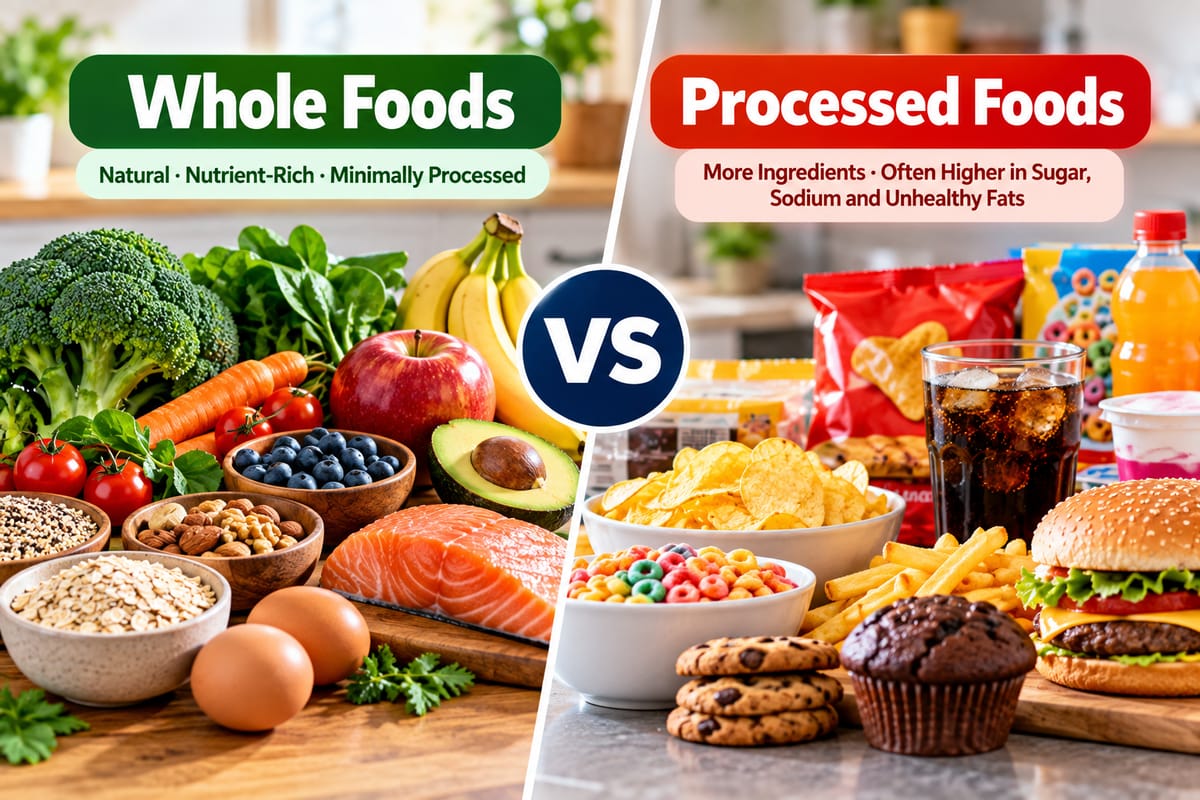
Difference Between Whole and Processed Foods
Understanding that difference can make everyday food choices much easier.
Read article

Join 10,000+ Readers Building Healthier Habits
Get actionable wellness tips every week plus our newest articles delivered straight to your inbox.