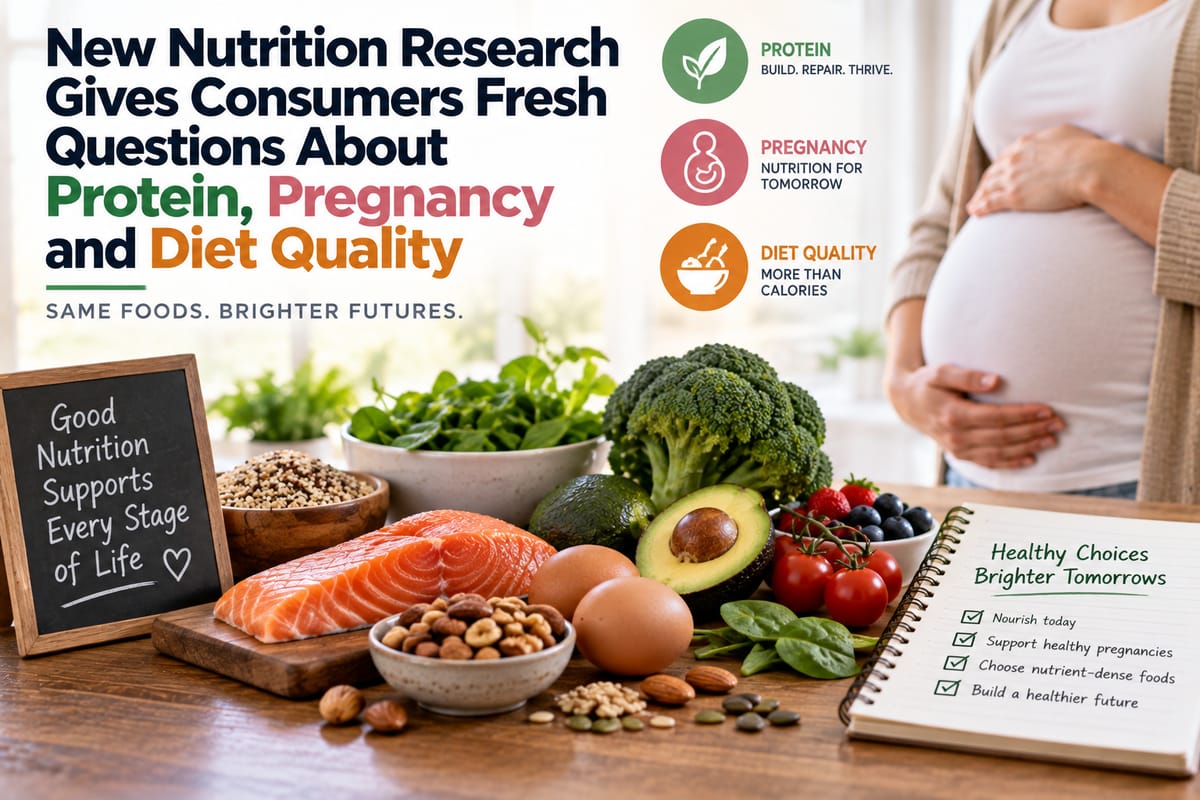

New Nutrition Research Gives Consumers Fresh Questions About Protein, Pregnancy and Diet Quality
Protein has become one of the most prominent nutrients in modern nutrition conversations, appearing everywhere from breakfast foods and snack bars to weight-management plans and pregnancy discussions.
But a growing body of research is raising a more complicated question: Is how much protein people eat as important as where that protein comes from and what the rest of their diet looks like?
Several studies published in 2026 have added new evidence to the debate, particularly around pregnancy, protein sources, diet quality and long-term health. The findings do not suggest that protein is harmful or that consumers should avoid high-protein foods. Instead, they reinforce a broader nutrition principle: individual nutrients rarely tell the whole story.
For consumers, the emerging research puts greater emphasis on the overall quality of the diet, the source of protein and the nutritional needs of different stages of life.
Protein Is Essential, but More Is Not Automatically Better
Protein plays a central role in maintaining muscle, producing enzymes and hormones, supporting immune function and repairing tissues.
That makes adequate protein particularly important during periods when the body has increased nutritional demands.
A useful starting point is understanding why the body needs protein every day, rather than viewing protein simply as a tool for building muscle or controlling weight.
The current research does not challenge the basic importance of protein. Instead, researchers are increasingly examining protein quality, protein sources and the dietary patterns surrounding protein intake.
That distinction matters because two people can consume similar amounts of protein while having very different diets.
One person’s protein intake might come largely from beans, lentils, nuts, fish and minimally processed foods. Another person’s might be dominated by processed meats, high-fat animal products or highly processed foods marketed as protein-rich.
The nutritional consequences of those diets cannot necessarily be reduced to their protein totals.
New Pregnancy Research Raises Questions About Protein Sources
One of the more closely watched areas of research involves pregnancy, when nutrition can affect both maternal health and fetal development.
A September 2026 prospective cohort study examining major dietary protein sources during pregnancy found different associations depending on the source. Higher intake of plant, grain, legume and nut, poultry and fish protein was associated with lower maternal postpartum weight-retention risk compared with lower intake.
The researchers also found that higher intake of some animal protein sources, including red meat and dairy protein, was associated with higher risks of certain outcomes in mothers or offspring. Importantly, the study was observational, meaning the findings show associations rather than proving that a particular protein source directly caused an outcome.
That distinction is important because nutrition studies can be influenced by many factors.
People who eat more legumes, vegetables, whole grains and fish may also have different exercise habits, income levels, healthcare access, smoking patterns or overall dietary habits.
Researchers therefore have to separate the potential influence of a particular food from the broader lifestyle surrounding it.
Another Study Examined Protein Intake and Pregnancy Outcomes
A separate 2026 analysis involving 7,067 participants examined protein intake during the first trimester and several pregnancy outcomes.
Researchers divided participants into groups according to protein consumption. After adjusting for several factors, moderate protein intake was associated with lower odds of small-for-gestational-age birth in one group, while protein intake was not significantly associated with gestational diabetes, hypertensive disorders of pregnancy or large-for-gestational-age birth.
The authors described the findings as exploratory and said they require confirmation in future research.
This is an important reminder that nutrition research rarely produces a simple rule such as “more protein is better” or “less protein is better.”
The appropriate amount can depend on an individual’s nutritional status, body size, health conditions, stage of pregnancy and overall diet.
High-Protein Pregnancy Diets Are Also Being Studied
Researchers are looking at the opposite question as well: what happens when protein intake becomes deliberately high?
A randomized controlled trial published in July 2026 followed children whose mothers had participated in a pregnancy dietary intervention. The intervention emphasized a high-protein, low-glycemic-index diet.
At age nine, children in the high-protein, low-glycemic-index group had higher total cholesterol and LDL cholesterol than children in the comparison group. The study did not find significant differences in glucose homeostasis or adipose tissue mass.
The researchers concluded that the findings warrant further investigation into the long-term effects of high-protein diets during pregnancy.
The study should not be interpreted as evidence that pregnant women should avoid protein or low-glycemic foods. It examined a specific dietary intervention in a specific population, and the number of children available for the nine-year follow-up was smaller than the original group.
Instead, it adds another piece to the larger question of how dietary patterns during pregnancy may influence health years later.
Protein Quality May Matter as Much as Protein Quantity
Another 2026 study from Mexico provides a different perspective.
Researchers assessed protein intake and nitrogen balance among pregnant women and found that more than half of participants had either negative or neutral nitrogen balance. The researchers associated this with insufficient protein intake from a limited range of foods and low overall diet quality.
This finding highlights an important issue in nutrition discussions: protein adequacy and diet quality are not interchangeable concepts.
Someone can consume a reasonable amount of protein while still falling short on iron, folate, calcium, fiber, vitamins, minerals or other nutrients.
Likewise, simply increasing protein does not automatically correct an otherwise unbalanced diet.
Diet Quality Remains the Bigger Picture
The growing emphasis on protein should not overshadow the broader principles of healthy eating.
A balanced dietary pattern generally involves a variety of foods that provide protein, fiber, healthy fats, vitamins and minerals. Fruits, vegetables, whole grains, legumes, nuts, seeds and appropriate protein sources can all contribute to that pattern.
Consumers looking for a broader framework can explore this complete guide to healthy eating and balanced nutrition, particularly when trying to understand how individual nutrients fit into an overall eating pattern.
Recent research also supports the importance of looking beyond individual nutrients.
A 2026 study examining diet quality during pregnancy found that dietary patterns were associated with body composition, cardiometabolic health and pregnancy weight gain, reinforcing the idea that overall dietary quality deserves attention alongside individual nutrients.
Plant Protein Is Receiving More Attention
Plant-based protein sources are another major part of the emerging research.
Beans, lentils, peas, nuts, seeds and soy foods can provide protein while also supplying fiber and other nutrients that may be limited in some animal-based foods.
A 2026 multicenter case-control study from Iran found that higher plant-protein intake was associated with lower odds of gestational diabetes, while higher seafood and egg intake were also associated with lower odds. Total protein and animal protein were not significantly associated with gestational diabetes in that study. Because it was a case-control study, the findings cannot establish causation.
A separate systematic review and meta-analysis examined 25 prospective observational studies involving more than 115,000 pregnant women. It reported associations between higher animal-sourced protein intake and gestational diabetes, while higher dietary fiber intake was associated with lower risk.
The researchers emphasized that more research is needed, particularly because observational evidence cannot establish that dietary protein itself causes gestational diabetes.
Taken together, these findings make the source and context of protein an increasingly important research question.
Why Diet Quality Can Be More Useful Than a Single Nutrient Target
Nutrition advice can become confusing when individual nutrients dominate the conversation.
One year, consumers may hear that they need more protein. Another trend may emphasize cutting carbohydrates, increasing fat or eliminating particular food groups.
The problem is that foods contain combinations of nutrients.
A lentil dish, for example, does not provide only protein. It can also provide fiber, carbohydrates, minerals and other compounds. Fish provides protein alongside other nutrients. Eggs provide protein as well as fats, vitamins and minerals.
This is why understanding nutrient density and how to choose nutrient-dense foods can be more useful than focusing on a single number on a nutrition label.
The goal is not necessarily to maximize one nutrient. It is to build meals that provide a useful combination of nutrients without relying excessively on highly processed foods.
Pregnancy Makes Nutrition Decisions More Individual
Pregnancy is also a situation where generalized nutrition advice has limits.
Nutritional requirements change during pregnancy, and individual circumstances can vary considerably. Pre-pregnancy nutritional status, body weight, medical conditions, food availability, dietary preferences and pregnancy-related complications can all affect nutritional needs.
That is why people preparing for pregnancy may benefit from planning their nutrition before conception. A pregnancy planning guide can provide a broader framework for thinking about nutrition and other preparations rather than treating pregnancy nutrition as something that begins only after a positive test.
For pregnant people with specific medical or nutritional concerns, individualized guidance from a qualified healthcare professional remains more appropriate than attempting to apply findings from a single research paper.
Consumers Should Look Beyond “High Protein” Labels
The popularity of high-protein products has created a new challenge for consumers.
A product advertised as high in protein may still contain substantial amounts of added sugar, sodium, saturated fat or highly refined ingredients.
That does not automatically make the product unhealthy. Protein-rich convenience foods can have a useful place in a diet, particularly for people with limited time or specific nutritional needs.
But the protein number should not become the only factor determining whether a food is a good choice.
Consumers can also consider:
- Protein source: Is the protein coming from legumes, nuts, fish, eggs, dairy, poultry or processed meat?
- Fiber content: Does the food provide meaningful dietary fiber?
- Micronutrients: Does it contribute vitamins and minerals?
- Processing: Is it a minimally processed food or a highly formulated product?
- Added sugar and sodium: Are these present in large amounts?
- Overall meal quality: What other foods are being eaten alongside it?
These questions provide a more complete picture than simply asking whether a product contains 20 or 30 grams of protein.
The Bigger Nutrition Question Is About Balance
The newest research does not overturn the basic role of protein in a healthy diet. Instead, it is making the nutrition conversation more nuanced.
Studies published in 2026 are examining not only how much protein people consume, but also whether it comes from plants, fish, poultry, dairy or red meat; how it fits into the rest of the diet; and how dietary patterns during pregnancy may affect health later in life.
Some findings point toward potential benefits from particular protein sources, while other research raises questions about very high-protein dietary patterns during pregnancy. Several studies are observational, and researchers continue to emphasize the need for randomized trials and longer-term follow-up.
For consumers, the practical message is less about chasing a perfect protein number and more about building a varied, nutrient-rich diet.
As nutrition research continues to examine the relationship between protein, pregnancy and long-term health, the most useful question may increasingly become not “How much protein am I eating?” but “What foods are providing that protein, and what else am I getting from them?”
Continue Reading
Similar Posts

Bettergoods Pasta Recalled Over Listeria Risk: What Consumers Need to Know
The recall originally covered two specific lots, but consumers should now treat the broader recall as applying to the product regardless of lot number.
Read article
GLP-1 Drugs and Nutritional Deficiencies: What New Research Says About Children
The findings do not prove that GLP-1 drugs directly caused the deficiencies. The study used administrative insurance claims rather than laboratory measurements or detailed clinical records, and the researchers themselves describe nutritional deficiencies as an under-recognized concern rather than establishing a direct causal relationship.
Read article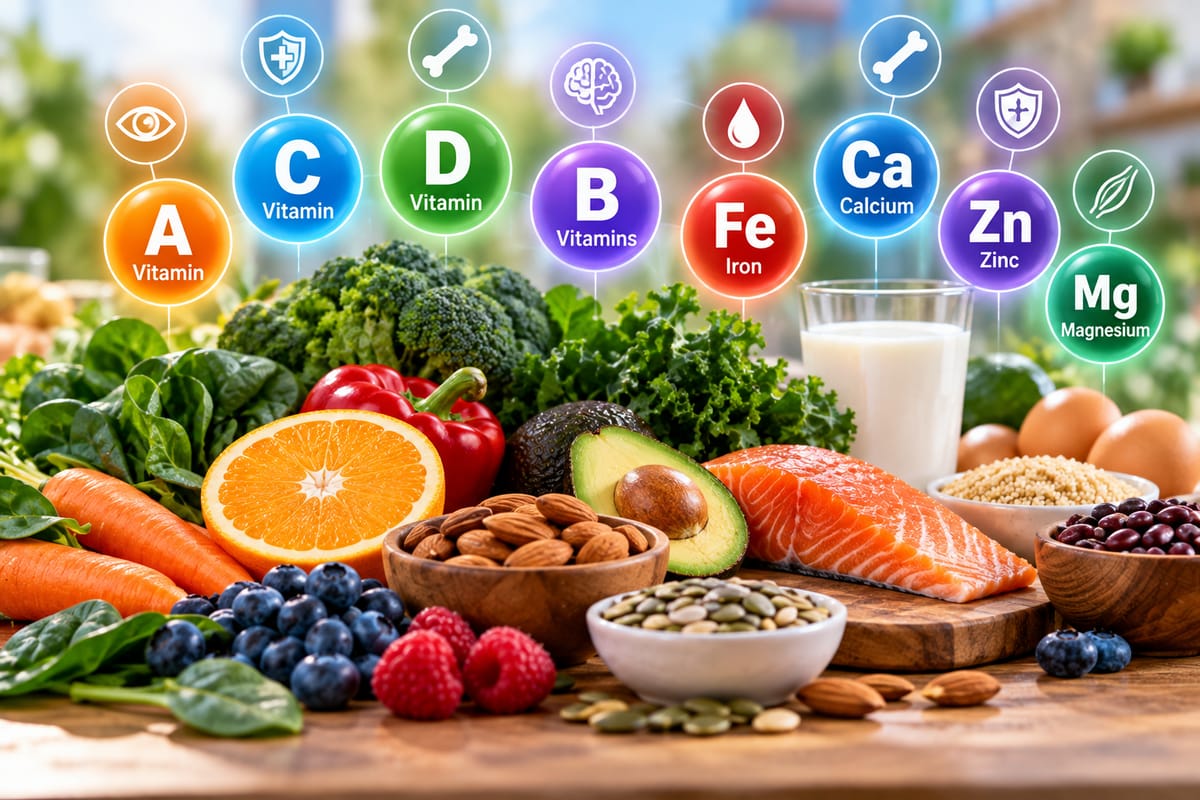
New Micronutrient Research Could Reshape How Experts Fight Vitamin and Mineral Deficiencies
The findings could influence how governments, nutrition organizations and food producers approach one of the world's most persistent nutrition problems.
Read article
Join 10,000+ Readers Building Healthier Habits
Get actionable wellness tips every week plus our newest articles delivered straight to your inbox.