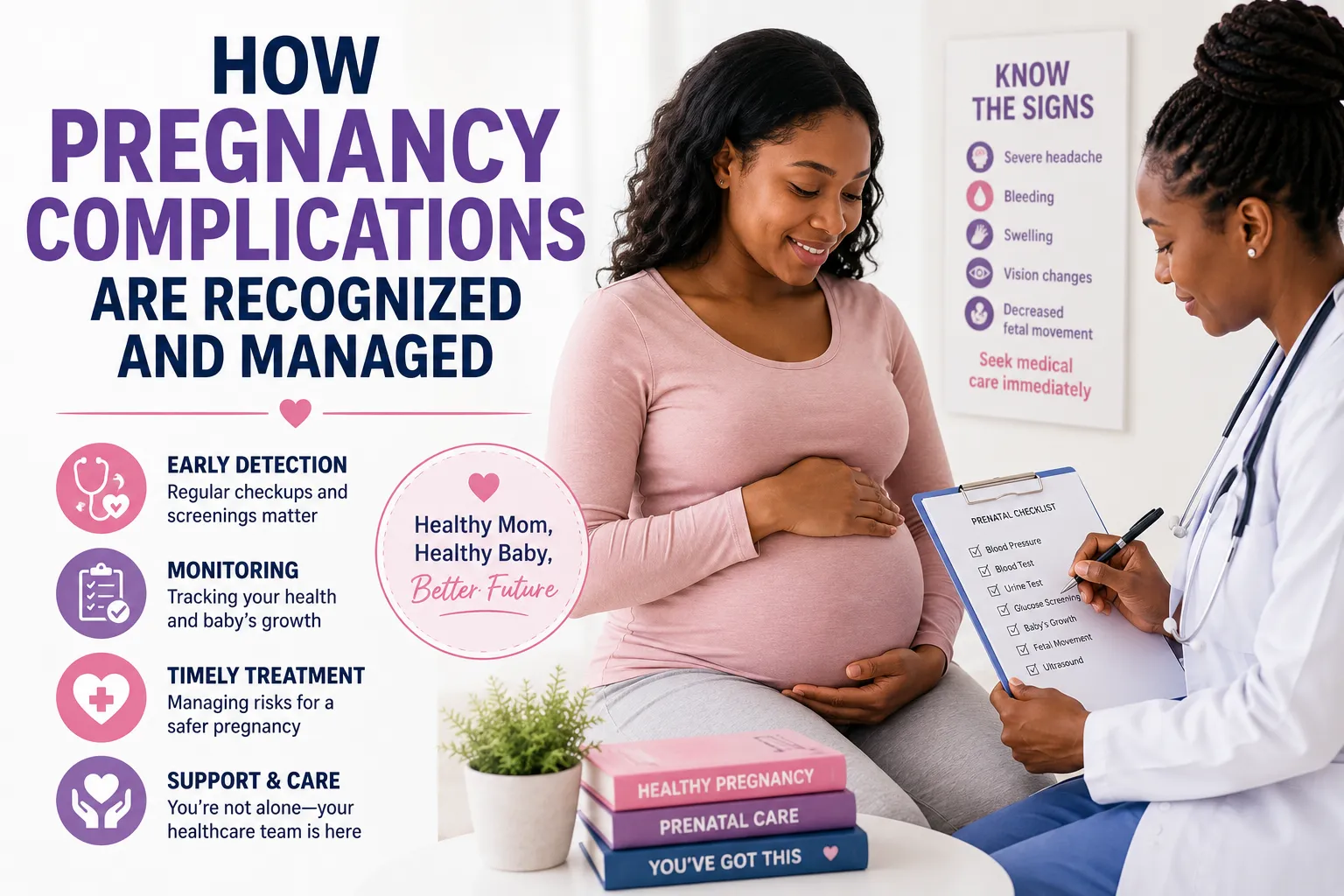

How Pregnancy Complications Are Recognized and Managed
Pregnancy is a major physical transition, and while many pregnancies progress without serious problems, complications can sometimes develop with little warning. Some are relatively common and manageable with routine care, while others can become emergencies that require immediate medical attention.
The key to managing pregnancy complications is often early recognition, regular antenatal care and timely treatment. Routine appointments allow healthcare professionals to identify changes that may not cause noticeable symptoms, while knowing the warning signs can help pregnant women seek care before a problem becomes more serious.
The World Health Organization notes that pregnancy complications can require skilled care and, in some cases, major obstetric intervention. Antenatal care provides an important opportunity for screening, diagnosis, prevention and ongoing monitoring.
For a broader overview of reproductive health and the different stages and concerns that can affect individuals and families, see the Complete Guide to Reproductive Health.
Why Pregnancy Complications Can Be Difficult to Recognize
Not every pregnancy complication produces obvious symptoms.
Some conditions are discovered through:
- Blood-pressure measurements
- Urine tests
- Blood tests
- Blood-glucose testing
- Ultrasound examinations
- Monitoring fetal growth
- Checking fetal movement
- Reviewing a woman’s medical history
This is why feeling well does not necessarily mean every aspect of a pregnancy is progressing normally.
For example, gestational diabetes often does not cause noticeable symptoms and is generally identified through prenatal testing.
Regular Antenatal Care Is the First Line of Detection
Antenatal appointments are designed to monitor both the pregnant woman and developing baby.
Depending on the stage of pregnancy and individual circumstances, healthcare professionals may monitor:
- Blood pressure
- Weight and nutritional status
- Urine
- Blood glucose
- Hemoglobin levels
- Fetal growth
- Fetal movement
- Maternal symptoms
- Existing medical conditions
WHO recommendations include blood-pressure monitoring throughout pregnancy, screening for pre-eclampsia after 20 weeks, blood-glucose testing around 24–28 weeks and monitoring fetal growth later in pregnancy.
These checks can identify problems before they become obvious to the pregnant woman.
High Blood Pressure and Pre-Eclampsia
One of the most important pregnancy complications involving blood pressure is pre-eclampsia.
It typically develops after 20 weeks of pregnancy and involves high blood pressure with evidence of problems such as protein in the urine or other organ involvement.
Pre-eclampsia can affect multiple organs and may threaten the health of both the mother and baby if it becomes severe. WHO estimates that it affects approximately 3–8% of women who give birth worldwide.
Possible warning signs include:
- Persistent or severe headache
- Changes in vision
- Pain in the upper abdomen
- Swelling of the hands or face
- Nausea or vomiting later in pregnancy
- High blood pressure
However, some women may have few or no obvious symptoms, making routine monitoring particularly important.
How Pre-Eclampsia Is Managed
Management depends on factors such as the severity of the condition, gestational age and the health of the mother and baby.
Care may involve:
- More frequent blood-pressure monitoring
- Urine and blood tests
- Monitoring fetal growth and well-being
- Medication to control high blood pressure
- Medication such as magnesium sulfate when seizure prevention is indicated
- Corticosteroids when early delivery is anticipated
- Hospital monitoring in more serious cases
- Delivery when continuing the pregnancy becomes more dangerous
The ultimate objective is to prevent progression to severe disease while balancing the health and maturity of the baby.
Eclampsia Requires Emergency Treatment
Pre-eclampsia can progress to eclampsia, a condition involving seizures.
This is a medical emergency.
Magnesium sulfate is used to reduce the risk of seizures in women with pre-eclampsia when clinically indicated. WHO reports that magnesium sulfate can reduce the risk of eclampsia by more than half.
A pregnant or recently postpartum woman experiencing a seizure requires immediate emergency medical care.
Gestational Diabetes May Have Few Symptoms
Gestational diabetes occurs when elevated blood glucose develops during pregnancy.
Unlike some other conditions, it may not produce obvious symptoms, which is why screening is important.
WHO identifies the usual diagnostic window as around 24–28 weeks of pregnancy in many settings, although the timing and approach can vary according to local guidelines and individual risk factors.
Risk factors can include:
- Previous gestational diabetes
- Previous delivery of a large baby
- Obesity
- Family history of diabetes
- Certain pre-existing health conditions
Having a risk factor does not mean that gestational diabetes will definitely develop.
Managing Gestational Diabetes
Management generally focuses on keeping blood glucose within an appropriate range while supporting healthy pregnancy development.
Depending on the individual situation, care may involve:
- Nutritional counseling
- Physical activity when medically appropriate
- Blood-glucose monitoring
- Medication when lifestyle measures are insufficient
- Additional monitoring of the pregnancy
WHO notes that treatment can involve lifestyle measures followed by glucose-lowering medication or insulin when necessary.
Managing elevated blood glucose is important because hyperglycemia during pregnancy is associated with complications affecting both mother and baby.
Anemia Can Also Develop During Pregnancy
Pregnancy increases the body’s demand for nutrients needed to produce blood.
Anemia, particularly iron-deficiency anemia, is therefore an important condition to identify during prenatal care.
A blood test measuring hemoglobin can help detect anemia.
Possible symptoms can include:
- Unusual tiredness
- Weakness
- Dizziness
- Shortness of breath
- Reduced ability to tolerate physical activity
However, symptoms can overlap with normal pregnancy experiences, so testing is useful.
WHO includes hemoglobin testing among routine antenatal investigations because identifying anemia can help guide appropriate treatment.
Bleeding During Pregnancy Should Be Assessed
Vaginal bleeding during pregnancy can have many causes.
Some may be relatively minor, while others can indicate a serious complication.
The significance depends partly on:
- How much bleeding occurs
- The stage of pregnancy
- Whether there is pain
- Whether there are contractions
- Whether fluid is leaking
- The condition of the mother and baby
Because the causes vary, unexplained bleeding should be discussed promptly with a healthcare professional rather than diagnosed at home.
Heavy bleeding, severe pain, fainting or other concerning symptoms require urgent medical assessment.
Preterm Labor Can Affect the Baby’s Development
Preterm labor refers to labor beginning before 37 completed weeks of pregnancy.
Babies born prematurely can face health challenges because organs such as the lungs and brain may not yet be fully developed.
Warning signs can include:
- Regular contractions
- Pelvic pressure
- Persistent lower-back pain
- Menstrual-like cramping
- Changes in vaginal discharge
- Fluid leaking from the vagina
Not every episode of cramping means preterm labor, but symptoms suggesting possible early labor should be assessed by a healthcare professional.
When premature delivery appears likely, management may include hospital monitoring, medications and preparations for the baby’s care after birth.
Premature Rupture of Membranes
The membranes surrounding the baby contain amniotic fluid and normally remain intact until labor or close to delivery.
If the membranes rupture before labor begins, it is known as premature rupture of membranes. When it occurs before 37 weeks, it can be particularly concerning because it may increase the risk of infection and premature birth.
A sudden gush or ongoing leakage of clear fluid should be assessed rather than assumed to be normal vaginal discharge or urine.
Healthcare professionals can perform an examination and other tests to determine whether the membranes have ruptured.
Infections During Pregnancy Need Attention
Pregnancy can change how the body responds to certain infections, and some infections can affect the developing baby.
Prenatal care may therefore include screening for infections such as:
- HIV
- Syphilis
- Hepatitis B
WHO recommends early testing for these infections because identifying them can allow treatment and measures that reduce the risk of transmission to the baby.
Other infections may be investigated when symptoms or risk factors are present.
Urinary Tract Infections Can Become More Important During Pregnancy
Urinary tract infections can occur during pregnancy and may sometimes cause symptoms such as:
- Burning during urination
- Frequent urination
- Lower abdominal discomfort
- Fever
- Back or side pain
Some pregnant women may have bacteria in their urine without typical symptoms.
Because untreated urinary infections can sometimes lead to more serious complications, suspected infections should be assessed and treated using medications considered appropriate during pregnancy.
Placental Problems Require Careful Monitoring
The placenta provides oxygen and nutrients to the developing baby and plays an essential role throughout pregnancy.
Problems involving the placenta can sometimes cause bleeding, pain or changes in fetal well-being.
Examples include:
- Placenta previa
- Placental abruption
- Placental insufficiency
Some placental conditions are discovered through ultrasound or other monitoring rather than symptoms alone.
Treatment depends on the specific condition, the stage of pregnancy and the health of both mother and baby.
Fetal Growth Can Be Monitored During Pregnancy
Healthcare professionals monitor fetal growth during prenatal care.
Growth measurements can help identify babies who may be significantly smaller or larger than expected.
If growth concerns arise, additional assessments may be recommended.
These can include:
- Ultrasound measurements
- Amniotic-fluid assessment
- Doppler studies
- Fetal heart-rate monitoring
- More frequent antenatal appointments
The goal is to identify potential problems early and determine whether additional monitoring or delivery planning is necessary.
Changes in Fetal Movement Can Be Important
As pregnancy progresses, women generally become familiar with their baby’s usual pattern of movement.
A noticeable reduction or change in fetal movement can sometimes indicate that the baby needs assessment.
Pregnant women should follow the movement-monitoring guidance provided by their healthcare team because recommended approaches can differ.
A significant change from the baby’s normal pattern should not simply be ignored.
Severe Abdominal Pain Needs Assessment
Mild discomfort can occur during pregnancy as the body changes.
However, severe, persistent or worsening abdominal pain can have many possible causes, some of which require urgent treatment.
Pain accompanied by symptoms such as bleeding, fever, dizziness, contractions or reduced fetal movement deserves prompt medical attention.
The exact cause cannot reliably be determined based on symptoms alone.
Mental Health Is Also Part of Pregnancy Care
Pregnancy complications are not limited to physical conditions.
Pregnancy and childbirth can also affect emotional well-being.
Some women experience significant anxiety, depression or other mental-health difficulties during pregnancy or after delivery.
Warning signs may include:
- Persistent sadness
- Severe anxiety
- Loss of interest in normal activities
- Significant changes in sleep or appetite
- Feelings of hopelessness
- Difficulty functioning day to day
Mental-health concerns deserve the same seriousness as physical symptoms.
A healthcare professional can help assess symptoms and identify appropriate support.
Existing Medical Conditions Can Change Pregnancy Care
Some women enter pregnancy with conditions such as:
- High blood pressure
- Diabetes
- Kidney disease
- Heart disease
- Thyroid disorders
- Epilepsy
- Autoimmune conditions
These conditions do not necessarily prevent a healthy pregnancy, but they can require additional monitoring and adjustments to treatment.
WHO notes that chronic conditions such as diabetes, hypertension, heart disease and obesity are increasingly important contributors to illness during pregnancy.
Ideally, women with significant medical conditions should discuss pregnancy planning with their healthcare team before conception when possible. Preparing ahead of conception can also be supported by following a Pregnancy Planning Guide, particularly when an existing health condition may require attention before pregnancy.
Medication Management Matters
Pregnancy can change which medicines are considered appropriate.
A medication that is safe outside pregnancy may not always be suitable during pregnancy, while some medicines are essential and should not be stopped suddenly.
Pregnant women should therefore discuss prescription medicines, over-the-counter products, herbal preparations and supplements with a qualified healthcare professional.
Likewise, medication should not be discontinued solely because pregnancy has occurred without professional advice.
When Pregnancy Becomes an Emergency
Some symptoms warrant urgent medical evaluation rather than waiting for the next routine appointment.
These can include:
- Heavy vaginal bleeding
- Severe abdominal or chest pain
- Severe or persistent headache
- Vision changes
- Seizures
- Difficulty breathing
- Fainting or loss of consciousness
- High fever with significant illness
- Sudden swelling accompanied by other concerning symptoms
- Fluid leaking from the vagina
- Regular painful contractions before term
- A significant reduction in fetal movement
- Severe weakness or feeling seriously unwell
The appropriate response depends on the circumstances and local healthcare system. WHO specifically advises pregnant women to know where to seek immediate care when danger signs occur.
Why Early Treatment Makes a Difference
Many pregnancy complications become more manageable when they are recognized early.
For example, detecting high blood pressure allows healthcare professionals to monitor it before it progresses.
Identifying gestational diabetes allows blood glucose to be managed.
Finding anemia provides an opportunity to investigate its cause and provide appropriate treatment.
Detecting fetal-growth concerns can lead to closer monitoring.
The underlying principle is simple: the earlier a significant problem is identified, the more opportunity there may be to reduce its impact.
Prevention Is Not Always Possible
It is important not to assume that pregnancy complications happen because a woman did something wrong.
Some conditions cannot be completely prevented.
Genetics, previous pregnancies, underlying medical conditions, placental development and other factors can influence risk.
Healthy habits and appropriate prenatal care can reduce certain risks or improve early detection, but they cannot guarantee that complications will never occur.
This distinction matters because pregnancy complications can be emotionally difficult for women and families.
Antenatal Care Should Be Personalized
There is no single prenatal schedule that is ideal for every pregnancy.
Someone with a low-risk pregnancy may need routine monitoring.
Someone with diabetes, hypertension, multiple pregnancy or a history of pregnancy complications may require more frequent assessments.
WHO describes antenatal care as a platform for health promotion, screening, diagnosis and disease prevention, with care adapted to the needs of the individual.
What Pregnant Women Can Do
Pregnant women can play an important role in recognizing potential complications.
Useful steps include:
- Attend recommended antenatal appointments.
- Take prescribed medicines as directed.
- Tell healthcare professionals about existing medical conditions.
- Ask about the purpose and timing of recommended tests.
- Report unusual or concerning symptoms promptly.
- Know the emergency warning signs relevant to the pregnancy.
- Follow guidance about fetal movement.
- Avoid starting supplements or medicines without appropriate advice.
- Keep important medical information available when traveling or away from home.
These actions do not replace medical care, but they can make it easier to identify changes early.
After Delivery, Monitoring Still Matters
Some pregnancy-related complications can develop or continue after childbirth.
Pre-eclampsia, for example, can remain a concern during the postpartum period.
Women should therefore continue paying attention to warning signs after delivery and attend recommended postpartum appointments.
A severe headache, vision changes, difficulty breathing, chest pain, seizures or other serious symptoms after childbirth should receive urgent medical assessment.
The Complete Guide to Postpartum Health provides a broader look at health and recovery after pregnancy and childbirth.
A Safer Pregnancy Starts With Knowing What to Watch For
Pregnancy complications can range from conditions that require routine monitoring to emergencies that need immediate intervention. The challenge is that some serious problems produce clear warning signs while others may be discovered only through screening.
That makes regular antenatal care one of the most important tools for protecting maternal and fetal health. Blood-pressure checks, blood tests, urine testing, glucose screening and fetal monitoring can reveal problems that may otherwise go unnoticed.
For pregnant women and their families, the most useful approach is not to become alarmed by every physical change. It is to understand what is normal for the individual pregnancy, keep scheduled appointments and seek professional advice when something feels significantly different or concerning.
For additional context on the factors involved before and during conception, readers can also explore Understanding Fertility for Women and Men.
Recognizing a complication early does not mean something will go wrong—it creates an opportunity for healthcare professionals to respond sooner, monitor more closely and choose the safest management for both mother and baby.
Continue Reading
Similar Posts

How Communication Supports Sexual Health
Whether people are discussing contraception, sexual preferences, STI testing, fertility, consent, or changes in their health, clear communication can play an important role in making sexual relationships safer and healthier.
Read article
Why Health History Matters for Women
For women, keeping an accurate health history can be especially valuable because health needs can change significantly throughout different stages of life.
Read article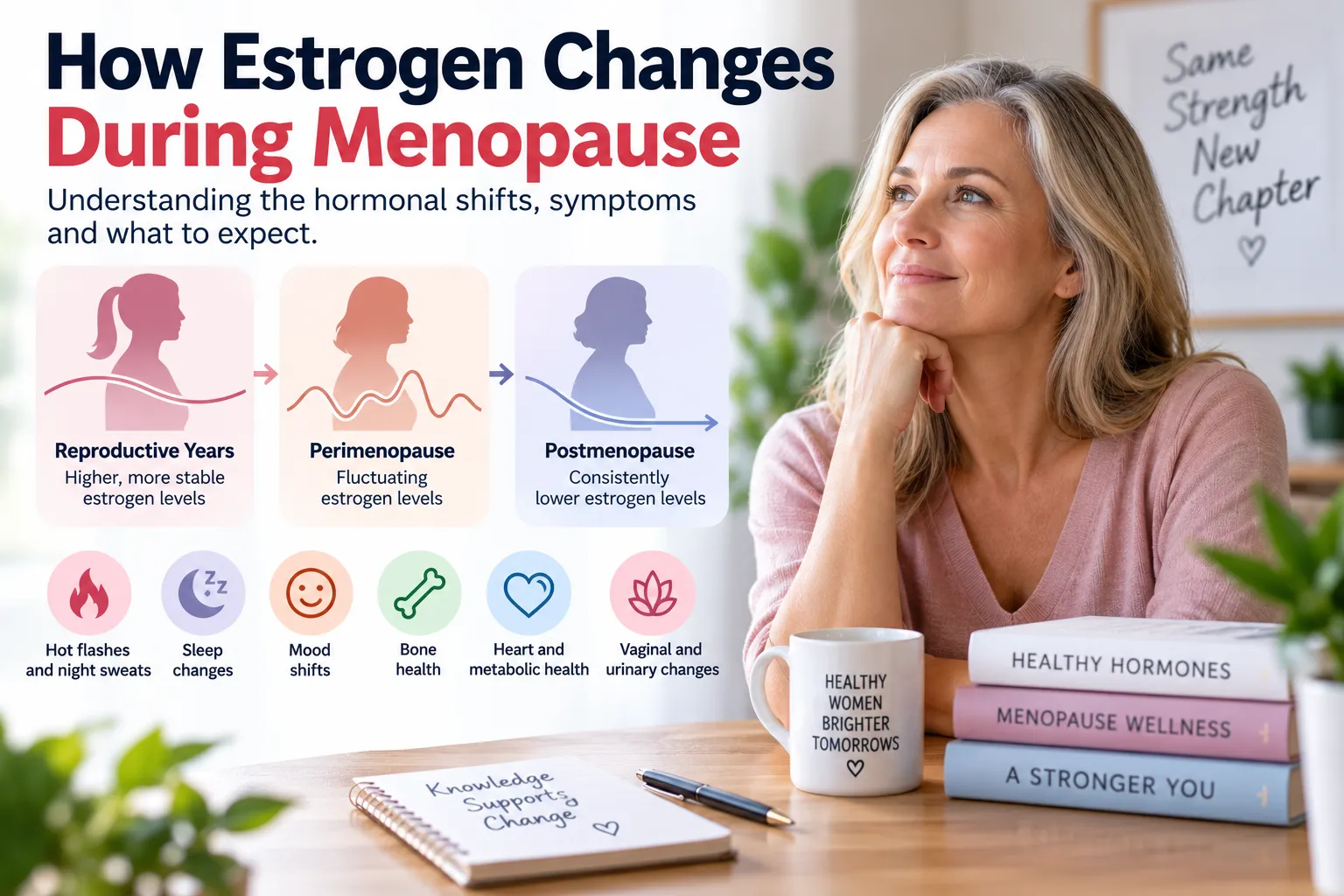
How Estrogen Changes During Menopause
Understanding how estrogen changes can make many of the physical and emotional changes associated with this stage of life easier to recognize and discuss with a healthcare professional.
Read article

Join 10,000+ Readers Building Healthier Habits
Get actionable wellness tips every week plus our newest articles delivered straight to your inbox.