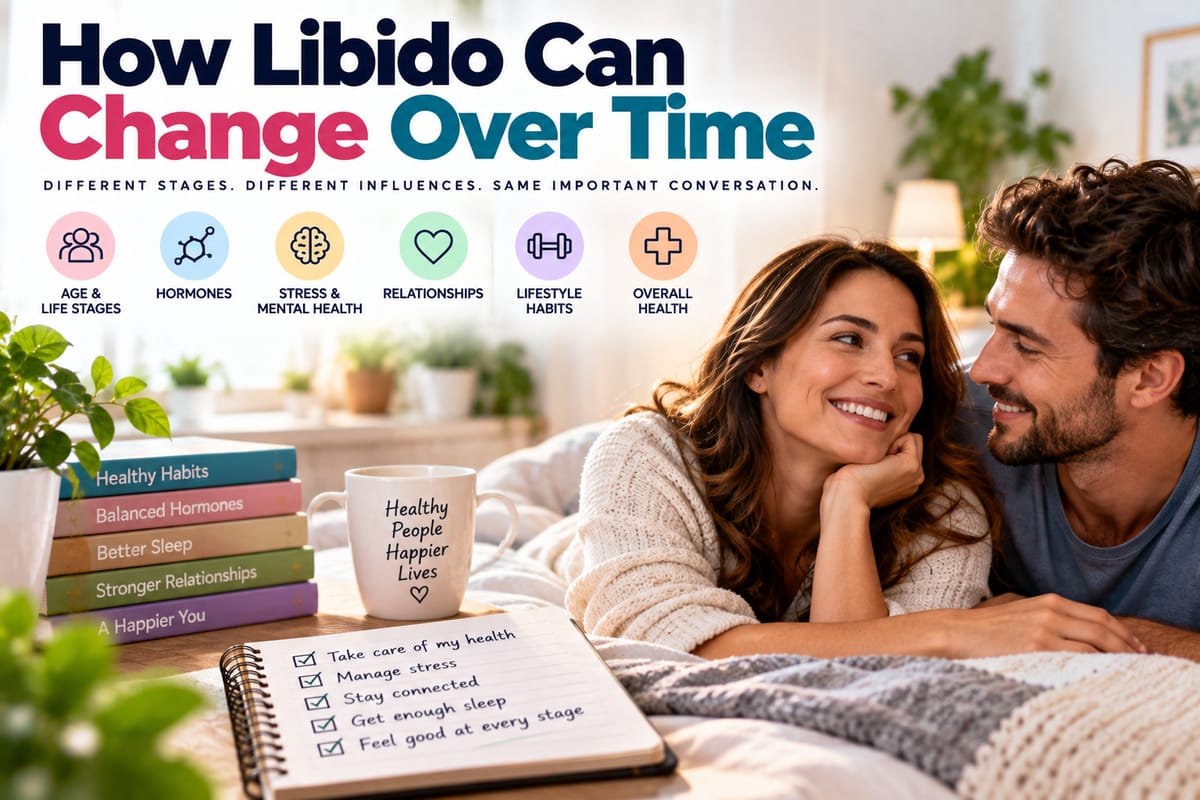

How Libido Can Change Over Time
Libido, or sexual desire, is not necessarily constant throughout a person’s life. It can change with age, relationships, stress, sleep, health, hormones, medications, lifestyle, and major life events.
Some people experience periods of higher sexual desire, while others notice a gradual or temporary decrease. Changes can also occur at different stages of life and may affect people differently.
A change in libido is not automatically a sign that something is wrong. However, a sudden, persistent, or distressing change can sometimes be connected to a physical or psychological issue that deserves attention.
Understanding the factors that influence sexual desire can make these changes easier to recognize and discuss.
What Is Libido?
Libido refers broadly to a person’s interest in or desire for sexual activity.
It is different from sexual arousal, which involves the physical and psychological responses associated with sexual stimulation. A person can experience sexual desire without strong physical arousal, and physical arousal can sometimes occur without conscious sexual desire.
The relationship between these processes is explored further in How Arousal Relates to Sexual Function.
Libido is also highly individual. There is no single level of sexual desire that is considered normal for everyone.
Libido During Adolescence
Puberty brings significant physical and hormonal changes.
As reproductive hormones increase and the body matures, sexual interest can emerge or become more noticeable. Curiosity, attraction, emotional development, and changing social experiences can all influence how young people understand sexuality.
During adolescence, sexual feelings may also fluctuate considerably.
Education, healthy boundaries, communication, and accurate information can help young people understand these changes without assuming that everyone should experience them in exactly the same way.
Libido in Early Adulthood
Early adulthood can involve many changes that influence sexual desire.
Relationships, education, work, living arrangements, stress, sleep patterns, and lifestyle habits can all affect how much interest someone has in sexual activity.
Some people experience strong sexual desire during this period, while others experience less interest or significant fluctuations.
There is no universal timeline for libido. Individual experiences can differ substantially.
Relationships Can Influence Sexual Desire
Emotional connection and relationship circumstances can affect libido.
Feeling emotionally close, secure, appreciated, and comfortable with a partner may support sexual interest for some people.
On the other hand, unresolved conflict, communication difficulties, relationship dissatisfaction, or lack of privacy can reduce sexual interest.
Relationship changes do not automatically cause libido changes, but they can influence the emotional context in which sexual desire develops.
Stress Can Lower Libido
Stress is one of the common factors that can influence sexual desire.
Work pressure, financial concerns, family responsibilities, relationship difficulties, and other sources of stress can consume mental and emotional energy.
When someone is focused on managing ongoing problems, sexual thoughts may become less prominent.
Short periods of stress may produce temporary changes. Persistent stress can have broader effects on sleep, mood, energy, and physical health, potentially making changes in libido more noticeable.
Sleep and Libido Are Connected
Sleep affects energy, mood, concentration, and many physiological processes.
Consistently poor sleep can leave a person physically and mentally exhausted, which may reduce interest in sexual activity.
Irregular schedules, insufficient sleep, and certain sleep disorders can all contribute to fatigue.
Improving sleep does not guarantee an increase in libido, but adequate rest can support overall wellbeing and may remove one factor contributing to reduced sexual interest.
Physical Health Can Affect Sexual Desire
Libido can change when overall health changes.
Chronic illnesses, pain, fatigue, metabolic conditions, cardiovascular problems, and other health issues can influence sexual interest either directly or indirectly.
Living with persistent symptoms can also affect mood and relationships, creating additional factors that influence desire.
When a significant change in libido occurs alongside other unexplained symptoms, discussing the broader health picture with a healthcare professional can be appropriate.
Hormones Play a Role
Hormones are involved in sexual development, reproduction, mood, and many other body processes.
Changes in reproductive hormones can influence sexual desire, although libido is never determined by a single hormone alone.
Testosterone, estrogen, progesterone, thyroid hormones, and other biological factors can contribute to the complex relationship between the body and sexual desire.
The broader relationship between hormones and health is discussed in The Complete Guide to Hormonal Health.
Libido and Testosterone
Testosterone is associated with sexual desire in both men and women, although levels and physiological roles differ.
Lower testosterone levels can be associated with reduced sexual interest in some people. However, reduced libido does not automatically mean that testosterone is low.
Age, medications, health conditions, stress, sleep, relationship factors, and mental wellbeing can all influence desire.
For this reason, hormone testing or treatment should generally be considered within the context of an individual’s overall health rather than based on libido alone.
Estrogen Changes Can Influence Sexual Desire
Estrogen levels change throughout a person’s reproductive life.
Menstrual cycles, pregnancy, breastfeeding, perimenopause, and menopause can all involve hormonal changes that may affect sexual desire and sexual comfort.
Lower estrogen levels around menopause can also contribute to vaginal dryness or other physical changes that may make sexual activity less comfortable. Discomfort can, in turn, influence interest in sex.
These experiences vary significantly between individuals.
Menopause and Libido
Menopause is associated with major hormonal changes and can coincide with changes in sexual desire.
Some people experience a reduction in libido, while others notice little change or even increased sexual interest.
Symptoms such as sleep disruption, hot flashes, mood changes, vaginal dryness, and discomfort can indirectly affect sexual desire.
A change in libido during this stage should therefore be considered alongside the broader physical and emotional experience of menopause.
Pregnancy Can Change Sexual Desire
Sexual desire can change during pregnancy.
Hormonal changes, physical discomfort, nausea, fatigue, body changes, emotional responses, and relationship factors may all contribute.
Some people experience increased sexual interest during certain stages of pregnancy, while others experience reduced interest.
There is considerable individual variation, and pregnancy-related changes do not follow one universal pattern.
Postpartum Changes Are Common
After childbirth, libido can change for several reasons.
Physical recovery, hormonal changes, breastfeeding, sleep deprivation, emotional adjustment, changes in body image, and the demands of caring for a newborn can all affect sexual interest.
Pain or discomfort can also influence desire.
It can take time for sexual interest and comfort to return after childbirth, and there is no single timetable that applies to everyone.
Persistent pain or other concerning symptoms should be discussed with an appropriate healthcare professional.
Men May Experience Changes With Age
Libido can also change for men as they grow older.
Hormonal changes, health conditions, medications, stress, sleep, relationship factors, and lifestyle can all influence sexual desire.
Testosterone levels tend to change with age, but aging does not automatically eliminate sexual interest.
Maintaining general health and addressing medical conditions can support sexual wellbeing at different stages of life.
Women and Men Can Experience Different Patterns
Sexual and reproductive health can involve some differences between women and men because of differences in anatomy, hormones, reproductive processes, and life stages.
At the same time, many influences on libido are shared.
Stress, sleep, health, relationships, medications, and emotional wellbeing can affect sexual desire in people of any sex.
How Sexual and Reproductive Health Differs Between Women and Men provides broader information about these similarities and differences.
Medications Can Affect Libido
Some medications can influence sexual desire.
Potential effects can vary depending on the medication, dosage, individual health, and other circumstances. Certain medications used for mental health conditions, blood pressure, hormonal conditions, and other health problems may affect sexual interest or sexual function in some people.
If a change in libido begins after starting or changing a medication, it can be useful to discuss the timing with a healthcare professional.
Prescribed medication should not be stopped or changed without appropriate medical guidance.
Mental Health Can Influence Sexual Desire
Depression and anxiety can affect libido.
Depression may reduce interest in activities that previously felt enjoyable, including sexual activity. Anxiety can make it difficult to relax or focus on intimacy.
The relationship can also work in the other direction. Ongoing sexual difficulties can contribute to worry, frustration, or lowered mood.
Mental health and sexual health should therefore be considered together when a persistent change in desire is causing distress.
Body Image Can Affect Libido
How a person feels about their body can influence sexual confidence and interest.
Weight changes, aging, pregnancy, illness, surgery, physical changes, or cultural expectations can all affect body image.
Negative feelings about appearance may make intimacy feel uncomfortable or increase self-consciousness.
Developing a healthier relationship with one’s body can support broader emotional wellbeing, although body image is only one potential influence on libido.
Alcohol and Substance Use
Alcohol can affect sexual desire and sexual function in different ways.
Small amounts may reduce inhibition for some people, while heavier alcohol use can interfere with sexual responses and overall health.
Long-term excessive alcohol use can contribute to health conditions that affect sexual wellbeing.
Other substances can also influence mood, hormones, nervous-system function, and sexual behavior.
Physical Activity and General Lifestyle
Regular physical activity can support cardiovascular health, mood, sleep, and energy.
These factors can indirectly contribute to sexual wellbeing.
Nutrition, adequate rest, stress management, and avoiding harmful substance use can similarly support overall health.
Lifestyle improvements do not guarantee a particular level of libido, but they can address several factors that may influence sexual desire.
Libido Can Change Within the Same Person
Sexual desire does not necessarily remain at one level even within the same period of life.
Someone may experience higher desire during one month and lower desire during another.
Changes can occur in response to:
- Stress
- Sleep
- Relationship circumstances
- Menstrual-cycle changes
- Illness
- Medication
- Work demands
- Emotional wellbeing
- Major life events
Short-term fluctuations are therefore not necessarily evidence of a problem.
There Is No Universal “Normal” Libido
People differ considerably in how often they experience sexual desire.
Some people have frequent sexual thoughts and interest, while others experience sexual desire less often. Some people experience little or no sexual attraction or desire.
The important question is often whether a person’s experience is comfortable and consistent with what they want, rather than whether it matches someone else’s level of desire.
A change becomes more relevant when it is sudden, persistent, unexplained, or distressing.
When a Change in Libido May Need Attention
A healthcare professional can help evaluate a persistent or unexpected change in sexual desire.
It may be particularly useful to seek advice when reduced libido occurs alongside:
- Significant fatigue
- Persistent pain
- Mood changes
- Menstrual changes
- Erectile difficulties
- Vaginal dryness or pain
- Other unexplained physical symptoms
- A major change after starting medication
An evaluation may consider medical history, medications, hormones, mental wellbeing, relationships, sleep, and other relevant factors.
Talking About Changes Can Help
Sexual desire can be difficult to discuss, particularly when someone feels embarrassed or assumes that a change is unusual.
Open communication with a partner can reduce misunderstandings.
A person may explain that their level of desire has changed without assigning blame or assuming that the change reflects a lack of attraction.
Professional healthcare support can also provide a private setting for discussing persistent concerns.
Sexual Health Is Broader Than Libido
Libido is only one part of sexual wellbeing.
Sexual health can also involve communication, consent, contraception, reproductive health, sexually transmitted infections, sexual function, relationships, comfort, and emotional wellbeing.
The Sexual Health Guide provides broader context for understanding these interconnected areas.
Looking at sexual health as a whole can make it easier to understand why libido sometimes changes and why the same change can have different causes in different people.
Libido Changes Across Life Are Often Multifactorial
Sexual desire can change from adolescence through adulthood, pregnancy, parenthood, menopause, and older age.
There is rarely a single explanation that applies to everyone. Hormones, health, relationships, stress, sleep, medications, emotional wellbeing, and life circumstances can interact in complicated ways.
A temporary change may simply reflect changing circumstances. A persistent or distressing change, however, can be worth discussing with a healthcare professional.
Understanding libido as a dynamic part of sexual and overall health can make changes easier to recognize without treating every fluctuation as a problem. The goal is not to maintain one fixed level of desire throughout life, but to understand what influences sexual wellbeing and address changes that cause concern or affect quality of life.
Continue Reading
Similar Posts

How Gender Can Influence Health Outcomes
Understanding these influences can help explain why some health conditions affect women and men differently and why healthcare cannot always take a one-size-fits-all approach.
Read article
How Period Pain Differs From Severe Pain
Understanding the difference between typical menstrual cramps and pain that may be unusually severe can help people recognize when symptoms deserve additional attention.
Read article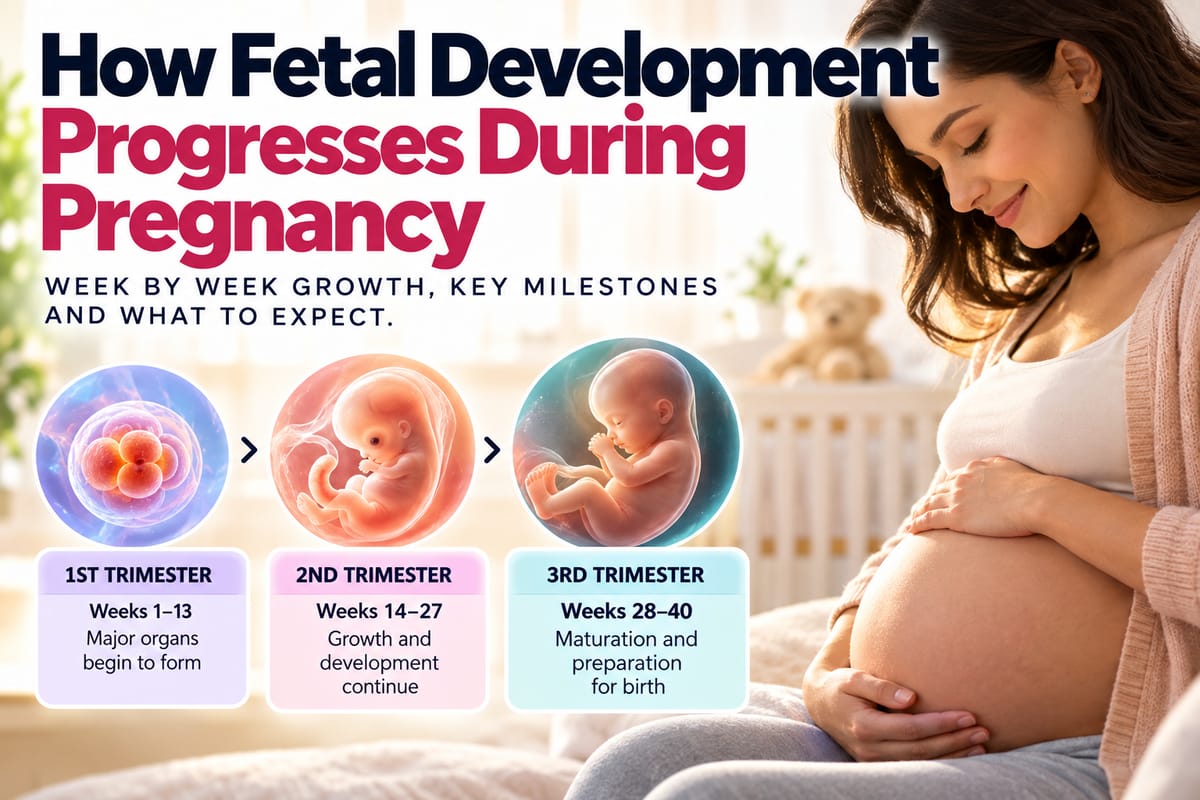
How Fetal Development Progresses During Pregnancy
Understanding the general stages of fetal development can make pregnancy easier to understand and can provide useful context for prenatal care, pregnancy planning, and discussions with healthcare professionals.
Read article

Join 10,000+ Readers Building Healthier Habits
Get actionable wellness tips every week plus our newest articles delivered straight to your inbox.