

How Arousal Relates to Sexual Function
Sexual arousal is an important part of sexual function, but it is not the same thing as sexual desire, orgasm, or overall sexual satisfaction. Arousal involves a combination of physical and psychological responses that can prepare the body for sexual activity. These responses can vary considerably between individuals and can also change throughout a person’s life.
Understanding how arousal relates to sexual function can help people recognize the difference between normal variation and persistent difficulties that may deserve attention. It can also provide a clearer picture of how the brain, hormones, nerves, blood flow, emotions, relationships, and general health can influence sexual experiences.
What Is Sexual Arousal?
Sexual arousal is a state involving physical and psychological responses to sexual stimulation or interest.
The experience can involve changes such as increased blood flow to the genitals, changes in genital sensitivity, lubrication or erection, increased heart rate, and heightened attention to sexual stimuli. Psychological arousal can involve feelings of excitement, anticipation, intimacy, or sexual interest.
Arousal does not necessarily happen in exactly the same sequence for everyone. Some people may experience strong mental interest before noticeable physical responses, while others may notice physical changes first.
A broader Sexual Health Guide can help put arousal into the larger context of sexual wellbeing, relationships, reproductive health, and safer sexual practices.
Arousal Is Different From Sexual Desire
Sexual desire and sexual arousal are closely connected, but they describe different aspects of sexual function.
Desire generally refers to interest or motivation for sexual activity. Arousal refers more specifically to the physical and psychological response that can occur during sexual stimulation or sexual activity.
A person can experience sexual desire without developing strong physical arousal. Conversely, physical signs of arousal can sometimes occur without a strong conscious desire for sexual activity.
This distinction is important because difficulties with desire and difficulties with arousal can have different contributing factors.
How the Brain Influences Arousal
Sexual arousal begins partly in the brain.
Thoughts, emotions, memories, sensory experiences, attraction, relationship dynamics, and physical stimulation can all contribute to arousal. The brain processes these signals and coordinates responses involving the nervous system, hormones, blood vessels, and sexual organs.
Stress and anxiety can interfere with this process. When someone is worried, distracted, uncomfortable, or concerned about performance, the brain may have difficulty maintaining attention on pleasurable or intimate experiences.
For this reason, sexual function cannot always be understood by looking only at the reproductive organs.
The Role of the Nervous System
The nervous system plays a central role in sexual arousal.
Signals between the brain, spinal cord, and peripheral nerves help coordinate physical responses associated with sexual stimulation. These signals can influence blood flow, genital sensitivity, muscle activity, and other bodily changes.
Conditions affecting the nervous system may therefore sometimes influence sexual function.
Medications and substances that affect the nervous system can also alter sexual responses in some people.
Blood Flow and Physical Arousal
Changes in blood flow are an important part of genital arousal.
During sexual arousal, increased blood flow to genital tissues contributes to physical responses such as penile erection and genital swelling. In people with vulvas, increased blood flow can contribute to genital sensitivity and lubrication, although lubrication is not a perfect measure of subjective arousal.
Because circulation is involved, cardiovascular health can have an effect on sexual function.
Conditions that affect blood vessels or circulation may contribute to erectile difficulties or other changes in sexual response.
Hormones and Sexual Function
Hormones can influence sexual development, desire, arousal, and reproductive function.
Sex hormones such as testosterone and estrogen have roles in the body, although sexual function is influenced by many factors beyond hormone levels alone.
Hormonal changes can occur during puberty, pregnancy, the postpartum period, menopause, and aging. Certain medical conditions and medications can also affect hormone levels.
However, experiencing a change in sexual arousal does not automatically mean that a person has a hormone problem. Sexual function is complex, and several factors may contribute simultaneously.
Sexual Arousal Can Differ Between Women and Men
There are biological differences between women and men that can influence sexual and reproductive function, but individual experiences vary substantially.
Genital responses, hormonal influences, reproductive anatomy, medications, age, psychological factors, and health conditions can all affect sexual function.
The relationship between physical responses and subjective arousal may also differ between individuals. For example, physical genital responses do not always indicate that a person consciously feels sexually interested or wants sexual activity.
Understanding how sexual and reproductive health differs between women and men can provide additional context without assuming that every person experiences sexuality in the same way.
Psychological Factors Can Have a Major Effect
Emotional wellbeing is closely connected to sexual function.
Stress, anxiety, depression, relationship difficulties, body-image concerns, previous negative experiences, and fear of pain can all affect arousal.
Even positive circumstances can sometimes influence sexual responses. A person may have difficulty becoming aroused when they are tired, distracted, overwhelmed, or unable to feel comfortable and emotionally present.
This does not necessarily mean there is a permanent problem. Sexual responses can change depending on circumstances.
Relationship and Communication Matter
Sexual function does not occur in isolation from relationships.
Trust, emotional connection, privacy, comfort, mutual interest, and communication can all affect sexual experiences. Partners may have different levels of desire or different preferences, making communication particularly important.
Talking openly about comfort, boundaries, expectations, contraception, sexual health, and changes in sexual function can help reduce misunderstandings.
Learning how communication supports sexual health can be useful for people who want to build healthier and more comfortable conversations about intimacy.
Why Arousal May Change Over Time
Sexual arousal is not necessarily constant throughout life.
Changes can occur because of:
- Aging
- Stress
- Pregnancy and childbirth
- Hormonal changes
- Relationship circumstances
- Sleep problems
- Certain medications
- Alcohol or other substances
- Chronic health conditions
- Mental health difficulties
- Pain during sexual activity
- Changes in physical fitness or general wellbeing
A temporary change may be related to circumstances and may resolve when those circumstances change.
Persistent or distressing changes, however, may warrant a conversation with a qualified healthcare professional.
Arousal and Sexual Dysfunction
Sexual dysfunction refers to persistent difficulties involving sexual response that cause distress or affect wellbeing. Problems can involve desire, arousal, erection, ejaculation, orgasm, or pain.
For example, erectile dysfunction involves persistent difficulty achieving or maintaining an erection sufficient for sexual activity. Other people may experience difficulty becoming physically aroused despite having sexual interest.
These experiences are relatively common and can have physical, psychological, medication-related, or relationship-related contributors.
There is no single explanation that applies to everyone.
Physical Health Can Influence Sexual Function
General health can have a significant relationship with sexual function.
Conditions affecting circulation, nerves, hormones, mental health, or energy levels may influence arousal. Sleep quality, physical activity, nutrition, smoking, alcohol use, and some medications can also play a role.
This is one reason sexual changes can sometimes provide an opportunity to discuss broader health with a healthcare professional.
Persistent erectile difficulties, genital pain, significant changes in sexual function, or other concerning symptoms should not simply be dismissed as an unavoidable part of aging.
Reproductive Health and Sexual Function Are Connected but Different
Sexual function and reproductive function overlap, but they are not identical.
A person can have normal sexual desire and arousal while experiencing infertility. Similarly, someone can have reproductive capability without experiencing strong sexual desire.
Reproductive health includes fertility, contraception, pregnancy, sexually transmitted infections, menstrual health, and other aspects of the reproductive system.
For a broader overview, The Complete Guide to Reproductive Health provides context for understanding how reproductive wellbeing fits into overall health.
When Should Someone Seek Medical Advice?
Occasional changes in sexual arousal are common. However, professional advice may be appropriate when changes are persistent, unexpected, painful, or causing significant distress.
It can also be useful to speak with a healthcare professional when sexual difficulties begin after starting a medication, occur alongside other physical symptoms, or substantially affect a relationship or quality of life.
Healthcare professionals can consider possible physical, psychological, medication-related, and lifestyle factors rather than assuming there is one cause.
People should also seek appropriate care for symptoms such as persistent genital pain, unexplained bleeding, significant changes in reproductive function, or concerns about sexually transmitted infections.
Understanding Arousal as Part of Overall Sexual Health
Arousal is only one component of sexual function. Desire, physical responses, orgasm, comfort, emotional wellbeing, relationships, reproductive health, and personal boundaries can all contribute to a person’s sexual experience.
Because these factors interact, a change in arousal does not automatically indicate a medical problem, and physical arousal does not necessarily indicate sexual desire.
A better understanding of the connection between the brain, body, emotions, relationships, and general health can help people approach sexual wellbeing with fewer assumptions and more awareness. When persistent problems occur, professional healthcare advice can help identify possible causes and appropriate options for support.
Continue Reading
Similar Posts

How Gender Can Influence Health Outcomes
Understanding these influences can help explain why some health conditions affect women and men differently and why healthcare cannot always take a one-size-fits-all approach.
Read article
How Period Pain Differs From Severe Pain
Understanding the difference between typical menstrual cramps and pain that may be unusually severe can help people recognize when symptoms deserve additional attention.
Read article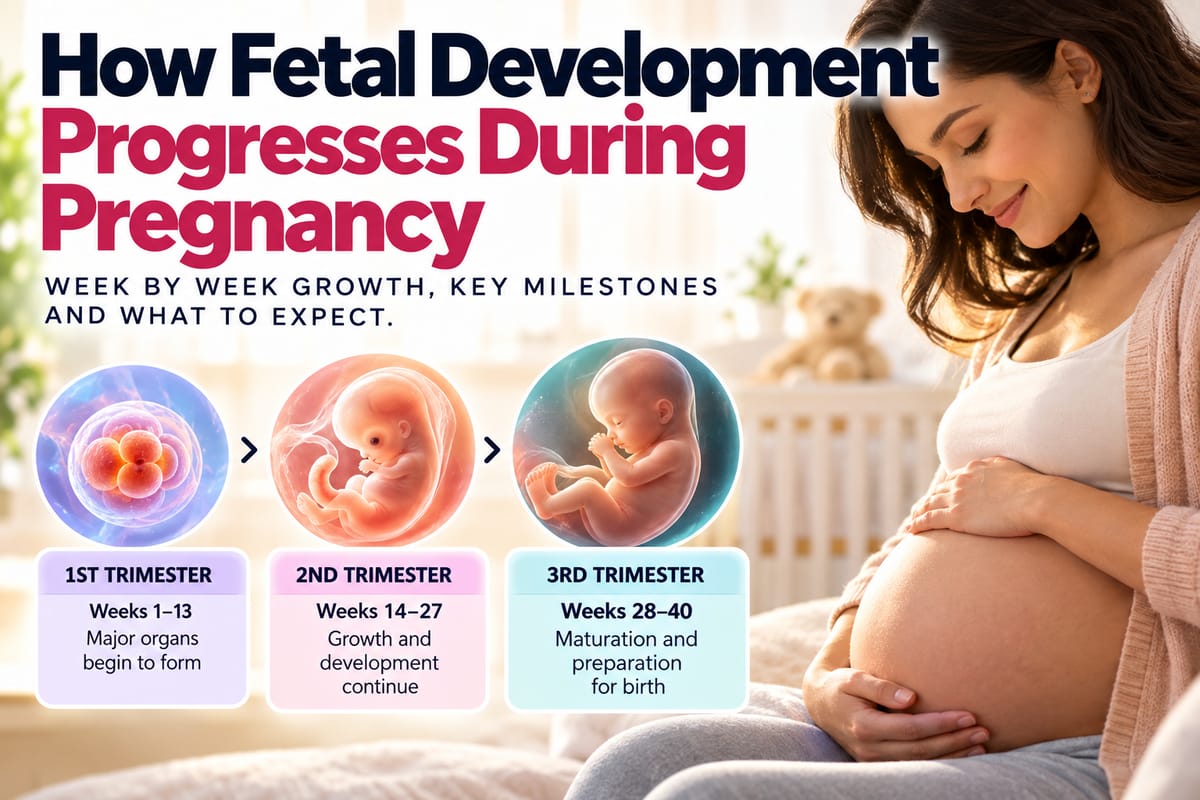
How Fetal Development Progresses During Pregnancy
Understanding the general stages of fetal development can make pregnancy easier to understand and can provide useful context for prenatal care, pregnancy planning, and discussions with healthcare professionals.
Read article

Join 10,000+ Readers Building Healthier Habits
Get actionable wellness tips every week plus our newest articles delivered straight to your inbox.