Healthy Habits That May Reduce Cancer Risk
Cancer remains one of the leading health challenges worldwide, but researchers agree that many cases may be influenced by lifestyle and environmental factors. While no habit or lifestyle choice can completely prevent cancer, evidence suggests that adopting healthy daily behaviors may significantly reduce the risk of developing several common types of cancer.
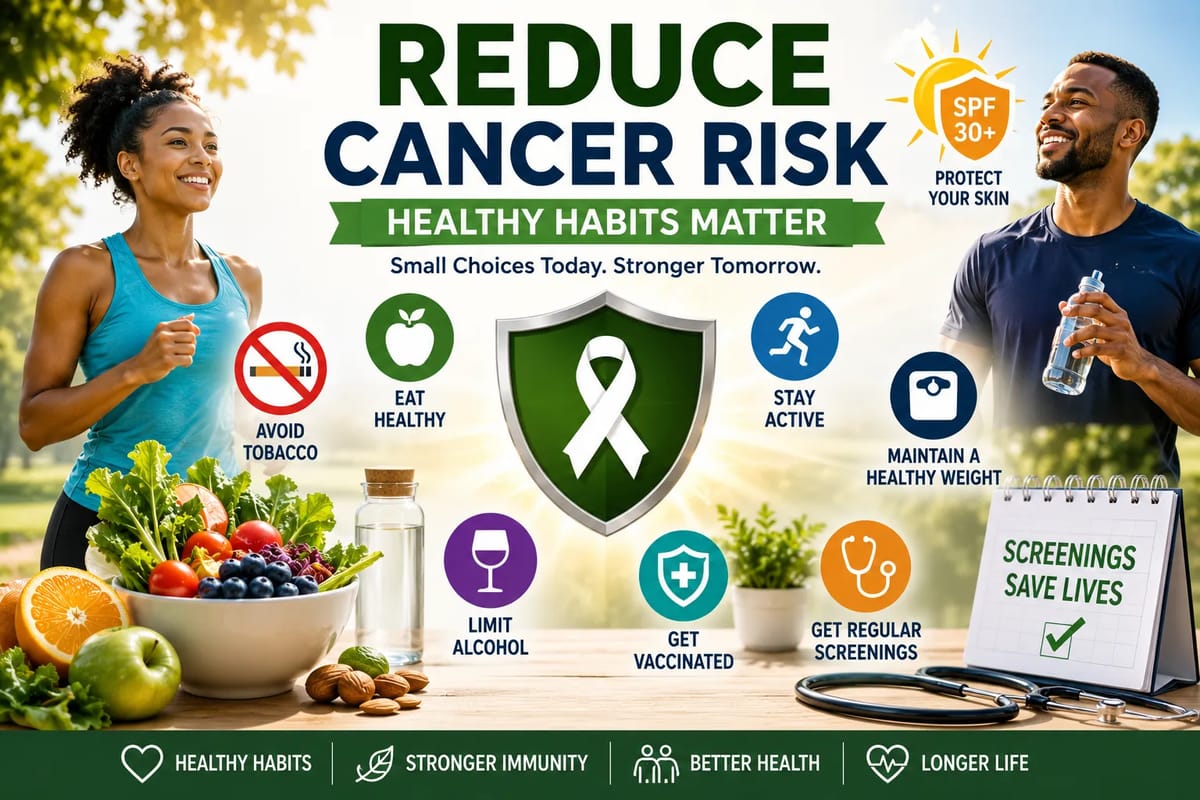
Preventive health focuses on lowering risk through informed choices rather than guaranteeing outcomes. Eating a nutritious diet, staying physically active, avoiding tobacco, limiting alcohol, protecting your skin, and keeping up with recommended health screenings are all important steps that support overall health and may help reduce cancer risk.
This guide explores the everyday habits experts recommend for supporting long-term health and lowering the likelihood of developing certain cancers. For a broader overview of common diseases, risk factors, and preventive strategies, see our complete guide to common health conditions.
Understanding Cancer Risk
Cancer develops when abnormal cells grow uncontrollably and spread to surrounding tissues.
Many factors influence cancer risk, including:
- Age
- Genetics
- Family history
- Environmental exposures
- Lifestyle habits
- Certain infections
- Hormonal factors
While some risk factors cannot be changed, many healthy lifestyle choices are within an individual’s control.
Why Prevention Matters
Preventing disease is often easier than treating it.
Healthy habits may help:
- Lower inflammation
- Support immune function
- Maintain healthy body weight
- Reduce exposure to harmful substances
- Improve overall health
- Lower the risk of several chronic diseases
Even small lifestyle improvements can contribute to better long-term health.
These same preventive habits can benefit cardiovascular health as well. Maintaining a healthy weight, eating well, staying active, and avoiding tobacco are also important components of a heart disease prevention guide.
Avoid Tobacco Products
Tobacco use is one of the most significant preventable causes of cancer.
Smoking and other tobacco products have been linked to cancers affecting the:
- Lungs
- Mouth
- Throat
- Esophagus
- Bladder
- Pancreas
- Kidneys
- Cervix
- Stomach
Avoiding tobacco and reducing exposure to secondhand smoke are among the most effective ways to reduce cancer risk.
Maintain a Healthy Weight
Excess body weight has been associated with an increased risk of several cancers.
Maintaining a healthy weight may support:
- Hormone balance
- Lower inflammation
- Better metabolic health
- Reduced strain on the body
Healthy eating and regular physical activity are key components of weight management.
Eat a Balanced Diet
Nutrition plays an important role in overall health.
A balanced eating pattern often includes:
- Fruits
- Vegetables
- Whole grains
- Beans and legumes
- Nuts and seeds
- Lean proteins
- Healthy fats
Limiting highly processed foods, sugary drinks, and excessive amounts of processed or red meats may also support long-term health.
Stay Physically Active
Regular physical activity benefits both body and mind.
Exercise may help:
- Maintain a healthy weight
- Improve immune function
- Support hormone regulation
- Increase energy
- Improve sleep
- Reduce stress
Adults are generally encouraged to include both aerobic activity and muscle-strengthening exercises as part of a healthy lifestyle.
Limit Alcohol Consumption
Research suggests that higher alcohol consumption is associated with an increased risk of several types of cancer.
If you choose to drink alcohol, moderation is generally recommended.
Some individuals may choose not to drink alcohol at all as part of a healthy lifestyle.
Protect Your Skin
Skin cancer is one of the most common forms of cancer.
Healthy sun safety habits include:
- Wearing sunscreen
- Seeking shade during peak sunlight hours
- Wearing protective clothing
- Using sunglasses
- Avoiding indoor tanning
Protecting the skin from excessive ultraviolet (UV) exposure supports long-term skin health.
Get Vaccinated
Some infections are associated with increased cancer risk.
Vaccinations may help reduce the risk of certain cancers by protecting against infections such as:
- Human papillomavirus (HPV)
- Hepatitis B
Vaccination recommendations depend on age, health status, and national guidelines.
Practice Safe Food Handling
Food safety supports overall health.
Helpful practices include:
- Washing fruits and vegetables
- Cooking foods thoroughly
- Refrigerating perishable foods promptly
- Avoiding cross-contamination
These habits help reduce exposure to harmful microorganisms.
Prioritize Quality Sleep
Sleep supports immune function, hormone regulation, and overall well-being.
Healthy sleep habits include:
- Maintaining a consistent schedule
- Creating a comfortable sleep environment
- Limiting screen time before bed
- Managing stress
Although sleep alone does not prevent cancer, it contributes to overall health.
Manage Stress
Chronic stress is not considered a direct cause of cancer, but managing stress supports healthier lifestyle choices and overall well-being.
Helpful strategies include:
- Meditation
- Deep breathing
- Exercise
- Spending time outdoors
- Connecting with loved ones
- Hobbies and relaxation
Reducing stress may encourage healthier daily habits.
Avoid Unnecessary Exposure to Harmful Chemicals
Reducing exposure to potentially harmful substances can support long-term health.
Examples include:
- Following workplace safety guidelines
- Using protective equipment when appropriate
- Ventilating indoor spaces
- Reading product safety instructions
Individuals working in high-risk occupations should follow recommended safety practices.
Keep Up With Recommended Health Screenings
Routine health screenings can help detect certain cancers early.
Depending on age, sex, and personal risk factors, healthcare providers may recommend screening for:
- Breast cancer
- Cervical cancer
- Colorectal cancer
- Lung cancer (for eligible high-risk individuals)
- Prostate health discussions
- Skin examinations
Early detection often improves treatment options and outcomes.
Keeping blood pressure under control is another important part of preventive health. People interested in the relationship between cardiovascular risk and long-term disease prevention can also explore high blood pressure explained.
Know Your Family History
Some cancers have inherited risk factors.
Discussing family history with a healthcare provider can help determine whether additional screening or genetic counseling may be appropriate.
Knowing your family history allows preventive care to be more personalized.
Healthy Habits Work Together
Cancer prevention is not based on one single behavior.
A healthy lifestyle combines:
- Nutritious eating
- Physical activity
- Healthy weight management
- Tobacco avoidance
- Responsible alcohol choices
- Sun protection
- Regular medical care
- Vaccination
- Adequate sleep
These habits also support heart health, brain health, and overall quality of life.
Protective lifestyle choices can be particularly valuable because cardiovascular and neurological health are also influenced by factors such as physical activity, blood pressure, tobacco exposure, and metabolic health. Understanding how to protect neurological health and reduce brain disease risk can provide additional context for maintaining long-term health.
Common Myths About Cancer Prevention
| Myth | Reality |
|---|---|
| Healthy people never get cancer. | Healthy habits reduce risk but cannot eliminate it completely. |
| One “superfood” can prevent cancer. | No single food prevents cancer. A balanced diet is more important. |
| If cancer doesn’t run in my family, I’m not at risk. | Many cancers occur in people without a family history. |
| Screenings are unnecessary if I feel healthy. | Many cancers develop without early symptoms. |
| Lifestyle changes are only helpful later in life. | Healthy habits provide benefits at every age. |
Frequently Asked Questions
Can cancer always be prevented?
No. Some cancers occur because of genetic or other uncontrollable factors. However, healthy lifestyle habits may reduce the risk of several common cancers.
What lifestyle habit has the greatest impact on cancer risk?
Avoiding tobacco products is widely recognized as one of the most effective ways to lower the risk of many cancers.
Does exercise reduce cancer risk?
Regular physical activity is associated with improved overall health and may help reduce the risk of several types of cancer, particularly when combined with other healthy habits.
Why are screenings important?
Cancer screenings may detect disease before symptoms appear, allowing earlier diagnosis and, in many cases, more effective treatment.
Should I take supplements to prevent cancer?
No dietary supplement has been proven to prevent cancer in the general population. Most experts recommend obtaining nutrients from a balanced diet unless supplements are advised by a qualified healthcare professional.
Building Cancer-Preventive Habits for the Long Term
Although no lifestyle choice can guarantee protection from cancer, adopting healthy habits can play an important role in reducing risk and supporting overall well-being. Avoiding tobacco, maintaining a healthy weight, eating a nutritious diet, staying physically active, limiting alcohol, protecting your skin, and participating in recommended health screenings are among the most effective strategies supported by current scientific evidence.
Cancer prevention is best viewed as a lifelong commitment to healthy living rather than a single action. By making consistent, informed choices and working with healthcare professionals on preventive care, individuals can improve their overall health while lowering the risk of many chronic diseases, including certain types of cancer.
Continue Reading
Similar Posts

How Vector Control Prevents Infectious Diseases
Vector control includes a wide range of measures designed to reduce contact between people and disease-carrying organisms.
Read article
How Sun Exposure Affects Skin Cancer Risk
Understanding how sun exposure affects the skin can make prevention more practical. Protection is not about avoiding daylight altogether. Instead, it involves reducing unnecessary ultraviolet exposure and recognizing situations when the skin is particularly vulnerable.
Read article
How Type 2 Diabetes Risk Develops
Understanding how type 2 diabetes risk develops can make the condition easier to prevent or manage. Risk factors do not guarantee that someone will develop diabetes, and some people develop the condition without having an obvious single cause. Instead, risk tends to emerge from the interaction of several factors over time.
Read article
Join 10,000+ Readers Building Healthier Habits
Get actionable wellness tips every week plus our newest articles delivered straight to your inbox.