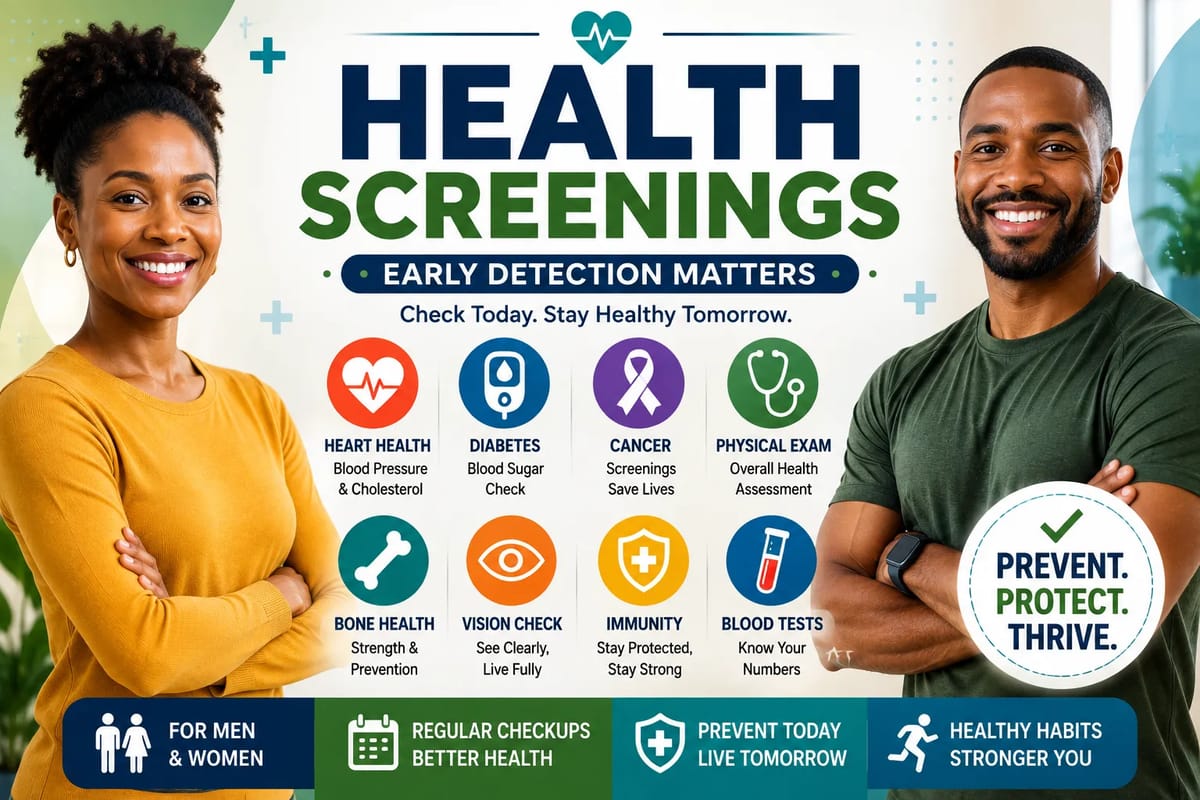

Essential Health Screenings for Men and Women
Preventive healthcare is one of the most effective ways to protect long-term health. While many illnesses develop gradually without noticeable symptoms, routine health screenings can detect potential problems early—often before they become serious. Early detection frequently leads to more treatment options, better outcomes, and improved quality of life.
Health screenings are not only for older adults. Depending on age, sex, family history, lifestyle, and personal risk factors, adults of all ages can benefit from regular checkups and preventive testing. Understanding which screenings are recommended—and when—can help individuals make informed decisions about their health.
This guide explains the most common health screenings for both men and women, why they matter, and how they contribute to disease prevention and overall wellness.
What Are Health Screenings?
Health screenings are medical tests, examinations, or assessments performed to identify diseases or health risks before symptoms appear.
Their goals include:
- Detecting diseases early
- Monitoring existing health conditions
- Identifying risk factors
- Preventing complications
- Encouraging healthy lifestyle changes
Regular screenings are an important part of preventive healthcare and the broader approach to healthy living and long-term wellness.
Why Preventive Screenings Matter
Many common health conditions develop silently.
Routine screenings may help detect:
- High blood pressure
- Diabetes
- High cholesterol
- Certain cancers
- Osteoporosis
- Vision problems
- Hearing loss
- Infectious diseases
Early diagnosis often improves treatment success and reduces long-term health complications.
Understanding how disease prevention works and how to reduce health risks can help explain why screening is such an important part of preventive care.
Health Screenings Everyone Should Consider
Blood Pressure
High blood pressure often develops without symptoms.
Regular monitoring can help reduce the risk of:
- Heart disease
- Stroke
- Kidney disease
Adults should have their blood pressure checked periodically, with frequency based on age and individual risk factors. Individual risk can also be influenced by the major risk factors for disease.
Cholesterol Testing
Cholesterol testing measures fats in the blood that may increase the risk of cardiovascular disease.
The test evaluates:
- Total cholesterol
- LDL (“bad”) cholesterol
- HDL (“good”) cholesterol
- Triglycerides
Lifestyle changes and medical treatment may be recommended if levels are elevated.
Blood Glucose and Diabetes Screening
Diabetes screening measures blood sugar levels to identify:
- Prediabetes
- Type 2 diabetes
Early detection allows individuals to adopt lifestyle changes that may reduce complications.
Body Weight and Body Mass Index (BMI)
Healthcare providers commonly monitor:
- Weight
- Height
- Body Mass Index
- Waist circumference (when appropriate)
These measurements help assess overall health risks associated with excess body fat.
Mental Health Screening
Mental health is an essential part of overall wellness.
Healthcare providers may screen for:
- Depression
- Anxiety
- Stress-related concerns
Early support can improve emotional well-being and daily functioning.
Mental well-being is also an important component of healthy habits that support healthy aging.
Vision and Eye Exams
Regular eye examinations help identify:
- Vision changes
- Cataracts
- Glaucoma
- Diabetic eye disease
Routine eye care supports both vision and overall health.
Hearing Tests
Hearing changes often develop gradually.
Screenings may help detect hearing loss early, improving communication and quality of life.
Health Screenings for Women
Breast Cancer Screening
Breast cancer screening often includes:
- Mammography
- Clinical breast examinations (as recommended)
The appropriate starting age and screening frequency depend on individual risk factors and current medical guidelines.
Cervical Cancer Screening
Screening for cervical cancer may include:
- Pap test (Pap smear)
- HPV testing
These tests help detect abnormal cell changes before cancer develops.
Bone Density Testing
Women, particularly after menopause, may be advised to undergo bone density screening to assess osteoporosis risk.
Early detection supports strategies to maintain strong bones and reduce fracture risk.
Reproductive Health Checkups
Routine reproductive health visits may include discussions about:
- Menstrual health
- Family planning
- Pregnancy planning
- Menopause
- Sexual health
These visits support overall reproductive wellness throughout life.
Health Screenings for Men
Prostate Health
Men should discuss prostate health with their healthcare provider, especially as they age or if they have a family history of prostate conditions.
Screening decisions are based on individual risk factors and shared decision-making.
Testicular Health
Regular awareness of testicular health can help men notice unusual changes.
Any persistent lump, swelling, or discomfort should be evaluated by a healthcare professional.
Abdominal Aortic Aneurysm Screening
Some older men with a history of smoking may be advised to undergo ultrasound screening for abdominal aortic aneurysm based on medical recommendations.
Cancer Screenings for Men and Women
Depending on age and risk factors, healthcare providers may recommend screening for:
- Colorectal cancer
- Lung cancer (for certain high-risk individuals)
- Skin cancer
- Oral cancer
Recommendations vary according to personal medical history and lifestyle factors.
Knowing the early warning signs of chronic disease can also help individuals understand when symptoms require medical evaluation, although screening is intended to identify certain conditions before symptoms appear.
Vaccination Reviews
Preventive healthcare also includes reviewing recommended vaccinations.
Adults may benefit from vaccines that protect against:
- Influenza
- COVID-19
- Tetanus
- Shingles
- Pneumococcal disease
- Human papillomavirus (HPV), when appropriate
Vaccination schedules depend on age, health status, and risk factors.
Vaccination is one component of prevention alongside other measures such as hygiene and appropriate medical care. Personal hygiene can help prevent illness by reducing exposure to certain infectious threats.
Lifestyle Assessments
Preventive visits often include discussions about:
- Nutrition
- Physical activity
- Sleep
- Tobacco use
- Alcohol consumption
- Stress management
- Mental well-being
Healthy lifestyle habits complement routine medical screenings.
Lifestyle choices can influence long-term health risks, including the effects associated with alcohol and long-term health.
Family Medical History
Family history influences screening recommendations.
Healthcare providers may ask about relatives with:
- Heart disease
- Diabetes
- Cancer
- High blood pressure
- Genetic disorders
Sharing accurate family history helps personalize preventive care.
Genetic information can also play a role in understanding how genetics can influence individual health risks.
Preparing for a Health Screening
To make the most of a preventive appointment:
- Bring a list of medications.
- Know your family medical history.
- Write down questions.
- Follow fasting instructions if required.
- Share any new symptoms or health concerns.
Preparation helps ensure accurate results and productive conversations.
Healthy Habits That Support Prevention
Health screenings work best when combined with healthy lifestyle choices.
Focus on:
- Eating a balanced diet
- Exercising regularly
- Maintaining a healthy weight
- Getting enough sleep
- Managing stress
- Avoiding tobacco
- Limiting alcohol
- Staying up to date with vaccinations
Prevention involves both medical care and everyday habits. It also includes considering the environmental factors that affect human health and wellbeing, since health is influenced by more than individual behavior alone.
Common Myths About Health Screenings
| Myth | Reality |
|---|---|
| I feel healthy, so I don’t need screenings. | Many conditions develop without noticeable symptoms. |
| Screenings are only for older adults. | Adults of all ages may benefit depending on their risk factors. |
| One normal test means I’m healthy forever. | Preventive care requires ongoing monitoring over time. |
| Health screenings are only for people with medical problems. | Preventive testing is designed to identify issues before they cause symptoms. |
| Men and women need identical screenings. | Some recommendations differ based on biological sex, age, and individual risk. |
Frequently Asked Questions
What is a health screening?
A health screening is a preventive medical test or examination used to detect diseases or health risks before symptoms appear.
How often should I have a routine checkup?
The frequency depends on your age, overall health, family history, and risk factors. A healthcare provider can recommend an appropriate schedule.
Are cancer screenings necessary if I feel healthy?
Many cancers develop without early symptoms. Recommended screenings may detect disease at earlier, more treatable stages.
Do men and women need different screenings?
Yes. Some screenings, such as cervical cancer screening or prostate health discussions, are specific to biological sex, while many others are recommended for everyone.
Can healthy habits replace medical screenings?
Healthy lifestyle choices are essential but do not replace routine preventive healthcare. Screenings and healthy habits work together to support long-term wellness.
Making Preventive Screening Part of Lifelong Health
Routine health screenings are among the most effective tools for protecting long-term health. By identifying potential health concerns before symptoms develop, preventive care gives individuals the opportunity to make informed decisions, begin treatment earlier when necessary, and reduce the risk of serious complications.
While screening recommendations vary according to age, sex, family history, and personal risk factors, maintaining regular checkups and discussing preventive care with a qualified healthcare professional is an important part of a healthy lifestyle. Combined with balanced nutrition, regular physical activity, quality sleep, stress management, and other healthy habits, routine screenings help build a strong foundation for lifelong well-being.
Continue Reading
Similar Posts

How Gender Can Influence Health Outcomes
Understanding these influences can help explain why some health conditions affect women and men differently and why healthcare cannot always take a one-size-fits-all approach.
Read article
How Period Pain Differs From Severe Pain
Understanding the difference between typical menstrual cramps and pain that may be unusually severe can help people recognize when symptoms deserve additional attention.
Read article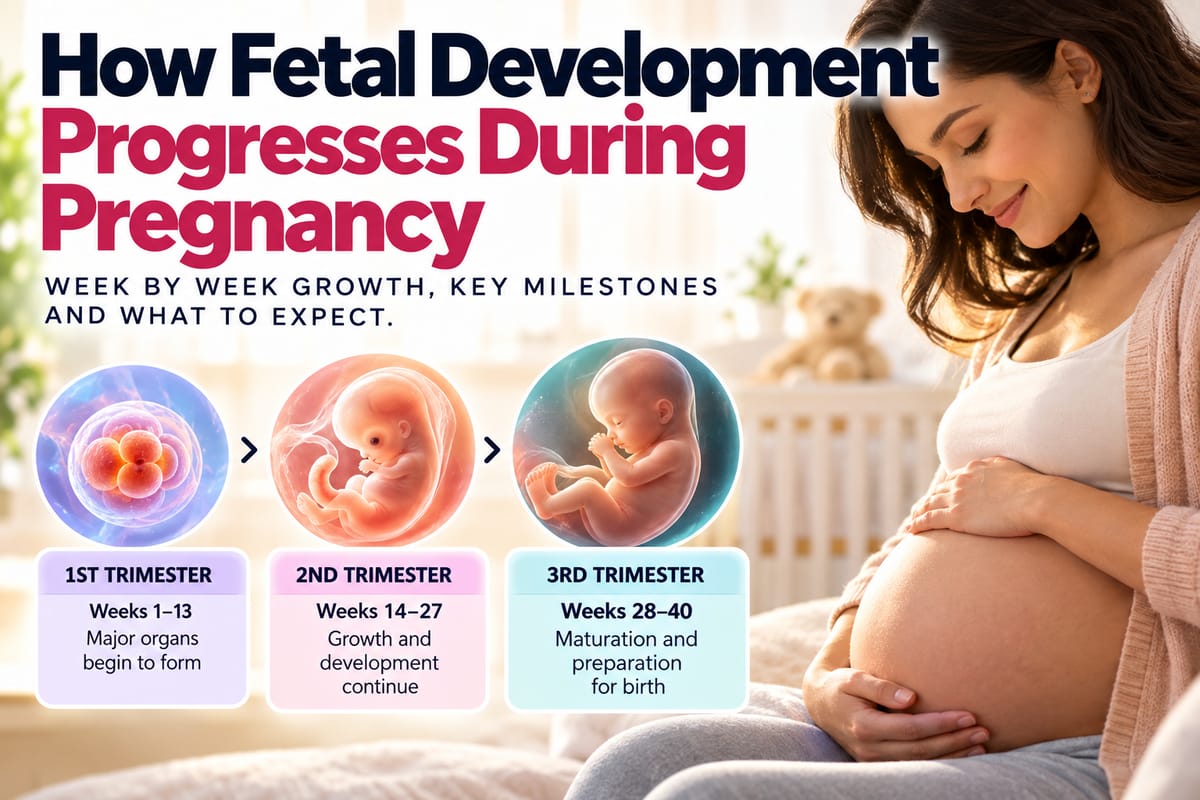
How Fetal Development Progresses During Pregnancy
Understanding the general stages of fetal development can make pregnancy easier to understand and can provide useful context for prenatal care, pregnancy planning, and discussions with healthcare professionals.
Read article

Join 10,000+ Readers Building Healthier Habits
Get actionable wellness tips every week plus our newest articles delivered straight to your inbox.