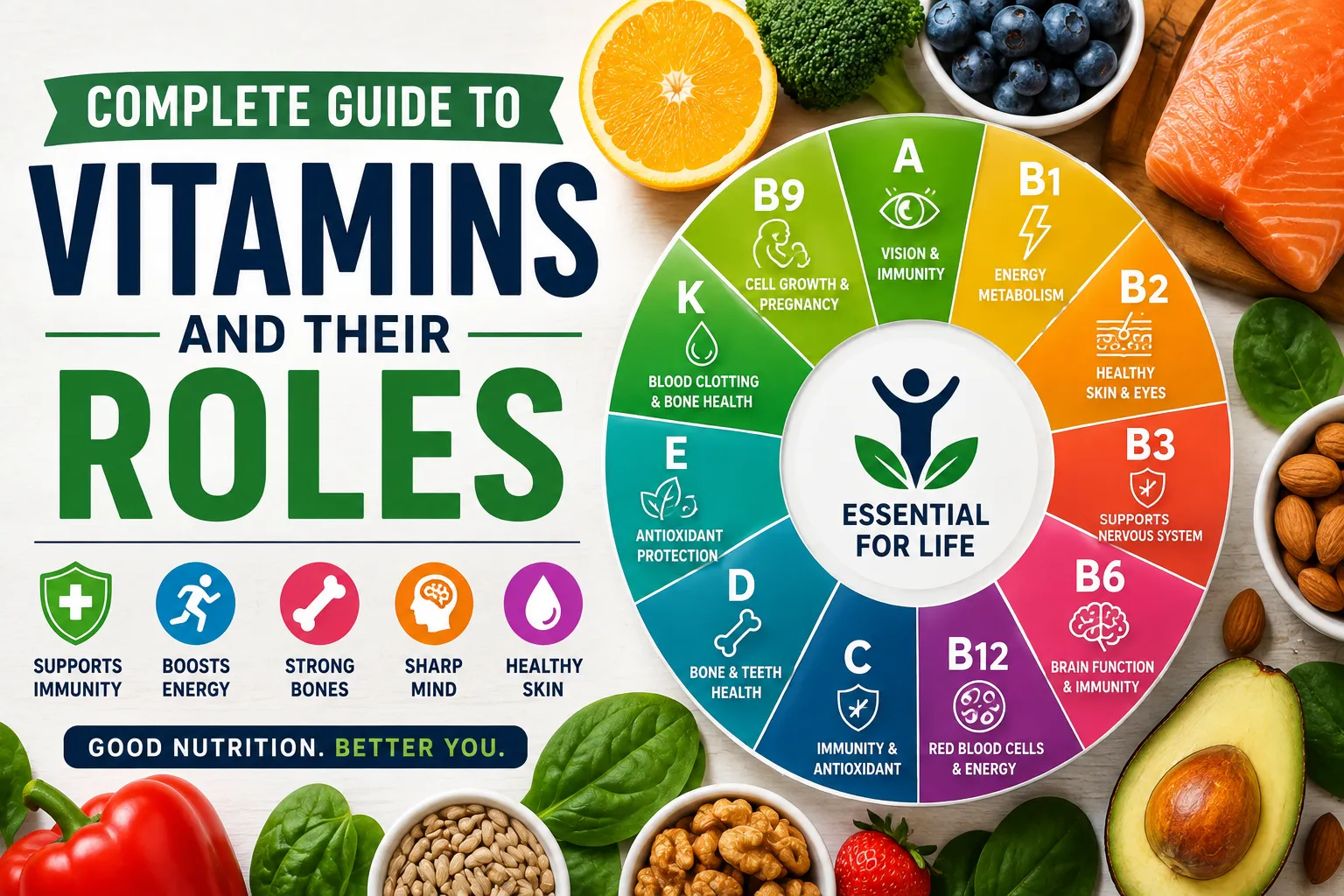

Complete Guide to Vitamins and Their Roles
Vitamins are among the most familiar nutrients in everyday health conversations. They appear in foods, fortified products, multivitamins and countless dietary supplements. But despite how common they are, many people are still unsure about what individual vitamins actually do, where they come from, and whether taking more provides additional health benefits.
The human body needs 13 essential vitamins for normal growth, development and cellular function. These include vitamins A, C, D, E and K, along with eight B vitamins.
The important point is that vitamins work in relatively small amounts. Getting too little can cause deficiency, while taking excessive amounts of certain vitamins—particularly through supplements—can also create health risks.
This complete guide to dietary supplements explains the broader role of supplementation and provides context for understanding when vitamin products may or may not be useful.
This guide explains the major vitamins, their roles, common food sources and what to know before turning to supplements.
What Are Vitamins?
Vitamins are organic substances that the body needs for normal biological processes.
Unlike carbohydrates, protein and fat, vitamins do not primarily provide energy or calories. Instead, they help the body carry out processes involved in growth, metabolism, immune function, blood formation, vision, bone health and many other functions.
There are 13 recognized essential vitamins:
- Vitamin A
- Vitamin B1, or thiamine
- Vitamin B2, or riboflavin
- Vitamin B3, or niacin
- Vitamin B5, or pantothenic acid
- Vitamin B6
- Vitamin B7, or biotin
- Vitamin B9, or folate
- Vitamin B12
- Vitamin C
- Vitamin D
- Vitamin E
- Vitamin K
They are generally divided into two groups: fat-soluble vitamins and water-soluble vitamins.
Fat-Soluble Vitamins Explained
The fat-soluble vitamins are A, D, E and K.
These vitamins can be stored in body tissues, including the liver and fatty tissue. They are absorbed more effectively when consumed with dietary fat.
Because the body can store them, excessive intake of some fat-soluble vitamins can be particularly concerning.
Vitamin A
Vitamin A supports several important functions, including normal vision, immune function, reproduction, growth and the maintenance of tissues such as skin and the lining of organs.
Vitamin A comes in different forms. Preformed vitamin A is found in foods such as liver, fish and dairy products, while the body can convert certain carotenoids from plant foods into vitamin A.
Good food sources include:
- Carrots
- Sweet potatoes
- Spinach
- Other dark green vegetables
- Orange and yellow fruits and vegetables
- Eggs
- Dairy products
- Fish
- Liver
Vitamin A illustrates why “more” does not necessarily mean “better.” High amounts of preformed vitamin A from supplements can be harmful, and high-dose supplementation is particularly important to avoid during pregnancy unless medically recommended.
Vitamin D
Vitamin D helps the body absorb calcium and is important for maintaining healthy bones. It also plays roles in muscle and immune function.
Very few foods naturally contain substantial amounts of vitamin D. Fatty fish such as salmon, tuna and mackerel are among the better sources, while fortified foods can provide additional vitamin D.
The body can also produce vitamin D when skin is exposed to sunlight, although the amount produced varies with factors such as geographic location, season, skin pigmentation, age and sun exposure.
Because vitamin D needs can differ considerably between individuals, supplementation is not automatically necessary for everyone.
Vitamin E
Vitamin E refers to a group of compounds with antioxidant activity.
It helps protect cells from oxidative damage and is also involved in immune function and other biological processes.
Food sources include:
- Nuts
- Seeds
- Vegetable oils
- Spinach
- Broccoli
- Avocado
Sunflower seeds, almonds and certain vegetable oils are particularly useful sources.
Vitamin K
Vitamin K is important for normal blood clotting and plays a role in maintaining healthy bones.
Dark green leafy vegetables are among the richest food sources. Other sources include broccoli, cabbage, cauliflower, eggs and certain animal foods.
People taking certain blood-thinning medications should speak with their healthcare professional about vitamin K intake rather than making major dietary or supplement changes independently.
Water-Soluble Vitamins Explained
The water-soluble vitamins include vitamin C and all eight B vitamins.
They dissolve in water, and the body generally does not store them in large quantities. Vitamin B12 is an important exception because the body can store substantial amounts in the liver for years.
Because most water-soluble vitamins are not stored extensively, regular dietary intake is important.
Vitamin B1: Thiamine
Thiamine helps the body convert nutrients from food into energy and supports normal cellular function.
It is found in foods such as:
- Whole grains
- Pork
- Fish
- Legumes
- Nuts
- Seeds
- Fortified cereals
Severe thiamine deficiency can interfere with the nervous system and cardiovascular system.
Vitamin B2: Riboflavin
Riboflavin helps the body process carbohydrates, fats and proteins and supports normal cellular function.
Food sources include:
- Milk and dairy products
- Eggs
- Meat
- Fish
- Almonds
- Fortified cereals
- Mushrooms
A varied diet generally provides adequate riboflavin for most people.
Vitamin B3: Niacin
Niacin helps convert food into energy and contributes to normal functioning of the digestive system, nervous system and skin.
It is found in foods including:
- Poultry
- Fish
- Meat
- Peanuts
- Legumes
- Whole and fortified grains
Very high doses of supplemental niacin can cause side effects, so high-dose products should not be treated like ordinary nutritional foods.
Vitamin B5: Pantothenic Acid
Pantothenic acid is involved in producing and using energy from food and in making certain compounds the body needs.
It occurs naturally in a wide range of foods, including:
- Meat
- Eggs
- Milk
- Mushrooms
- Avocado
- Potatoes
- Whole grains
- Legumes
Because it is widespread in foods, deficiency is uncommon.
Vitamin B6
Vitamin B6 is involved in protein metabolism, red blood cell formation, nervous system function and immune processes.
Food sources include:
- Poultry
- Fish
- Potatoes
- Chickpeas
- Bananas
- Fortified cereals
Vitamin B6 is another example of a nutrient where excessive supplementation can be harmful. The NIH notes that very high intake over time can cause nerve damage.
Vitamin B7: Biotin
Biotin helps the body metabolize carbohydrates, fats and proteins.
It is found in foods such as:
- Eggs
- Nuts
- Seeds
- Legumes
- Meat
- Fish
- Some vegetables
Biotin is frequently marketed in supplements for hair, skin and nails. However, taking more than the body needs does not automatically produce better results.
Importantly, high-dose biotin supplements can interfere with certain laboratory tests, making it important to tell healthcare professionals about supplement use.
Vitamin B9: Folate
Folate is particularly important for DNA synthesis and cell division.
It is naturally present in foods such as:
- Leafy green vegetables
- Beans
- Peas
- Lentils
- Citrus fruits
- Avocado
Folic acid is the form of folate commonly used in fortified foods and supplements.
Adequate folate is especially important before and during pregnancy because it supports normal development of the baby’s neural tube.
Vitamin B12
Vitamin B12 is essential for red blood cell formation, neurological function and DNA synthesis.
It is naturally found primarily in animal-derived foods, including:
- Meat
- Fish
- Eggs
- Milk
- Other dairy products
Fortified foods and supplements can provide B12 for people who do not obtain enough from natural food sources. The NIH notes that people following vegetarian or vegan diets may need particular attention to B12 intake.
Older adults and people with certain digestive or absorption problems can also be at increased risk of inadequate B12.
Vitamin C
Vitamin C supports collagen production, wound healing, immune function and the absorption of iron from plant-based foods.
It is abundant in many fruits and vegetables, including:
- Oranges
- Grapefruit
- Kiwifruit
- Strawberries
- Bell peppers
- Broccoli
- Tomatoes
- Potatoes
For most people, a varied diet can provide plenty of vitamin C.
Vitamins at a Glance
| Vitamin | Main Roles | Common Food Sources |
|---|---|---|
| A | Vision, immune function, tissue maintenance | Carrots, leafy greens, eggs, dairy |
| B1 | Energy metabolism, cellular function | Whole grains, pork, legumes |
| B2 | Energy metabolism, cellular function | Dairy, eggs, meat |
| B3 | Energy metabolism, nervous system function | Fish, poultry, meat, peanuts |
| B5 | Energy metabolism, synthesis of compounds | Meat, dairy, mushrooms, legumes |
| B6 | Protein metabolism, blood cells, nerves | Poultry, fish, potatoes, chickpeas |
| B7 | Nutrient metabolism | Eggs, nuts, seeds, legumes |
| B9 | DNA synthesis, cell division | Leafy greens, beans, lentils |
| B12 | Nerves, red blood cells, DNA | Meat, fish, eggs, dairy |
| C | Collagen production, wound healing, iron absorption | Citrus, peppers, broccoli |
| D | Calcium absorption, bones, muscles | Fatty fish, fortified foods |
| E | Antioxidant and immune functions | Nuts, seeds, vegetable oils |
| K | Blood clotting, bone health | Leafy greens, broccoli, cabbage |
Do You Need Vitamin Supplements?
Not necessarily.
For many healthy people, a balanced diet can provide the vitamins the body needs. MedlinePlus notes that people can usually obtain their vitamins from food, although supplements can be useful in particular circumstances.
Supplements may be appropriate when a person:
- Has a diagnosed nutrient deficiency
- Has a restricted diet
- Has a condition affecting nutrient absorption
- Is pregnant or planning pregnancy
- Takes certain medications
- Has increased nutritional requirements
- Cannot obtain adequate nutrients through food
The appropriate supplement depends on the individual situation.
Taking a large collection of vitamins “just in case” is not necessarily a healthier approach.
People considering a broader combination of products may also want to understand how multivitamins and multivitamin supplements fit into an overall nutrition strategy.
Can You Get Too Many Vitamins?
Yes.
A common misconception is that vitamins are always safe because the body needs them.
Some vitamins can cause problems when consumed in excessive amounts, particularly through high-dose supplements.
The NIH notes that many vitamins and minerals have established tolerable upper intake levels, or ULs. Going above these levels can increase the risk of adverse effects.
Fat-soluble vitamins deserve particular attention because the body can store them.
Water-soluble vitamins are not automatically risk-free either. For example, excessive vitamin B6 intake over time can cause nerve damage, while high doses of vitamin C can cause gastrointestinal problems in some people.
Vitamins From Food Versus Supplements
Food provides more than isolated vitamins.
A fruit, vegetable, whole grain, legume, fish or other whole food can contain combinations of vitamins, minerals, fiber, protein, healthy fats and other compounds.
This is one reason nutrition guidance generally emphasizes dietary variety rather than relying exclusively on supplements.
Supplements can still have an important role when dietary intake is insufficient or when a person’s nutritional needs make supplementation appropriate.
The key is to view supplements as a tool—not automatically as a replacement for a varied diet.
Vitamins are also only one part of the body’s nutritional requirements. Minerals and the essential nutrients they provide play their own important roles and work alongside vitamins in many biological processes.
Who May Need Extra Attention to Vitamin Intake?
Certain people are more likely to need specific nutritional guidance.
Pregnant People
Pregnancy changes nutritional requirements, and folate is particularly important before conception and during early pregnancy.
People who are pregnant or planning pregnancy should discuss prenatal vitamins and appropriate nutrient amounts with a qualified healthcare professional.
Older Adults
Changes in diet, appetite, digestion and nutrient absorption can affect vitamin intake as people age.
Vitamin B12 is one nutrient that may require particular attention in older adults.
People Following Restricted Diets
Vegetarians and vegans need to plan their diets carefully to ensure adequate intake of nutrients that are naturally concentrated in animal foods, particularly vitamin B12.
People With Absorption Problems
Certain digestive disorders and medical procedures can interfere with the body’s ability to absorb nutrients.
In such cases, dietary changes or supplementation may be recommended by a healthcare professional.
People Taking Certain Medications
Some medications can affect vitamin absorption, metabolism or utilization.
For this reason, supplements should be discussed with a doctor or pharmacist when prescription medicines are involved.
How to Choose a Vitamin Supplement
If supplementation is appropriate, reading the label matters.
Look for:
- The specific vitamin and form provided
- The amount per serving
- Serving size
- Other active ingredients
- Added ingredients
- Recommended storage instructions
- Expiration information
Avoid assuming that the most expensive or highest-dose product is automatically the best.
A supplement should match an actual nutritional need rather than simply promise the largest possible dose.
Learning how to read supplement labels correctly can help consumers assess serving sizes, ingredient amounts and other information before choosing a product.
The NIH Office of Dietary Supplements provides evidence-based information on vitamins, minerals, supplement safety, recommended amounts and potential interactions.
Common Vitamin Mistakes to Avoid
Taking Multiple Products With the Same Vitamins
A multivitamin, fortified drink and individual vitamin supplement can sometimes contain overlapping nutrients.
Adding products together without checking their labels can unintentionally push intake higher than intended.
Assuming Natural Means Risk-Free
Vitamins found naturally in food are not automatically dangerous, but concentrated supplements can deliver much larger amounts than a typical diet.
Treating Supplements Like Medicines Without Guidance
Supplements can interact with medications and may not be appropriate for everyone.
The NIH specifically recommends telling healthcare providers about dietary supplements being used.
Taking High Doses Without a Reason
Higher doses are not automatically more effective.
For nutrients with established upper limits, excessive intake can create avoidable risks.
Ignoring the Diet
Supplements can help fill nutritional gaps, but they do not replace the broader nutritional value of a varied diet.
What a Balanced Vitamin Strategy Looks Like
For most people, a sensible approach begins with food.
Build meals around a variety of vegetables and fruits, whole grains, legumes, nuts and seeds, and appropriate sources of protein and dairy or fortified alternatives. This creates opportunities to obtain a broad range of essential nutrients.
Then consider whether there is a specific reason supplementation may be useful.
That might be a diagnosed deficiency, pregnancy, a restrictive diet, a medical condition or advice from a healthcare professional.
The goal is not to collect as many vitamins as possible. It is to provide the body with the nutrients it needs, in appropriate amounts.
Understanding Vitamins Beyond the Supplement Bottle
Vitamins are small but essential components of nutrition. Each has distinct functions, and deficiencies can affect health in different ways. At the same time, taking more than the body requires does not necessarily provide additional benefits and can sometimes cause harm.
For most healthy people, a varied diet is the starting point for meeting vitamin needs. Supplements can be valuable when there is a genuine nutritional need, but choosing them thoughtfully is important.
If you are considering a high-dose vitamin, taking several supplements at once, using supplements alongside prescription medicines, or managing a medical condition, speaking with a doctor, pharmacist or registered dietitian can help you determine what is appropriate for your circumstances.
Health disclaimer: This article is intended for general educational purposes and is not a substitute for individualized medical advice, diagnosis or treatment.
Continue Reading
Similar Posts
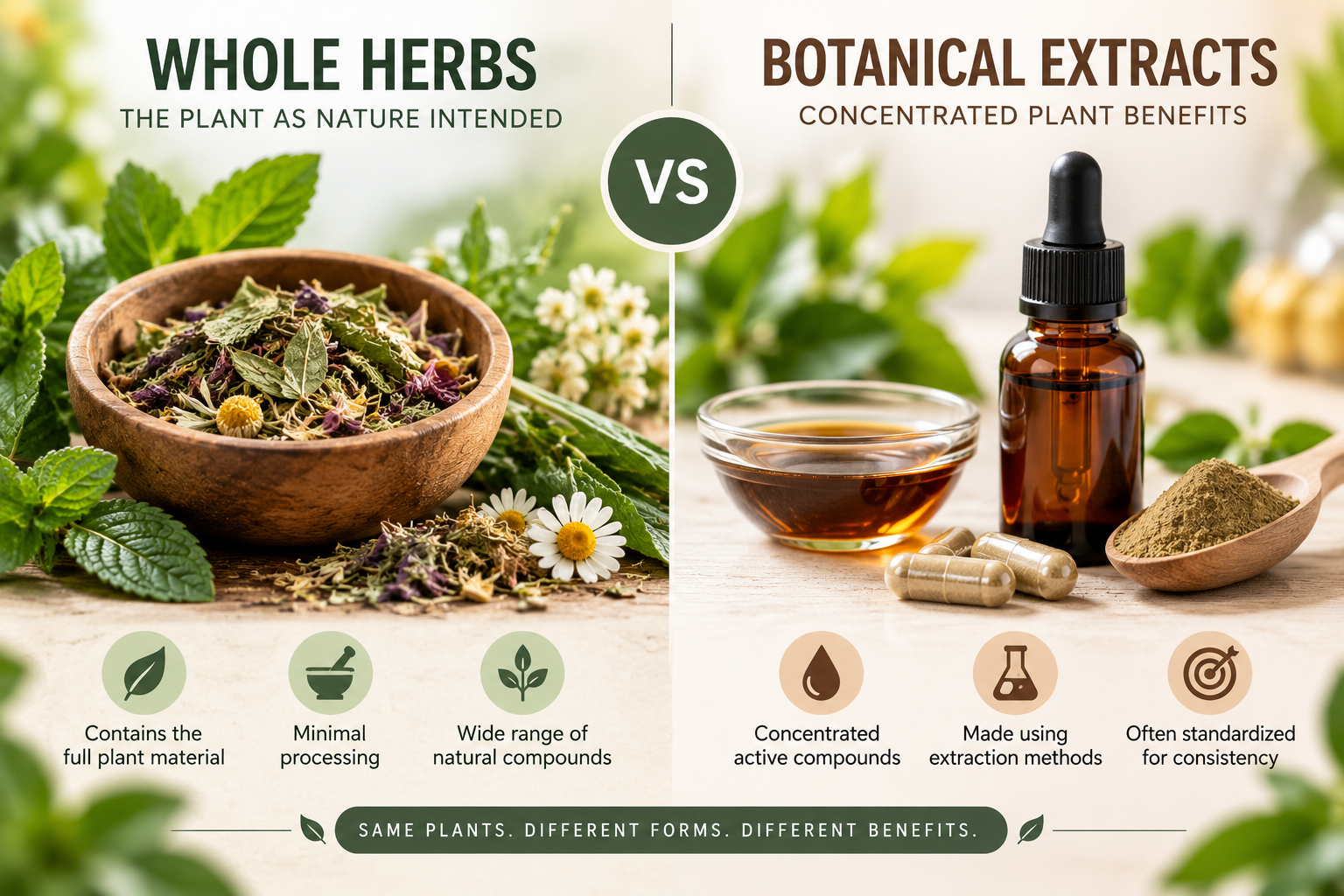
How Botanical Extracts Differ From Whole Herbs
Understanding how extracts differ from whole herbs can make it easier to interpret supplement labels, compare products, and evaluate claims about herbal ingredients.
Read article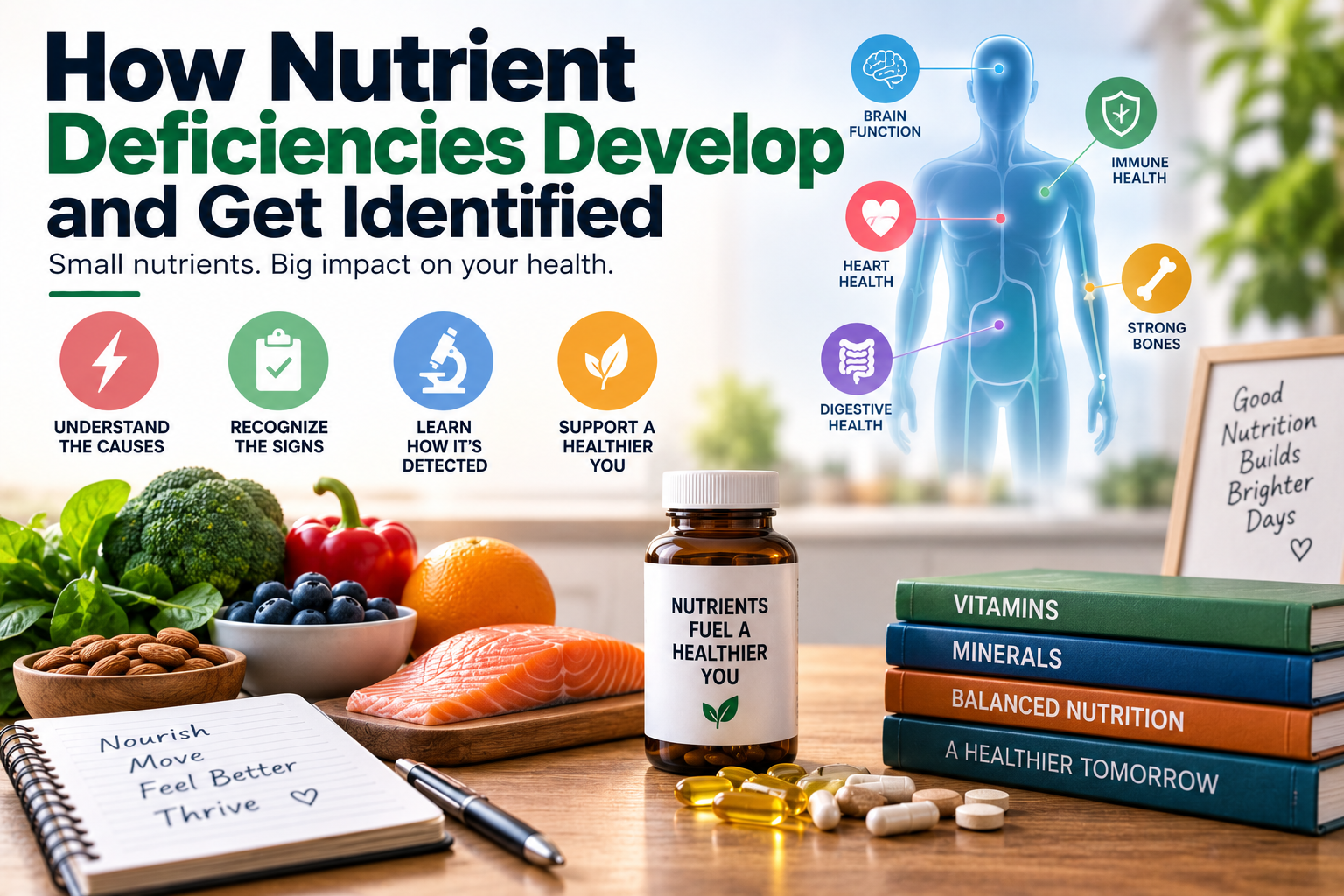
How Nutrient Deficiencies Develop and Get Identified
Understanding how nutrient deficiencies develop—and how healthcare professionals identify them—can make it easier to recognize potential problems before they become more serious.
Read article
What Is the Difference Between Water-Soluble and Fat-Soluble Vitamins
Understanding this basic distinction can make it easier to interpret nutrition information, evaluate supplements, and make informed decisions about dietary intake.
Read article

Join 10,000+ Readers Building Healthier Habits
Get actionable wellness tips every week plus our newest articles delivered straight to your inbox.