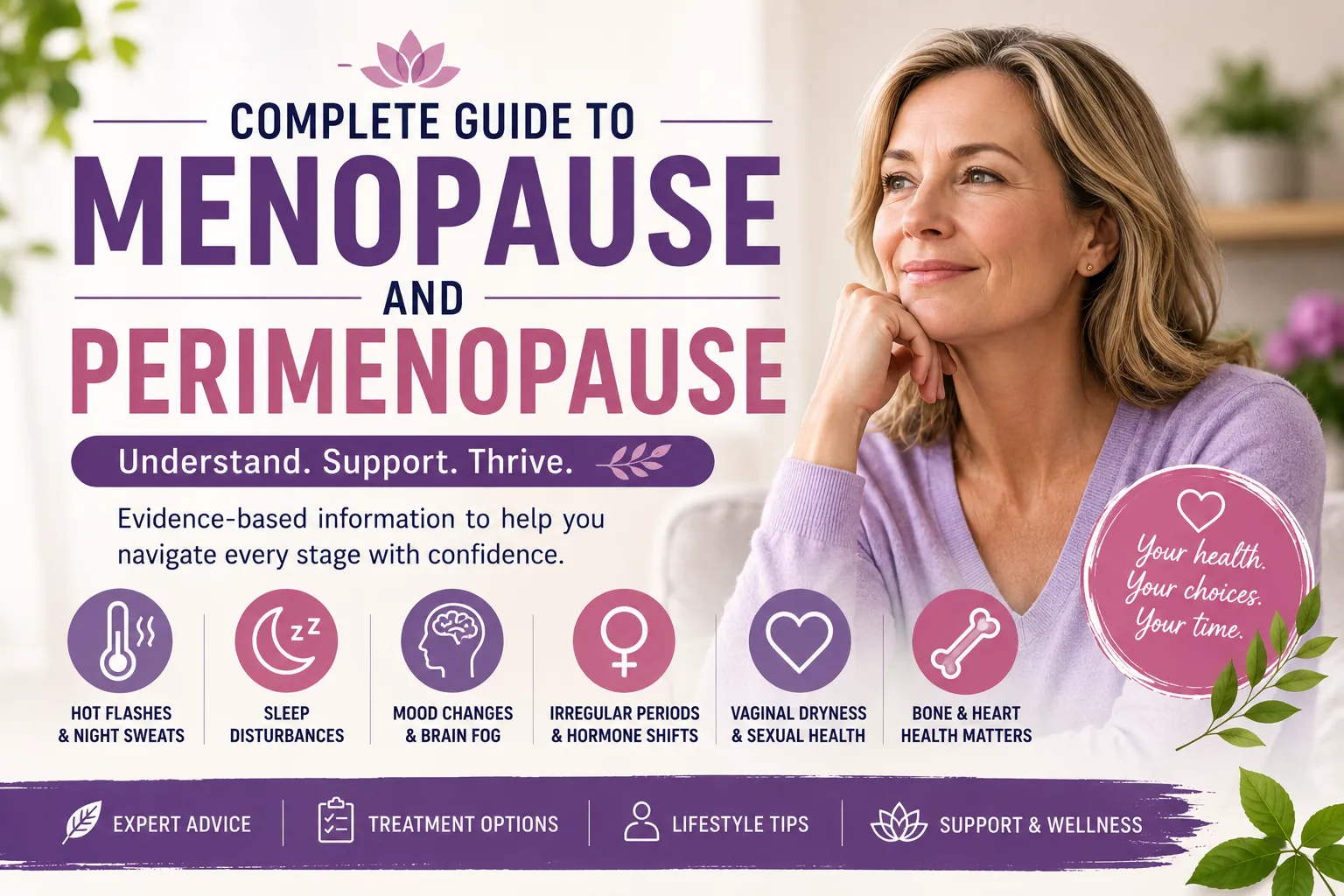

Complete Guide to Menopause and Perimenopause
Menopause is a normal stage of life, but the transition can bring physical, emotional and sexual changes that affect everyday life. For some people, symptoms are mild and short-lived. For others, hot flashes, sleep problems, mood changes, vaginal symptoms and irregular periods can significantly affect work, relationships and overall well-being.
Understanding the difference between perimenopause and menopause is an important first step. Perimenopause is the transition leading up to menopause, while menopause itself is defined by the permanent end of menstrual periods.
The transition is highly individual. Symptoms can change over time, and not everyone experiences menopause in the same way. Current guidance emphasizes individualized care, informed decisions and treatment based on symptoms, health history and personal preferences.
For a broader overview of how reproductive health changes across different stages of life, see the Complete Guide to Reproductive Health.
What Is Menopause?
Menopause is the point at which menstrual periods permanently stop because ovarian hormone production has declined.
For people who experience natural menopause, it is generally confirmed after 12 consecutive months without a menstrual period, provided another explanation has been excluded. The average age of menopause is around 51 in the United States, although it commonly occurs between the mid-40s and mid-50s.
Menopause is not an illness. It is a biological life transition.
However, the hormonal changes associated with it can produce symptoms that may require treatment or support.
What Is Perimenopause?
Perimenopause is the period leading up to menopause.
During this stage, ovarian hormone levels—particularly estrogen—can fluctuate considerably. Menstrual cycles may become shorter, longer, lighter, heavier or irregular, and periods may occasionally be skipped.
Perimenopause can begin years before the final menstrual period.
It is therefore possible to experience menopause-related symptoms while still having periods.
Perimenopause vs. Menopause
| Perimenopause | Menopause |
|---|---|
| Transition leading up to menopause | Point when periods have permanently stopped |
| Periods may become irregular | No menstrual period for 12 months |
| Hormone levels fluctuate | Ovarian hormone production is substantially reduced |
| Symptoms can occur | Symptoms may continue after the final period |
| Pregnancy may still be possible | Natural pregnancy is no longer possible |
The distinction is important because people in perimenopause can still ovulate and become pregnant.
For more detail on menstrual patterns and what changes during the reproductive years, see the Complete Guide to Menstrual Health and Cycles.
What Causes Menopause?
As the ovaries age, their production of estrogen and other reproductive hormones declines.
This hormonal transition eventually leads to the end of ovulation and menstrual periods.
Menopause can happen naturally, but it can also occur earlier because of:
- Surgery involving the ovaries
- Certain cancer treatments
- Some medical conditions
- Certain medications
- Premature ovarian insufficiency
Menopause occurring before age 45 is considered early menopause, while premature ovarian insufficiency can occur before age 40.
Early or premature menopause deserves particular medical attention because reduced estrogen exposure at a younger age can affect bone and cardiovascular health.
Common Symptoms of Perimenopause and Menopause
Menopause symptoms vary considerably from person to person.
Common symptoms include:
- Hot flashes
- Night sweats
- Irregular periods
- Sleep problems
- Mood changes
- Anxiety
- Low mood
- Vaginal dryness
- Pain during sex
- Reduced sexual desire
- Urinary symptoms
- Headaches
- Joint and muscle aches
- Changes in memory or concentration
- Fatigue
NICE specifically recognizes vasomotor symptoms such as hot flashes and sweats, genitourinary symptoms, mood effects, musculoskeletal symptoms and sexual difficulties among symptoms associated with menopause.
Some people experience only a few symptoms, while others experience many simultaneously.
Hot Flashes and Night Sweats
Hot flashes are among the most recognizable symptoms of menopause.
A person may suddenly experience intense warmth, sweating and flushing, sometimes followed by chills.
Hot flashes can occur during the day or at night. When they happen during sleep, they are commonly referred to as night sweats.
They can interfere with sleep, concentration and quality of life.
Hormone therapy containing estrogen is considered one of the most effective treatments for menopausal hot flashes and night sweats.
For people who cannot or do not want to use hormone therapy, non-hormonal treatments are also available.
Menopause and Sleep
Sleep difficulties are common during the menopause transition.
Night sweats can directly interrupt sleep, while hormonal changes, stress, anxiety and other factors can contribute to insomnia or fragmented sleep.
Poor sleep can then affect:
- Energy
- Concentration
- Mood
- Work performance
- Appetite
- Overall quality of life
Treating the underlying symptoms, improving sleep habits and addressing anxiety or mood problems can all be part of a broader approach.
Menopause-specific cognitive behavioural therapy may also be considered for certain symptoms, including vasomotor symptoms, according to current NICE guidance.
Menopause and Mood Changes
Some people experience changes in mood during perimenopause and menopause.
These can include:
- Irritability
- Anxiety
- Low mood
- Reduced motivation
- Emotional changes
Hormonal changes are not necessarily the only explanation. Poor sleep, stressful life circumstances and other health conditions can contribute as well.
Persistent depression should not simply be dismissed as “just menopause.”
If low mood, anxiety or other emotional symptoms are severe, persistent or interfering with daily life, professional assessment is appropriate.
Brain Fog and Memory Changes
Many people report difficulty concentrating, forgetfulness or a feeling commonly described as “brain fog” during the menopause transition.
These experiences can be frustrating, particularly when they affect work or daily responsibilities.
Sleep disruption, stress and mood changes can also affect concentration and memory.
A new, severe or rapidly worsening cognitive problem should not automatically be attributed to menopause. Other causes may need to be considered.
Vaginal Dryness and Genitourinary Symptoms
Declining estrogen can affect tissues in and around the vagina and urinary tract.
Symptoms may include:
- Vaginal dryness
- Burning
- Irritation
- Pain during sex
- Reduced lubrication
- Urinary discomfort
- Increased urinary symptoms
These symptoms can continue after menopause rather than disappearing when hot flashes stop.
Treatment can include non-hormonal lubricants and moisturizers. Local vaginal estrogen is another option for appropriate patients and can directly treat vaginal symptoms.
People experiencing persistent symptoms should discuss treatment options with a healthcare professional.
Menopause and Sexual Health
Changes in sexual desire and comfort are common topics during menopause but are often under-discussed.
Reduced estrogen can contribute to vaginal dryness and painful sex, while sleep problems, mood changes, relationship factors and changes in body image can also affect sexual desire.
There is no single “normal” level of sexual desire during menopause.
For vaginal dryness, water-based lubricants and other vaginal treatments can help some people.
If low libido or painful sex is affecting quality of life, discussing the issue with a healthcare professional can help identify appropriate options.
Menopause is also one part of the wider picture of reproductive health, which can include contraception, fertility, sexual health and pregnancy-related care.
Can You Still Get Pregnant During Perimenopause?
Yes.
Perimenopause does not mean that pregnancy is impossible.
Ovulation can still occur even when periods become irregular. Anyone who does not want to become pregnant should therefore continue using appropriate contraception until menopause has been established according to medical guidance.
Natural menopause is generally confirmed after 12 months without menstruation, although hormonal contraception can make this assessment more complicated.
For a broader look at fertility and the factors that can affect reproductive potential, see Understanding Fertility for Women and Men.
How Is Menopause Diagnosed?
For many people aged 45 or older, menopause and perimenopause can be identified based on symptoms and changes in menstrual cycles rather than routine hormone testing.
NICE recommends against using several laboratory and imaging tests—including estradiol, anti-Müllerian hormone and ovarian imaging—to identify perimenopause or menopause in people aged 45 and older.
FSH testing may be considered in certain younger people, including some people aged 40–45 with menopause-associated symptoms and people under 40 when premature ovarian insufficiency is suspected.
Hormone testing can also be difficult to interpret during perimenopause because hormone levels fluctuate.
ACOG similarly notes that routine hormone testing is generally not recommended before starting hormone therapy for typical menopausal symptoms.
Lifestyle Approaches During Menopause
Lifestyle changes cannot prevent menopause, but they can support overall health and may help some symptoms.
Useful habits include:
Regular Physical Activity
Exercise can support cardiovascular health, muscle strength, balance and bone health.
Combining aerobic activity with resistance or strength training can be particularly useful as people age.
A Balanced Diet
A varied diet containing vegetables, fruits, whole grains, legumes, protein-rich foods and healthy fats supports general health.
Calcium and vitamin D are particularly important for maintaining bone health.
Maintaining Healthy Sleep Habits
A consistent sleep schedule, a comfortable bedroom environment and limiting factors that interfere with sleep can help.
If night sweats or insomnia persist, treating the underlying problem may be more effective than relying solely on sleep-hygiene changes.
Avoiding Tobacco
Smoking is associated with numerous health risks and can also contribute to earlier menopause.
Stopping smoking is beneficial at any stage of life.
Limiting Alcohol
Alcohol can affect sleep and may trigger hot flashes for some people.
Reducing intake may therefore be useful for people who notice a connection between alcohol and their symptoms.
What Is Hormone Replacement Therapy?
Hormone replacement therapy, commonly called HRT, provides hormones to relieve symptoms associated with menopause.
Estrogen is the primary hormone used.
For someone who still has a uterus, estrogen is generally combined with a progestogen to protect the uterine lining. People who have had a total hysterectomy are generally offered estrogen-only HRT.
HRT can be delivered in different ways, including:
- Tablets
- Skin patches
- Gels
- Sprays
- Vaginal creams
- Vaginal tablets
- Vaginal rings
The appropriate form depends on symptoms, medical history, preferences and other factors.
What Are the Benefits of HRT?
Systemic hormone therapy is particularly effective for vasomotor symptoms such as hot flashes and night sweats.
It can also help with vaginal symptoms, while systemic estrogen helps protect against bone loss during menopause.
However, HRT is not automatically appropriate for everyone.
The decision should consider:
- Age
- Symptoms
- Medical history
- Family history
- Personal risk factors
- Whether the uterus is present
- Previous cancers
- History of blood clots
- Cardiovascular history
- Personal preferences
NICE emphasizes individualized discussions about the benefits and risks of HRT rather than treating the decision as one-size-fits-all.
What Are the Risks of HRT?
The risks depend on the type of HRT, the person’s age, health history, duration of treatment and other factors.
For example, combined estrogen-progestogen therapy is associated with an increased risk of breast cancer, while estrogen alone can increase the risk of endometrial cancer in people who still have a uterus. Adding progestogen protects the uterine lining.
Systemic hormone therapy is generally not appropriate for some people with a history of conditions such as:
- Certain breast or endometrial cancers
- Blood clots
- Stroke
- Heart attack
- Certain liver conditions
The decision is individualized, and people with relevant medical histories may need specialist input.
What If HRT Is Not Suitable?
HRT is not the only option.
Depending on symptoms and individual circumstances, treatment may include:
- Menopause-specific cognitive behavioural therapy
- Certain non-hormonal medications
- Vaginal moisturizers
- Vaginal lubricants
- Local vaginal estrogen
- Other symptom-specific treatments
NICE currently recommends considering menopause-specific CBT for vasomotor symptoms, including for people who cannot take HRT or prefer not to use it.
For moderate-to-severe vasomotor symptoms when HRT is unsuitable, NICE also recommends fezolinetant as an option under its specific guidance.
Are Herbal Menopause Remedies Effective?
Many herbal products are marketed for menopause symptoms, including products containing black cohosh, red clover and soy-derived compounds.
However, evidence varies, and safety is not always well established.
The NHS notes that there is very little evidence showing how well many herbal and complementary products work for menopause symptoms, and some can interact with medicines or cause significant side effects.
“Natural” should therefore not be interpreted as automatically safe.
Anyone taking prescription medication, managing a chronic illness or considering herbal products during pregnancy should seek appropriate professional advice.
Menopause and Bone Health
Estrogen levels decline significantly around menopause, and bone loss can accelerate during the menopausal transition.
This makes bone health increasingly important.
Helpful measures include:
- Weight-bearing physical activity
- Strength training
- Adequate calcium intake
- Adequate vitamin D
- Avoiding smoking
- Moderating alcohol
- Maintaining appropriate body weight
Systemic estrogen therapy can also help prevent the bone loss associated with menopause.
People with additional osteoporosis risk factors may need individualized assessment.
Menopause and Heart Health
Menopause occurs during a stage of life when cardiovascular risk factors can also become increasingly important.
Healthy eating, physical activity, blood pressure management, avoiding tobacco and maintaining appropriate cholesterol and blood glucose levels are important parts of long-term cardiovascular health.
HRT should not be started solely to prevent cardiovascular disease.
The cardiovascular effects of hormone therapy depend on factors including age, existing health conditions and when treatment begins.
Does Menopause Cause Weight Gain?
Weight changes are common during midlife, but menopause is not the sole explanation.
Age-related changes in muscle mass, physical activity, sleep, diet and body-fat distribution can all influence weight.
Hormone therapy should not be used specifically as a weight-loss treatment. ACOG notes that HRT itself does not cause weight loss, although improving night sweats and sleep may indirectly help some aspects of weight management.
Regular physical activity and a balanced diet remain important.
Menopause Does Not Look the Same for Everyone
One of the most important things to understand about menopause is its variability.
Some people experience frequent hot flashes and severe sleep disruption. Others experience mainly menstrual changes. Some experience significant vaginal or urinary symptoms, while others have few noticeable physical symptoms.
Symptoms can also change over time.
NICE recommends adapting management as symptoms change and tailoring care to the individual.
This means there is no universal menopause checklist that determines exactly what someone should experience.
When Should You Talk to a Doctor?
Consider speaking with a healthcare professional if menopause symptoms:
- Interfere with work or daily activities
- Disrupt sleep regularly
- Affect mood significantly
- Cause painful sex
- Affect relationships
- Cause persistent urinary or vaginal problems
- Are difficult to manage with lifestyle changes
- Begin unusually early
Medical advice is particularly important when menopause occurs before age 45 or when symptoms occur before age 40.
Postmenopausal Bleeding Should Always Be Checked
One symptom deserves particular attention.
If a person has gone 12 months or more without a period and then experiences vaginal bleeding, it should be medically evaluated—even if the bleeding is light or happens only once.
The NHS notes that postmenopausal bleeding is not usually caused by something serious, but it can sometimes be a sign of cancer, making prompt assessment important.
This should not be assumed to be a normal part of menopause.
Questions to Ask at a Menopause Appointment
Going into an appointment with specific questions can make the discussion more productive.
Useful questions include:
- Could my symptoms be related to perimenopause?
- Do I need any tests?
- What treatment options are available?
- Would HRT be appropriate for me?
- What are my individual risks?
- Which form of HRT would make sense?
- What non-hormonal options are available?
- How can I protect my bone health?
- Could another condition be causing these symptoms?
- How should I monitor changes over time?
Menopause care works best as a shared decision between the patient and healthcare professional.
Making Menopause Easier to Manage
Menopause is not something that needs to be endured without support.
For some people, lifestyle changes provide enough help. Others benefit from HRT, non-hormonal medication, CBT, vaginal treatments or a combination of approaches.
The most appropriate option depends on symptoms and individual circumstances.
Current guidance increasingly emphasizes informed, individualized care rather than a single treatment strategy for everyone.
Understanding what is happening in the body can also make the transition less confusing. Irregular periods, hot flashes, sleep problems, mood changes and vaginal symptoms can all occur during the menopausal transition, but they do not have to be accepted as something that cannot be treated.
Understanding the Menopause Transition
Perimenopause and menopause are normal stages of reproductive aging, but normal does not mean that troublesome symptoms should simply be ignored.
The transition can affect menstrual cycles, temperature regulation, sleep, mood, sexual health, bones and everyday quality of life. Fortunately, a range of evidence-based options exists.
The most useful approach is to look beyond the label of “menopause” and consider the specific symptoms, health risks and goals of the individual. For some people that means lifestyle changes; for others, medical treatment may offer substantial relief.
Anyone experiencing persistent, severe or unusual symptoms should seek professional assessment rather than assuming menopause is responsible for everything. And when considering hormone therapy or supplements, an individualized discussion of benefits, risks and alternatives is far safer than relying on generalized advice from the internet.
Health disclaimer: This article is for general educational purposes and is not a substitute for medical diagnosis or individualized treatment. Menopause treatment should be discussed with a qualified healthcare professional, particularly when symptoms are severe, menopause occurs unusually early, or there is a history of cancer, blood clots, stroke, heart disease or liver disease.
Continue Reading
Similar Posts

How Communication Supports Sexual Health
Whether people are discussing contraception, sexual preferences, STI testing, fertility, consent, or changes in their health, clear communication can play an important role in making sexual relationships safer and healthier.
Read article
Why Health History Matters for Women
For women, keeping an accurate health history can be especially valuable because health needs can change significantly throughout different stages of life.
Read article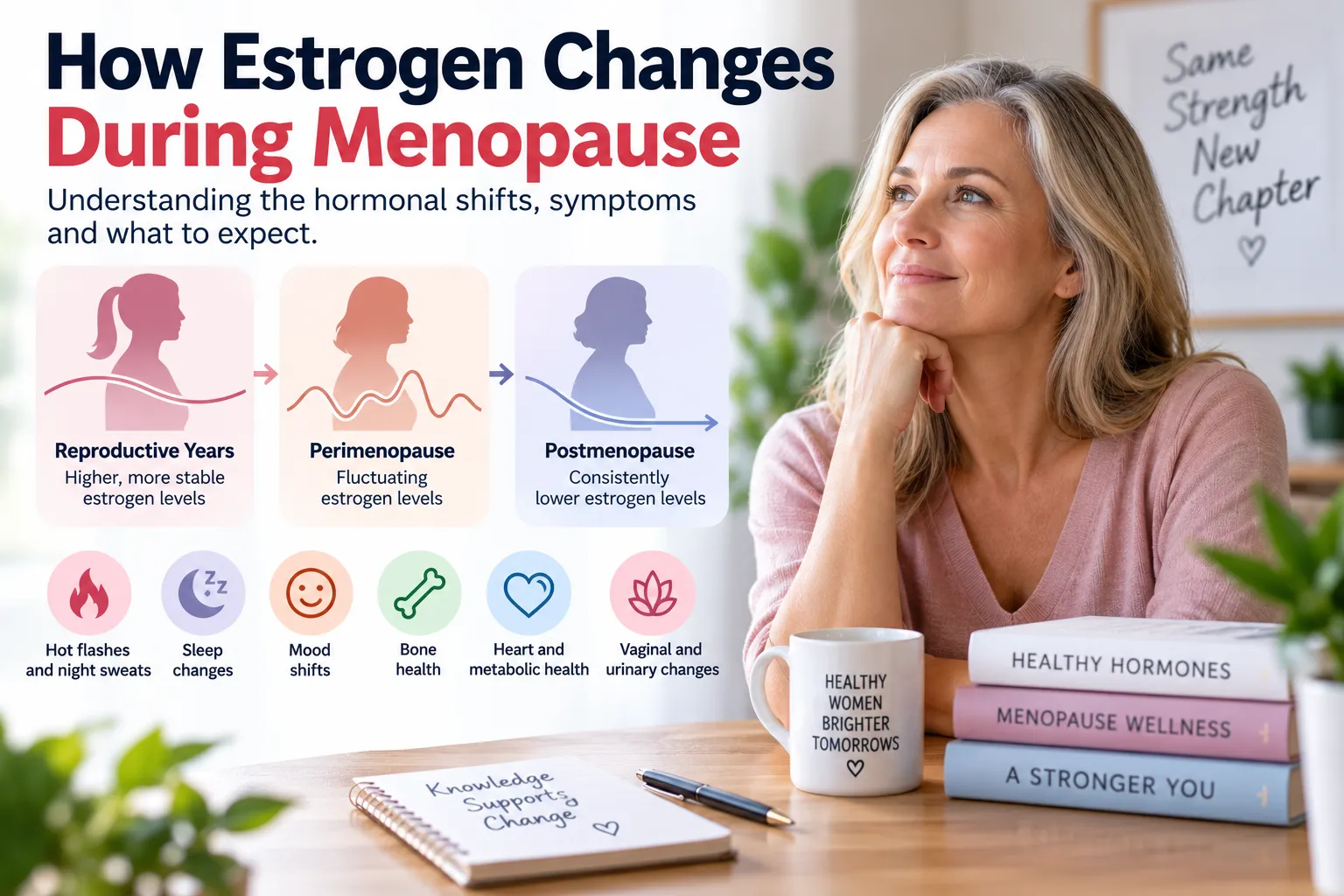
How Estrogen Changes During Menopause
Understanding how estrogen changes can make many of the physical and emotional changes associated with this stage of life easier to recognize and discuss with a healthcare professional.
Read article

Join 10,000+ Readers Building Healthier Habits
Get actionable wellness tips every week plus our newest articles delivered straight to your inbox.