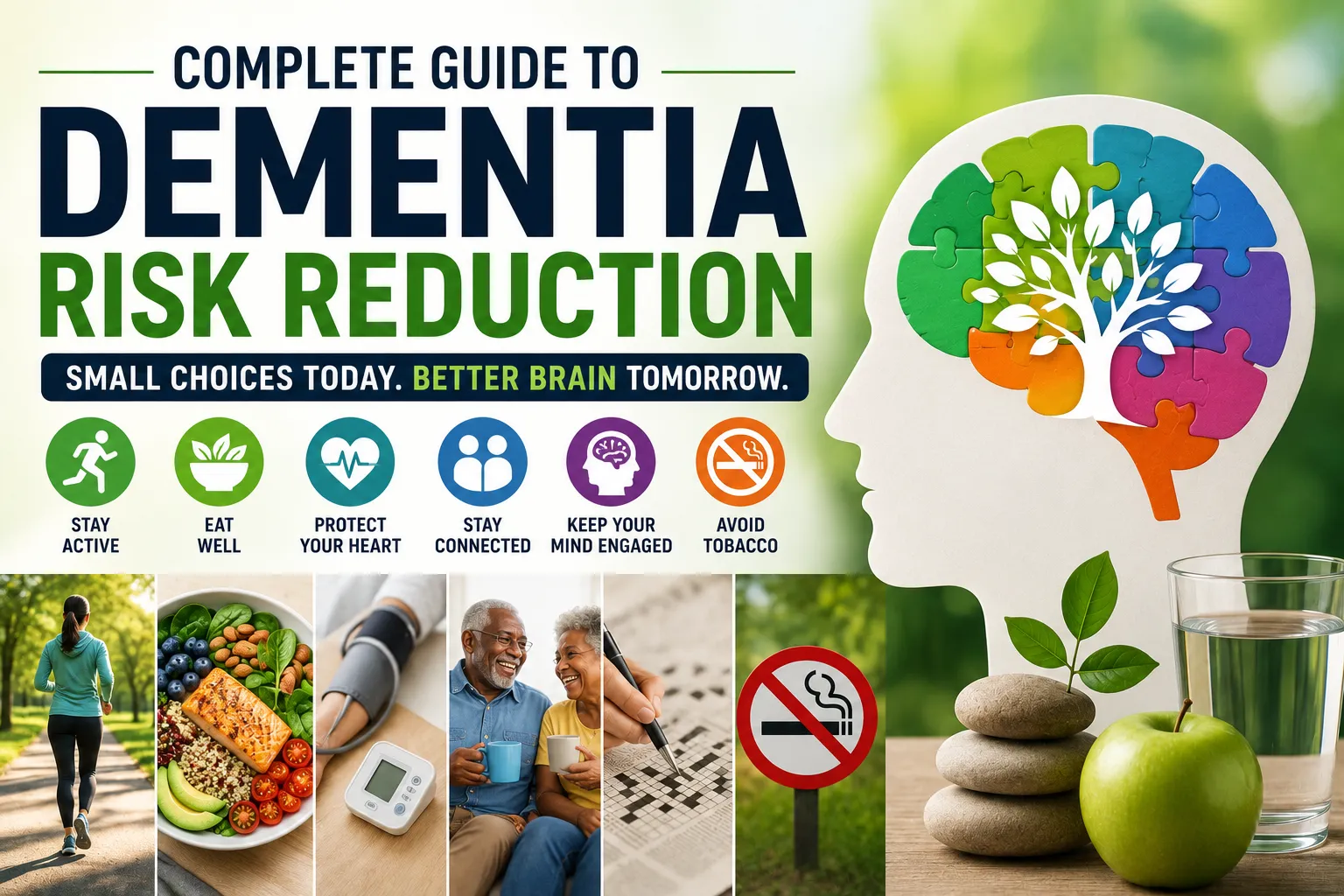

Complete Guide to Dementia Risk Reduction
Dementia is one of the most important health challenges associated with ageing, but it is not an inevitable part of getting older.
The term dementia describes a group of conditions that affect memory, thinking, behavior and the ability to perform everyday activities. Alzheimer’s disease is the most common cause, but dementia can result from several different diseases and forms of brain damage. More than 57 million people worldwide are currently living with dementia, according to the World Health Organization (WHO).
In July 2026, WHO released its updated dementia risk-reduction guidelines, reporting that as much as 45% of dementia risk could potentially be prevented or delayed by addressing modifiable risk factors. This figure represents population-level potential, not a guarantee that an individual can prevent dementia by making lifestyle changes.
The message is encouraging: brain health is influenced by many of the same things that protect the heart and blood vessels.
For a broader understanding of conditions that affect health and the ways prevention can reduce long-term risks, see our complete guide to common health conditions.
Here is what the evidence says about reducing dementia risk—and what people can realistically do.
Medical disclaimer: This article is for general education and is not a diagnosis or personalized medical advice. If you have memory changes, neurological symptoms, cardiovascular risk factors or concerns about dementia, speak with a qualified healthcare professional.
What Is Dementia?
Dementia is not one specific disease.
It is a clinical syndrome caused by diseases or other processes that damage brain cells and interfere with cognitive function.
Depending on the underlying cause, dementia can affect:
- Memory
- Reasoning
- Language
- Attention
- Judgment
- Movement
- Behavior
- Mood
- Ability to perform daily activities
Alzheimer’s disease is the most common cause, but other forms include vascular dementia, dementia with Lewy bodies and frontotemporal dementia.
Some people have more than one type of brain pathology at the same time.
For a broader overview of neurological conditions and how they affect the body, see our guide to protecting neurological health and reducing brain disease risk.
Is Dementia a Normal Part of Aging?
No.
Dementia becomes more common as people get older, but normal ageing and dementia are different.
It is normal for some aspects of memory and processing speed to change with age. Dementia involves more significant cognitive impairment that interferes with daily life.
WHO emphasizes that dementia is not an inevitable consequence of ageing, even though age remains the strongest known risk factor.
Can Dementia Be Prevented?
There is currently no guaranteed method of preventing Alzheimer’s disease or every other form of dementia.
Genetics, ageing and other factors can influence risk even when someone follows a healthy lifestyle.
However, prevention research has identified a substantial number of potentially modifiable risk factors.
WHO’s updated 2026 guidelines recommend interventions involving physical activity, tobacco cessation, healthier diets, reduced harmful alcohol use, management of hypertension, diabetes and high cholesterol, hearing support, cognitive and social engagement, and reducing exposure to air pollution.
The goal is therefore better described as risk reduction, not guaranteed prevention.
The 14 Modifiable Risk Factors
The 2024 Lancet Commission identified 14 potentially modifiable dementia risk factors across different stages of life:
- Less education in early life
- Hearing loss
- High LDL cholesterol
- Depression
- Traumatic brain injury
- Physical inactivity
- Diabetes
- Smoking
- Hypertension
- Obesity
- Excessive alcohol consumption
- Social isolation
- Air pollution
- Untreated vision loss
Together, the commission estimated that addressing these factors could theoretically prevent or delay a substantial proportion of dementia cases. Subsequent research has continued to examine how well these factors predict dementia across different populations, highlighting that the exact contribution varies by setting and individual.
This list shouldn’t be interpreted as a personal checklist guaranteeing protection.
Instead, it provides a useful map of areas where prevention efforts may have the greatest potential.
1. Keep Blood Pressure Under Control
High blood pressure, particularly during midlife, is an important dementia risk factor.
It can damage blood vessels and contribute to stroke and other forms of vascular injury that affect the brain.
The National Institute on Aging notes that high blood pressure in midlife is associated with increased risk of later cognitive decline.
WHO also recommends managing hypertension as part of dementia risk reduction.
For a more detailed explanation of hypertension, including why it matters for long-term health, see our complete guide to high blood pressure.
What You Can Do
- Have your blood pressure checked regularly.
- Follow prescribed treatment if you have hypertension.
- Reduce excessive dietary salt.
- Stay physically active.
- Maintain a healthy weight where appropriate.
- Avoid tobacco.
- Limit harmful alcohol use.
- Follow your healthcare professional’s recommendations.
Importantly, high blood pressure often produces no obvious symptoms.
You cannot reliably tell whether your blood pressure is high simply by how you feel.
2. Protect Your Heart to Protect Your Brain
The relationship between cardiovascular health and brain health is one of the strongest themes in dementia prevention research.
Conditions such as:
- Hypertension
- Diabetes
- High cholesterol
- Obesity
- Stroke
- Cardiovascular disease
can affect the blood vessels and metabolic systems that support the brain.
WHO describes dementia risk reduction as closely connected to managing these noncommunicable diseases.
For a broader look at how cardiovascular risk factors can be addressed through lifestyle and preventive care, see our heart disease prevention guide.
A practical rule is:
What is good for your cardiovascular system is often good for your brain.
That doesn’t mean heart disease and dementia are the same condition.
It means they share several important risk pathways.
3. Manage Cholesterol
High LDL cholesterol was added to the 2024 Lancet Commission’s list of potentially modifiable dementia risk factors.
LDL cholesterol contributes to atherosclerosis and cardiovascular disease, which can affect blood vessels supplying the brain.
If your healthcare professional recommends cholesterol testing, take the results seriously.
Depending on your overall cardiovascular risk, management may involve:
- Dietary changes
- Physical activity
- Weight management
- Medication
- Treatment of other cardiovascular risk factors
Don’t start or stop cholesterol medication specifically to prevent dementia without discussing the decision with your clinician.
4. Control Blood Sugar and Diabetes
Diabetes is another established risk factor associated with dementia.
Persistently elevated blood glucose can affect blood vessels and other systems involved in brain health.
WHO includes diabetes management among its dementia risk-reduction recommendations.
If you have diabetes, work with your healthcare team to manage:
- Blood glucose
- Blood pressure
- Cholesterol
- Weight
- Physical activity
- Diet
The objective isn’t simply to avoid dementia.
Good diabetes management can also reduce the risk of kidney disease, cardiovascular disease, vision problems and other complications.
5. Don’t Smoke
Smoking is harmful to cardiovascular and overall health and is associated with increased dementia risk.
Tobacco smoke can contribute to:
- Vascular damage
- Stroke
- Inflammation
- Oxidative stress
- Cardiovascular disease
WHO recommends not smoking as part of dementia risk reduction.
If you smoke, quitting can benefit your health at any age.
And if you’ve smoked for many years, quitting is still worthwhile.
6. Limit Harmful Alcohol Use
Alcohol consumption has a complicated relationship with health.
The evidence doesn’t support the idea that drinking alcohol is necessary for brain protection.
Heavy alcohol use can increase the risk of:
- Brain injury
- Stroke
- High blood pressure
- Liver disease
- Certain cancers
- Cognitive problems
WHO’s updated guidance recommends reducing harmful alcohol consumption as part of dementia risk reduction.
You shouldn’t start drinking alcohol for the purpose of preventing dementia.
7. Stay Physically Active
Physical activity is one of the most consistently recommended lifestyle measures for healthy ageing.
Regular activity can improve:
- Cardiovascular fitness
- Blood pressure
- Blood glucose regulation
- Weight management
- Balance
- Muscle strength
- Mood
- Physical independence
Research also links physical activity with lower risk of dementia, although scientists continue to study exactly how much activity is optimal and how much of the association is causal.
How Much Exercise Do You Need?
For general adult health, WHO and other public-health guidance commonly recommend at least 150 minutes of moderate-intensity aerobic activity per week, or an equivalent amount of vigorous activity, alongside muscle-strengthening activities.
The National Institute on Aging also highlights 150 minutes of weekly physical activity as a useful target for adults.
Examples include:
- Brisk walking
- Cycling
- Swimming
- Dancing
- Gardening
- Jogging
- Active household work
You don’t have to become a marathon runner.
Consistency matters.
Walking Counts
Walking is one of the simplest ways to become more active.
You can:
- Walk to nearby destinations
- Take regular evening walks
- Use stairs when appropriate
- Walk during phone calls
- Garden
- Take short activity breaks during the workday
If you’re currently inactive, starting with manageable amounts and gradually increasing activity can be more realistic than attempting an intense exercise program immediately.
Add Strength Training
Aerobic exercise isn’t the only type of movement that matters.
Strength training can help maintain:
- Muscle mass
- Strength
- Balance
- Physical independence
It can also support healthy ageing more broadly.
Options include:
- Resistance bands
- Free weights
- Weight machines
- Bodyweight exercises
- Supervised strength programs
People with medical conditions or significant mobility limitations should ask a healthcare professional about the safest way to begin.
8. Maintain a Healthy Weight
Obesity, particularly during midlife, is associated with dementia risk.
Excess body weight can contribute to:
- Hypertension
- Diabetes
- Cardiovascular disease
- Sleep problems
- Inflammation
WHO includes maintaining a healthy weight among important dementia risk-reduction strategies.
But weight is only one part of health.
Avoid extreme diets or rapid weight-loss strategies solely because you are worried about dementia.
The broader objective is sustainable health.
9. Eat a Brain-Healthy Diet
There is no single food that prevents dementia.
Instead, research generally points toward dietary patterns rich in nutritious foods.
A brain-supportive eating pattern can emphasize:
- Vegetables
- Fruits
- Whole grains
- Beans
- Lentils
- Nuts
- Seeds
- Fish
- Healthy unsaturated fats
It can also limit excessive:
- Added sugars
- Sodium
- Highly processed foods
- Saturated fats
- Alcohol
WHO recommends a healthy, balanced diet as part of dementia risk reduction.
What Is the Mediterranean Diet?
The Mediterranean diet is frequently studied in relation to cardiovascular and cognitive health.
It emphasizes foods such as:
- Vegetables
- Fruits
- Whole grains
- Legumes
- Nuts
- Seeds
- Olive oil
- Fish
while generally limiting large quantities of red and processed meat and highly processed foods.
You don’t have to eat exactly like someone living in the Mediterranean to benefit from the underlying principles.
Local foods can provide the same broad nutritional pattern.
Local Foods Can Support Brain Health
A brain-healthy diet doesn’t require expensive imported “superfoods.”
Depending on where you live, nutritious choices may include:
- Beans
- Lentils
- Green leafy vegetables
- Maize
- Whole grains
- Sweet potatoes
- Avocado
- Groundnuts
- Seeds
- Eggs
- Fish
- Seasonal fruits
The goal is dietary quality and variety—not a particular brand or exotic ingredient.
10. Protect Your Hearing
Hearing loss is now recognized as an important potentially modifiable dementia risk factor.
Hearing loss can contribute to:
- Social withdrawal
- Communication difficulties
- Reduced engagement
- Increased cognitive demands during conversation
The relationship between hearing loss and dementia is complex, and researchers continue to investigate the mechanisms involved.
Still, WHO’s updated recommendations include hearing support as part of dementia risk reduction.
Get Hearing Problems Checked
If you notice:
- Difficulty following conversations
- Frequently asking people to repeat themselves
- Turning the television volume higher
- Difficulty hearing in noisy environments
- Ringing in the ears alongside hearing difficulties
consider a hearing evaluation.
If hearing aids are recommended, using them consistently may improve communication and participation in daily life.
Protect Your Hearing Before Problems Start
Noise-related hearing loss is often preventable.
NIA recommends reducing exposure to loud sounds, moving away from intense noise and using appropriate hearing protection.
Consider hearing protection around:
- Loud machinery
- Construction equipment
- Firearms
- Concerts
- Very loud headphones
- Industrial workplaces
Protecting hearing is part of protecting long-term quality of life.
11. Don’t Ignore Vision Loss
The 2024 Lancet Commission added untreated vision impairment as a potentially modifiable dementia risk factor.
Vision problems can make it harder to:
- Read
- Move safely
- Participate socially
- Perform mentally stimulating activities
- Remain independent
WHO’s updated dementia guidance also includes vision as part of risk reduction.
Regular eye examinations can help identify treatable problems.
Depending on the cause, treatment may involve:
- Glasses
- Cataract surgery
- Medication
- Other medical or surgical treatment
12. Stay Socially Connected
Social isolation is associated with dementia risk.
Humans are social beings, and maintaining relationships can provide:
- Conversation
- Emotional support
- Mental stimulation
- Practical support
- A sense of purpose
WHO includes social engagement among strategies for cognitive health and dementia risk reduction.
Social connection doesn’t have to mean attending large events.
It can be:
- Calling a friend
- Visiting relatives
- Joining a community group
- Volunteering
- Participating in religious or cultural activities
- Taking a class
- Exercising with others
Social Isolation Is Different From Enjoying Time Alone
Being alone isn’t automatically unhealthy.
Some people enjoy solitude and still maintain strong relationships.
The concern is persistent social isolation or loneliness, particularly when someone lacks meaningful social interaction or support.
The goal isn’t to force constant social activity.
It’s to maintain meaningful connections.
13. Keep Your Mind Engaged
Cognitive activity may help build or maintain cognitive reserve—the brain’s ability to cope with age-related changes or pathology.
Useful activities can include:
- Reading
- Learning a language
- Playing music
- Writing
- Puzzles
- Board games
- Studying
- Crafting
- Learning new technology
- Taking classes
WHO’s 2026 guidance recommends cognitive training and cognitive stimulation or engagement in social activities for appropriate adults, including people with normal cognition or mild cognitive impairment.
Brain Games Aren’t a Magic Shield
Commercial “brain training” products often make ambitious claims.
Evidence suggests that practicing a particular cognitive task can improve performance on that task, but that doesn’t necessarily mean it will prevent dementia.
NIA cautions consumers about unproven products marketed as memory enhancers or dementia-prevention treatments.
A better strategy is to maintain a broad range of mentally stimulating activities.
14. Keep Learning Throughout Life
Education is one of the life-course factors associated with dementia risk.
The relationship doesn’t mean that formal education alone determines whether someone will develop dementia.
Rather, education may contribute to cognitive reserve and influence lifelong opportunities for learning and social participation.
And learning doesn’t stop after school.
You can continue challenging your brain through:
- Professional development
- Hobbies
- Reading
- Languages
- Music
- Technology
- Creative activities
15. Prevent Head Injuries
Traumatic brain injury is a potentially modifiable dementia risk factor.
Preventing head injuries therefore matters for brain health.
Practical measures include:
- Wearing a helmet when appropriate
- Using seat belts
- Making homes safer
- Reducing fall hazards
- Using protective equipment during high-risk activities
- Avoiding impaired driving
Head injuries can have immediate consequences, but some may also have long-term effects.
Prevent Falls as You Age
Falls become increasingly important with age.
Risk can be reduced through:
- Strength training
- Balance exercises
- Adequate lighting
- Removing loose rugs
- Installing handrails
- Wearing appropriate footwear
- Reviewing medications with a healthcare professional when necessary
- Checking vision
Preventing falls can help prevent the head injuries that sometimes accompany them.
16. Take Depression Seriously
Depression is associated with increased dementia risk, although the relationship is complicated.
Depressive symptoms can sometimes be an early manifestation of brain disease rather than an independent cause.
Regardless, untreated depression can significantly affect:
- Sleep
- Social engagement
- Physical activity
- Appetite
- Concentration
- Quality of life
Seeking appropriate treatment is therefore valuable for mental health whether or not it ultimately changes dementia risk.
17. Get Enough Sleep
Sleep and brain health are closely connected.
Poor sleep can be associated with:
- Depression
- Cardiovascular problems
- Metabolic disease
- Cognitive difficulties
Sleep disorders such as obstructive sleep apnea can also affect daytime alertness and cognitive function.
If you regularly:
- Snore loudly
- Stop breathing during sleep
- Wake gasping
- Feel excessively sleepy during the day
- Wake repeatedly throughout the night
talk to a healthcare professional.
Don’t assume chronic poor sleep is simply part of getting older.
18. Reduce Exposure to Air Pollution
Air pollution is increasingly recognized as a potential contributor to dementia risk.
WHO’s 2026 guidelines include reducing exposure to air pollution among recommended risk-reduction strategies.
Exposure can come from:
- Traffic
- Industrial pollution
- Household smoke
- Burning fuels
- Wildfires
- Other environmental sources
Individual options vary by location.
Practical measures can include improving indoor ventilation when appropriate, reducing exposure during periods of severe outdoor pollution and following local air-quality guidance.
Household Air Pollution Matters Too
In some communities, cooking or heating with polluting fuels can produce substantial indoor air pollution.
Where feasible, cleaner cooking and heating technologies can reduce exposure.
This is not only a dementia consideration.
Reducing household air pollution can benefit respiratory and cardiovascular health as well.
19. Don’t Ignore Stroke Prevention
Stroke and dementia are closely connected.
A stroke can directly damage brain tissue, while the vascular conditions that cause stroke can also contribute to cognitive decline.
For a more detailed look at reducing stroke risk, see our complete guide to stroke prevention.
Important stroke-risk factors include:
- High blood pressure
- Diabetes
- Smoking
- High cholesterol
- Physical inactivity
- Obesity
- Excessive alcohol use
Managing these factors can therefore support both cardiovascular and brain health.
20. Maintain a Healthy Cardiometabolic Profile
Think beyond individual numbers.
Brain health is influenced by the combined effect of:
- Blood pressure
- Blood glucose
- Cholesterol
- Body weight
- Physical activity
- Smoking
- Diet
These factors frequently interact.
For example, an unhealthy diet may contribute to obesity, high blood pressure, high cholesterol and diabetes simultaneously.
Improving one area can sometimes benefit several others.
What About Dementia Supplements?
This is where consumers should be particularly skeptical.
There is no supplement proven to guarantee protection against dementia.
WHO’s updated 2026 guidelines specifically state that vitamins B and E, omega-3 fatty acids and multivitamin/mineral supplements are not recommended for dementia risk reduction in people without a diagnosed deficiency, because evidence doesn’t show sufficient benefit to outweigh potential harms or uncertainty.
That is an important distinction.
If you have a diagnosed nutrient deficiency, treating that deficiency can be appropriate.
But taking large doses of supplements simply because they are marketed as “brain boosters” is a different proposition.
Don’t Confuse “Essential” With “More Is Better”
Vitamins and minerals are essential in appropriate amounts.
That doesn’t mean taking extremely high doses improves health.
Excessive supplementation can cause toxicity or interfere with medications.
For dementia prevention, food quality and management of established health conditions generally deserve far more attention than expensive supplement stacks.
Can Coffee or Tea Prevent Dementia?
Coffee and tea contain biologically active compounds and have been studied in relation to cognitive health.
But evidence is not strong enough to recommend that people start consuming caffeine specifically to prevent dementia.
If you already enjoy coffee or tea, moderate consumption can fit into a healthy lifestyle for many people.
But caffeine isn’t a replacement for:
- Exercise
- Healthy eating
- Blood pressure control
- Sleep
- Social engagement
- Medical care
What About Omega-3 Supplements?
Omega-3 fatty acids are important nutrients, and fish can be part of a healthy diet.
However, taking omega-3 supplements solely to prevent dementia is not currently recommended by WHO in people without a diagnosed deficiency or another medical indication.
Eating nutritious foods is generally preferable to assuming a supplement will reproduce all the benefits of a healthy dietary pattern.
Can Intermittent Fasting Prevent Dementia?
Intermittent fasting and time-restricted eating have attracted significant scientific interest.
There are plausible mechanisms linking metabolic health with brain health, but evidence isn’t sufficient to say that intermittent fasting prevents dementia.
People with diabetes, eating disorders, certain medical conditions or medications that affect blood sugar should be particularly cautious about adopting restrictive eating patterns without medical guidance.
What About Ketogenic Diets?
Ketogenic diets are being studied for neurological and metabolic conditions.
But they are not established as a general dementia-prevention strategy for healthy people.
A restrictive diet can also make it more difficult for some people to obtain adequate fiber and micronutrients.
If you’re considering a ketogenic diet for a medical condition, discuss it with an appropriate healthcare professional.
Can You Prevent Alzheimer’s If It Runs in Your Family?
A family history of Alzheimer’s disease can increase risk, but it doesn’t mean dementia is inevitable.
Genetic factors interact with other biological, lifestyle and environmental influences.
NIA notes that genetics play an important role in Alzheimer’s risk, but the presence or absence of particular genetic variants doesn’t allow doctors to predict with certainty whether an individual will develop the disease.
A family history is therefore a reason to pay attention to overall brain and cardiovascular health—not a reason to give up on prevention.
What About APOE?
APOE is a gene associated with Alzheimer’s risk.
The APOE ε4 variant can increase risk, but carrying it does not mean a person will definitely develop Alzheimer’s.
Likewise, not carrying it doesn’t provide complete protection.
Genetic risk is one part of a much larger picture.
If you’re considering genetic testing for Alzheimer’s risk, discuss the potential benefits, limitations and implications with a qualified healthcare professional or genetic counselor.
When Should You Start Thinking About Dementia Prevention?
Earlier than most people think.
Dementia risk develops over the course of decades.
Some risk factors are particularly important in early or midlife, while others become more relevant later.
WHO emphasizes that dementia risk accumulates across the life course and that different factors can have different effects at different stages.
That means brain-health strategies shouldn’t begin only after memory problems appear.
Dementia Risk Reduction in Your 20s and 30s
At younger ages, focus on establishing healthy foundations:
- Don’t smoke
- Stay physically active
- Eat a varied diet
- Learn continuously
- Protect your hearing
- Prevent head injuries
- Maintain healthy blood pressure
- Build strong social connections
- Get adequate sleep
You don’t need to live like an elderly person to protect your future brain.
You simply need to develop habits that support long-term health.
Dementia Risk Reduction in Midlife
Midlife is an especially important period for managing cardiovascular and metabolic risk.
Pay attention to:
- Blood pressure
- Cholesterol
- Blood sugar
- Weight
- Physical activity
- Smoking
- Alcohol
- Hearing
- Depression
- Sleep
- Social engagement
NIA highlights midlife blood pressure as an important target for cognitive health.
Dementia Risk Reduction After 60
Older age doesn’t mean prevention efforts are pointless.
Continue focusing on:
- Physical activity
- Strength and balance
- Healthy eating
- Blood pressure management
- Diabetes management
- Cholesterol
- Hearing
- Vision
- Social connection
- Cognitive engagement
- Fall prevention
- Sleep
Healthy habits can support independence and quality of life even when dementia risk cannot be completely eliminated.
What If You’re Already Experiencing Memory Problems?
Don’t assume every memory problem is dementia.
Memory and concentration can be affected by:
- Poor sleep
- Depression
- Anxiety
- Medication side effects
- Alcohol
- Vitamin deficiencies
- Thyroid problems
- Infections
- Other medical conditions
Some causes are treatable.
If memory problems are persistent or interfering with daily life, arrange an evaluation rather than trying to diagnose yourself.
NIA emphasizes that identifying the cause of memory problems is important for determining appropriate treatment.
Early Symptoms Worth Discussing With a Doctor
Potential warning signs can include:
- Repeatedly forgetting important recent events
- Getting lost in familiar places
- Difficulty managing finances
- Struggling with familiar tasks
- Significant language problems
- Increasing confusion
- Personality or behavior changes
- Losing the ability to manage everyday activities
One occasional memory lapse doesn’t automatically indicate dementia.
The concern is usually persistent or progressive change that affects daily functioning.
Don’t Rely on Online Dementia Tests
Internet memory quizzes can be entertaining, but they cannot reliably diagnose dementia.
A proper evaluation may involve:
- Medical history
- Medication review
- Cognitive assessment
- Physical examination
- Laboratory tests
- Imaging when appropriate
- Evaluation of mood and sleep
If you’re concerned about your memory, professional assessment is more useful than repeatedly taking online tests.
A Simple Daily Brain-Health Routine
You don’t need an elaborate program.
A realistic routine might include:
Morning
- Eat a nutritious breakfast
- Take prescribed medications
- Get some movement
- Avoid smoking
Daytime
- Stay physically active
- Eat vegetables, fruit and protein
- Drink adequate fluids
- Engage your brain
- Connect with other people
Evening
- Eat a balanced meal
- Reduce unnecessary screen stimulation before bed
- Follow a consistent sleep routine
Throughout the Week
- Exercise regularly
- Strength train
- Check health measurements as recommended
- Maintain social activities
- Make time for learning
Consistency is more important than perfection.
A Weekly Dementia Risk-Reduction Checklist
Use this as a simple reminder:
- Exercise regularly
- Include strength and balance activity
- Eat vegetables and fruit
- Eat whole grains and legumes
- Include healthy sources of protein
- Don’t smoke
- Avoid harmful alcohol use
- Check blood pressure
- Manage cholesterol
- Manage blood sugar
- Maintain a healthy weight
- Protect hearing
- Address vision problems
- Stay socially connected
- Keep learning
- Protect your head
- Prioritize sleep
- Reduce avoidable air-pollution exposure
You don’t need to score 100%.
The purpose is to identify areas where realistic improvements are possible.
Common Dementia Prevention Mistakes
Waiting Until Old Age
Risk factors can accumulate for decades.
Focusing Only on Memory Exercises
Brain health involves cardiovascular, metabolic, physical, social and environmental factors.
Taking Large Doses of Supplements
More vitamins aren’t automatically better.
Ignoring Blood Pressure
Hypertension can exist silently for years.
Avoiding Exercise Because You’re Older
Physical activity remains valuable later in life, with appropriate modifications.
Assuming Genetics Determine Everything
Genes matter, but they are not the only factor.
Believing One Food Can Prevent Dementia
No single food provides guaranteed protection.
Ignoring Hearing and Vision
Sensory health is increasingly recognized as part of cognitive health.
Trying to Prevent Dementia Through Extreme Dieting
Sustainable health behaviors are generally more useful than drastic short-term interventions.
What Science Still Doesn’t Know
Dementia prevention research has made significant progress, but important uncertainties remain.
Scientists are still investigating:
- Exactly how lifestyle factors affect different dementia diseases
- Which interventions provide the largest benefits
- How genetics interact with lifestyle
- Which interventions work best at different ages
- How risk factors interact with one another
- How effective interventions are in different populations
- Whether certain interventions can prevent specific forms of dementia
Recent research has also shown that results from one population don’t always reproduce perfectly in another. A 2025 longitudinal study attempting to replicate the Lancet risk-factor model found that only some factors remained statistically significant in its particular cohort, underscoring the complexity of dementia risk and the limits of population-level estimates.
This doesn’t invalidate prevention research.
It reinforces the importance of treating dementia risk as multifactorial rather than deterministic.
Why the 45% Figure Needs Context
The widely reported figure that up to 45% of dementia cases could potentially be prevented or delayed can sound like an individual prediction.
It isn’t.
The estimate describes the population-level proportion theoretically attributable to a set of modifiable risk factors under specific assumptions.
It does not mean:
“If you exercise, you have a 45% lower personal chance of dementia.”
Nor does it mean:
“Everyone who follows all 14 recommendations will avoid dementia.”
The actual effect for an individual depends on genetics, existing health, age, environment, socioeconomic conditions and many other factors.
WHO itself frames the figure as risk that could potentially be prevented or delayed at the population level.
Dementia Prevention Is Also a Public-Health Issue
Not everyone has equal control over dementia risk.
Factors such as:
- Education
- Income
- Access to healthcare
- Air quality
- Safe places to exercise
- Availability of nutritious food
- Access to hearing and vision care
- Working conditions
can influence health.
WHO therefore emphasizes that dementia risk reduction isn’t solely an individual responsibility. Social and environmental conditions can shape people’s ability to adopt healthy behaviors and access preventive care.
This is particularly important in communities where healthcare resources are limited.
The Most Powerful Approach Is Multifactorial
There is no single “dementia prevention hack.”
The strongest approach is to work on several areas simultaneously:
Move more.
Don’t smoke.
Eat well.
Manage blood pressure.
Control diabetes and cholesterol.
Protect hearing and vision.
Stay socially connected.
Keep learning.
Sleep well.
Prevent head injuries.
Reduce harmful alcohol use.
Limit exposure to air pollution where possible.
This approach also happens to support cardiovascular health, mobility, independence and overall wellbeing.
A Practical Brain-Health Plan
If you want to start today, don’t try to change everything at once.
This Week
Schedule a blood pressure check if you haven’t had one recently.
This Month
Add more physical activity and improve one part of your diet.
Over the Next Few Months
Address smoking, alcohol, cholesterol, blood sugar, weight or sleep issues if they apply to you.
Long Term
Maintain social relationships, keep learning, stay active and attend recommended health screenings.
Small improvements that become permanent habits can be more valuable than dramatic changes that last two weeks.
When to Talk to a Healthcare Professional
Seek professional advice if you:
- Have persistent memory problems
- Have uncontrolled blood pressure
- Have diabetes
- Have high cholesterol
- Have significant hearing or vision loss
- Have depression
- Have repeated falls
- Have experienced a significant head injury
- Have severe sleep problems
- Are considering supplements marketed for dementia prevention
A healthcare professional can help distinguish general risk reduction from treatment that may be appropriate for your particular circumstances.
Building a Healthier Brain for the Long Term
Dementia risk isn’t controlled by a single decision.
Age and genetics matter, and no lifestyle strategy can guarantee that someone will never develop dementia. But the evidence increasingly supports taking practical steps throughout life to protect cardiovascular health, maintain physical activity, address hearing and vision problems, stay socially and mentally engaged, avoid tobacco and harmful alcohol use, and manage conditions such as hypertension, diabetes and high cholesterol.
The most encouraging message is that you don’t have to do everything perfectly to make healthier choices worthwhile.
A daily walk counts.
Treating high blood pressure counts.
Quitting smoking counts.
Getting a hearing test counts.
Learning something new counts.
Maintaining friendships counts.
Choosing a nutritious meal counts.
Taken together, these choices form a long-term strategy for healthier ageing.
The goal isn’t to promise a dementia-free future. It’s to give the brain—and the rest of the body—the best conditions possible for staying healthy, independent and active for as long as possible.
Continue Reading
Similar Posts

How Antibodies Help the Immune System Fight Infection
Understanding how antibodies work provides a clearer picture of why people develop immunity after certain infections or vaccinations and why the immune system can respond more effectively when it encounters a familiar pathogen again.
Read article
What Is the Difference Between Disease and Disorder
Understanding the distinction can make health information easier to interpret and help explain why doctors sometimes use one term rather than the other.
Read article
Why Blood Pressure Matters for Long-Term Health
Understanding why blood pressure matters can make it easier to recognize the importance of routine screening, healthy habits and appropriate treatment.
Read article

Join 10,000+ Readers Building Healthier Habits
Get actionable wellness tips every week plus our newest articles delivered straight to your inbox.