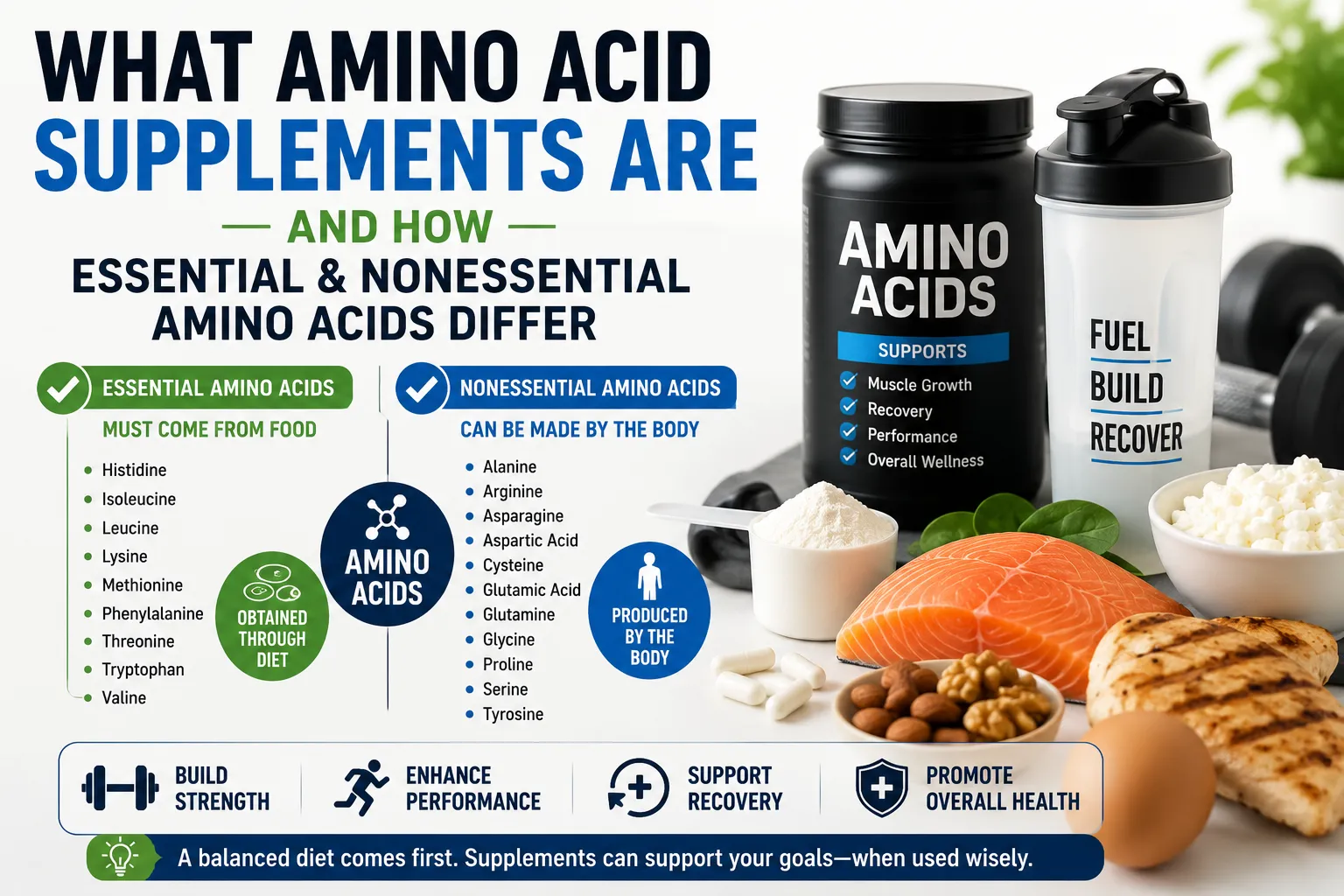

What Amino Acid Supplements Are and How Essential and Nonessential Amino Acids Differ
Amino acids are often described as the building blocks of protein, but their role in the body goes far beyond simply helping build muscle.
They are involved in making proteins, supporting tissue repair, producing enzymes and hormones, and carrying out many other biological processes. The body can make some amino acids itself, while others must come from food. This distinction is the foundation for understanding why some amino acids are called essential and others nonessential.
Amino acid supplements have also become increasingly popular among athletes, fitness enthusiasts, and people interested in nutrition. They are sold as powders, capsules, tablets, drinks, and other products, and may contain individual amino acids, combinations of essential amino acids, or branched-chain amino acids.
But the existence of a supplement does not automatically mean that everyone needs it.
For most people, understanding how amino acids work and getting adequate protein from a varied diet is a more useful starting point than immediately turning to supplements.
What Are Amino Acids?
Amino acids are organic molecules that the body uses to build proteins.
Proteins are large molecules made from chains of amino acids. The sequence in which amino acids are arranged helps determine the structure and function of individual proteins.
The body uses proteins for many purposes, including:
- Building and maintaining muscle
- Repairing tissues
- Supporting skin and other body structures
- Producing enzymes
- Producing certain hormones
- Supporting immune functions
- Transporting substances within the body
- Supporting normal growth and development
When dietary proteins are digested, they are broken down into amino acids and smaller components that the body can use.
Amino acids can also contribute to energy production when needed.
How Many Amino Acids Does the Body Use?
There are 20 amino acids commonly used to construct proteins in the human body.
These amino acids are grouped nutritionally according to whether the body needs to obtain them from food or can manufacture them itself.
The main categories are:
- Essential amino acids
- Nonessential amino acids
- Conditionally essential amino acids
The names can be confusing.
“Nonessential” does not mean unimportant.
It means that the body can normally produce enough of that amino acid under ordinary circumstances.
What Are Essential Amino Acids?
Essential amino acids are amino acids that the human body cannot produce in sufficient amounts on its own.
They therefore need to come from food.
There are nine essential amino acids:
- Histidine
- Isoleucine
- Leucine
- Lysine
- Methionine
- Phenylalanine
- Threonine
- Tryptophan
- Valine
These nutrients are essential because the body needs them but cannot manufacture them in adequate quantities.
They are therefore supplied through protein-containing foods.
What Are Nonessential Amino Acids?
Nonessential amino acids can generally be produced by the body.
The term can be misleading because these amino acids still perform important functions.
Examples include:
- Alanine
- Arginine
- Asparagine
- Aspartic acid
- Cysteine
- Glutamic acid
- Glutamine
- Glycine
- Proline
- Serine
- Tyrosine
The body can synthesize these amino acids through normal metabolic processes, which means they do not have to be supplied directly through food in the same way essential amino acids do.
What Are Conditionally Essential Amino Acids?
There is also a third category.
Some amino acids can normally be produced by the body but may become conditionally essential during certain circumstances.
These situations can include periods of illness, significant physiological stress, or other conditions in which the body’s ability to produce enough of a particular amino acid may not meet its needs.
Amino acids including arginine, cysteine, glutamine, tyrosine, glycine, proline, and serine can be considered conditionally essential in particular circumstances.
This illustrates why the simple division between “essential” and “nonessential” does not capture the entire complexity of amino acid metabolism.
Essential Does Not Mean You Need a Supplement
One of the most important distinctions is that essential amino acids must come from the diet, not necessarily from supplements.
A person can obtain essential amino acids by eating protein-containing foods.
Animal foods such as meat, fish, eggs, and dairy generally contain all nine essential amino acids.
Plant foods also provide amino acids. Different plant proteins can contain different proportions of essential amino acids, which is why eating a varied plant-based diet can help provide the full range needed by the body.
The body does not require people to take an essential-amino-acid capsule simply because the amino acids are classified as essential.
What Are Amino Acid Supplements?
Amino acid supplements provide individual amino acids or combinations of amino acids in concentrated forms.
They may be sold as:
- Capsules
- Tablets
- Powders
- Ready-to-drink beverages
- Packets
- Chewable products
Some contain a single amino acid.
Others contain several essential amino acids.
Some products focus specifically on branched-chain amino acids, commonly abbreviated as BCAAs.
Because dietary supplements can contain amino acids as active ingredients, they fall within the broader category of dietary supplements. The broader complete guide to dietary supplements explains how different types of supplements fit into the larger nutrition and wellness landscape.
What Are BCAAs?
BCAAs are a group of three essential amino acids:
- Leucine
- Isoleucine
- Valine
They are called branched-chain amino acids because of their molecular structure.
BCAAs are commonly marketed toward people interested in exercise and muscle development.
They are also found naturally in protein-containing foods.
The fact that a supplement contains BCAAs does not mean those amino acids are absent from ordinary foods.
Why Leucine Gets So Much Attention
Leucine is one of the essential amino acids and has attracted considerable interest in sports nutrition because of its role in regulating processes involved in muscle protein synthesis.
However, muscle development is not controlled by one amino acid alone.
The body needs an adequate supply of all the amino acids required to construct new proteins.
That is one reason complete protein sources can be useful for supporting muscle protein production.
For more on concentrated protein sources and how they compare with whole-food protein, see protein supplements explained.
Protein Foods Provide More Than Amino Acids
A major advantage of obtaining amino acids through whole foods is that protein-rich foods provide other nutrients as well.
For example, different protein foods can also provide:
- Vitamins
- Minerals
- Essential fatty acids
- Carbohydrates
- Fiber
- Other biologically active compounds
Eggs, fish, dairy products, legumes, nuts, seeds, soy products, meat, and other protein-containing foods each come with their own nutritional characteristics.
A supplement may provide a concentrated dose of particular amino acids but does not necessarily provide the broader nutritional package found in a whole food.
Complete and Incomplete Proteins
Protein quality is another concept that often appears in discussions about amino acids.
A complete protein provides all nine essential amino acids in adequate proportions.
Many animal-derived proteins are complete proteins.
Some plant proteins have lower amounts of one or more essential amino acids, although this does not mean plant foods cannot provide all the amino acids a person needs.
Eating a varied diet that includes different plant protein sources can provide the necessary amino acids over the course of the day. People do not need to combine specific plant proteins at every individual meal; overall dietary adequacy is more important.
Do You Need to Combine Proteins at Every Meal?
The idea that plant proteins must always be carefully combined at the same meal has become somewhat outdated.
For healthy people eating a varied diet, consuming different protein sources throughout the day can provide the necessary essential amino acids.
For example, a diet might include a combination of:
- Beans
- Lentils
- Soy
- Whole grains
- Nuts
- Seeds
The overall pattern matters more than achieving a perfect amino acid combination in every individual meal.
How the Body Uses Amino Acids
After protein is digested, amino acids enter the body’s available amino acid pool.
The body can use them to make new proteins or other compounds.
Some amino acids can also be converted into other substances through metabolic pathways.
If the body receives more amino acids than it needs for protein synthesis and other functions, amino acids are not stored in a dedicated storage depot in the same way that the body stores fat.
Their carbon skeletons and nitrogen-containing components can enter different metabolic pathways.
This is one reason consuming extremely large amounts of protein or amino acid supplements does not automatically translate into more muscle.
Amino Acids and Muscle Growth
Amino acids are essential to muscle protein synthesis because muscles are made largely from proteins.
Resistance exercise provides a stimulus for muscle adaptation, while adequate protein and amino acid availability provide the raw materials needed to build and repair tissue.
The relationship is therefore more complicated than simply consuming more amino acids.
Training, total dietary protein, energy intake, recovery, sleep, age, and other factors can influence muscle development.
Adequate dietary protein supplies essential amino acids needed for muscle protein production and is particularly relevant to people engaged in athletic training.
Are Amino Acid Supplements Better Than Protein?
Not necessarily.
Amino acid supplements provide specific components of protein.
Whole protein foods and protein supplements, by contrast, provide mixtures of amino acids.
For someone who already consumes enough high-quality protein, adding individual amino acids may offer limited additional benefit.
The usefulness of a supplement depends on the person’s nutritional status, dietary pattern, health circumstances, and the specific amino acid involved.
This is why broad claims that all amino acid supplements improve muscle growth or athletic performance should be treated cautiously.
Amino Acids and Exercise
Exercise increases the importance of adequate nutrition because the body needs to repair and adapt to physical training.
Protein provides amino acids that support this process.
However, taking amino acids immediately before or after exercise is not necessarily required for everyone.
Adequate protein intake provides essential amino acids needed for muscle protein production.
For many people, meeting overall protein needs through normal meals is more important than focusing on a particular supplement timing strategy.
What About BCAA Supplements?
BCAA products are among the most widely marketed amino acid supplements for exercise.
Because leucine, isoleucine, and valine are essential amino acids involved in muscle metabolism, manufacturers often promote BCAAs for muscle growth, recovery, or exercise performance.
But consuming three amino acids alone is not equivalent to consuming a complete protein source.
Muscle protein synthesis requires the full set of amino acids needed to construct new proteins.
This is an important limitation when evaluating BCAA products.
Why More Amino Acids Are Not Automatically Better
It is tempting to assume that if amino acids are necessary for health, consuming more must provide additional benefits.
Nutrition does not generally work that way.
The body has physiological requirements rather than an unlimited appetite for nutrients.
Once nutritional needs are adequately met, consuming substantially more does not necessarily produce proportionally greater benefits.
Excess supplementation can also create unnecessary expense and may introduce risks depending on the substance, dose, product quality, and individual health circumstances.
Food First Can Be a Practical Approach
For many healthy people, food provides a straightforward way to obtain amino acids.
Protein-rich foods include:
Animal Sources
- Fish
- Meat
- Poultry
- Eggs
- Milk
- Yogurt
- Cheese
Plant Sources
- Beans
- Lentils
- Peas
- Soy foods
- Nuts
- Seeds
- Certain grains
People can obtain the amino acids they need from both animal and plant sources and do not need to consume animal products to meet protein requirements.
What Makes a Protein-Rich Diet Balanced?
A balanced dietary pattern is broader than simply maximizing protein.
A healthy eating pattern can include appropriate amounts of:
- Vegetables
- Fruits
- Whole grains
- Protein foods
- Healthy fats
- Dairy or suitable alternatives where appropriate
- Water and other appropriate beverages
Protein is one component of nutrition rather than the entire diet.
Focusing exclusively on amino acids can cause people to overlook fiber, vitamins, minerals, healthy fats, and other important nutrients.
How Amino Acid Supplements Are Marketed
Amino acid supplements are often marketed around specific goals.
Products may claim to support:
- Muscle growth
- Exercise recovery
- Athletic performance
- Energy
- Focus
- Metabolism
- General wellness
Marketing language can sometimes make these products sound essential for anyone who exercises.
But marketing claims and scientific evidence are not the same thing.
A supplement may contain a biologically important nutrient while still providing little additional benefit to someone whose diet already supplies enough of it.
For a broader framework for judging supplement claims, how to evaluate scientific evidence behind dietary supplement claims can help put individual product claims into context.
Read the Supplement Facts Label
People considering any dietary supplement should pay attention to the actual ingredients and quantities rather than relying solely on the front of the package.
Supplement labels list active ingredients and their amounts per serving, along with other ingredients such as fillers, binders, and flavorings.
Look for:
- Serving size
- Amount of each amino acid
- Other active ingredients
- Added stimulants or other compounds
- Directions
- Manufacturer information
- Appropriate warnings
A product with an impressive-looking list of amino acids may contain very different amounts of each ingredient.
Supplements Are Not Always Risk-Free
The word “natural” does not automatically mean a supplement is harmless.
Amino acids can influence biological processes, and high-dose products may not be appropriate for everyone.
Potential concerns can depend on:
- Dose
- Frequency
- Existing health conditions
- Other supplements
- Prescription or over-the-counter medications
- Pregnancy or breastfeeding
- Kidney or liver function
People with medical conditions or those taking medications should discuss supplement use with an appropriate healthcare professional.
Quality Can Vary Between Supplements
Dietary supplements can differ in manufacturing quality and formulation.
This is especially important when products contain multiple ingredients rather than a single amino acid.
Consumers should be cautious about products making extraordinary promises or implying that a supplement can replace a balanced diet.
Amino Acid Supplements Are Not a Substitute for Protein
A common misunderstanding is that taking amino acid capsules eliminates the need to eat enough protein.
It does not.
Protein-containing foods provide a broad combination of amino acids along with other nutrients.
If someone is not consuming enough total protein, adding a small amount of one isolated amino acid does not necessarily solve the underlying nutritional problem.
A more useful first question is whether the overall diet provides adequate protein.
How Much Protein Do People Need?
Protein requirements vary according to age, body size, activity level, health status, and other factors.
For healthy adults, dietary guidance commonly uses protein as a percentage of total energy intake, while specific requirements can differ among individuals.
A general adult range is 10% to 35% of total calories from protein.
People with unusual nutritional requirements or medical conditions may need individualized advice.
Athletes Have Different Considerations
People who train intensely may have higher protein requirements than sedentary individuals.
Exercise increases the need to repair and adapt muscle tissue, and adequate protein is important for that process.
However, this does not automatically mean athletes need amino acid supplements.
Athletes can obtain the essential amino acids required for muscle protein production from adequate dietary protein.
The appropriate amount depends on the type, frequency, and intensity of training as well as the individual’s overall diet.
When Individual Amino Acids Can Be Relevant
There are situations in which individual amino acids can have particular medical or nutritional relevance.
Some inherited metabolic disorders, severe illnesses, nutritional deficiencies, and specialized clinical situations can affect amino acid requirements or metabolism.
In such circumstances, amino acid supplementation may be used under medical supervision.
That is very different from taking an amino acid product simply because it is advertised as a general wellness enhancer.
Amino Acid Supplements and Medical Conditions
People with kidney, liver, metabolic, or other medical conditions may have different nutritional needs.
The body’s ability to process amino acids can change in certain diseases.
For this reason, people with significant medical conditions should not assume that a high-dose amino acid supplement is appropriate simply because amino acids are naturally present in food.
Professional guidance can help determine whether supplementation is appropriate.
Essential and Nonessential Amino Acids at a Glance
| Category | Meaning | Examples | Main Source |
|---|---|---|---|
| Essential | Body cannot make enough | Leucine, lysine, tryptophan, valine | Food |
| Nonessential | Body can generally make them | Alanine, glutamine, glycine, serine | Body production and food |
| Conditionally essential | May become necessary from dietary sources in certain circumstances | Arginine, cysteine, glutamine, tyrosine | Depends on circumstances |
The key distinction is whether the body can produce enough, not whether the amino acid is important.
Common Misunderstandings About Amino Acids
“Nonessential” Means Unimportant
False.
Nonessential amino acids are involved in many important physiological processes. The term simply means the body can generally synthesize them.
Essential Amino Acids Must Come From Supplements
False.
Essential amino acids must come from the diet, but ordinary protein-containing foods can supply them.
More Amino Acids Automatically Mean More Muscle
Not necessarily.
Muscle development depends on multiple factors, including resistance training, adequate total protein, energy intake, recovery, and individual physiology.
BCAAs Are the Same as Complete Protein
No.
BCAAs contain three essential amino acids, whereas complete protein sources provide all nine essential amino acids.
Plant Proteins Cannot Provide All Essential Amino Acids
This is an oversimplification.
Individual plant proteins can differ in their amino acid profiles, but a varied plant-based diet can provide all the essential amino acids the body needs.
Why the Whole Diet Matters More Than One Supplement
Nutrition is an interconnected system.
Someone who consumes adequate protein but has a poor overall diet may still lack important nutrients.
Conversely, someone eating a varied diet with sufficient protein may have little reason to add an amino acid supplement.
Looking at the entire dietary pattern provides more useful information than focusing on a single ingredient.
A Practical Way to Think About Amino Acid Supplements
Before buying an amino acid supplement, it can help to ask:
- Am I getting enough protein from food?
- What specific amino acid does the product contain?
- What evidence supports the claimed benefit?
- How much does the product provide per serving?
- Could it interact with medications or medical conditions?
- Is there a clear reason I need supplementation?
- Could the same nutritional goal be met through ordinary food?
These questions can help separate genuine nutritional needs from aggressive marketing.
Understanding What “Essential” Really Means
Amino acids are fundamental to human biology, but the difference between essential and nonessential amino acids is simpler than supplement advertising sometimes makes it appear.
Essential amino acids are those the body cannot make in sufficient amounts and therefore must obtain from food. Nonessential amino acids can generally be produced by the body, although they remain important for normal biological functions.
Amino acid supplements provide concentrated sources of individual amino acids or combinations of them. They can have specific uses, particularly in certain clinical or nutritional circumstances, but they are not automatically necessary simply because amino acids are essential nutrients.
For most healthy people, the foundation is still a varied diet that provides adequate protein from foods such as fish, eggs, dairy, meat, legumes, soy, nuts, seeds, and grains.
The most useful way to view amino acid supplements is therefore not as a replacement for good nutrition, but as specialized tools whose usefulness depends on the individual’s diet, goals, health circumstances, and the evidence supporting the specific product or ingredient.
Continue Reading
Similar Posts
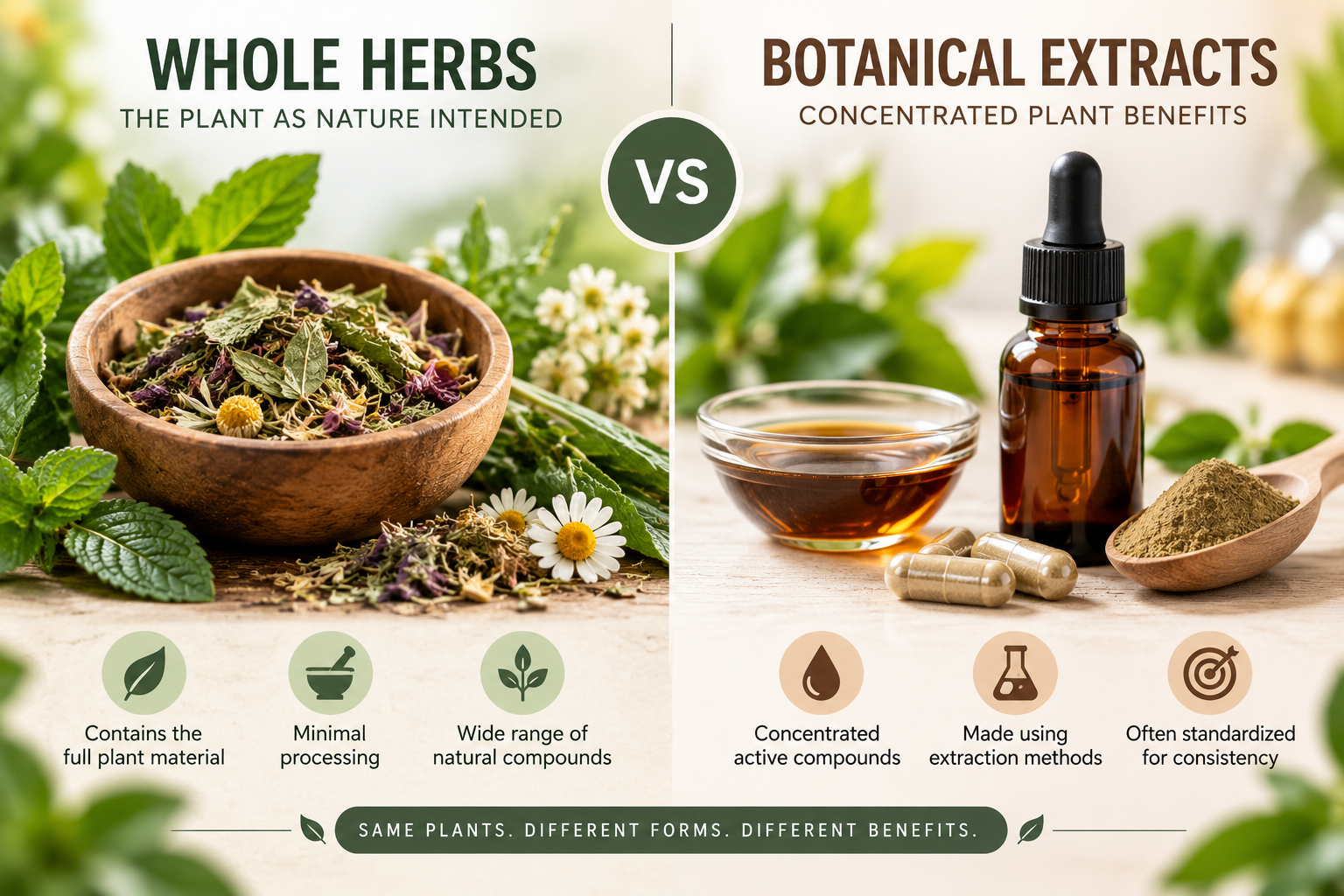
How Botanical Extracts Differ From Whole Herbs
Understanding how extracts differ from whole herbs can make it easier to interpret supplement labels, compare products, and evaluate claims about herbal ingredients.
Read article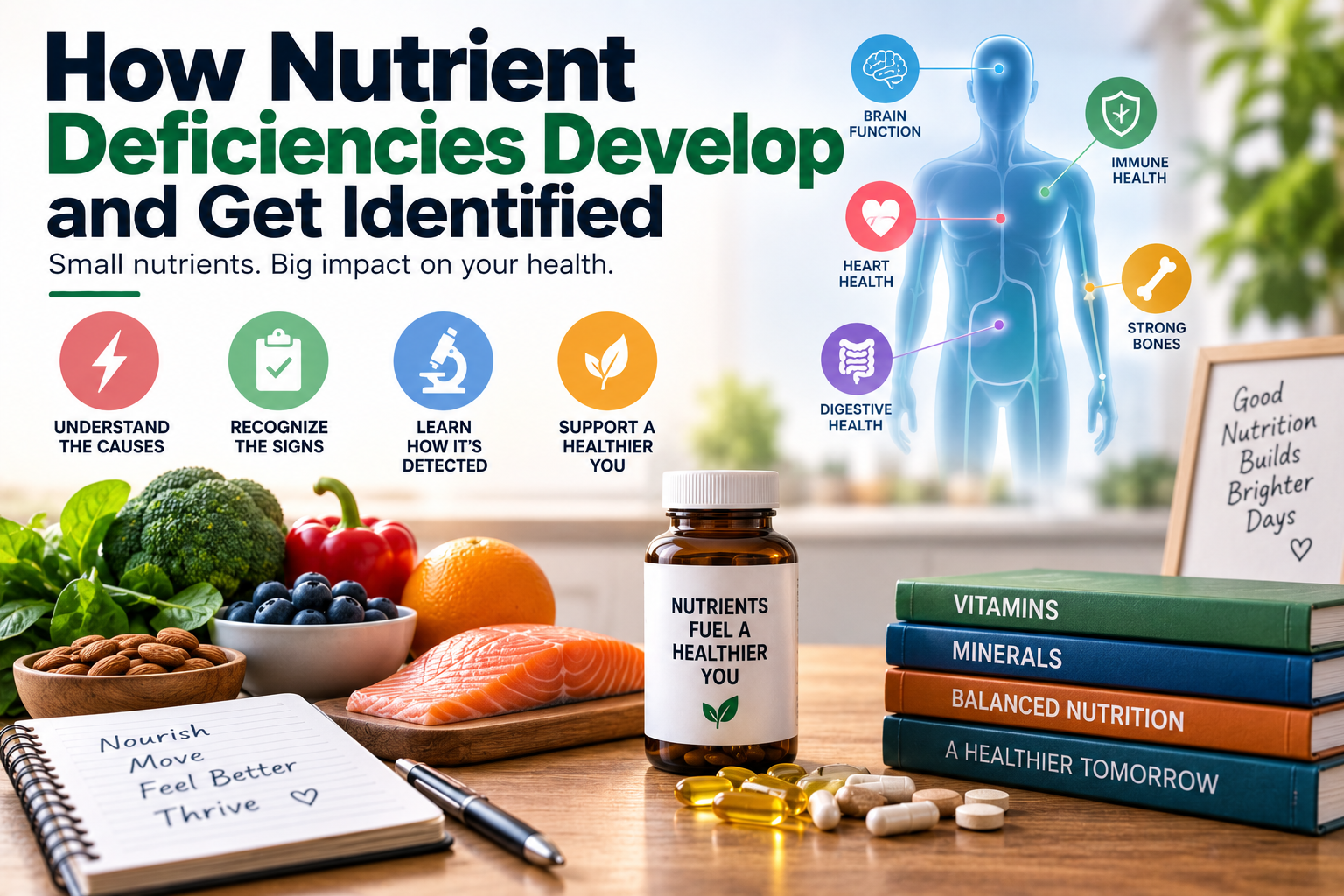
How Nutrient Deficiencies Develop and Get Identified
Understanding how nutrient deficiencies develop—and how healthcare professionals identify them—can make it easier to recognize potential problems before they become more serious.
Read article
What Is the Difference Between Water-Soluble and Fat-Soluble Vitamins
Understanding this basic distinction can make it easier to interpret nutrition information, evaluate supplements, and make informed decisions about dietary intake.
Read article

Join 10,000+ Readers Building Healthier Habits
Get actionable wellness tips every week plus our newest articles delivered straight to your inbox.