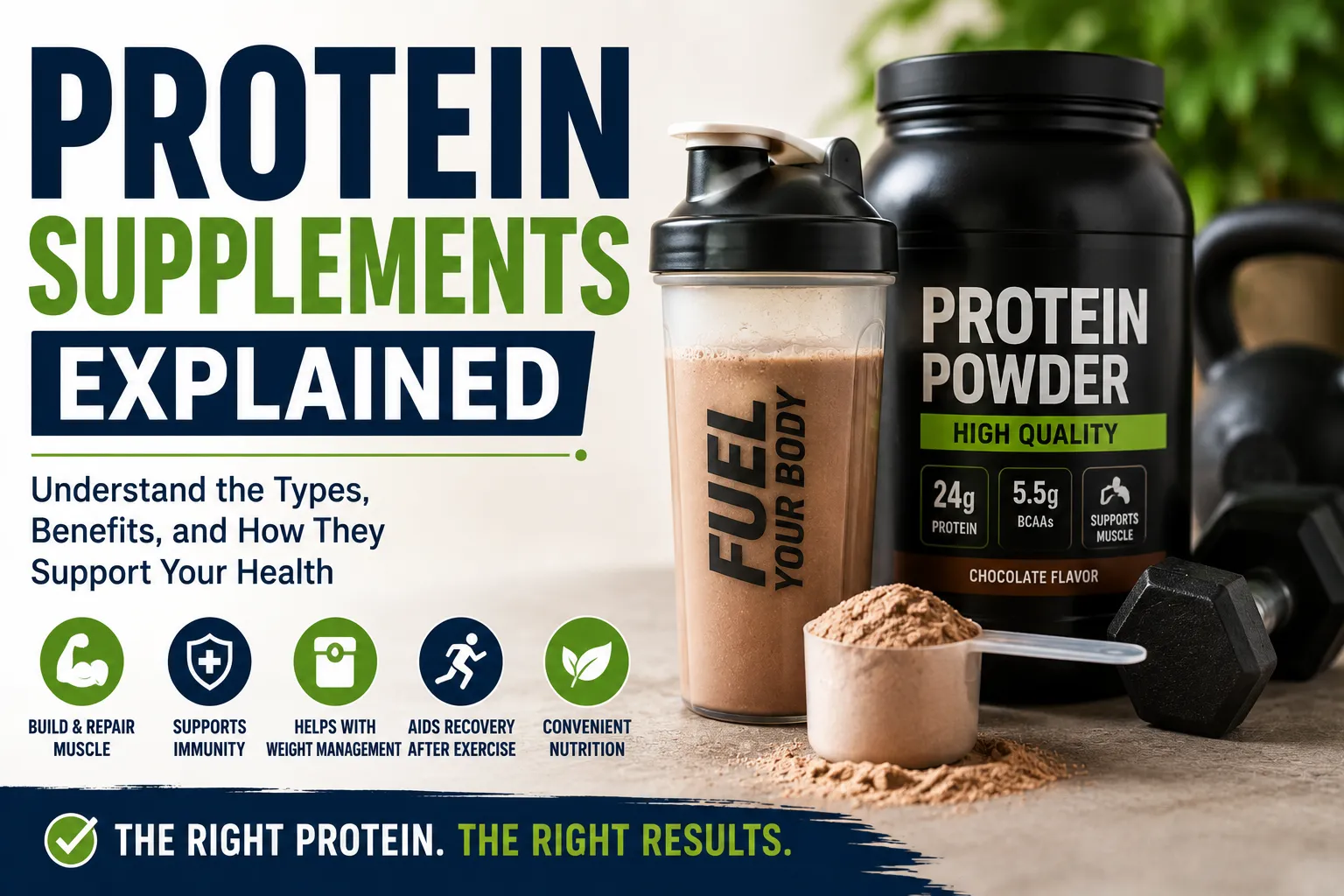

Protein Supplements Explained
Protein is one of the essential nutrients the human body needs to build and repair tissues, support muscle growth, produce enzymes and hormones, and maintain overall health. While most people can meet their daily protein needs through a balanced diet, protein supplements have become increasingly popular among athletes, fitness enthusiasts, older adults, and individuals with higher protein requirements.
From whey protein shakes to plant-based powders, today’s supplement market offers a wide variety of options designed to support different lifestyles and dietary preferences. Understanding how protein supplements work—and when they may or may not be beneficial—can help consumers make informed decisions.
This guide explains what protein supplements are, their different types, potential benefits, considerations, and how they fit into a healthy nutrition plan.
What Are Protein Supplements?
Protein supplements are products designed to increase protein intake. They are commonly available as powders, ready-to-drink beverages, protein bars, and meal replacement products.
These supplements are intended to complement a balanced diet rather than replace whole foods.
Protein supplements are often used by people who:
- Exercise regularly
- Participate in sports
- Want convenient nutrition
- Have increased protein needs
- Follow vegetarian or vegan diets
- Are recovering from illness or injury
- Struggle to consume enough protein through food alone
For a broader look at how supplements fit into nutrition and health, the complete guide to dietary supplements provides additional context on different supplement categories and their uses.
Why Protein Matters
Protein performs numerous essential functions throughout the body.
It helps support:
- Muscle growth
- Muscle repair
- Bone health
- Immune function
- Hormone production
- Enzyme production
- Healthy skin
- Hair and nail growth
- Tissue maintenance
- Overall body function
Because the body continually breaks down and rebuilds proteins, regular dietary intake is important.
Natural Sources of Protein
Many people obtain adequate protein through whole foods.
Common protein-rich foods include:
- Chicken
- Turkey
- Fish
- Eggs
- Lean beef
- Milk
- Yogurt
- Cottage cheese
- Beans
- Lentils
- Chickpeas
- Tofu
- Tempeh
- Nuts
- Seeds
Whole foods also provide vitamins, minerals, healthy fats, and fiber that supplements may not contain.
Common Types of Protein Supplements
Several protein sources are used to manufacture supplements.
Whey Protein
Whey protein is one of the most popular and widely researched protein supplements.
It is:
- Derived from milk
- Quickly digested
- Rich in essential amino acids
- High in leucine, an amino acid involved in muscle protein synthesis
Whey is commonly used after exercise because of its rapid absorption.
Casein Protein
Casein is another milk-derived protein.
Compared with whey, it is:
- Digested more slowly
- Provides a gradual release of amino acids
- Often consumed before extended periods without food, such as overnight
Soy Protein
Soy protein is a complete plant protein containing all essential amino acids.
It is a popular option for:
- Vegetarians
- Vegans
- Individuals avoiding dairy
Pea Protein
Pea protein has become increasingly popular as a plant-based alternative.
It is:
- Dairy-free
- Easily digestible for many people
- Suitable for vegan diets
Rice Protein
Rice protein is another plant-based option that is often combined with other protein sources to provide a more complete amino acid profile.
Blended Plant Proteins
Many modern products combine proteins from peas, rice, hemp, pumpkin, or other plant sources to improve nutritional balance.
Potential Benefits of Protein Supplements
When used appropriately, protein supplements may help support various health and fitness goals.
Possible benefits include:
- Supporting muscle recovery after exercise
- Helping maintain muscle mass
- Increasing daily protein intake
- Providing convenient nutrition
- Supporting healthy aging
- Assisting individuals with increased protein needs
- Supporting satiety as part of a balanced diet
The benefits depend on overall dietary patterns, physical activity, and individual health needs.
Protein and Exercise
Protein plays an important role in repairing and rebuilding muscle tissue after physical activity.
Individuals participating in:
- Strength training
- Resistance exercise
- Endurance sports
- High-intensity workouts
may have higher protein requirements than sedentary individuals.
However, exercise itself remains the primary stimulus for building muscle, with adequate protein supporting the recovery process.
Choosing the Right Protein Supplement
The best protein supplement depends on individual preferences and nutritional needs.
Consider factors such as:
- Protein source
- Dietary restrictions
- Taste
- Digestibility
- Ingredient quality
- Added sugars
- Artificial sweeteners
- Allergens
- Serving size
- Third-party testing
Reading nutrition labels can help consumers compare products effectively. For a broader explanation of what to look for when evaluating supplements, how to read supplement labels correctly can help consumers assess ingredients, serving information, and other product details.
Reading Supplement Labels
Before purchasing a protein supplement, check for:
- Protein content per serving
- Ingredient list
- Calories
- Added sugars
- Fat content
- Carbohydrates
- Sodium
- Serving recommendations
- Allergen information
Some products also include added vitamins, minerals, fiber, or other ingredients.
Products containing additional nutrients may overlap with other supplement categories, including multivitamins and multivitamin supplements, so it is useful to consider the full range of nutrients being consumed rather than focusing on protein alone.
Whole Foods vs. Supplements
Protein supplements offer convenience, but whole foods remain an important part of a healthy diet.
Whole-food protein sources provide:
- Fiber
- Healthy fats
- Vitamins
- Minerals
- Phytochemicals
- Greater dietary variety
For most healthy individuals, supplements are intended to complement—not replace—a balanced eating pattern.
Are Protein Supplements Safe?
Protein supplements are generally considered safe for most healthy adults when consumed as directed and as part of a balanced diet.
However, individuals with certain medical conditions, particularly kidney disease or other health concerns, should consult a qualified healthcare professional before significantly increasing protein intake or using supplements.
Choosing products from reputable manufacturers that undergo third-party quality testing may also help ensure product quality.
Understanding broader supplement safety considerations is also important when adding protein supplements or other products to an existing nutrition routine.
Common Misconceptions
Myth: More Protein Always Builds More Muscle
Muscle growth depends on consistent resistance training, adequate nutrition, sufficient recovery, and overall energy intake—not protein alone.
Myth: Everyone Needs Protein Supplements
Many people meet their protein needs through everyday foods without using supplements.
Myth: Plant Proteins Are Inferior
Many plant-based protein sources can effectively support healthy protein intake when consumed as part of a balanced diet.
Myth: Protein Supplements Replace Healthy Meals
Protein powders are supplements and should not routinely replace nutritious meals that provide a wide range of essential nutrients.
Emerging Trends
The protein supplement industry continues to evolve.
Current developments include:
- Plant-based protein innovations
- Sustainable ingredient sourcing
- Personalized nutrition
- Ready-to-drink protein beverages
- Functional protein blends
- Reduced sugar formulations
- Clean-label products
- Improved flavor technology
Consumers are increasingly seeking products that combine nutrition, convenience, and transparency.
Tips for Using Protein Supplements
To use protein supplements responsibly:
- Prioritize whole-food nutrition first.
- Select products that match your dietary needs.
- Follow serving recommendations.
- Stay hydrated.
- Combine protein intake with regular physical activity.
- Read ingredient labels carefully.
- Store products according to manufacturer instructions.
- Avoid viewing supplements as a substitute for balanced meals.
- Discuss supplementation with a healthcare professional if you have underlying medical conditions.
- Choose reputable brands with quality testing whenever possible.
Making Protein Supplements Fit a Balanced Diet
Protein supplements can be a convenient way to increase protein intake for individuals with higher nutritional needs, busy lifestyles, or specific fitness goals. They are available in a wide range of forms, including dairy-based and plant-based options, allowing consumers to choose products that align with their preferences and dietary requirements.
While supplements may support muscle recovery, healthy aging, and overall nutrition, they work best as part of a well-balanced diet rich in whole foods. By understanding the different types of protein supplements, reading labels carefully, and using them appropriately, individuals can make informed choices that support their long-term health and wellness goals.
Continue Reading
Similar Posts
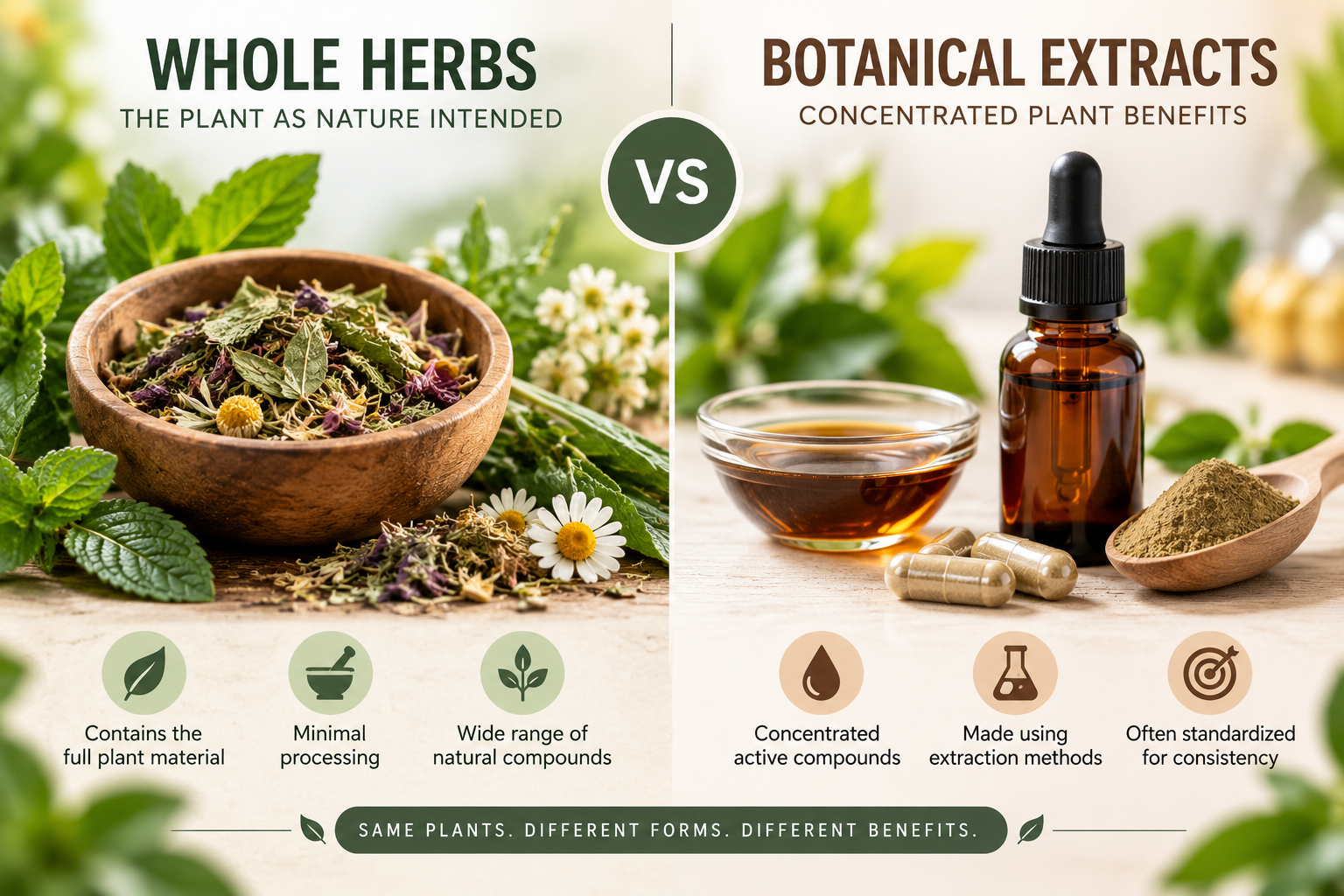
How Botanical Extracts Differ From Whole Herbs
Understanding how extracts differ from whole herbs can make it easier to interpret supplement labels, compare products, and evaluate claims about herbal ingredients.
Read article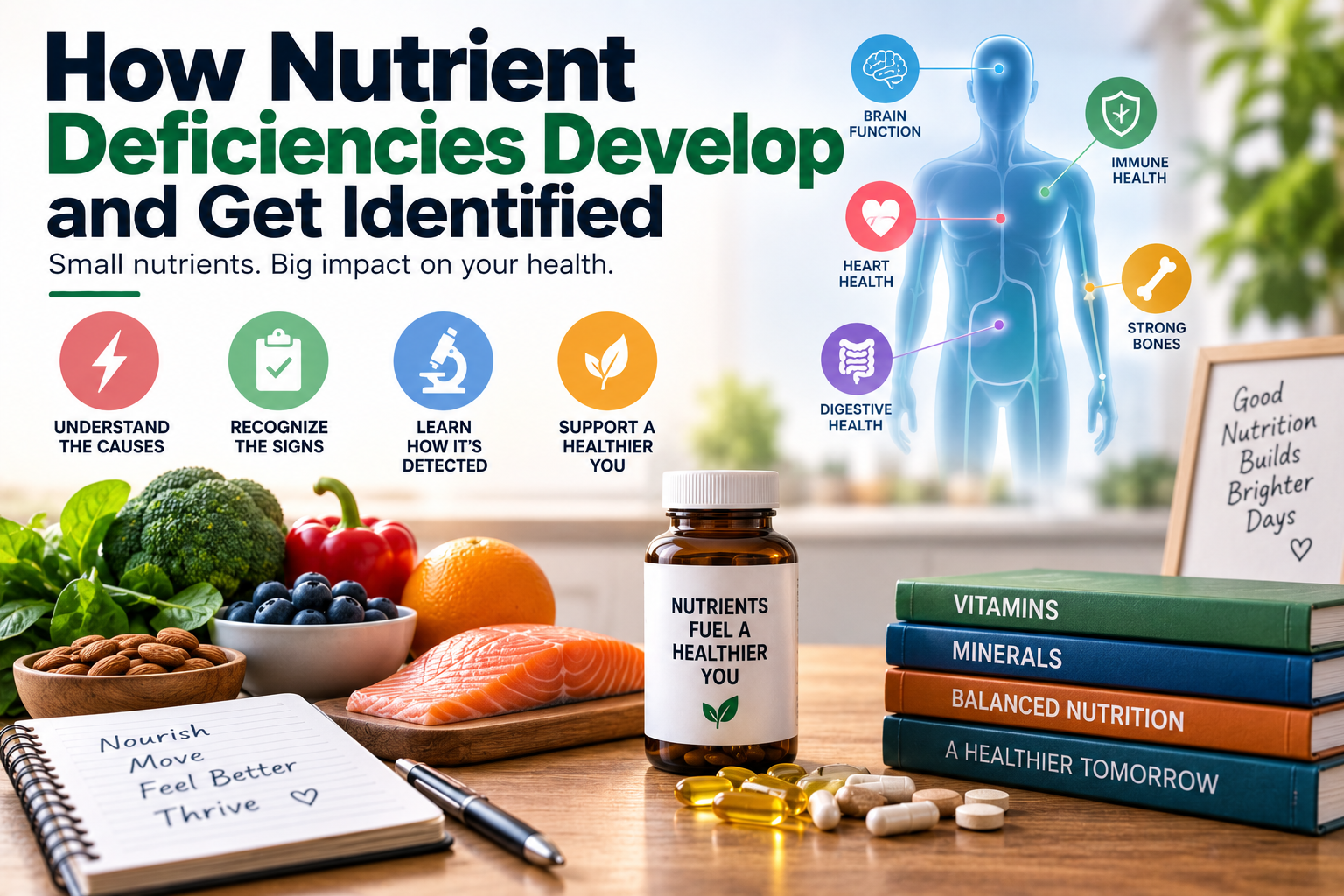
How Nutrient Deficiencies Develop and Get Identified
Understanding how nutrient deficiencies develop—and how healthcare professionals identify them—can make it easier to recognize potential problems before they become more serious.
Read article
What Is the Difference Between Water-Soluble and Fat-Soluble Vitamins
Understanding this basic distinction can make it easier to interpret nutrition information, evaluate supplements, and make informed decisions about dietary intake.
Read article

Join 10,000+ Readers Building Healthier Habits
Get actionable wellness tips every week plus our newest articles delivered straight to your inbox.