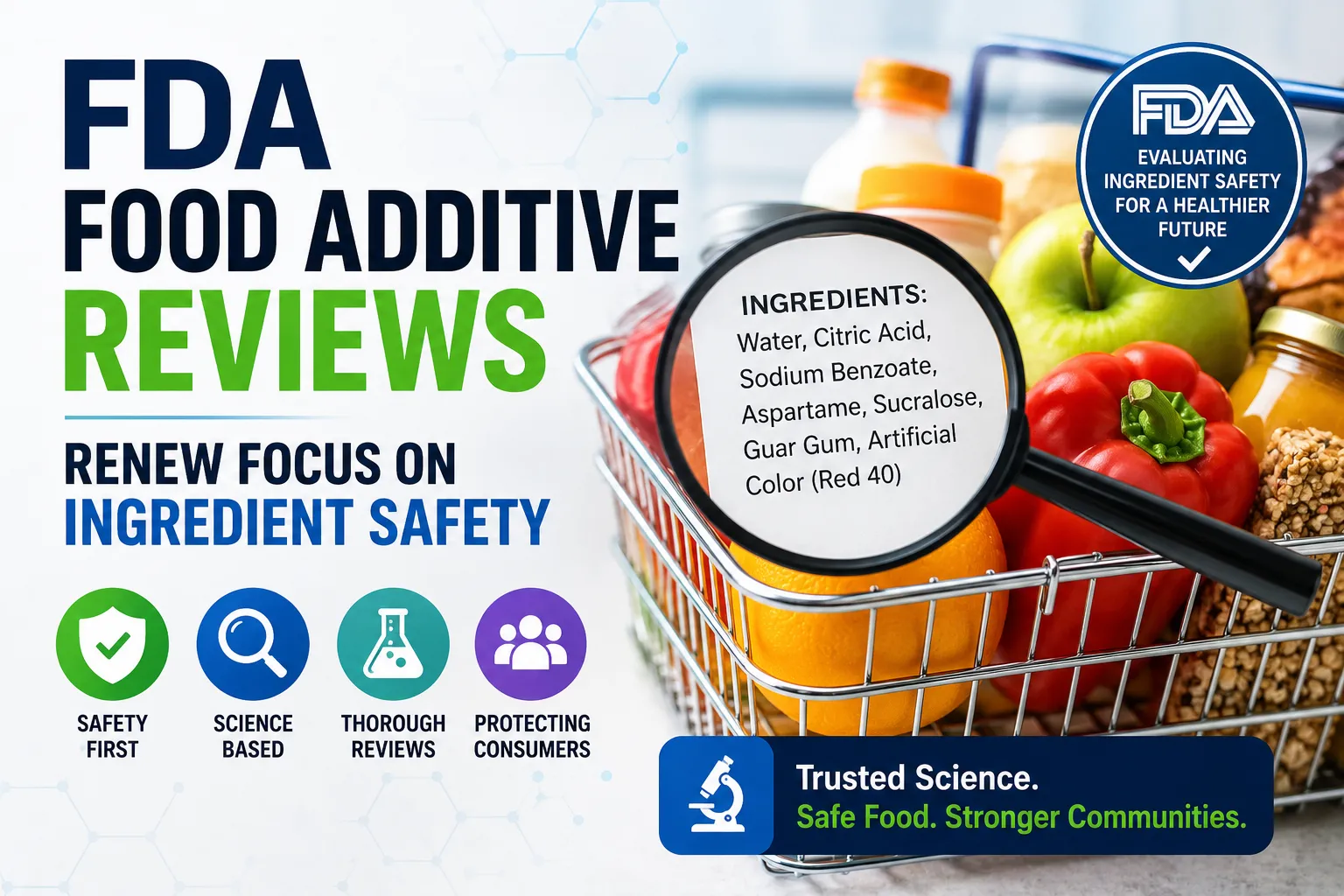

FDA Food Additive Reviews Renew Focus on Ingredient Safety
Food additives have long played an important role in preserving freshness, enhancing flavor, improving texture, and extending the shelf life of packaged foods. However, growing consumer awareness about food ingredients, coupled with ongoing scientific research, has renewed public interest in how food additives are evaluated for safety. As regulatory agencies continue reviewing approved ingredients, discussions around transparency, scientific evidence, and consumer confidence have become increasingly prominent.
The U.S. Food and Drug Administration (FDA) regularly evaluates food additives using evolving scientific data to ensure they remain safe for their intended uses. These reviews help identify whether existing approvals remain appropriate and whether additional research, labeling changes, or usage restrictions are necessary. While most approved additives are considered safe when used within established limits, ongoing reviews demonstrate the importance of continuous scientific oversight.
This article explains what food additives are, how the FDA evaluates ingredient safety, why periodic reviews matter, and what consumers should know about food ingredients.
For broader context on how food ingredients, processing, and dietary quality fit together, see this complete guide to healthy eating and balanced nutrition.
What Are Food Additives?
Food additives are substances intentionally added to foods to improve quality, safety, appearance, flavor, texture, or shelf life.
Common categories include:
- Preservatives
- Color additives
- Sweeteners
- Emulsifiers
- Stabilizers
- Flavor enhancers
- Thickening agents
- Acidity regulators
Many additives occur naturally, while others are produced through carefully regulated manufacturing processes.
Why Food Additives Are Used
Food manufacturers rely on additives for several practical purposes.
They help:
- Extend shelf life
- Improve food safety
- Maintain freshness
- Enhance flavor
- Improve texture
- Preserve color
- Prevent spoilage
- Support consistent product quality
Without certain approved additives, many packaged foods would have shorter shelf lives and greater risk of contamination.
How the FDA Reviews Food Additives
Before most food additives are approved for use, they undergo scientific evaluation to determine whether they are safe under specific conditions.
FDA evaluations typically consider:
- Toxicology studies
- Dietary exposure estimates
- Long-term health effects
- Intended use levels
- Manufacturing processes
- Scientific literature
- Independent research
- International safety data
Scientific reviews may continue even after an ingredient has been approved.
Why Reviews Continue After Approval
Scientific understanding evolves over time.
Periodic reviews help regulators:
- Evaluate new research
- Monitor long-term exposure
- Reassess safety standards
- Review changing consumption patterns
- Update scientific guidance
- Strengthen consumer confidence
- Address emerging concerns
- Improve public transparency
Continuous monitoring helps ensure regulations remain aligned with current scientific evidence.
Consumer Interest in Ingredient Safety
Modern consumers are paying closer attention to food labels than ever before.
Many shoppers consider:
- Ingredient lists
- Artificial colors
- Preservatives
- Sweeteners
- Natural ingredients
- Allergen information
- Nutrition labels
- Product certifications
Greater awareness has encouraged manufacturers to improve labeling and reformulate certain products.
Scientific Risk Assessment
Food safety decisions are based on comprehensive scientific risk assessments rather than isolated studies.
Researchers examine:
- Exposure levels
- Frequency of consumption
- Population differences
- Laboratory research
- Human studies
- Safety margins
- Nutritional impact
- Potential interactions
The objective is to determine whether ingredients remain safe when consumed within recommended limits.
Food Labels Help Consumers
Nutrition and ingredient labels provide valuable information for shoppers.
Consumers can review:
- Ingredient lists
- Nutrition Facts
- Serving sizes
- Allergen statements
- Added sugars
- Artificial colors
- Sweeteners
- Sodium content
Reading labels helps individuals make informed purchasing decisions based on their dietary needs and preferences.
For a broader look at how food labeling and regulation can shape consumer decisions, FDA Pushes New Nutrition Policies Targeting Ultra-Processed Foods examines the growing policy focus on nutrition transparency.
Natural vs. Artificial Ingredients
Consumers often compare natural and artificial ingredients, but safety depends on scientific evidence rather than the source alone.
Important considerations include:
- Intended use
- Chemical composition
- Manufacturing quality
- Exposure levels
- Scientific testing
- Regulatory approval
- Product formulation
- Overall dietary patterns
Both naturally derived and synthetic ingredients may undergo safety evaluations before use.
Industry Response
Food manufacturers closely monitor regulatory developments involving food ingredients.
Companies may respond by:
- Reformulating products
- Updating labels
- Reducing certain additives
- Expanding natural ingredient options
- Investing in research
- Improving transparency
- Strengthening quality control
- Communicating with consumers
Many businesses view ingredient transparency as an important part of building consumer trust.
What This Means for Consumers
For most consumers, ongoing FDA reviews do not necessarily indicate that an approved ingredient is unsafe.
Instead, they reflect:
- Continued scientific oversight
- Evidence-based decision-making
- Regulatory transparency
- Ongoing public health monitoring
- Updated research evaluations
- Improvements in food safety
- Consumer protection efforts
- Adaptive regulatory processes
Periodic reviews are a normal part of maintaining a modern food safety system.
Common Misconceptions About Food Additives
Several myths continue circulating about food ingredients.
Myth: Every Food Additive Is Harmful
Many approved additives have undergone extensive scientific testing and are considered safe when used within established regulatory limits.
Myth: Natural Ingredients Are Always Safer
Natural substances can also present risks depending on their properties, dosage, and intended use.
Myth: Ingredient Reviews Mean Products Are Dangerous
Regulatory reviews are a routine part of ensuring food safety as new scientific evidence becomes available.
Myth: Long Ingredient Lists Always Indicate Poor Nutrition
The overall nutritional value of a food depends on many factors, including calories, fiber, protein, vitamins, minerals, and overall dietary patterns.
Tips for Making Informed Food Choices
Consumers can make confident decisions by:
- Reading ingredient labels.
- Comparing nutrition information.
- Choosing balanced meals.
- Limiting highly processed foods when appropriate.
- Following dietary guidance from qualified health professionals.
- Staying informed through reputable health agencies.
- Paying attention to portion sizes.
- Eating a varied diet.
- Consulting healthcare providers about specific dietary concerns.
- Focusing on overall eating habits rather than individual ingredients alone.
Balanced dietary patterns generally have a greater impact on long-term health than any single ingredient.
The relationship between food ingredients and health is also part of the wider discussion surrounding highly processed foods. FDA Ultra-Processed Food Definition Could Reshape How Americans Think About Healthy Eating explores why processing categories can be useful while still requiring a nuanced understanding of nutrition.
The Future of Food Ingredient Safety
Food safety science continues evolving alongside advances in research and technology.
Emerging developments include:
- Improved toxicology testing
- AI-assisted safety analysis
- Enhanced dietary exposure modeling
- Better food traceability
- Advanced laboratory methods
- Greater regulatory collaboration
- Increased ingredient transparency
- Personalized nutrition research
These innovations are expected to strengthen future food safety evaluations and improve consumer confidence.
A More Informed Approach to Ingredient Safety
FDA food additive reviews play an essential role in maintaining confidence in the safety of the food supply. By continually evaluating ingredients using the latest scientific evidence, regulators help ensure that approved additives remain appropriate for their intended uses while adapting to new research and changing consumption patterns.
For consumers, the most effective approach is to focus on a balanced diet, read food labels carefully, and rely on evidence-based information from trusted health authorities. Ongoing scientific review is a sign of an active food safety system that seeks to protect public health while supporting informed consumer choices.
Continue Reading
Similar Posts
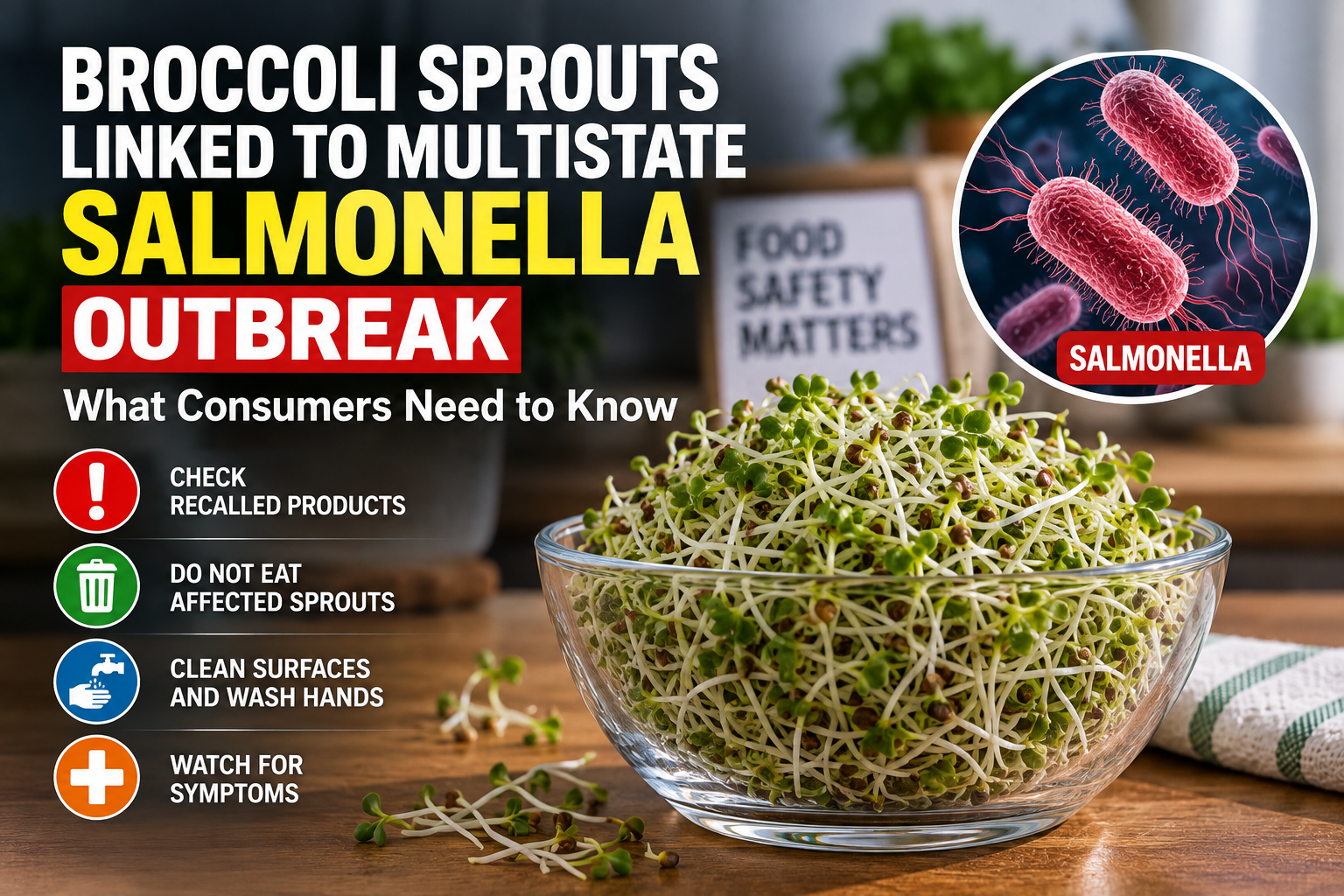
Broccoli Sprouts Linked to Multistate Salmonella Outbreak: What Consumers Need to Know
For consumers, the most important step is to determine whether recalled broccoli sprouts are in the refrigerator, freezer, or kitchen and to avoid eating, serving, or selling them.
Read article
How Antibodies Help the Immune System Fight Infection
Understanding how antibodies work provides a clearer picture of why people develop immunity after certain infections or vaccinations and why the immune system can respond more effectively when it encounters a familiar pathogen again.
Read article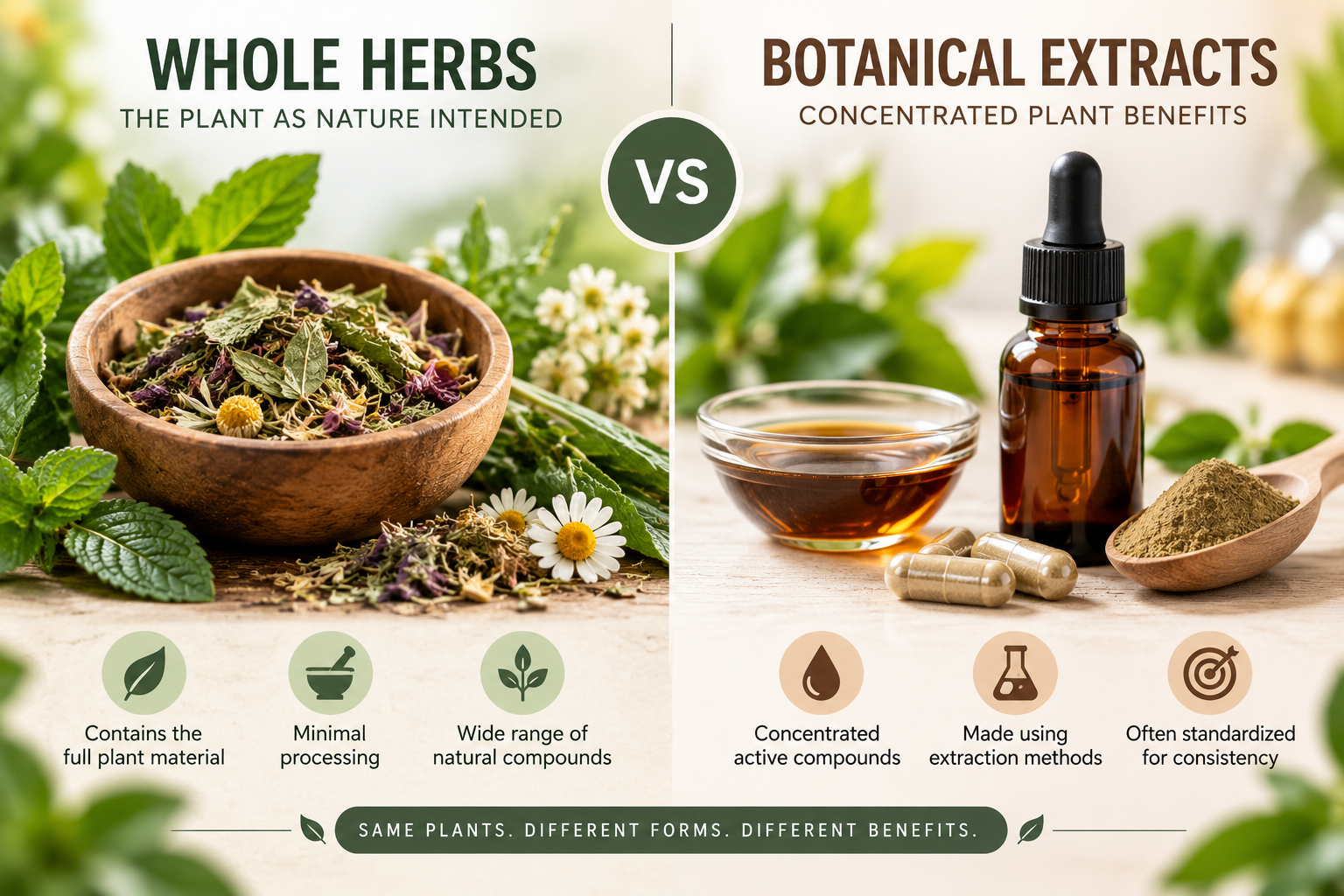
How Botanical Extracts Differ From Whole Herbs
Understanding how extracts differ from whole herbs can make it easier to interpret supplement labels, compare products, and evaluate claims about herbal ingredients.
Read article

Join 10,000+ Readers Building Healthier Habits
Get actionable wellness tips every week plus our newest articles delivered straight to your inbox.