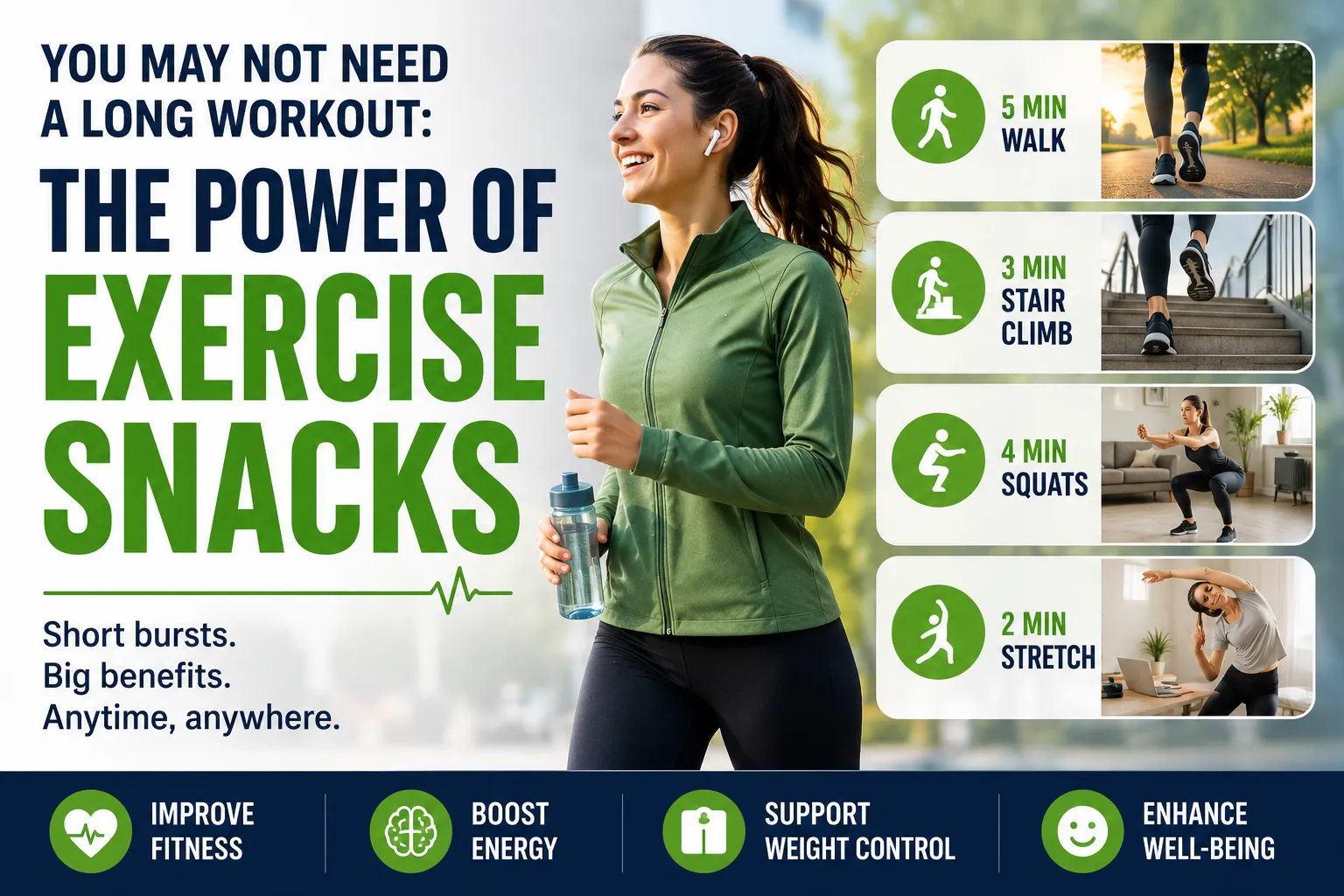

You May Not Need a Long Workout: New Research Highlights the Power of Exercise “Snacks”
For people who struggle to find time for a traditional workout, a growing body of research is pointing toward a surprisingly simple alternative: short bursts of physical activity spread throughout the day.
Known as “exercise snacks,” these brief bouts can include activities such as brisk walking, stair climbing, bodyweight exercises or other movements performed for just a few minutes at a time. Recent research suggests that these small doses of activity can improve aspects of fitness and physical function, although scientists caution that they are not a magic replacement for every form of structured exercise.
For people looking at the bigger picture of exercise, body composition and sustainable habits, a Complete Guide to Healthy Weight Management provides useful context for how physical activity fits into an overall healthy lifestyle.
For a broader understanding of how short bouts of activity fit into physical activity, training and recovery, see The Complete Guide to Physical Activity and Exercise.
The findings are particularly relevant for people who spend much of their day sitting or who find it difficult to dedicate 30 minutes or more to a single workout.
What Are Exercise Snacks?
An exercise snack is essentially a short, deliberate bout of physical activity performed during the day rather than completing all exercise in one continuous session.
There is not one universally accepted definition. A 2026 consensus statement describes short bouts of accumulated exercise as activity lasting 10 minutes or less per session, performed multiple times throughout the day. Other research has used narrower definitions, including bouts of five minutes or less.
Examples can include:
- Walking briskly for a few minutes
- Climbing stairs
- Performing bodyweight squats
- Doing short sets of lunges
- Taking a fast-paced walk after sitting for a long period
- Performing brief resistance exercises
- Completing short intervals of more vigorous activity
The important idea is not necessarily the specific exercise.
It is the strategy of accumulating physical activity in manageable portions.
Why Researchers Are Interested in Short Workouts
Lack of time is one of the most common barriers to regular physical activity.
Someone may understand the benefits of exercise but still struggle to fit a conventional workout into a busy schedule involving work, family responsibilities, commuting and other commitments.
Exercise snacks approach the problem differently.
Instead of asking someone to find a continuous block of time, the strategy turns physical activity into smaller opportunities throughout the day.
For example:
Morning: 3 minutes of brisk stair climbing
Midday: 5-minute brisk walk
Afternoon: 3 minutes of bodyweight exercises
Evening: 5-minute walk
None of these sessions is particularly long.
Together, however, they create a meaningful amount of movement.
New Research Finds Improvements in Fitness
A systematic review and meta-analysis published in the British Journal of Sports Medicine examined 11 randomized controlled trials involving 414 participants.
The researchers found that exercise snacks significantly improved cardiorespiratory fitness in adults who were physically inactive. The interventions involved short bouts lasting five minutes or less, performed at least twice a day and at least three times a week.
The evidence was not equally strong for every outcome.
The researchers did not find significant improvements in several cardiometabolic measures, including body composition, blood pressure and blood lipid profiles. The evidence for improved muscular endurance among older adults was also more limited.
That distinction is important.
The research supports the idea that short bouts can improve fitness, but it does not establish that a few minutes of exercise automatically produces all the benefits associated with a comprehensive exercise program.
Another 2026 Review Found Improvements in Physical Function
A separate systematic review and meta-analysis published in the Journal of Nutrition, Health & Aging examined 11 randomized controlled trials involving 472 healthy or sub-healthy adults.
The researchers found that exercise-snack interventions were associated with improvements in several measures, including:
- Peak power output
- Maximal oxygen uptake
- Performance on the 60-second sit-to-stand test
- Body-fat percentage
However, the review found no statistically significant improvement in fatigue levels or BMI.
The results add to the evidence that short, repeated activity can have measurable physiological effects.
At the same time, the differences between studies demonstrate why exercise snacks should be viewed as one useful exercise strategy rather than a universal replacement for longer workouts.
Short Exercise May Be Especially Useful for People Who Sit a Lot
Another reason exercise snacks are attracting attention is their potential role in breaking up prolonged periods of sitting.
A 2026 meta-analysis examined the acute effects of short exercise bouts performed during prolonged sitting. It found that these activity breaks improved measures of peripheral blood flow and flow-mediated dilation, with a small reduction in systolic blood pressure. The researchers noted that activities involving large muscle groups, such as stair climbing, performed for roughly two to five minutes every 30–60 minutes, may be particularly useful for vascular health.
However, these findings should not be interpreted as evidence that everyone needs to exercise every 30 minutes.
The research is investigating particular experimental protocols, and individual needs vary.
Exercise Snacks May Also Help With Sitting-Related Discomfort
A systematic review published in BMC Public Health examined whether short exercise bouts could reduce musculoskeletal discomfort associated with prolonged sitting.
The review included six randomized controlled trials involving 210 adults.
Four studies reported significant reductions in musculoskeletal discomfort compared with prolonged sitting or passive rest. The interventions included activities such as stretching, walking, stair climbing and dynamic muscle contractions.
There is an important limitation, however: five of the six studies were considered to have a high risk of bias.
That means the findings are promising but should be interpreted cautiously rather than treated as definitive proof.
Exercise Snacks and Blood Sugar
Researchers have also investigated whether short bouts of movement can influence blood-glucose regulation.
Recent research has examined brief activity performed around meals and during periods of prolonged sitting, with some studies reporting favorable effects on post-meal glucose and insulin responses. A 2026 review of the field found evidence of potential benefits for glucose regulation, while also emphasizing that results vary according to the type, intensity and timing of activity.
This area is particularly interesting because relatively small amounts of movement may be easier for people to incorporate into everyday routines than a formal workout.
Still, exercise should not be presented as a substitute for medical treatment or individualized diabetes management.
The Biggest Advantage May Be Consistency
One of the most encouraging findings from exercise-snack research is that people appear capable of sticking with the approach.
The British Journal of Sports Medicine meta-analysis reported high compliance and adherence rates across the included interventions.
This matters because the best exercise routine is not necessarily the most sophisticated one.
It is the one a person can perform consistently.
A 60-minute workout that happens once every two weeks is unlikely to be as useful as regular physical activity incorporated into everyday life.
Exercise snacks can lower the psychological barrier associated with exercise by making each individual session feel manageable.
That same principle is reflected in research on whether one workout a week can still provide meaningful fitness benefits. The two approaches are different, but both highlight the importance of finding an exercise pattern that can realistically be maintained.
What Counts as an Exercise Snack?
There is considerable flexibility in how short bouts can be structured.
Brisk walking
A few minutes of faster-paced walking can provide an easy way to increase daily activity without special equipment.
Stair climbing
Walking up and down stairs can provide a relatively vigorous short session because it engages large muscle groups.
Bodyweight exercises
Movements such as squats, lunges or modified push-ups can be performed without gym equipment.
Short cycling sessions
A few minutes of cycling can be incorporated into a commute or break.
Movement breaks
Simple mobility exercises and stretches can help break up long periods of sitting, although they may provide a different physiological stimulus from vigorous exercise.
The most appropriate activity depends on a person’s fitness level, physical abilities and health circumstances.
How Exercise Snacks Differ From Traditional Workouts
Traditional workouts typically involve setting aside a dedicated period for exercise.
That might mean:
- A 30-minute run
- A 45-minute gym session
- A cycling workout
- A strength-training session
- A fitness class
Exercise snacks take a different approach.
Instead of:
One long session → done for the day
the strategy becomes:
Several short sessions → activity accumulated throughout the day
Neither approach is inherently superior in every situation.
Someone training for a marathon, building substantial muscle mass or preparing for a competitive sport will generally require more structured training.
But someone whose primary obstacle is finding time to move may benefit significantly from breaking activity into smaller pieces.
Short Does Not Necessarily Mean Easy
An important misconception is that an exercise snack must be effortless.
Some research protocols involve moderate-to-vigorous or even near-maximal activity.
That means a two-minute stair-climbing session can be considerably more demanding than a leisurely two-minute walk.
The intensity should therefore be appropriate for the individual.
Someone who is new to exercise may need to begin with gentler activity and gradually increase intensity.
People with medical conditions, significant physical limitations or concerns about starting vigorous exercise should consider discussing an appropriate activity level with a qualified healthcare professional.
Exercise Snacks Are Not a Shortcut to Every Fitness Goal
The growing evidence should not be interpreted as “long workouts are unnecessary.”
Different forms of exercise accomplish different objectives.
Someone trying to build substantial muscular strength may need progressive resistance training.
Someone preparing for an endurance event needs sport-specific training.
Someone trying to develop advanced athletic performance will require carefully structured workouts.
Exercise snacks are better understood as a flexible way to accumulate physical activity and improve certain aspects of fitness, particularly for people who might otherwise remain inactive.
The recent evidence does not show that a few random movements throughout the day can completely replace structured exercise.
A Simple Way to Add Exercise Snacks to Your Day
For someone who is already healthy and accustomed to physical activity, an exercise-snack routine could be built around existing parts of the day.
For example:
| Time | Activity |
|---|---|
| Morning | 3–5 minutes of brisk walking |
| Mid-morning | Short stair-climbing session |
| Lunch | 5-minute brisk walk |
| Mid-afternoon | Bodyweight movements |
| Evening | Short walk or mobility session |
The objective is not to follow this exact schedule.
Instead, the idea is to identify natural opportunities for movement.
A person who works at a desk might walk during a phone call.
Someone working in a building with stairs might occasionally choose them instead of the elevator.
Someone watching television could stand up and move during breaks.
Small decisions can accumulate.
What the Research Still Doesn’t Tell Us
Despite the encouraging findings, exercise-snack research is still developing.
Studies vary considerably in:
- Exercise intensity
- Session duration
- Number of daily sessions
- Participant age
- Fitness level
- Health status
- Study length
- Type of exercise
- Outcomes measured
The 2026 consensus statement reviewed 27 systematic reviews and 135 research studies and concluded that the evidence is promising but still requires additional high-quality research in areas including exercise prescriptions, monitoring, population-specific responses and real-world implementation.
That means headlines suggesting that exercise snacks have completely transformed exercise recommendations would go beyond what the evidence currently supports.
The Bigger Lesson About Daily Movement
Perhaps the most useful message from the research is not that everyone should abandon long workouts.
It is that physical activity does not have to happen in one uninterrupted block to be worthwhile.
For someone who struggles to exercise regularly, five minutes can be easier to start than 45 minutes.
Once that habit becomes established, additional activity can be added naturally.
The approach also recognizes an important reality of modern life: many people spend long stretches sitting and working at computers, commuting, studying or using screens.
Breaking up those periods with movement can provide an achievable way to become more active.
Making Movement Fit Real Life
The latest research gives exercise snacks a stronger scientific foundation, particularly for improving cardiorespiratory fitness among physically inactive adults. But the evidence also shows why context matters: short bouts are not a universal substitute for strength training, endurance training or other forms of structured exercise.
For people who currently struggle to find time for exercise, however, the concept offers an appealing starting point.
A few minutes of movement may not look like a traditional workout, but those minutes can add up to a meaningful increase in daily physical activity.
The idea also fits naturally within a broader exercise strategy for weight management, where consistency, overall activity and sustainable habits matter more than relying on one particular workout format.
For people interested in how a broader mix of exercise can support weight-management goals, combining cardio and strength training for diabetes prevention provides another example of why different forms of physical activity can complement one another.
For people interested in other time-efficient approaches, short sprint training may provide meaningful fitness benefits while requiring relatively little workout time.
For people who prefer more intense but less frequent exercise, once-a-week HIIT may help reduce body fat offers another example of research exploring how exercise can be structured around real-world time constraints.
The most practical takeaway may therefore be simple: when a long workout does not fit the day, there is still value in finding a few minutes to move.
Continue Reading
Similar Posts
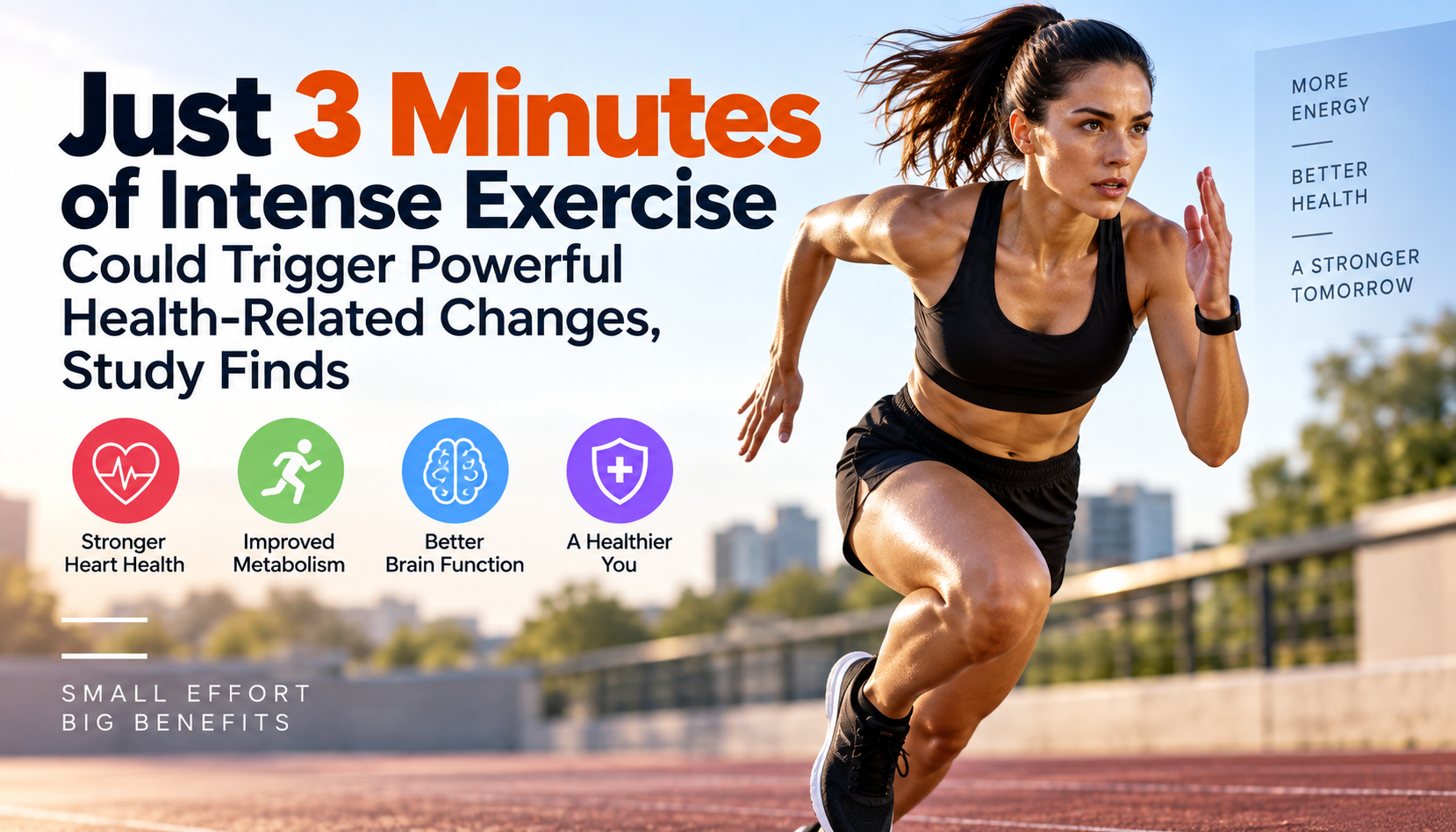
Just 3 Minutes of Intense Exercise Could Trigger Powerful Health-Related Changes, Study Finds
That does not mean three minutes of sprinting has been proven to replace a longer workout. Instead, the findings offer a closer look at why intense exercise may produce such a rapid and wide-ranging biological response.
Read article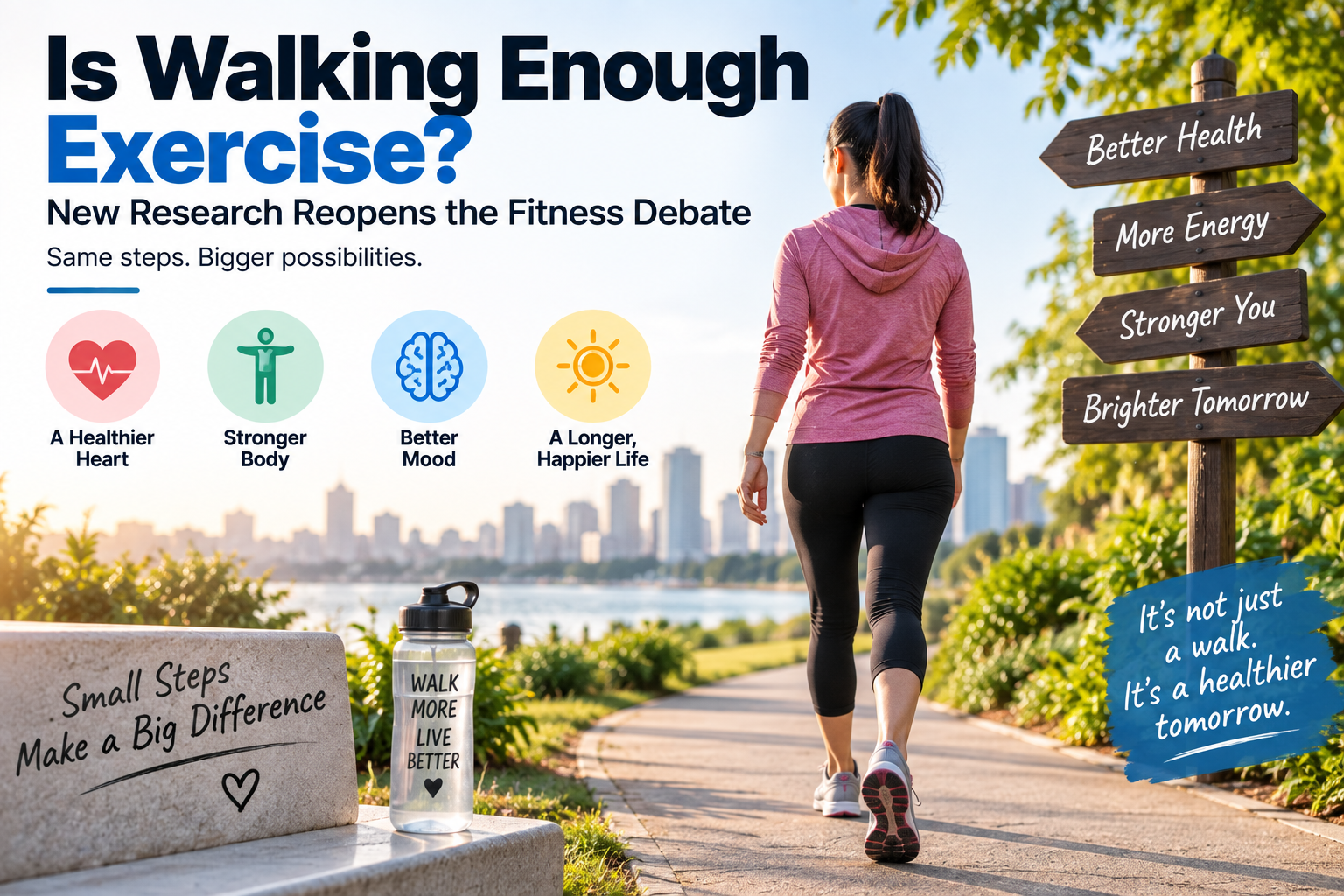
Is Walking Enough Exercise? New Research Reopens the Fitness Debate
The study does not prove that walking faster or taking a particular number of steps prevents death. It does, however, add to a growing body of evidence suggesting that there is no single magic step count or perfect form of exercise.
Read article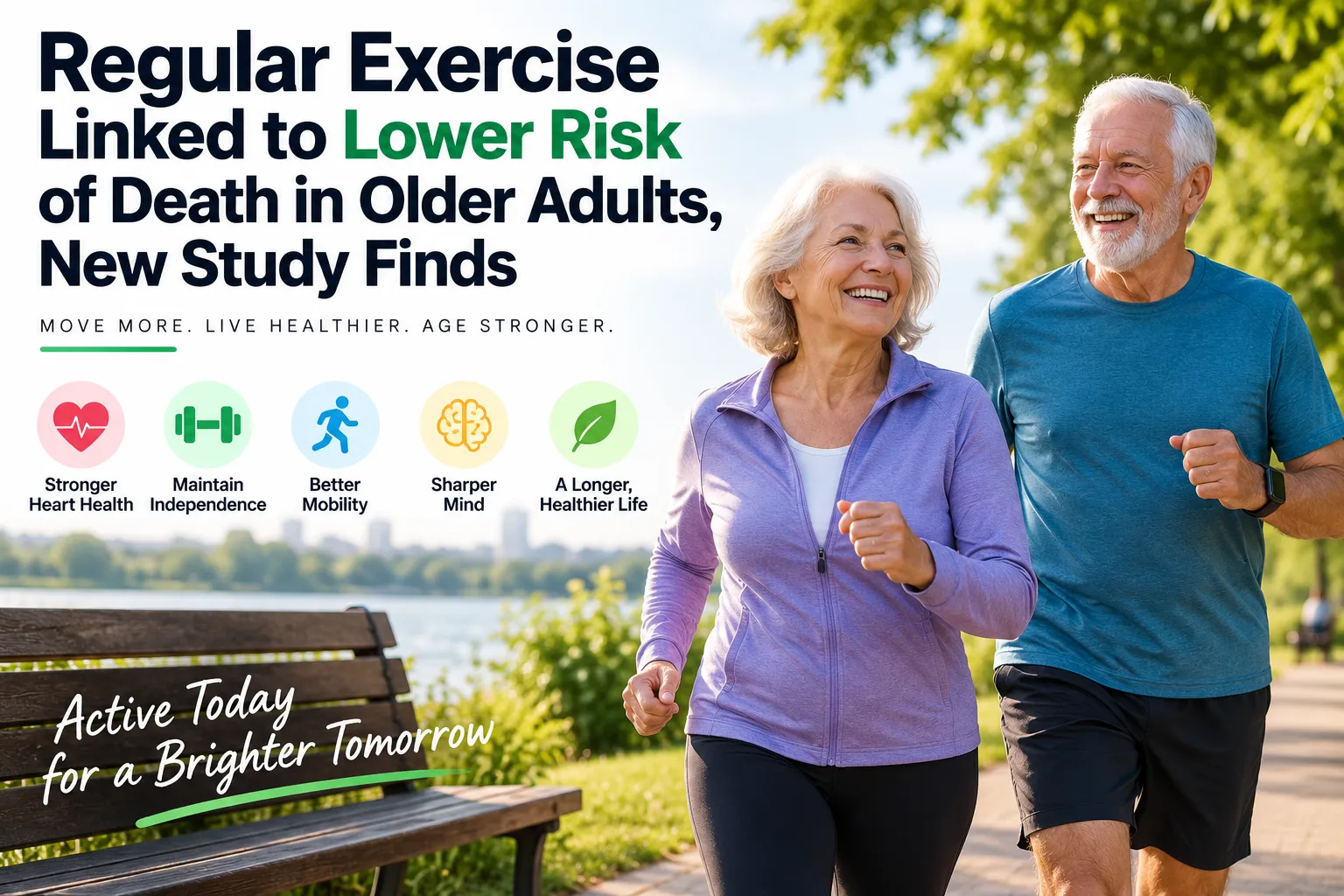
Regular Exercise Linked to Lower Risk of Death in Older Adults, New Study Finds
The findings add to a growing body of evidence suggesting that staying physically active may be important not only for maintaining strength and independence in later life, but also for improving long-term health outcomes.
Read article

Join 10,000+ Readers Building Healthier Habits
Get actionable wellness tips every week plus our newest articles delivered straight to your inbox.