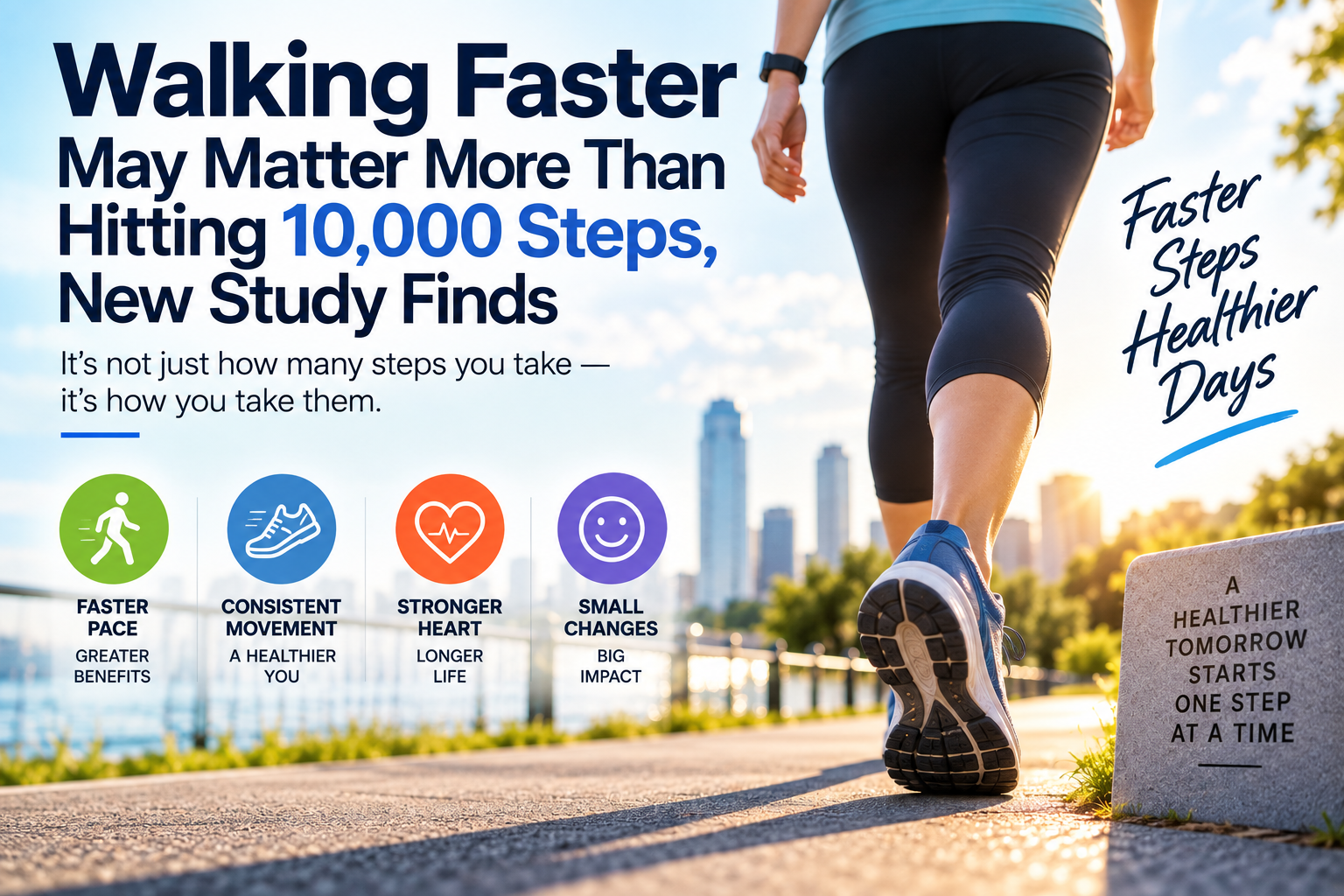

Walking Faster May Matter More Than Hitting 10,000 Steps, New Study Finds
For years, the 10,000-step target has been one of the most recognizable numbers in fitness. Millions of people have used smartphones, watches and fitness trackers to count their steps and determine whether they reached the daily goal.
But new research is adding an important detail to the conversation: the pace at which people walk may matter alongside the total number of steps they take.
A large U.S. study found that even relatively short periods of fast walking were associated with lower mortality risk, while newer research has also found that higher stepping intensity can be associated with better cardiovascular outcomes.
That does not mean slower walking has no value or that everyone needs to turn ordinary walks into intense workouts. Instead, the evidence suggests that physical activity is more complicated than a single daily step target.
Why Walking Speed Matters
Walking faster generally requires the body to work harder.
A brisk pace can increase heart rate and breathing compared with a slow stroll. It also requires greater involvement from the muscles responsible for maintaining movement and balance.
Over time, regularly including periods of faster walking can therefore provide a different physical stimulus than spending the same amount of time walking very slowly.
Researchers often measure walking intensity using cadence, or the number of steps taken per minute. This provides a way to distinguish an easy stroll from periods of more purposeful walking.
Recent research involving more than 64,000 participants found associations between higher peak walking cadence and lower all-cause and cardiovascular mortality across different daily step-count groups. The researchers also found that the combination of step volume and intensity was important rather than either measure alone.
The 10,000-Step Goal Is Not a Magic Number
The popularity of 10,000 steps can make it seem like health benefits begin or end at that exact number.
Research does not support such a simple cutoff.
A 2026 review of the evidence found that roughly 6,000 to 8,000 daily steps were associated with substantial cardiovascular and mortality benefits among older adults, while younger adults generally showed substantial benefits in the 8,000-to-10,000-step range.
Other recent research has also found meaningful associations at step counts well below 10,000.
For people with high blood pressure, for example, a large study found that additional daily steps were associated with lower risks of major cardiovascular events, heart failure and stroke, with benefits observed below 10,000 steps per day. The associations were particularly notable when more steps were accumulated at higher intensity.
This reinforces an important point: 10,000 is a useful reference number, but it is not a universal biological requirement.
For a broader explanation of the evidence surrounding the popular target, Do You Really Need 10,000 Steps a Day? explores why step goals should be viewed in context.
A Short Brisk Walk Can Still Count
One of the most encouraging findings from recent research is that people may not need to spend hours exercising to accumulate meaningful amounts of higher-intensity walking.
A large U.S. analysis following participants for a median of 16.7 years found that as little as 15 minutes of fast walking per day was associated with nearly a 20% lower risk of all-cause mortality compared with little or no fast walking. By comparison, more than three hours of slow walking was associated with a much smaller reduction in that analysis.
Importantly, this was an observational study. It found an association between fast walking and mortality rather than proving that faster walking itself caused the reduction in risk.
Still, the finding is useful because it challenges the idea that effective physical activity must always involve long workouts.
The same principle is explored in You May Not Need a Long Workout, which looks at how shorter periods of movement can contribute to an active lifestyle.
Faster Does Not Always Mean Running
Walking faster does not necessarily mean jogging or running.
A brisk walk can simply mean moving at a pace that feels noticeably more purposeful than an ordinary stroll.
For many people, this could involve:
- Walking quickly enough to raise their breathing rate
- Maintaining a pace that requires concentration but remains sustainable
- Walking briskly for a few minutes before returning to an easier pace
- Increasing speed on a flat section of a route
- Walking faster when moving between daily destinations
The appropriate intensity depends on age, fitness level, health status and individual circumstances.
Someone who is already active may need a faster pace to create a meaningful challenge, while someone who is relatively inactive may experience a substantial increase in effort from simply walking more quickly than usual.
Step Count and Intensity Work Together
It can be tempting to ask whether steps or speed is more important.
The evidence suggests that this may be the wrong way to frame the question.
Daily steps measure volume. Walking speed provides information about intensity.
Both can contribute useful information about physical activity.
A person who takes 3,000 very slow steps is moving more than someone who takes almost no steps, but someone taking 7,000 steps with regular periods of brisk walking may be receiving a different physiological stimulus.
Likewise, someone who walks briskly for 15 minutes but otherwise spends most of the day sitting may have a different activity pattern from someone who regularly accumulates movement throughout the day.
The goal does not necessarily have to be choosing one measurement over another.
Why More Movement Still Matters
The growing interest in walking intensity should not cause people to overlook the value of simply moving more.
For someone who spends most of the day sitting, adding several thousand steps can represent a substantial improvement in daily movement.
Recent research continues to show relationships between higher step counts and better health outcomes. A nationwide study of older adults in Thailand, for example, found that higher daily step counts were associated with better physical function, quality of life and mobility measures.
This is particularly important for people who are currently inactive.
The first step may not be walking quickly. It may simply be finding more opportunities to stand, walk and break up long periods of sitting.
Practical strategies are covered in How to Reduce Sedentary Behavior and Add More Movement to Everyday Life.
Walking Can Be Adapted to Different Fitness Levels
One reason walking remains such a useful form of physical activity is its flexibility.
People can adjust the duration, distance and intensity without necessarily needing specialized equipment.
A beginner might start with several five-minute walks during the day.
Someone with a higher fitness level might incorporate brisk intervals into a longer walk.
Another person might simply increase their normal walking speed when going to work, shopping or meeting friends.
This flexibility makes walking easier to incorporate into everyday routines than activities that require dedicated gym sessions or specialized facilities.
How to Add Faster Walking to a Normal Day
Increasing walking speed does not require completely redesigning a daily routine.
A few simple opportunities can include:
Walk Faster During Part of a Regular Route
Instead of making an entirely separate workout, increase the pace for several minutes during an existing walk.
Use Short Intervals
Alternate between comfortable walking and faster walking. The faster periods can be relatively short, especially for people who are new to higher-intensity activity.
Walk During Breaks
A short brisk walk during a work or study break can add movement without requiring a long exercise session.
Choose Walking for Short Trips
Walking instead of driving for some short journeys can increase daily step volume while also providing opportunities to vary walking speed.
Take the Longer Route
Adding distance to ordinary activities can increase total steps without turning every walk into a structured workout.
What About People Who Cannot Walk Fast?
Not everyone can or should pursue a fast walking pace.
Joint problems, balance limitations, cardiovascular conditions, injuries, disability and other individual circumstances can affect how someone should approach physical activity.
For those individuals, comfortable walking may still be valuable.
The broader principle is to find a level of movement that is appropriate and sustainable rather than treating a particular pace as a requirement.
Older adults can also benefit from paying attention to mobility and functional capacity. Research has repeatedly associated walking speed with health outcomes, although walking speed can also reflect underlying health and physical function rather than directly causing those outcomes.
Anyone with a medical condition or significant limitation should consider individualized advice from an appropriate healthcare professional before substantially increasing exercise intensity.
Fitness Trackers Can Help, But They Are Not the Goal
Smartwatches and fitness trackers have made step counting remarkably accessible.
These devices can help people notice patterns, set reminders and monitor changes in activity.
But the number displayed on a screen should not become the entire definition of physical activity.
A person who finishes the day at 8,000 steps has not failed because the device did not reach 10,000.
Similarly, reaching 10,000 steps does not automatically mean the day included sufficient exercise, especially if most of those steps were accumulated slowly and the rest of the day was highly sedentary.
Technology is most useful when it encourages awareness and consistent movement rather than creating unnecessary pressure.
A Better Way to Think About Walking
Instead of asking, “Did I reach 10,000 steps?”, people may benefit from asking several questions:
- Did I move more than I normally do?
- Did I break up long periods of sitting?
- Did I spend some time walking at a purposeful pace?
- Am I gradually improving my fitness?
- Is my activity appropriate for my current abilities?
- Can I make movement a consistent part of my routine?
These questions provide a more complete picture of physical activity.
The Complete Guide to Physical Activity and Exercise provides broader context on how walking fits into an overall approach to exercise and movement.
The Bigger Picture Behind the Walking Research
The emerging research does not make the 10,000-step target irrelevant.
Instead, it adds nuance to a number that has often been treated as a universal fitness prescription.
Higher daily activity remains associated with important health benefits, and walking is one of the simplest ways to increase movement. At the same time, accumulating some movement at a faster pace can provide additional intensity.
Recent studies suggest that the combination of how much people walk and how intensely they walk may provide more useful information than either measure alone.
For someone who currently does very little activity, the most important change may simply be walking more. Once that becomes comfortable, adding short periods of faster walking can be another way to increase the challenge.
That makes the modern walking goal less about chasing one magic number and more about building a routine that includes regular movement, occasional higher-intensity periods and habits that can realistically be maintained over time.
Continue Reading
Similar Posts
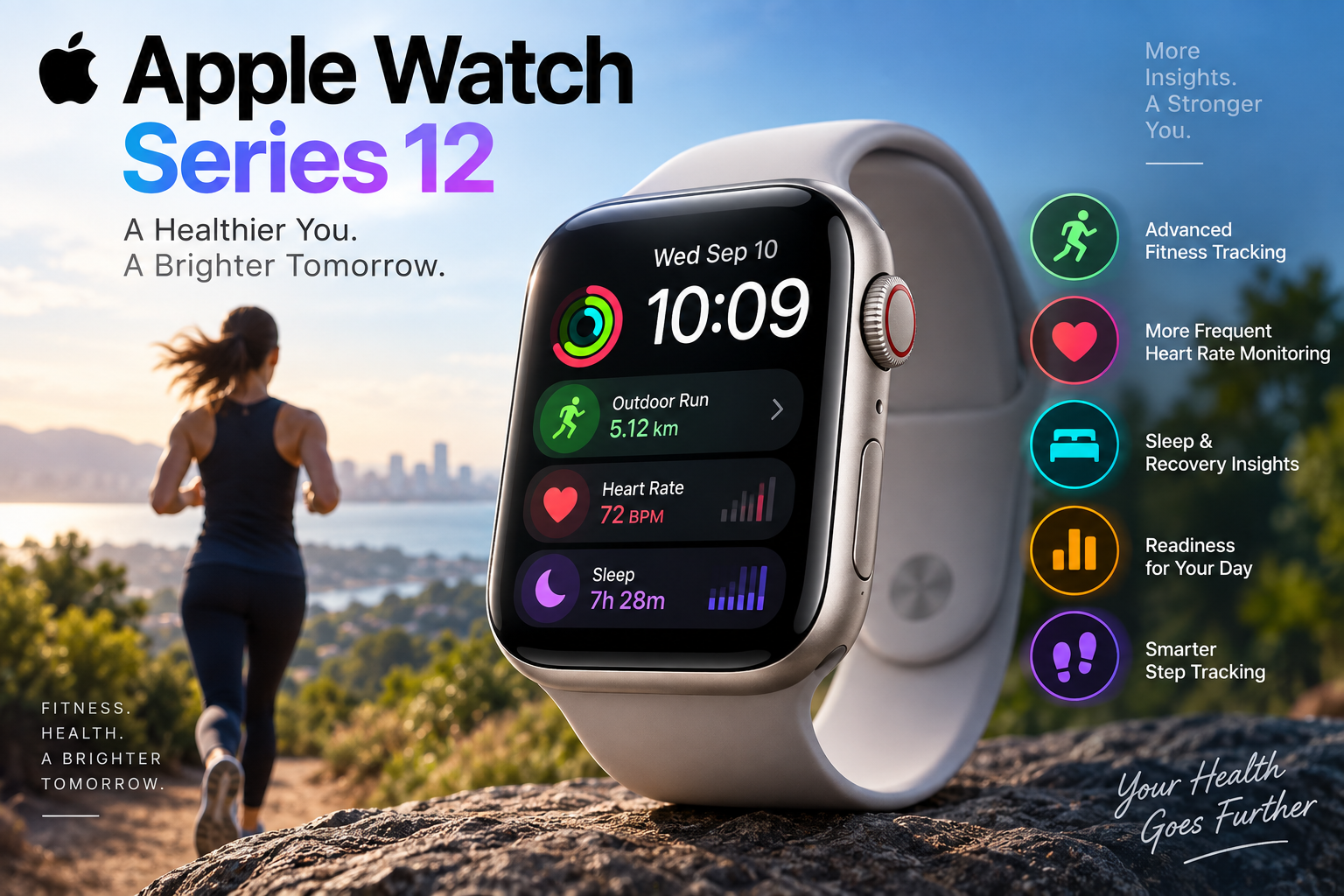
Apple Watch Series 12 Arrives With New Fitness and Health Tracking Features
The launch reflects a broader shift in wearable technology. Smartwatches are increasingly moving beyond simple step counts and workout timers toward tools that combine activity, sleep, cardiovascular measurements, and recovery information into a broader picture of personal fitness.
Read article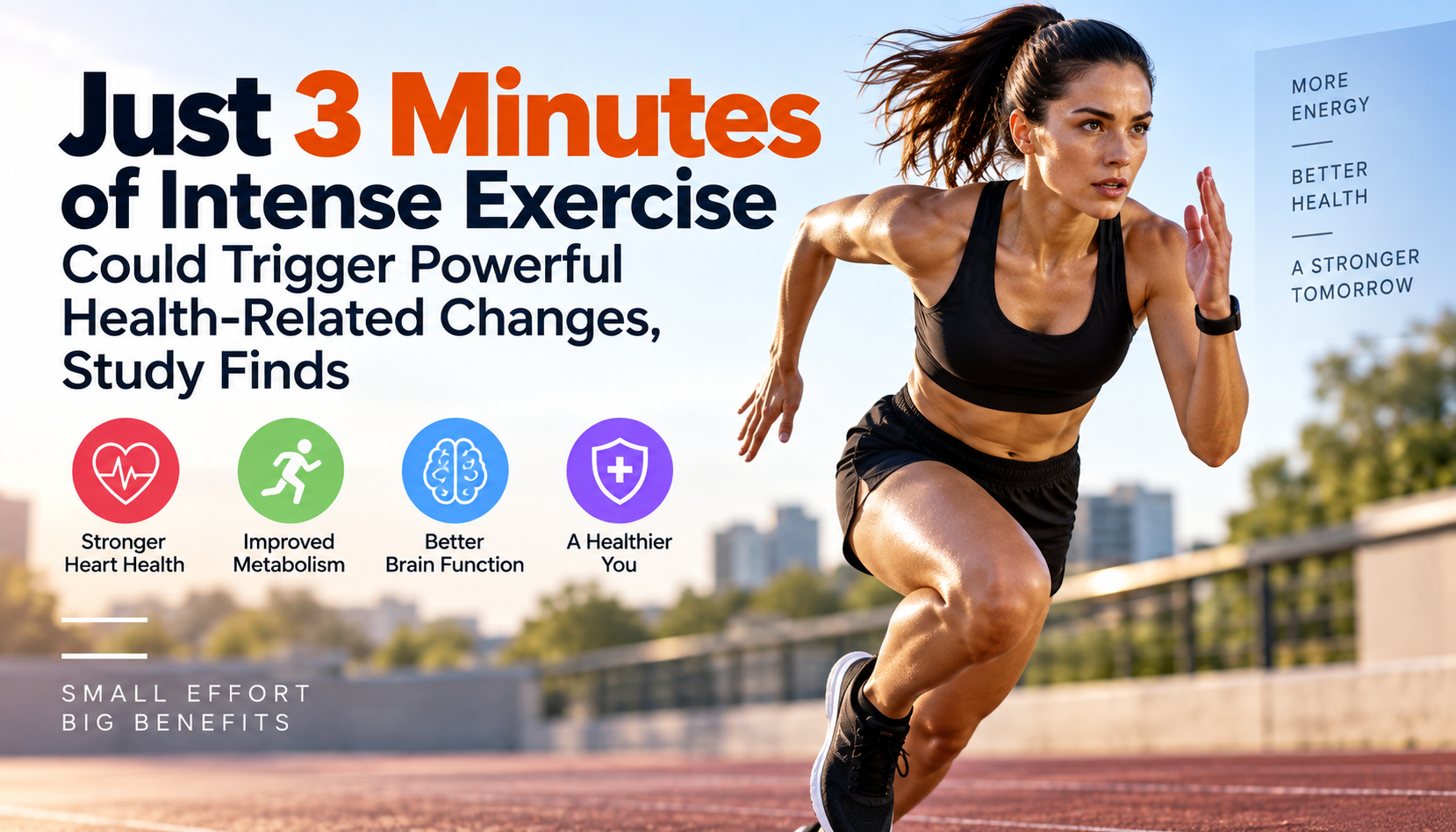
Just 3 Minutes of Intense Exercise Could Trigger Powerful Health-Related Changes, Study Finds
That does not mean three minutes of sprinting has been proven to replace a longer workout. Instead, the findings offer a closer look at why intense exercise may produce such a rapid and wide-ranging biological response.
Read article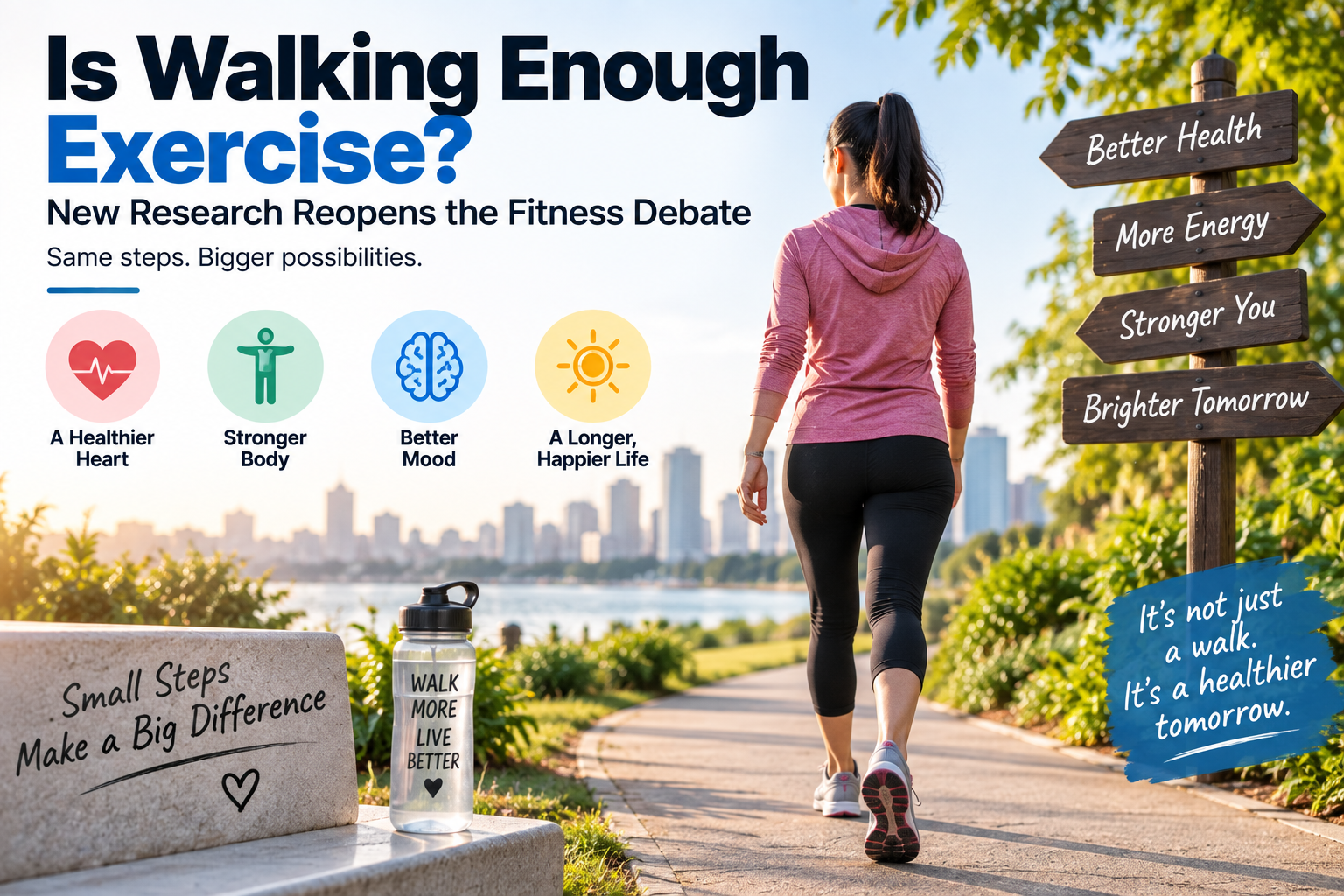
Is Walking Enough Exercise? New Research Reopens the Fitness Debate
The study does not prove that walking faster or taking a particular number of steps prevents death. It does, however, add to a growing body of evidence suggesting that there is no single magic step count or perfect form of exercise.
Read article

Join 10,000+ Readers Building Healthier Habits
Get actionable wellness tips every week plus our newest articles delivered straight to your inbox.