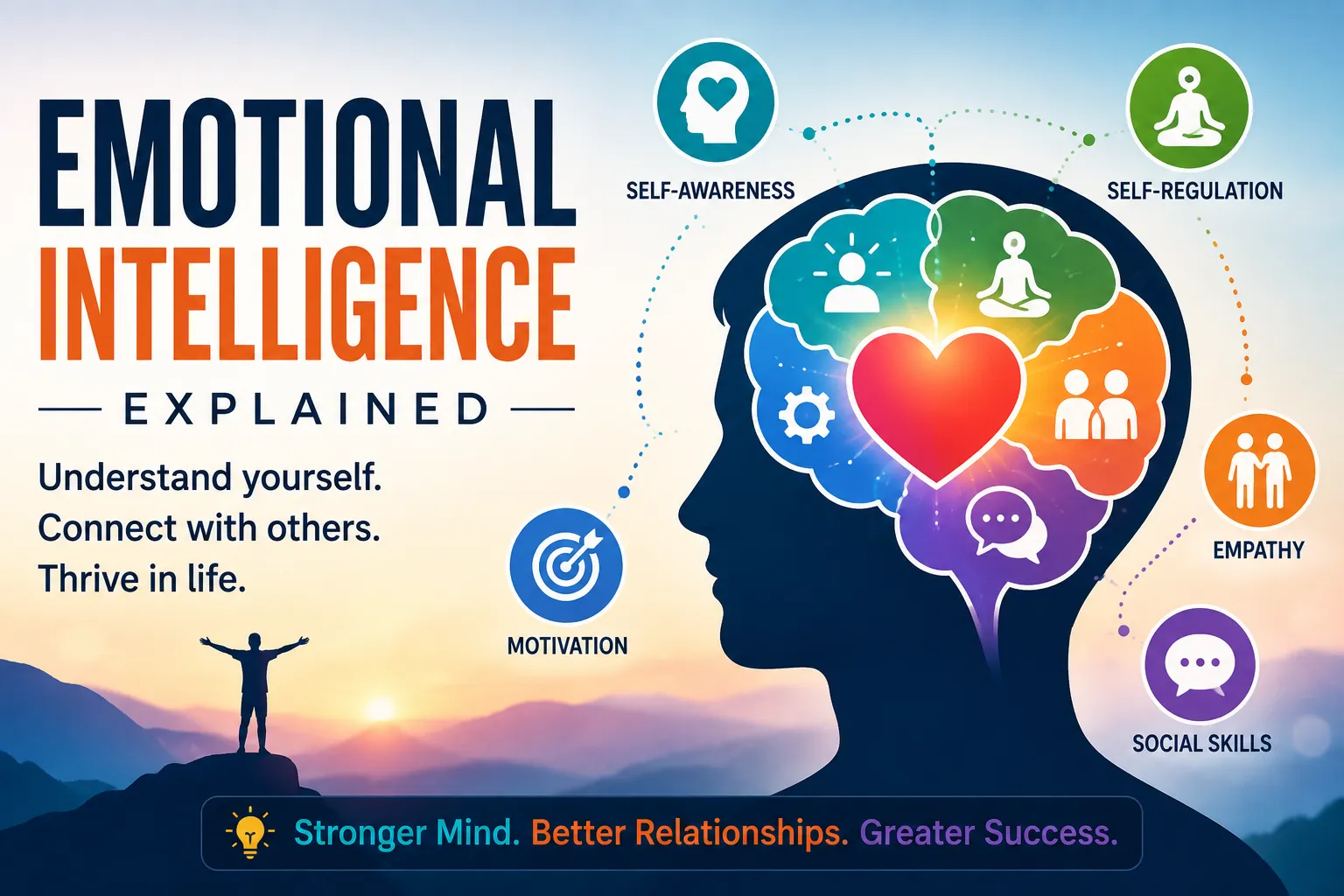

Emotional Intelligence Explained
Success in life isn’t determined solely by intelligence or technical skills. The ability to recognize, understand, and manage emotions—both your own and those of others—plays an equally important role in building healthy relationships, making sound decisions, and navigating life’s challenges. This ability is known as emotional intelligence (EI) or emotional quotient (EQ).
Over the past few decades, emotional intelligence has become a central topic in psychology, education, business, and mental wellness. Research suggests that individuals with strong emotional intelligence often communicate more effectively, handle stress better, resolve conflicts constructively, and build stronger personal and professional relationships.
This guide explores emotional intelligence, its core components, why it matters, and practical strategies for strengthening it throughout life.
What Is Emotional Intelligence?
Emotional intelligence is the ability to recognize, understand, manage, and appropriately express emotions while also recognizing and responding effectively to the emotions of others.
Rather than suppressing emotions, emotionally intelligent people learn how to understand them and use them constructively.
Emotional intelligence influences how people:
- Think
- Make decisions
- Handle stress
- Build relationships
- Communicate
- Solve conflicts
- Lead others
- Adapt to change
Like many personal skills, emotional intelligence can be developed with practice.
Why Emotional Intelligence Matters
Emotions influence nearly every aspect of daily life.
Strong emotional intelligence can contribute to:
- Better communication
- Stronger relationships
- Improved teamwork
- Healthier conflict resolution
- Greater resilience
- Better stress management
- Increased empathy
- More effective leadership
Developing emotional intelligence supports both personal well-being and professional success.
These skills also form an important part of broader emotional well-being.
The Five Core Components of Emotional Intelligence
Psychologists commonly describe emotional intelligence as consisting of five key areas.
1. Self-Awareness
Self-awareness is the ability to recognize your own emotions and understand how they influence your thoughts and actions.
Self-aware individuals often:
- Recognize emotional triggers
- Understand personal strengths
- Accept weaknesses
- Reflect on experiences
- Make thoughtful decisions
Self-awareness serves as the foundation for emotional growth.
2. Self-Regulation
Self-regulation involves managing emotions in healthy and constructive ways.
Rather than reacting impulsively, emotionally intelligent individuals learn to:
- Pause before responding
- Manage frustration
- Stay calm under pressure
- Adapt to changing situations
- Think before acting
This doesn’t mean ignoring emotions—it means responding thoughtfully instead of reacting automatically.
For a deeper look at this skill in daily situations, see how emotional regulation works in everyday life.
3. Motivation
Emotionally intelligent people are often driven by internal motivation rather than external rewards alone.
Characteristics include:
- Setting meaningful goals
- Maintaining optimism
- Persevering through challenges
- Learning from setbacks
- Pursuing continuous improvement
Intrinsic motivation often supports long-term personal growth.
4. Empathy
Empathy is the ability to understand and appreciate another person’s emotions and perspective.
Empathetic individuals tend to:
- Listen actively
- Show compassion
- Respect different viewpoints
- Recognize emotional cues
- Offer appropriate support
Empathy strengthens both personal and professional relationships.
5. Social Skills
Strong social skills help people build positive relationships and communicate effectively.
Examples include:
- Active listening
- Clear communication
- Teamwork
- Conflict resolution
- Collaboration
- Leadership
- Negotiation
These skills foster trust and cooperation in a variety of settings.
Strong interpersonal skills can also contribute to healthy relationships and effective communication.
Emotional Intelligence vs. IQ
Although emotional intelligence and intelligence quotient (IQ) are both valuable, they measure different abilities.
| Emotional Intelligence (EQ) | Intelligence Quotient (IQ) |
|---|---|
| Recognizing emotions | Logical reasoning |
| Managing emotions | Analytical thinking |
| Building relationships | Problem-solving |
| Communication | Memory and learning |
| Empathy | Academic performance |
A person can have a high IQ and still struggle with emotional awareness or interpersonal relationships.
Emotional Intelligence in Everyday Life
Emotional intelligence influences many daily situations.
Examples include:
- Remaining calm during disagreements
- Handling workplace stress
- Supporting a friend through difficult times
- Accepting constructive feedback
- Managing disappointment
- Communicating respectfully
- Making thoughtful decisions
These everyday interactions shape both mental wellness and relationship quality.
When emotions become difficult to manage, understanding healthy coping skills can provide another useful framework for responding constructively.
Emotional Intelligence in the Workplace
Organizations increasingly recognize emotional intelligence as an important professional skill.
Employees with strong emotional intelligence often contribute to:
- Better teamwork
- More effective leadership
- Improved customer service
- Stronger collaboration
- Reduced workplace conflict
- Higher adaptability
Many leadership development programs now include emotional intelligence training.
Emotional Intelligence and Mental Wellness
Healthy emotional awareness supports psychological well-being.
People with strong emotional intelligence may find it easier to:
- Recognize stress early
- Manage anxiety
- Cope with setbacks
- Build supportive relationships
- Practice self-compassion
- Maintain emotional balance
While emotional intelligence can support mental wellness, it is not a substitute for professional mental health care when needed.
Developing these abilities can also support stress management by helping people recognize emotional responses and choose more constructive ways to respond.
Can Emotional Intelligence Be Improved?
Yes. Emotional intelligence is considered a learnable skill.
Consistent practice can strengthen emotional awareness and communication over time.
Practical Ways to Build Emotional Intelligence
Practice Self-Reflection
Spend time thinking about your emotional responses.
Questions to ask yourself include:
- What am I feeling?
- Why do I feel this way?
- How did I respond?
- Could I have handled it differently?
Journaling can be a useful reflection tool.
Improve Active Listening
Listening without interrupting helps build stronger relationships.
Focus on:
- Understanding
- Asking thoughtful questions
- Paying attention to tone
- Observing body language
People often appreciate feeling genuinely heard.
Pause Before Reacting
Strong emotions can lead to impulsive decisions.
Taking a brief pause allows time to:
- Think clearly
- Consider consequences
- Choose constructive responses
Even a few deep breaths can help create emotional space.
Develop Empathy
Empathy grows by trying to understand another person’s perspective.
Helpful habits include:
- Remaining curious
- Avoiding quick judgments
- Respecting differences
- Asking open-ended questions
Understanding does not necessarily mean agreeing.
Strengthen Communication
Emotionally intelligent communication emphasizes:
- Honesty
- Respect
- Clarity
- Kindness
- Constructive feedback
Healthy communication reduces misunderstandings and strengthens trust.
Common Myths About Emotional Intelligence
Myth 1: Emotional intelligence means being emotional.
Reality: Emotional intelligence involves understanding emotions—not being controlled by them.
Myth 2: Emotional intelligence can’t be learned.
Reality: Research suggests emotional intelligence can improve through education, practice, and experience.
Myth 3: Emotionally intelligent people never experience negative emotions.
Reality: Everyone experiences difficult emotions. Emotional intelligence focuses on managing them in healthy ways.
Challenges to Emotional Intelligence
Several factors can make emotional intelligence more difficult to develop.
These include:
- Chronic stress
- Poor communication habits
- Lack of self-awareness
- Emotional burnout
- Unresolved conflict
- Limited social support
Recognizing these challenges is often the first step toward improvement.
The Future of Emotional Intelligence
As workplaces and schools place greater emphasis on collaboration, emotional intelligence is expected to become even more valuable.
Growing areas of interest include:
- AI-assisted emotional coaching
- Digital mental wellness tools
- Emotional skills education
- Workplace well-being programs
- Leadership development
- Emotional resilience training
Despite technological advances, human emotional understanding will remain a uniquely valuable skill.
Looking Ahead
Emotional intelligence is one of the most important life skills a person can develop. It influences how we understand ourselves, connect with others, navigate challenges, and maintain emotional well-being. Unlike fixed traits, emotional intelligence can grow through self-awareness, empathy, thoughtful communication, and consistent practice.
By developing emotional intelligence, individuals can strengthen relationships, improve resilience, reduce conflict, and make more balanced decisions—benefits that extend into every aspect of life, from family and friendships to education, work, and leadership.
Frequently Asked Questions
What is emotional intelligence?
Emotional intelligence is the ability to recognize, understand, manage, and appropriately respond to emotions in yourself and others.
Why is emotional intelligence important?
It supports healthy relationships, effective communication, resilience, stress management, leadership, and overall mental wellness.
Can emotional intelligence be learned?
Yes. Emotional intelligence can improve through self-reflection, communication practice, empathy, and ongoing personal development.
Is emotional intelligence the same as IQ?
No. IQ measures cognitive abilities such as reasoning and problem-solving, while emotional intelligence focuses on understanding and managing emotions.
How can I improve my emotional intelligence?
Practice self-awareness, active listening, empathy, emotional regulation, constructive communication, and regular reflection on your emotional responses.
Key Takeaways
-
Emotional intelligence is the ability to understand and manage emotions effectively.
-
The five core components are self-awareness, self-regulation, motivation, empathy, and social skills.
-
Strong emotional intelligence supports healthier relationships, better communication, and improved mental wellness.
-
Emotional intelligence complements—but does not replace—cognitive intelligence (IQ).
-
Skills such as active listening, empathy, and self-reflection can strengthen emotional intelligence over time.
-
Developing emotional intelligence is a lifelong process that benefits both personal and professional success.
Continue Reading
Similar Posts
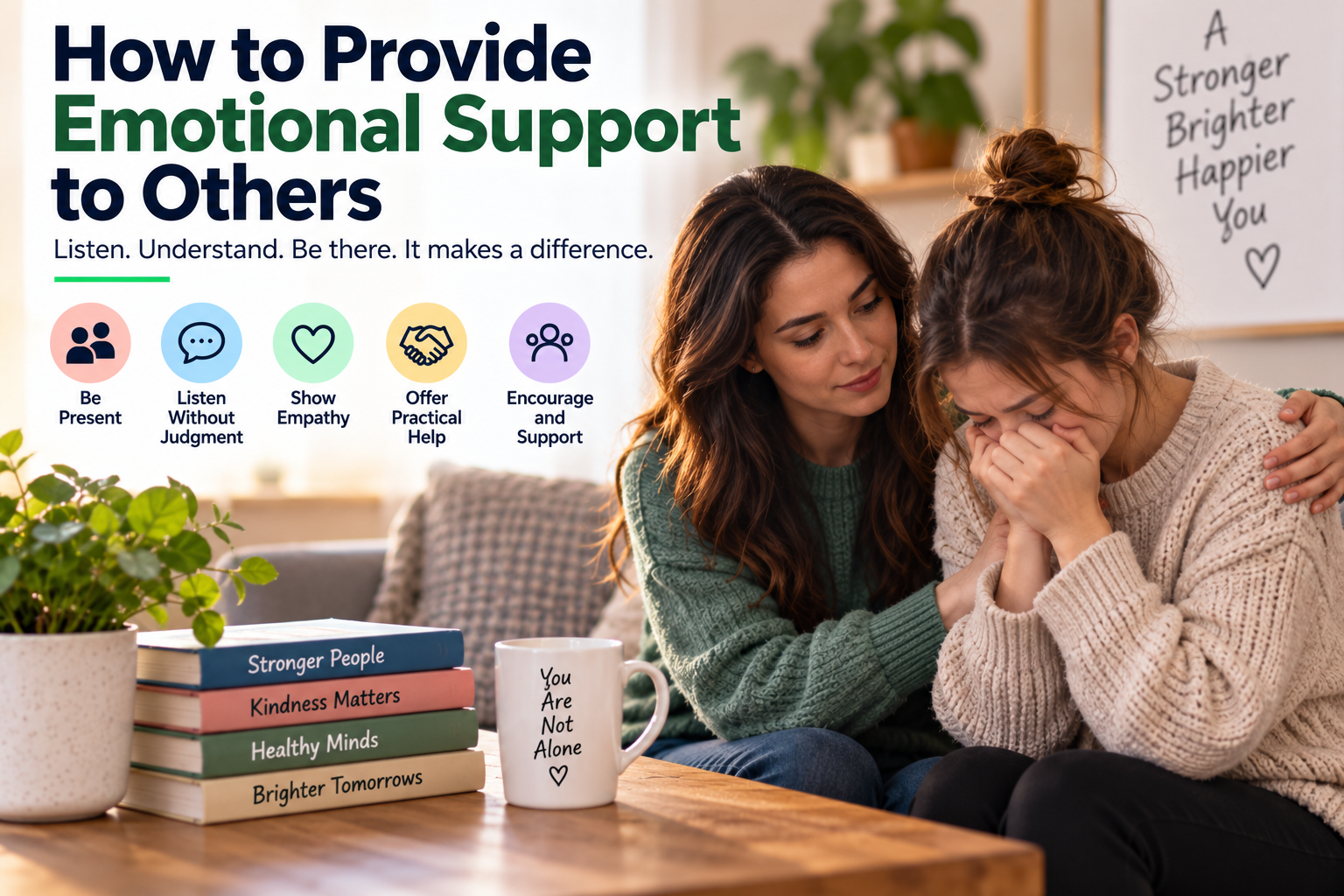
How to Provide Emotional Support to Others
Good emotional support is also about respecting boundaries. People need different kinds of help at different times. Some may want to talk, while others may need practical assistance, quiet companionship, or simply reassurance that someone cares.
Read article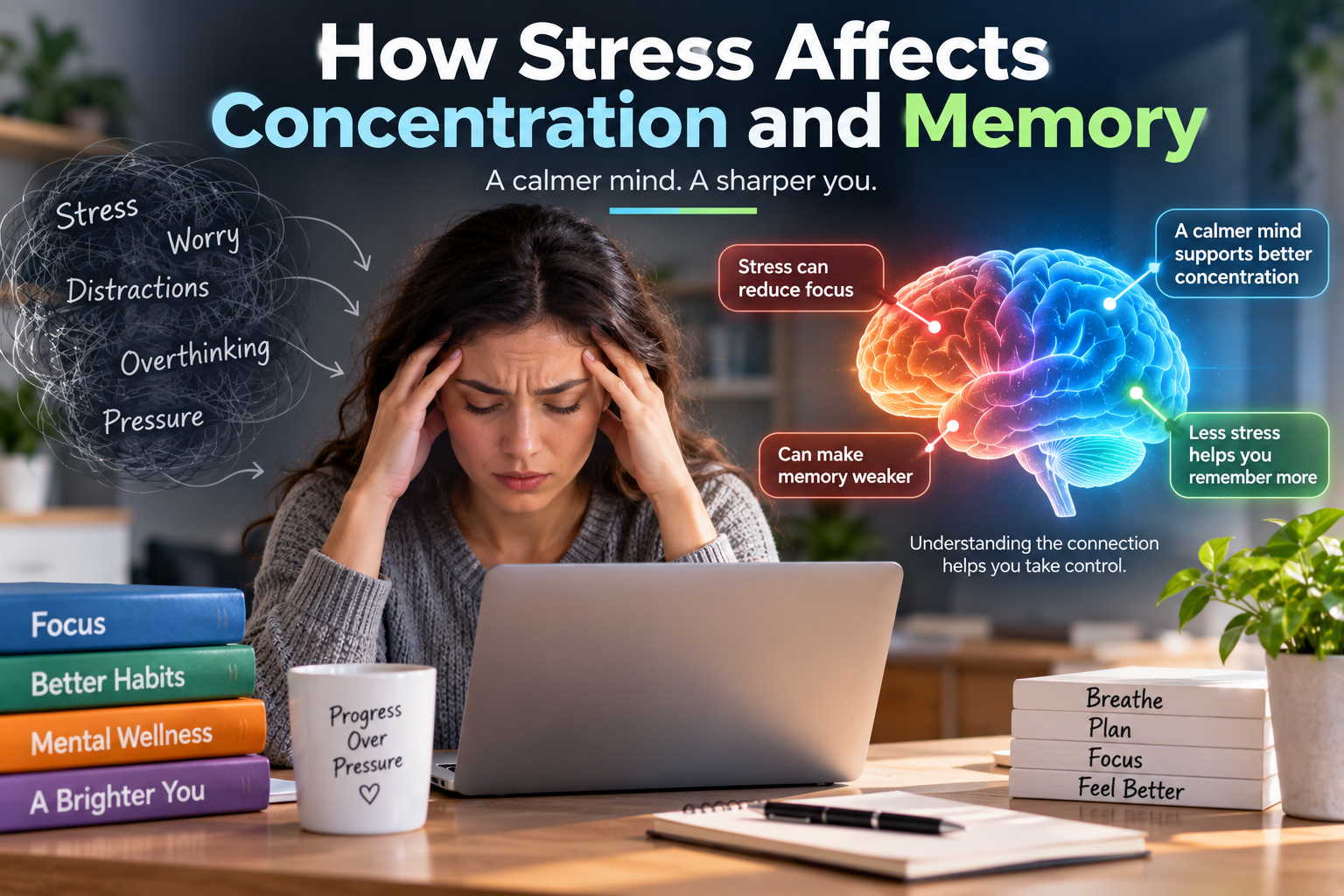
How Stress Affects Concentration and Memory
Understanding the connection between stress, concentration and memory can help explain why the mind sometimes feels less efficient during stressful periods—and why managing stress can be an important part of maintaining overall mental well-being.
Read article
When Should Someone Seek Professional Mental Health Support
Understanding **what mental wellness means** is a useful starting point. Mental wellness involves more than simply being happy or avoiding mental illness. It includes the ability to manage emotions, handle challenges, maintain relationships, make decisions, and function in everyday life.
Read article

Join 10,000+ Readers Building Healthier Habits
Get actionable wellness tips every week plus our newest articles delivered straight to your inbox.