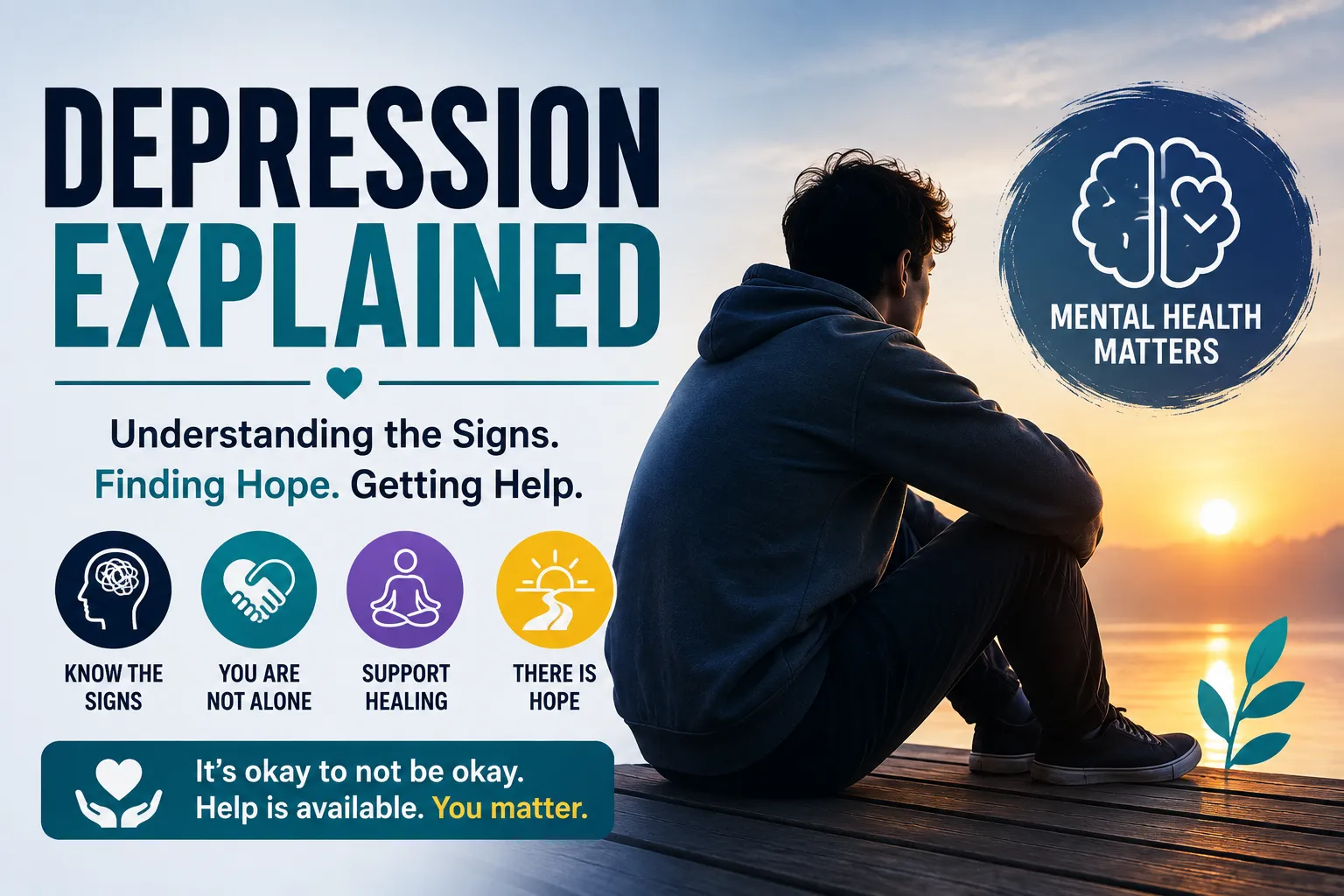

Depression Explained
Depression is one of the most common mental health conditions worldwide, affecting people of all ages, backgrounds, and lifestyles. While everyone experiences sadness or emotional lows from time to time, depression is more than simply feeling unhappy for a few days. It is a medical condition that can significantly affect how a person thinks, feels, and functions in daily life.
Fortunately, depression is treatable, and millions of people recover with the right combination of support, therapy, healthy lifestyle changes, and, when appropriate, medication. Increasing awareness and reducing stigma have encouraged more people to seek help and begin conversations about mental health.
This guide explains what depression is, its common symptoms, possible causes, treatment options, self-care strategies, and how individuals can support themselves or someone experiencing depression.
Note: This article is for educational purposes only and should not replace professional medical advice, diagnosis, or treatment.
What Is Depression?
Depression, also known as major depressive disorder, is a mental health condition characterized by persistent feelings of sadness, loss of interest, or reduced enjoyment in activities that were once pleasurable.
Depression can affect:
- Thoughts
- Emotions
- Energy levels
- Sleep
- Appetite
- Concentration
- Relationships
- Daily functioning
Symptoms often last for weeks or longer and may interfere with work, school, family life, and personal well-being.
Understanding depression is part of understanding the broader concept of emotional well-being and mental wellness, which includes emotional health, resilience, relationships, coping skills, and everyday functioning.
Why Mental Health Matters
Mental health is an essential part of overall health.
Good mental well-being supports:
- Emotional resilience
- Healthy relationships
- Better decision-making
- Physical health
- Productivity
- Stress management
- Self-confidence
- Overall quality of life
Seeking support for mental health concerns is just as important as seeking treatment for physical illnesses.
Common Symptoms of Depression
Symptoms vary from person to person and may range from mild to severe.
Common symptoms include:
- Persistent sadness
- Loss of interest in hobbies
- Fatigue
- Low energy
- Difficulty concentrating
- Changes in appetite
- Sleep disturbances
- Feelings of hopelessness
- Irritability
- Feelings of guilt or worthlessness
Not everyone experiences the same combination or intensity of symptoms.
Emotional Symptoms
Depression can affect emotional well-being in many ways.
Individuals may experience:
- Persistent sadness
- Emotional numbness
- Anxiety
- Loss of motivation
- Low self-esteem
- Feelings of emptiness
- Increased frustration
- Difficulty experiencing joy
These emotional changes can significantly impact daily life.
Physical Symptoms
Depression often has physical effects as well.
These may include:
- Low energy
- Headaches
- Muscle aches
- Digestive discomfort
- Changes in sleep
- Appetite changes
- Slower movement
- Unexplained physical discomfort
Physical symptoms are common and should not be overlooked.
Possible Causes
Depression does not usually have a single cause.
Contributing factors may include:
- Genetics
- Brain chemistry
- Chronic stress
- Traumatic experiences
- Major life changes
- Chronic illness
- Hormonal changes
- Family history
Often, several factors interact rather than one cause acting alone.
Risk Factors
Certain circumstances may increase the likelihood of developing depression.
Examples include:
- Ongoing stress
- Social isolation
- Financial difficulties
- Relationship problems
- Chronic medical conditions
- Substance misuse
- Lack of sleep
- Previous mental health conditions
Having one or more risk factors does not mean someone will develop depression.
How Depression Is Diagnosed
A diagnosis is typically made by a qualified healthcare professional after discussing symptoms, medical history, and overall well-being.
Evaluation may include:
- Clinical interviews
- Symptom assessments
- Medical history review
- Physical examination when appropriate
- Mental health questionnaires
- Discussion of lifestyle factors
Early evaluation can help individuals receive appropriate support sooner.
Treatment Options
Depression is highly treatable, and treatment plans are tailored to each individual’s needs.
Treatment may include:
- Psychotherapy
- Cognitive behavioral therapy (CBT)
- Medication
- Lifestyle changes
- Support groups
- Stress management
- Mindfulness practices
- Ongoing follow-up care
Many people benefit from combining several approaches.
Treatment decisions should be individualized and made with an appropriately qualified healthcare professional.
The Importance of Therapy
Talking therapies can help individuals better understand their thoughts, emotions, and behaviors.
Therapy may help people:
- Develop coping strategies
- Manage stress
- Improve communication
- Build resilience
- Challenge negative thinking
- Set achievable goals
- Strengthen relationships
- Improve emotional well-being
Working with a qualified mental health professional can provide valuable support throughout recovery.
Building healthy coping skills can also complement professional support by giving people practical strategies for dealing with difficult emotions and stressful situations.
Lifestyle Habits That Support Mental Wellness
Healthy daily habits may complement professional treatment.
Helpful practices include:
- Regular physical activity
- Balanced nutrition
- Consistent sleep
- Spending time outdoors
- Maintaining social connections
- Relaxation techniques
- Limiting alcohol consumption
- Practicing mindfulness
Small, sustainable habits often contribute to long-term well-being.
Mindfulness is one approach that some people incorporate into their routines. The complete guide to mindfulness and present-moment awareness explores this practice in greater detail.
Supporting Someone With Depression
Friends and family can play an important supportive role.
Helpful approaches include:
- Listening without judgment
- Encouraging professional help
- Checking in regularly
- Offering practical assistance
- Being patient
- Respecting boundaries
- Learning about depression
- Avoiding criticism or minimizing feelings
Supportive relationships can make a meaningful difference during recovery.
Healthy communication and appropriate limits are important as well, making a healthy relationships guide covering communication, boundaries, and trust a useful companion resource.
Common Myths About Depression
Several misconceptions continue to contribute to stigma.
Myth: Depression Is Just Feeling Sad
Depression is a medical condition that affects emotions, thoughts, physical health, and daily functioning.
Myth: People Should Simply “Snap Out of It”
Recovery often requires time, support, and appropriate treatment.
Myth: Depression Is a Sign of Weakness
Depression can affect anyone, regardless of age, strength, or personal success.
Myth: Talking About Depression Makes It Worse
Open, supportive conversations can encourage people to seek help and reduce feelings of isolation.
When to Seek Professional Help
It is important to speak with a healthcare professional if symptoms:
- Persist for two weeks or longer
- Interfere with work or school
- Affect relationships
- Make daily tasks difficult
- Continue worsening over time
Early support often leads to better outcomes.
If You or Someone Else Is in Immediate Danger
If someone is experiencing thoughts of self-harm or suicide, or may be in immediate danger, seek emergency medical assistance or contact your local emergency services immediately. Reaching out to a trusted healthcare provider, crisis service, or supportive family member or friend can also be an important first step.
Tips for Supporting Mental Well-Being
Promote emotional wellness by:
- Maintaining a regular sleep schedule.
- Staying physically active.
- Eating balanced meals.
- Building supportive relationships.
- Taking regular breaks from stress.
- Practicing mindfulness or relaxation.
- Setting realistic goals.
- Seeking help early when needed.
- Making time for enjoyable activities.
- Being patient with yourself during difficult periods.
Mental health is an ongoing journey, and small positive habits can make a meaningful difference over time.
The Future of Depression Care
Research continues improving the understanding and treatment of depression.
Emerging areas include:
- Personalized treatment approaches
- Digital mental health tools
- Telehealth counseling
- AI-assisted mental health screening
- Improved psychotherapy techniques
- Brain imaging research
- Preventive mental health strategies
- Greater public awareness initiatives
These developments aim to improve access to care and support better long-term outcomes.
Moving Forward With Compassion and Support
Depression is a common and treatable mental health condition that affects millions of people around the world. Although it can influence emotions, thoughts, energy, and daily functioning, recovery is possible with appropriate care, healthy lifestyle habits, and support from healthcare professionals, family, and friends.
Understanding depression helps reduce stigma and encourages compassionate conversations about mental health. By recognizing symptoms early and seeking evidence-based treatment when needed, individuals can take meaningful steps toward improved well-being and a better quality of life.
Continue Reading
Similar Posts

How to Provide Emotional Support to Others
Good emotional support is also about respecting boundaries. People need different kinds of help at different times. Some may want to talk, while others may need practical assistance, quiet companionship, or simply reassurance that someone cares.
Read article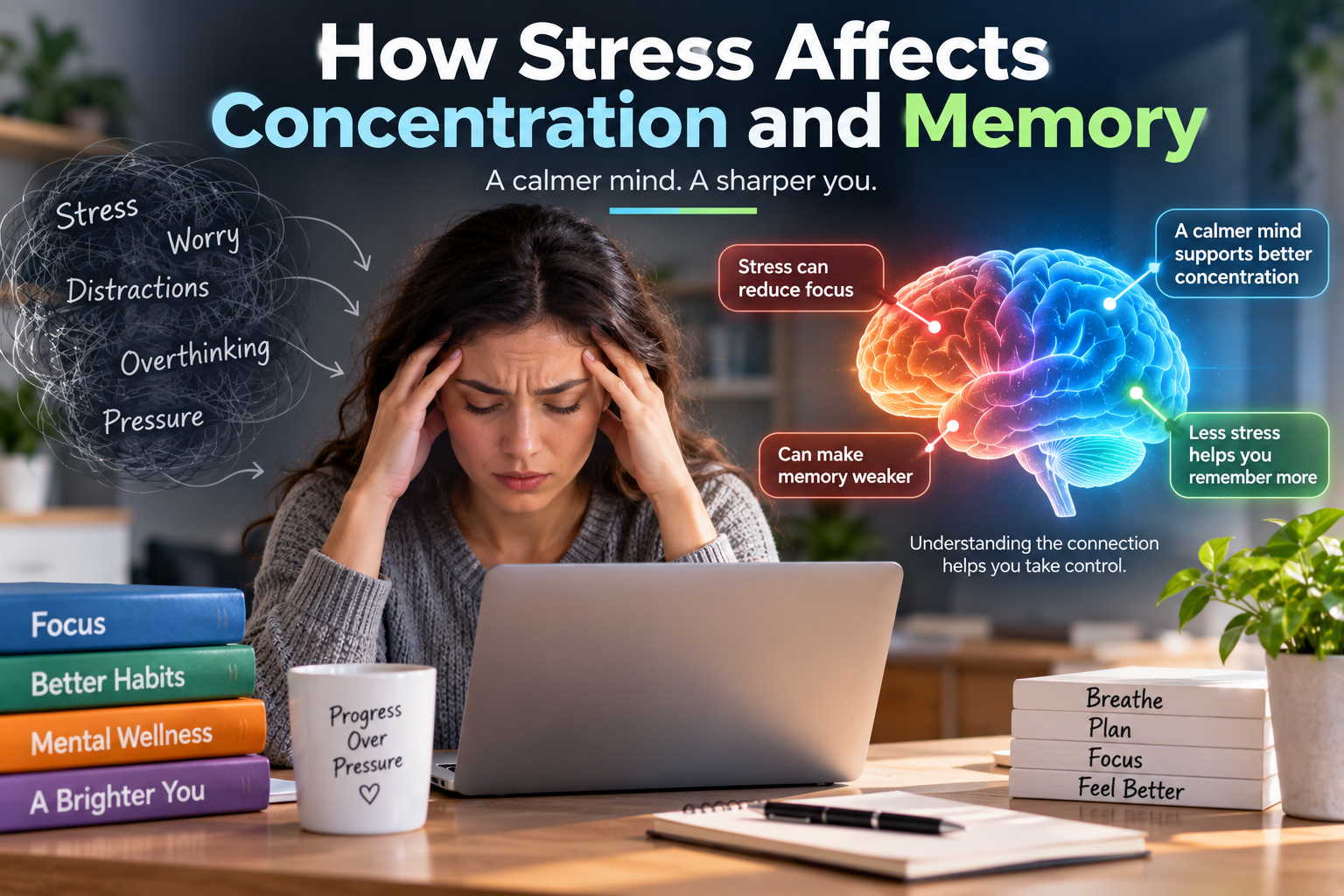
How Stress Affects Concentration and Memory
Understanding the connection between stress, concentration and memory can help explain why the mind sometimes feels less efficient during stressful periods—and why managing stress can be an important part of maintaining overall mental well-being.
Read article
When Should Someone Seek Professional Mental Health Support
Understanding **what mental wellness means** is a useful starting point. Mental wellness involves more than simply being happy or avoiding mental illness. It includes the ability to manage emotions, handle challenges, maintain relationships, make decisions, and function in everyday life.
Read article

Join 10,000+ Readers Building Healthier Habits
Get actionable wellness tips every week plus our newest articles delivered straight to your inbox.