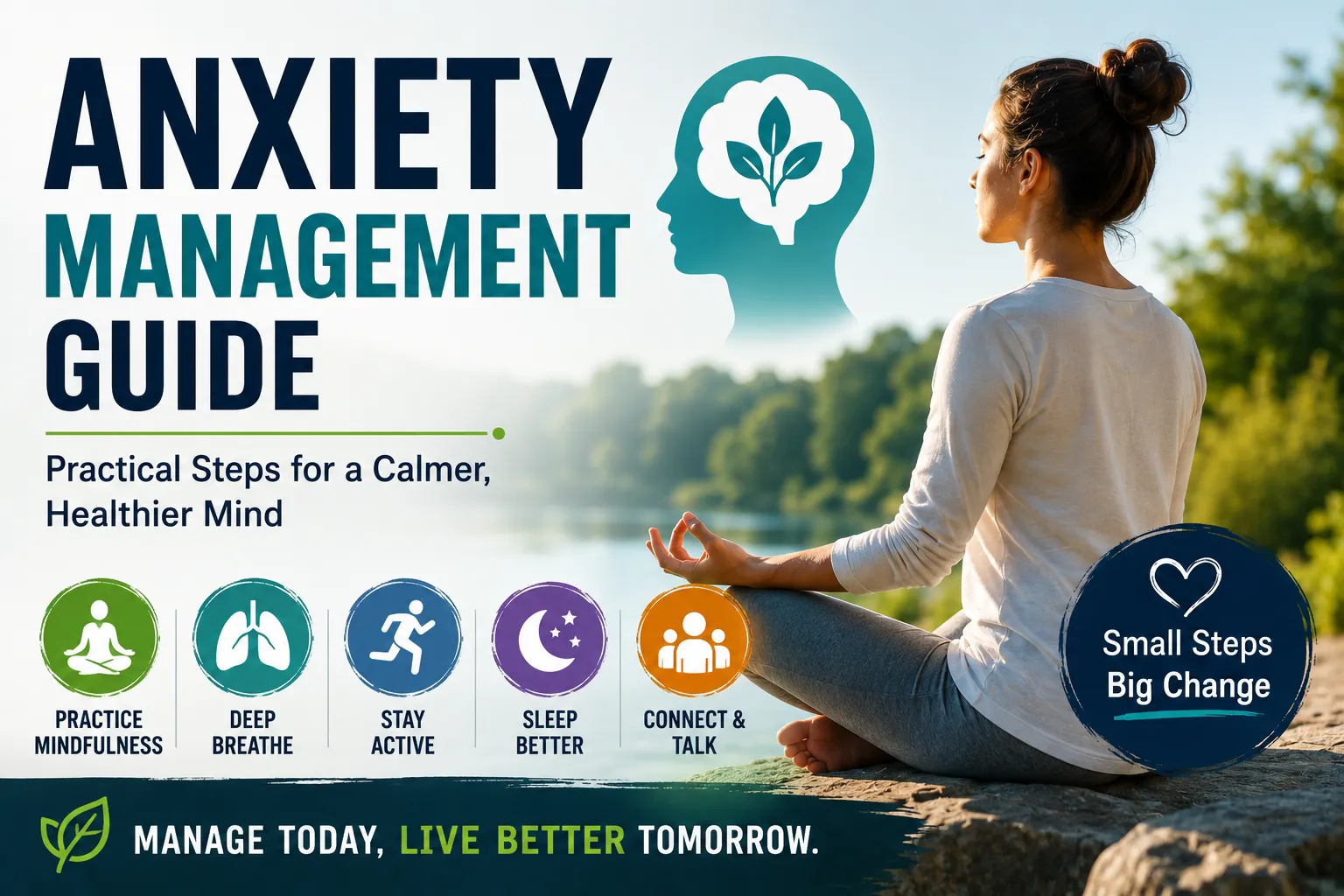

Anxiety Management Guide
Anxiety is a natural human response to stress, uncertainty, or perceived danger. Everyone experiences feelings of worry or nervousness from time to time, whether before an important presentation, a medical appointment, or a major life change. However, when anxiety becomes persistent, overwhelming, or begins interfering with daily life, it can affect emotional well-being, physical health, relationships, and productivity.
The good news is that anxiety is manageable. Through healthy lifestyle habits, evidence-based coping strategies, and professional support when needed, many people can successfully reduce anxiety and improve their overall quality of life.
This guide explains what anxiety is, common symptoms, potential causes, practical management techniques, and when it’s appropriate to seek help from a healthcare professional.
What Is Anxiety?
Anxiety is the body’s natural response to situations that are perceived as challenging, uncertain, or threatening. It often involves both emotional and physical reactions that prepare the body to respond to potential danger.
Occasional anxiety is a normal part of life and can even be helpful by improving focus and alertness in certain situations.
Persistent or excessive anxiety, however, may interfere with work, school, relationships, or everyday activities and may require additional support.
Understanding anxiety is also part of understanding broader emotional well-being, which includes the ability to manage emotions, cope with challenges, maintain relationships, and adapt to changing circumstances.
Why Anxiety Happens
Anxiety develops through a combination of biological, psychological, and environmental factors.
Common contributing factors include:
- Stressful life events
- Financial concerns
- Work or academic pressure
- Relationship challenges
- Major life transitions
- Chronic health conditions
- Family history
- Lack of sleep
- Excessive caffeine intake
- Uncertainty about the future
Each person’s experience with anxiety is unique, and multiple factors may contribute at the same time.
Common Symptoms of Anxiety
Anxiety can affect both the mind and the body.
Emotional symptoms may include:
- Excessive worrying
- Feeling overwhelmed
- Irritability
- Difficulty concentrating
- Restlessness
- Fear of the unknown
Physical symptoms may include:
- Rapid heartbeat
- Muscle tension
- Sweating
- Trembling
- Upset stomach
- Headaches
- Fatigue
- Difficulty sleeping
- Shortness of breath
Experiencing one or more of these symptoms does not necessarily indicate an anxiety disorder, but persistent symptoms should be discussed with a qualified healthcare professional.
Everyday Stress vs. Anxiety
Stress and anxiety are closely related but not identical.
Stress is usually a response to a specific challenge, such as a deadline or major responsibility.
Anxiety may continue even after the stressful event has passed and sometimes occurs without an obvious trigger.
Recognizing the difference can help individuals choose appropriate coping strategies.
For people dealing with ongoing pressure, understanding how chronic stress affects the body and mind can provide additional context for why prolonged stress deserves attention.
The Importance of Early Management
Addressing anxiety early may help prevent it from becoming more disruptive over time.
Healthy management can support:
- Better emotional well-being
- Improved sleep
- Greater productivity
- Stronger relationships
- Better physical health
- Increased resilience
Small, consistent habits often make a meaningful difference.
Developing healthy coping skills can provide practical ways to respond to difficult emotions and stressful situations.
Healthy Lifestyle Habits
Daily routines play an important role in emotional wellness.
Helpful habits include:
- Maintaining a regular sleep schedule
- Eating balanced meals
- Staying hydrated
- Exercising regularly
- Spending time outdoors
- Taking regular breaks
- Limiting excessive screen time
- Maintaining social connections
Healthy routines provide a strong foundation for managing stress and anxiety.
Physical Activity
Regular exercise has been associated with improved mental well-being.
Activities may include:
- Walking
- Jogging
- Cycling
- Swimming
- Yoga
- Dancing
- Strength training
- Stretching
Physical activity may help reduce tension, improve mood, and support better sleep.
Relaxation Techniques
Many people find relaxation exercises helpful for managing anxious feelings.
Examples include:
Deep Breathing
Slow, controlled breathing may help reduce physical tension and promote relaxation.
Progressive Muscle Relaxation
This technique involves gently tensing and relaxing different muscle groups to increase awareness of physical tension.
Mindfulness
Mindfulness encourages paying attention to the present moment without judgment, helping some people manage racing thoughts.
The complete guide to mindfulness and present-moment awareness explores this approach and related practices in greater detail.
Meditation
Regular meditation may improve emotional regulation and reduce stress for some individuals.
Different techniques work better for different people, and finding a preferred approach often takes practice.
Managing Daily Stress
Reducing everyday stress can help lower overall anxiety levels.
Practical strategies include:
- Prioritize important tasks.
- Break large projects into smaller steps.
- Set realistic expectations.
- Schedule regular downtime.
- Learn to say no when necessary.
- Maintain healthy boundaries.
- Celebrate small achievements.
Managing workload can reduce feelings of overwhelm.
Learning about healthy boundaries and setting better limits can be particularly useful when excessive responsibilities or difficult interpersonal situations contribute to emotional strain.
The Role of Sleep
Sleep and anxiety influence one another.
Poor sleep may increase anxious feelings, while anxiety can make falling asleep more difficult.
Improving sleep habits may include:
- Keeping consistent bedtimes
- Limiting caffeine later in the day
- Creating a comfortable sleep environment
- Reducing screen use before bedtime
- Following a relaxing evening routine
Good sleep supports both physical and emotional health.
Nutrition and Mental Wellness
Balanced nutrition contributes to overall well-being.
Many health professionals recommend:
- Plenty of fruits and vegetables
- Whole grains
- Lean protein sources
- Healthy fats
- Adequate hydration
Limiting excessive caffeine and alcohol may also help some individuals manage anxiety symptoms more effectively.
Building a Support Network
Strong social connections can make coping with anxiety easier.
Support may come from:
- Family members
- Friends
- Support groups
- Colleagues
- Community organizations
- Mental health professionals
Talking openly with trusted people can reduce feelings of isolation.
Supportive relationships can also contribute to building emotional resilience, particularly when people are dealing with stressful or uncertain circumstances.
Limiting Information Overload
Constant exposure to distressing news, social media, or digital notifications may increase feelings of stress for some people.
Helpful habits include:
- Taking breaks from social media
- Setting boundaries around news consumption
- Turning off unnecessary notifications
- Scheduling screen-free time
Finding a healthy balance can improve mental well-being.
For a broader look at this issue, digital habits and screen time can influence attention, stress, sleep, and overall mental wellness.
When to Seek Professional Help
Professional support may be appropriate if anxiety:
- Persists for several weeks or longer
- Interferes with work, school, or relationships
- Causes significant distress
- Leads to avoidance of everyday activities
- Feels increasingly difficult to manage independently
Healthcare professionals can evaluate symptoms and recommend appropriate treatment options based on individual needs.
Treatment Options
Treatment varies depending on the individual and the nature of their symptoms.
Possible approaches may include:
- Counseling or psychotherapy
- Cognitive behavioral therapy (CBT)
- Stress management techniques
- Lifestyle modifications
- Medication when prescribed by a qualified healthcare professional
Treatment decisions should always be made in consultation with a licensed healthcare provider.
Common Myths About Anxiety
Myth: Anxiety Is a Sign of Weakness
Anxiety is a common human experience and does not reflect personal strength or character.
Myth: You Should Simply Ignore It
Persistent anxiety often benefits from healthy coping strategies or professional support.
Myth: Everyone Experiences Anxiety the Same Way
Symptoms and experiences vary significantly from person to person.
Myth: Recovery Happens Overnight
Managing anxiety is often an ongoing process involving gradual improvements over time.
Looking Ahead
Awareness of mental wellness continues to grow, and conversations about anxiety have become more open and supportive. Advances in research, digital mental health tools, telehealth services, and evidence-based therapies are expanding access to care for many people.
As understanding of mental health continues to evolve, early recognition, healthy lifestyle habits, and appropriate professional support remain essential components of effective anxiety management.
Moving Toward Better Anxiety Management
Anxiety is a common part of the human experience, but it does not have to define daily life. By understanding its causes, recognizing symptoms, practicing healthy coping strategies, and seeking professional support when appropriate, many people can successfully manage anxiety and improve their overall well-being.
Building healthy routines, staying physically active, maintaining supportive relationships, and prioritizing self-care can all contribute to greater emotional resilience. While every person’s journey is different, consistent habits and timely support can make a meaningful difference in achieving better mental wellness.
Continue Reading
Similar Posts
How to Provide Emotional Support to Others
Good emotional support is also about respecting boundaries. People need different kinds of help at different times. Some may want to talk, while others may need practical assistance, quiet companionship, or simply reassurance that someone cares.
Read article
How Stress Affects Concentration and Memory
Understanding the connection between stress, concentration and memory can help explain why the mind sometimes feels less efficient during stressful periods—and why managing stress can be an important part of maintaining overall mental well-being.
Read article
When Should Someone Seek Professional Mental Health Support
Understanding **what mental wellness means** is a useful starting point. Mental wellness involves more than simply being happy or avoiding mental illness. It includes the ability to manage emotions, handle challenges, maintain relationships, make decisions, and function in everyday life.
Read article

Join 10,000+ Readers Building Healthier Habits
Get actionable wellness tips every week plus our newest articles delivered straight to your inbox.